







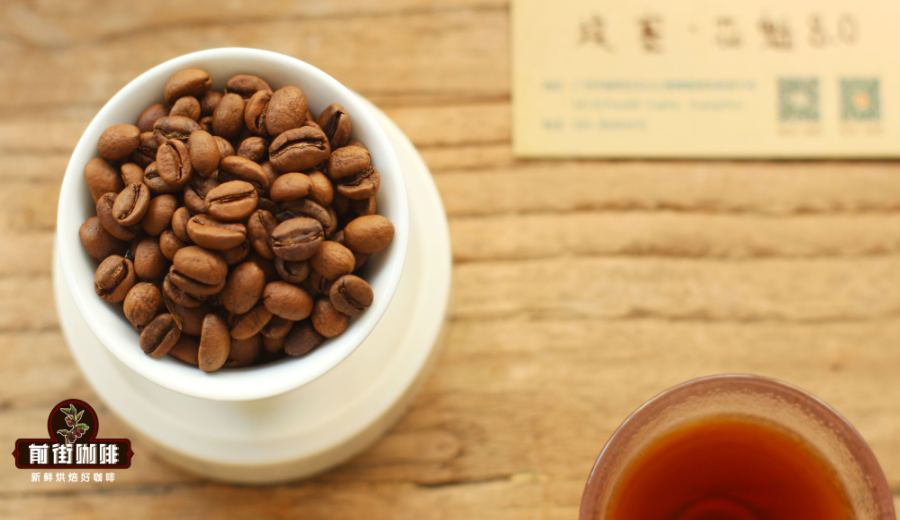
Introduction:As a representative sun-dried coffee from Ethiopia’s Guji Guembourga region, Huakui has become the daily favorite of many coffee enthusiasts due to its intense floral and fruity aroma and reasonable price. This article delves into the regional background, processing method, varietal characteristics, and brewing recommendations of Huakui. It also compares its pricing with that of well-known beans such as Geisha and Blue Mountain, helping readers fully grasp the unique charm of this highly popular specialty coffee.
Huakui coffee does not represent a specific region or variety, but rather originates from a sun-dried processed lot in Hambella, within Ethiopia’s Guji region. This coffee gained widespread fame after winning the championship at the 2017 TOH (Ethiopia National Taste of Harvest) competition. With its rich floral and fruity aromas and approachable price, it has become a staple choice for both novice and seasoned coffee drinkers. This article will start with the Sidamo region, detailing the origin of Huakui, the background of its processing facility, the characteristics of its varietal, and providing practical pour-over parameters and flavor descriptions. It will also compare its price differences with renowned beans like Geisha and Blue Mountain, taking you deep into the unique qualities of this “king among floral varieties.”
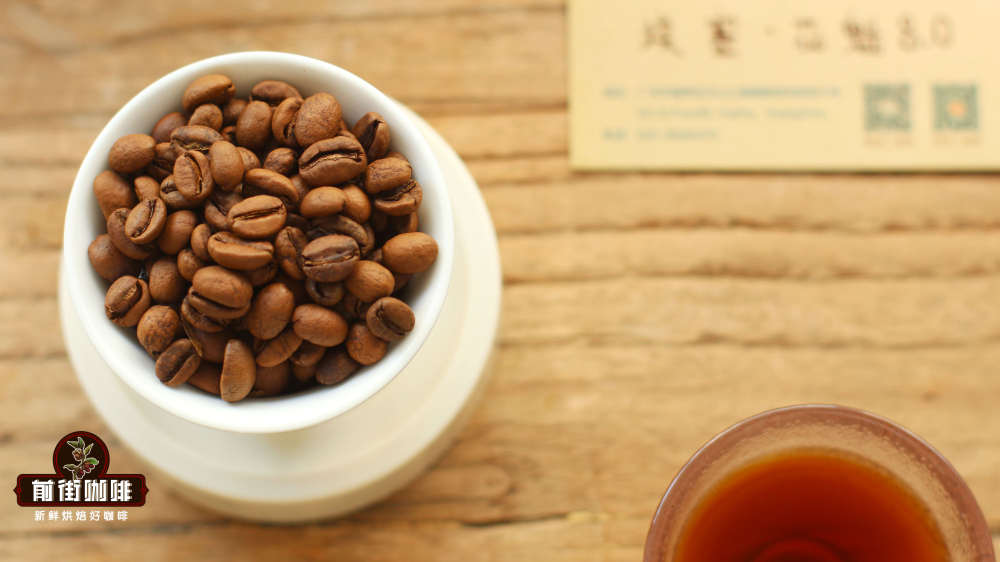
In Ethiopia, coffee is usually named after its growing region, such as Yirgacheffe, Sidamo, or Kafa Forest. However, “Huakui coffee” breaks this convention — it is neither a region name nor a varietal name. So, what exactly is Huakui? Let’s start with the Sidamo region.
Sidamo is located south of Lake Awassa in the East African Rift Valley, on a high-altitude fertile plateau with elevations ranging between 1,500 and 2,200 meters. The climate is mild with abundant rainfall. Due to the high altitude and moderate shade, the coffee here matures slowly, accumulating richer flavor compounds, which result in distinct citrus acidity and a smoothness akin to black tea. Its overall flavor profile exhibits a more tropical fruit richness compared to Yirgacheffe.
Like other Ethiopian coffee regions, Sidamo is primarily operated by smallholder farmers with limited production volumes. Local coffee processing is handled by numerous cooperatives and processing facilities, where farmers deliver their harvested coffee cherries to be centrally processed. The beans are then sold under the name of the processing facility. In recent years, with the rise of the specialty coffee trend, many producers have begun working directly with farmers, strengthening micro-lot management and traceability to further enhance quality.
It’s worth noting that Sidamo was the name of an old province before Ethiopia’s 1995 administrative division adjustment. The local inhabitants are the Sidama people, who have a unique culture and language. After 1995, the region was incorporated into the Southern Nations, Nationalities, and Peoples' Region, and reverted to its original name “Sidama.” However, because Sidamo coffee had already gained international renown and the trademark registration retained the old name Sidamo®, it is still commonly referred to as Sidamo to this day.
Sidamo coffee achieved remarkable scores from the authoritative American coffee review website CR between 2010 and 2012, receiving ratings between 92 and 94, showcasing the exceptional quality of its green beans. The region offers a diverse flavor profile, influenced by soil types, microclimates, native varietals, and complex terrain, leading to significant differences in coffee flavor characteristics. Buyers often select based on region, altitude, and cupping scores rather than a single varietal.
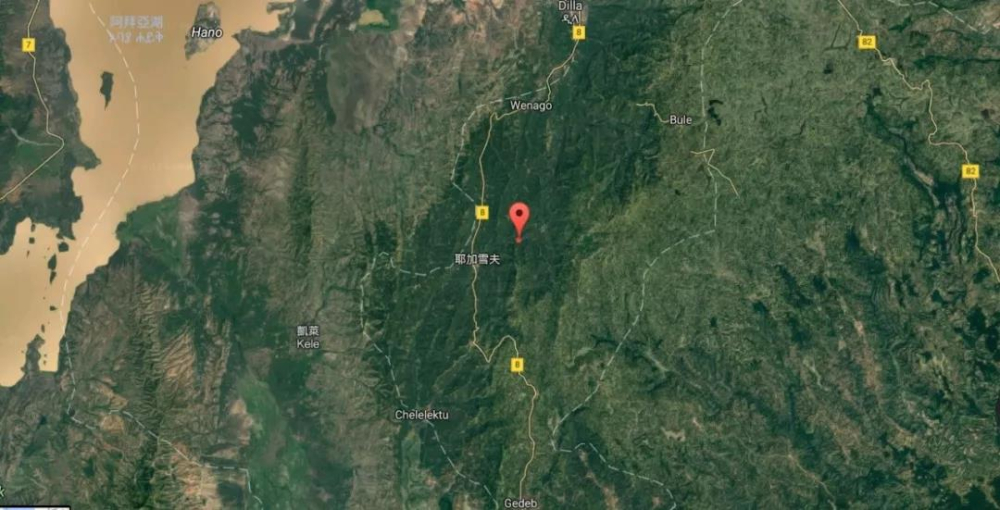
Huakui coffee comes from Hambella in the Guji region, situated at the border between Sidamo and Guji. It is produced by the Buku Abel processing facility and is a premium coffee bean processed using traditional sun-drying methods. In 2017, a sun-dried batch from Hambella, selected and submitted by DW Company for the TOH competition, won the championship. It was subsequently introduced to the market by a Beijing-based trader and named “Huakui,” meaning “the foremost among a hundred flowers,” in honor of its champion status.
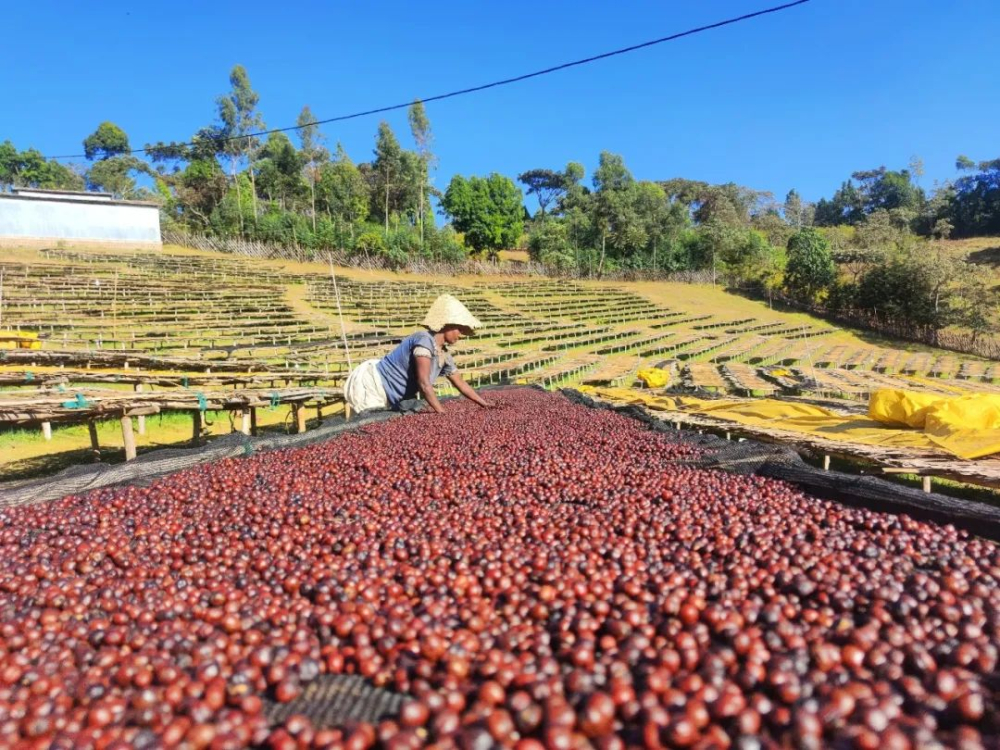
Hambella is located in a high-altitude sub-region, separated from Kochere in Yirgacheffe by a highland plateau at 3,200 meters above sea level. It borders Shakiso, Uraga, and Kercha sub-regions to the east, west, south, and north respectively, making it one of the highest-altitude coffee-growing regions in Ethiopia. Huakui coffee cherries are harvested only when they are fully red and have a sugar content of 30 or above. They are processed using the African raised bed sun-drying method. Farmers provide shade during midday, protect against rain at night, and continuously turn the cherries to ensure even drying. After approximately 18 days, the moisture content of the green beans is reduced to 13% before hulling.
Regarding the naming of “Huakui X.0,” it actually follows an annual progression: 2018 was Huakui 2.0, 2019 saw the release of 3.0 and 3.1, 2020 was 4.0, 2021 was 5.0, 2022 was 6.0, and 2024 is Huakui 8.0. Currently, only the sun-dried batches produced by the Buku Abel processing facility can be considered authentic “Huakui.”
The varietal used in Huakui is Ethiopia’s native Heirloom. These varietals are mostly grown in the backyards of smallholder farmers, with a wide range of types and no fine classification. They may come from neighborhood sharing, land legacy, or cross-regional introduction. Due to the complexity of the varietals, each batch of coffee may differ in bean size and shape, forming a unique “blended-type batch” and contributing to the rich layers of flavor in Huakui.
Ethiopia’s sun-dried processing method is the most traditional and common technique, accounting for over 70% of the country’s coffee processing. The Sidamo region also primarily uses sun-drying, with a relatively simple process: fully red coffee cherries are placed on raised beds to dry for several weeks until the moisture content drops to around 11%, after which the pulp and skin are removed, and the beans are stored until export. This method preserves more fruity and sweet notes, resulting in the bright floral and fruity profile of Huakui.
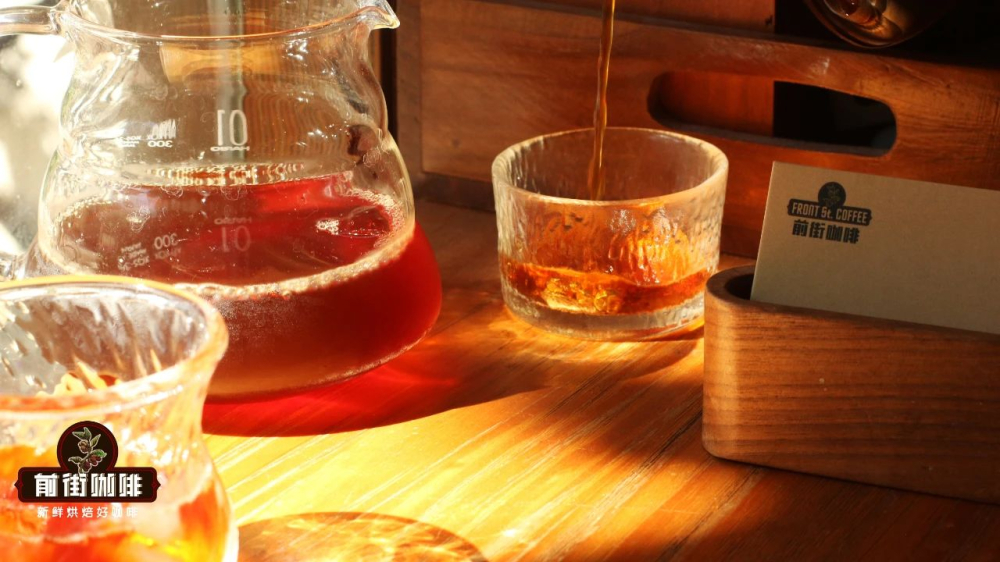
The following are industry-recommended pour-over parameters for sun-dried Huakui, suitable for use with a V60 filter: water temperature 90°C, coffee-to-water ratio 1:15, 15 grams of coffee, grind size passing through a Chinese No. 20 standard sieve at 80% (approximately medium-fine grind). Begin with a 30-second bloom using double the coffee weight in water (30 grams) to release CO₂; then pour in a small circular motion until reaching 125 grams for the first pour, followed by pouring up to 225 grams before stopping. Total extraction time is about 2 minutes. Once dripping from the filter has finished, gently swirl before enjoying.
[Flavor Profile of Huakui 8.0] Prominent floral and fruity aromas, including citrus, passionfruit, strawberry, and oolong tea notes, with a pronounced sweetness and a refreshing, long-lasting aftertaste.
Brewing Recommendation: To fully experience the delicate flavors of Huakui, it is recommended to use freshly roasted coffee beans (ideally within 5 days post-roast), and allow the beans to degas for 4 to 7 days. The flavor is at its best once the off-gassing has stabilized.
The above content is compiled by CoffeeHunters, a coffee news website.


