







Introduction:The French press, with its simple operation and rich flavor, has become the daily go-to choice for many coffee enthusiasts. However, to brew a cup of coffee with balanced flavors and distinct layers, it's essential to master key elements such as grind size, water temperature control, and bean selection. This article delves into the working principle and historical background of the French press, provides grind size recommendations based on roast levels using filter screen sizes and suitable water temperature ranges, and suggests coffee bean varieties that are well-suited for immersion brewing. Finally, using the classic Huakui as an example, it guides you step-by-step to recreate a professional-grade rich coffee experience.
Modern life values taste—even a simple cup of black coffee can reflect a thoughtful approach to living. Walking into a café and ordering a pour over may seem easy and straightforward, but the equipment and techniques involved are anything but casual. If you want to easily enjoy a cup of coffee with clear flavors and rich layers at home, the French press is undoubtedly the most accessible and practical option.
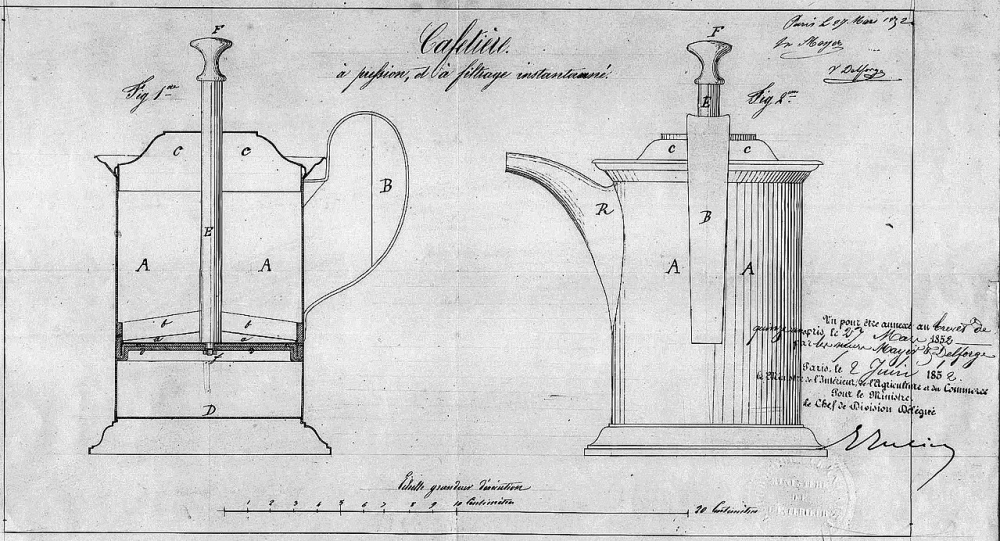
The French press, also known as a French filter press, is known for its intuitive operation and easy maintenance, making it especially popular among busy office workers. The earliest patent record for the French press dates back to the 1850s, proposed by two Frenchmen. The original design included a metal canister, a plunger rod, and two layers of flannel, aiming to filter coffee grounds through the plunger to make the coffee clearer. However, the initial design couldn't fully seal, and after continuous improvements, it wasn't until 1929 when an Italian Milan-based company registered an improved version that the modern French press took shape.
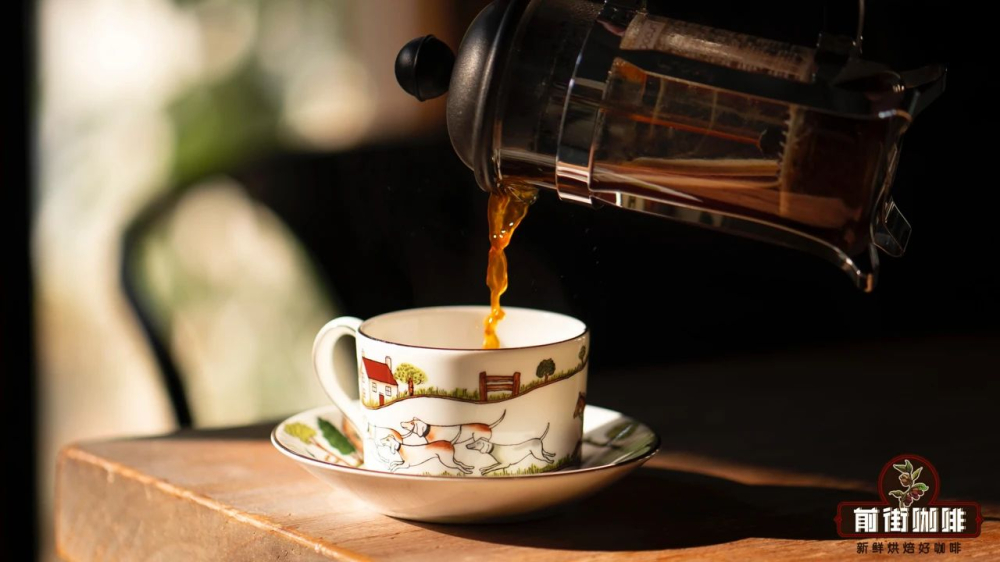
The basic structure of a French press consists of a glass carafe and a metal filter plunger. During brewing, coffee grounds are placed into the carafe, hot water is poured in to evenly soak the grounds, and after about 4 minutes, the plunger is gently pressed down to settle the coffee grounds, allowing the coffee liquid to be poured out. It's worth noting that the filter mesh of a French press has relatively large pores, unlike paper filters that can completely block fine particles, so the coffee liquid retains more micro coffee particles, giving the drink a fuller body and a layer of natural oils.
To achieve high-quality coffee with simple tools, the key lies in the details. Many people find that the flavor at home doesn’t match that of professional cafés, but in fact, by mastering grind size, water temperature, and bean selection, you can significantly improve your brewing performance.
Grind Sizeis one of the core factors affecting extraction efficiency. Our shop uses the professional EK43s grinder, but the blade design and wear level of each grinder vary, so even with the same setting, the actual fineness of the powder may differ. To standardize our recommendations, we use the passage rate through a Chinese standard 20-mesh sieve as a reference: for medium-light roasted beans, a sieve passage rate of about 80% is suggested, while for medium-dark roasted beans, it’s recommended to stay around 75%. If you don’t have a sieve at home, you can also observe the coarseness of the ground coffee—the goal is a texture similar to coarse sugar or sea salt. Avoid going too fine, as it can lead to over-extraction and result in bitterness.
Water Temperature Controlis equally crucial. High temperatures can accelerate flavor release, but if the temperature is too high—especially for medium-dark roasted beans—it can extract excessive large molecular substances, leading to prominent bitterness and burnt notes. Generally speaking,for light roasted beans, it’s recommended to use hot water between 90 to 92°C, which helps bring out delicate floral and fruity acidity; whilefor medium-dark roasted beans, it’s advised to lower the temperature to 86 to 88°Cto avoid over-extraction that produces unpleasant tastes.
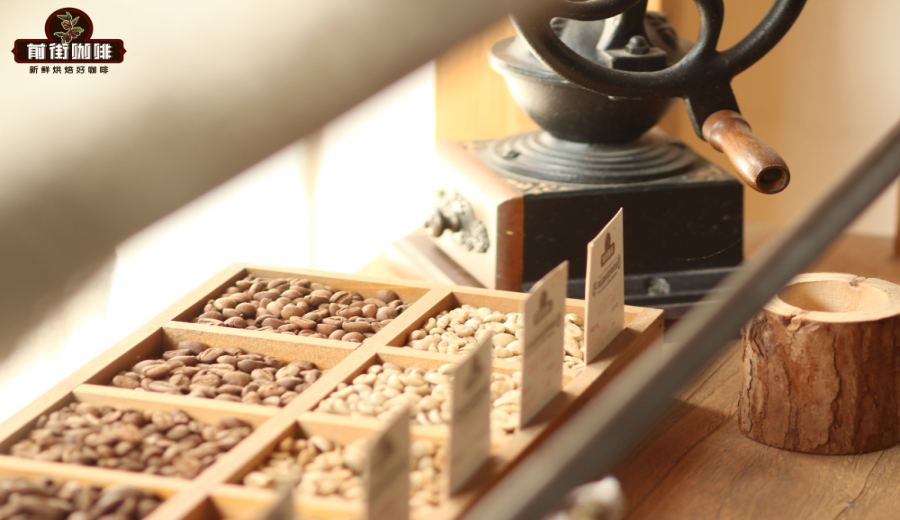
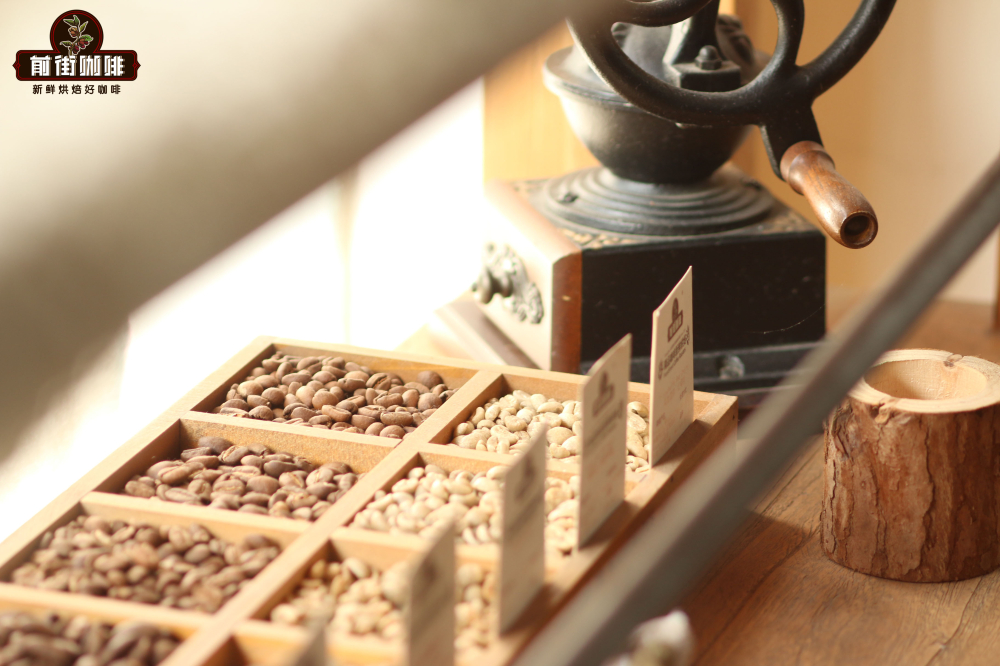
In addition, the French press is an immersion brewing method, different from the drip method of pour over. Its overall flavor profile leans more toward tea-like characteristics, emphasizing stability and layering. Therefore, when selecting beans, it’s recommended to choose those with a distinct flavor profile and clear texture structure. For example, if you prefer a rich, low-acidity flavor, you can opt for PWN Golden Mandheling; if you like sweet tropical fruit notes, honey-processed Strawberry Sugar or Blackberry series are great choices; if you want a coffee that’s refreshing without bitterness, Huakui or Guodingding are top picks—all of these beans generally feature soft floral notes and bright fruit acidity.
The following takes the popular bean variety “Huakui” as an example, providing a complete set of French press practical parameters and step-by-step instructions:
Equipment:French press
Water Temperature:90°C
Coffee Dosage:15 grams
Coffee-to-Water Ratio:1:15 (i.e., 225 grams of water)
Grind Size:Approximately 70% passage rate through a Chinese standard 20-mesh sieve, with a texture similar to coarse sugar
Steps:
1. Preheat the French press to ensure the carafe temperature is stable.
2. Add 15 grams of pre-ground Huakui coffee.
3. Pour in 225 grams of 90°C hot water, evenly saturating the coffee grounds.
4. Put the lid on but do not press down yet; let it steep for about 4 minutes.
5. Gently and slowly press down the plunger, avoiding disturbing the settled coffee grounds.
6. Pour out the coffee liquid, trying to avoid any residue mixing in.
Following the above process to brew Huakui results in a cup that delivers a bright sweetness of mixed berries upon entry, with a lingering creamy aroma in the aftertaste. The overall mouthfeel is full and layered. This Huakui, originating from the Guji Hambela region in Ethiopia’s Sidamo, won the local TOH Natural category championship in 2017 and is renowned for its intense strawberry and creamy profile. After being introduced to China, it has become a frequent contender in various coffee competitions and is deeply loved by coffee enthusiasts. To this day, it remains one of the classic beans that many connoisseurs eagerly await each year.
The above content is compiled by CoffeeHunters, a coffee news website.


