







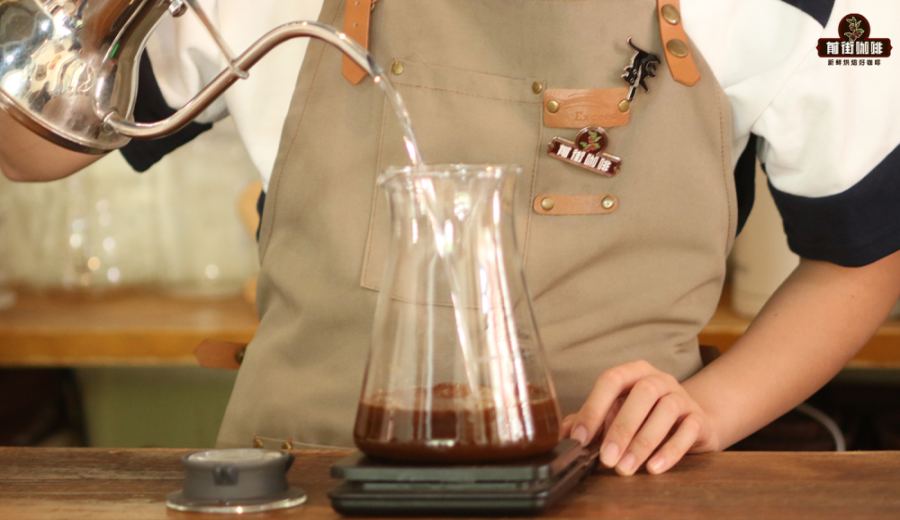
Introduction:Known for its low bitterness and sweet profile, cold drip coffee has become a popular home brewing challenge for many coffee enthusiasts in recent years. However, details such as bean selection, grind size, and drip rate, if not well controlled, can easily affect the flavor. This article delves into the differences between cold drip and cold brew, explores the principles of low-temperature extraction, and recommends several fruit-forward beans suitable for cold drip. It also provides a comprehensive practical guide—from equipment setup, grind size, coffee-to-water ratio to drip rate control—to help you easily brew layered and flavorful cold drip coffee at home.
Cold drip coffee has gained popularity in recent years, becoming a top choice for many coffee lovers due to its sweet, rich taste and noticeably lower bitterness. However, with numerous variables such as bean selection, grind coarseness, dripping speed, and coffee-to-water ratio, many people often don’t know where to start. This article will begin with basic concepts, explain the fundamental differences between cold drip and cold brew, help you understand how low-temperature extraction creates its unique refreshing taste, and highlight several beans with distinct flavors that are well-suited for cold drip extraction. Finally, it will break down each key step of the cold drip process, allowing you to easily master the art of brewing clean, layered cold drip coffee at home.
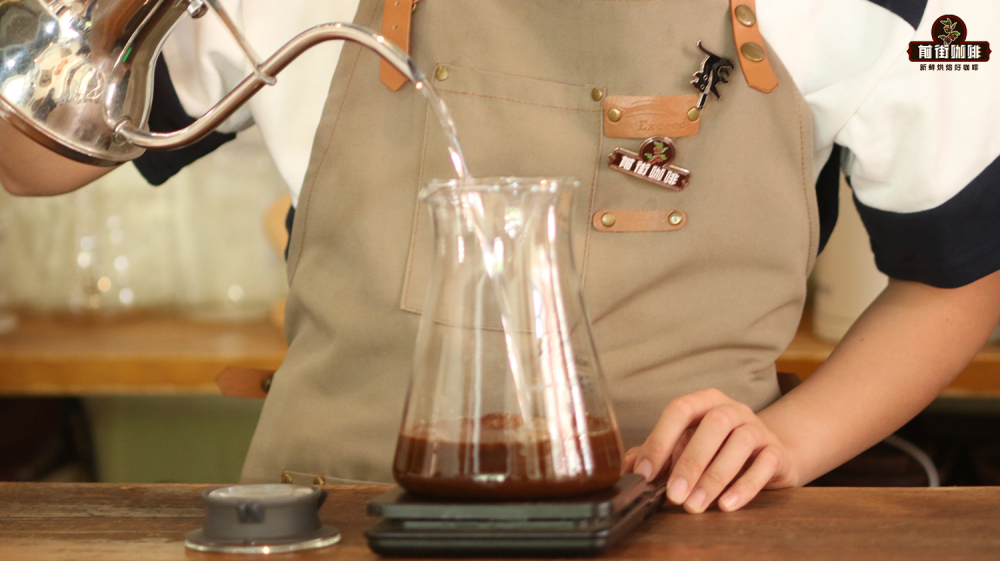
First, although both cold drip and common cold brew are forms of low-temperature extraction, their methods are vastly different. Cold brew involves steeping coffee grounds in cold or room-temperature water, then placing the mixture in a low-temperature environment such as a refrigerator for several hours to extract flavors. The equipment required is simple—just a sealed container is enough. In contrast, cold drip coffee involves slowly passing ice water drop by drop through a bed of coffee grounds for continuous extraction. The entire process usually takes 6 to 8 hours, and after dripping, the coffee must be refrigerated overnight to allow the flavors to meld further. To achieve a rich, full-bodied, and clear flavor profile, beans with prominent aromatic characteristics are often prioritized, which also makes the cost relatively higher.
During the roasting process, coffee beans produce some high-molecular-weight compounds that often carry a noticeable bitterness. When brewed with hot water, the extraction rate of these high-molecular bitter substances increases significantly, leading to a stronger bitter taste. In contrast, low-temperature extraction, due to the lower water temperature, makes it harder for bitter components to dissolve. Instead, other flavor compounds such as sweetness and fruit acidity are released more slowly and steadily, resulting in a final product that often has a more pronounced sweetness and significantly reduced bitterness.
Among the many types of coffee beans, floral and fruity profiles—due to their lighter roast levels and less pronounced bitterness—offer a refreshing and layered taste that matches the low-temperature extraction characteristics of cold drip best. If you prefer a fresh floral note, consider beans with sunny processing that offer vibrant fruitiness, such as Hua Kui, or washed-process beans like Hua Hu Die that deliver a clean profile. Strawberry candy-flavored beans can also bring a sweet yet not cloying surprise. For those who enjoy intense fruitiness or even unique fermented notes, Mozart and Xi Zhua beans can add more complex flavor layers to your cold drip.
After tasting the unique flavor of cold drip coffee, many people purchase cold drip brewers and are eager to try it, but often encounter various questions during actual use. Below, based on the standard process used in actual shop production, we’ll explain the key points of making cold drip coffee step by step and answer common questions.
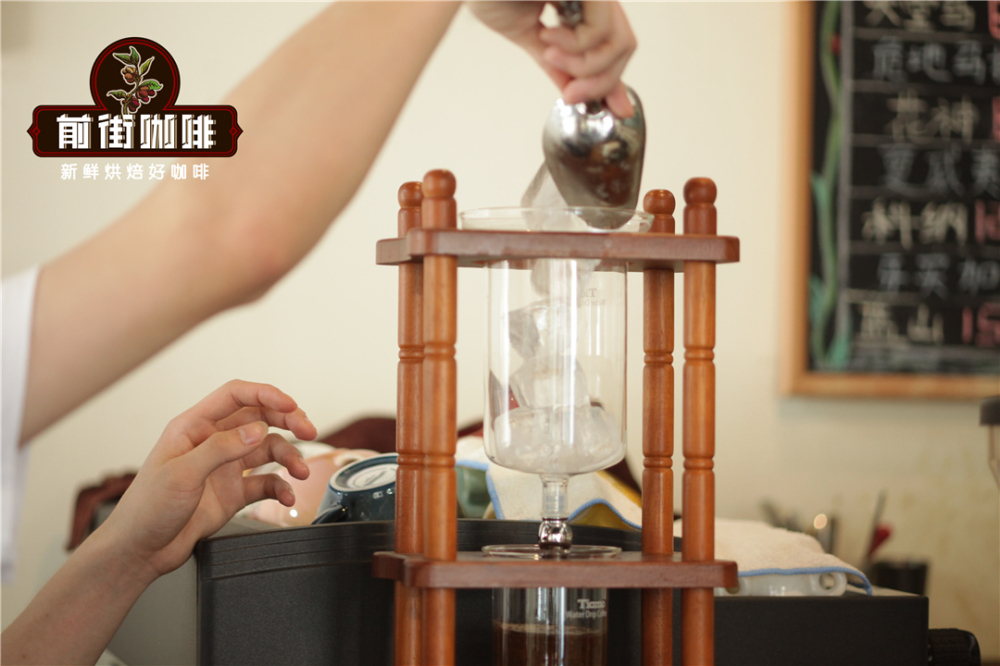
Although cold drip brewers on the market come in a wide variety of styles, their basic structure can generally be divided into three main parts: the top chamber holds the ice-water mixture and is usually equipped with a valve to adjust the dripping speed; the middle filter holds the coffee grounds; and the bottom part is the drip chamber that collects the extracted liquid. Taking the commonly seen Tiamo HG2713 model in some stores as an example, it also includes a circular glass guide tube that helps distribute the drips evenly. When purchasing, you can choose a suitable model based on your budget and needs.
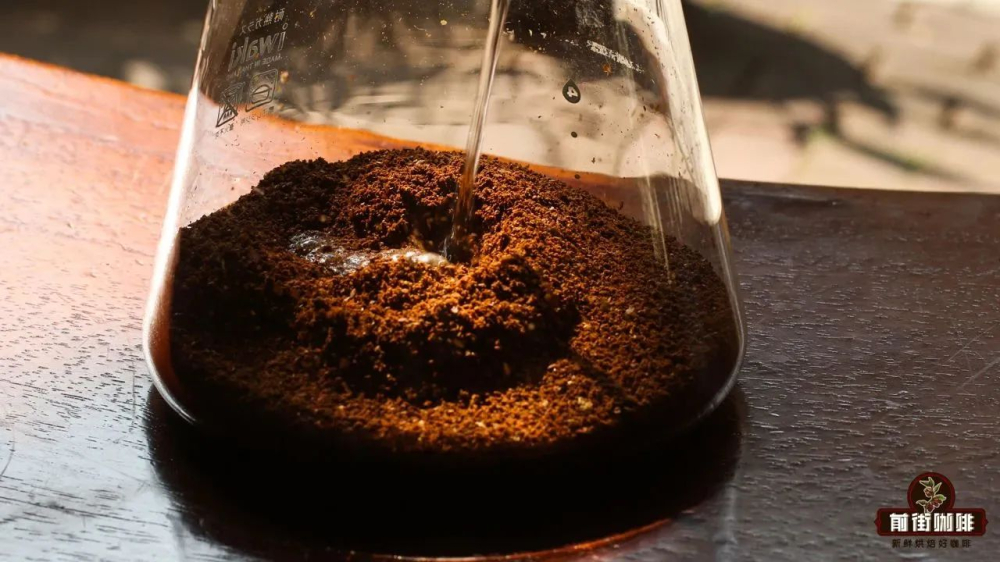
Regarding grind size, practical experience shows that controlling the grind to an 80–85% passing rate through a Chinese No. 20 standard sieve—or setting the grinder to approximately level 10—is the best choice to balance flavor and flow rate. If ground too coarse, the coffee flavor may turn thin; conversely, if ground too fine, it can not only lead to poor water flow but may also cause over-extraction and bitterness due to prolonged contact. Taking the Kenya Little Tomato beans used in this demonstration as an example, since the extraction speed is inherently slower in a low-temperature environment, it’s recommended to grind slightly finer than for regular pour over. The actual passing rate is adjusted to 85%, which helps fully release the flavors.
Drip rate is another important parameter affecting flavor. Similar to pour over, cold drip also requires controlling the number of drips per second. It is generally recommended to maintain a rhythm of 7 drops per 10 seconds. This speed allows for proper extraction within a reasonable time and avoids over-extraction that could lead to flavor imbalance. Of course, slight adjustments can be made based on personal taste preferences.
As for the coffee-to-water ratio, a 1:10 ratio is recommended. This ensures sufficient extraction strength, especially if you plan to dilute with ice cubes later, helping to maintain the overall flavor intensity. For straight drinking, the ratio can be extended to 1:12. Using 60 grams of coffee beans as an example, first place the coffee powder into the filter, lay a round filter paper at the bottom, then evenly pour in the coffee powder, and finally cover with another filter paper. This helps ensure even water filtration, shortens the dripping time, and prevents localized over-extraction or uneven extraction.
In the preparation stage, fill the top chamber with a mixture of ice and water, with a recommended ratio of 1:1. The goal is to extract about 600 grams of coffee liquid. After the dripping is complete, it’s recommended to pour the coffee liquid into a sealed container and refrigerate for at least 12 hours to allow the flavors to further integrate. The next day, take it out and add ice cubes according to your preference to enjoy a refreshing and layered cold drip coffee.
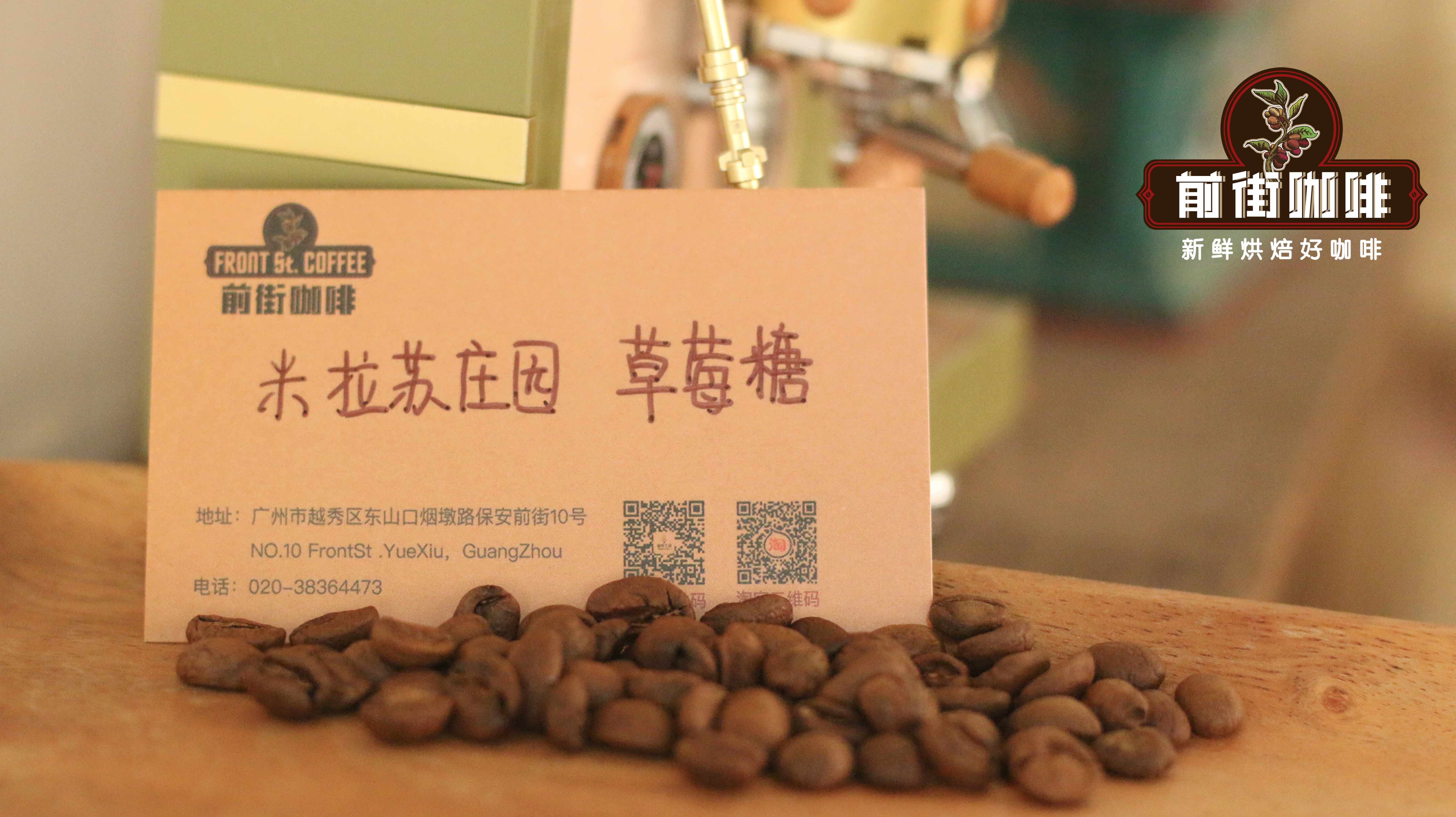
Through the above steps, the final cold drip coffee—such as one made from strawberry candy-flavored beans—often exhibits a subtle pink floral aroma. Upon tasting, you can perceive the natural sweetness reminiscent of dried fruits and fruit candy, with a lingering hint of black tea in the aftertaste. Overall, the flavor is refreshing and memorable.
The above content is compiled by CoffeeHunters, a coffee news website.


