







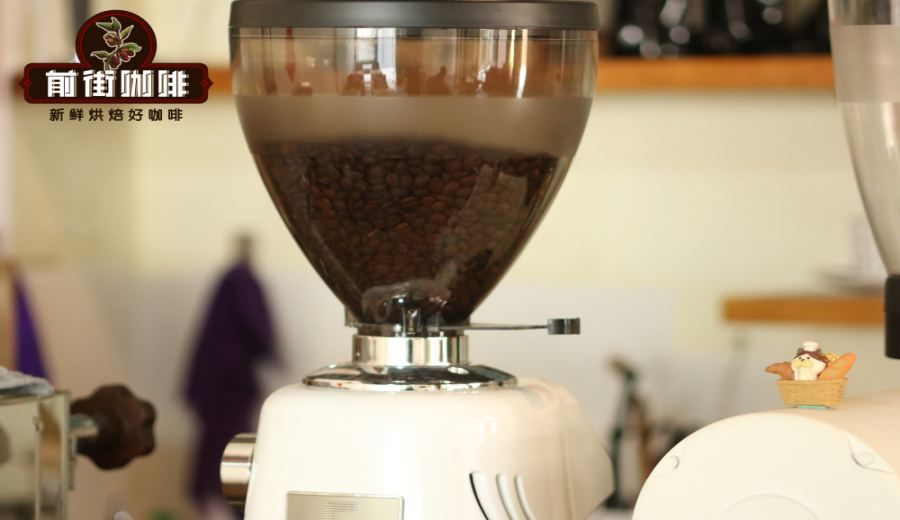
Introduction:SOE (Single Origin Espresso) has become a hot topic in the specialty coffee community in recent years, with many customers asking as soon as they walk in, "Do you have SOE?" This article delves into the definition of SOE, explores its differences from traditional blends, discusses why espresso beans require dedicated roast profiles, and provides practical extraction parameters, ideal ratios for Americano and latte, as well as key freshness and roast level indicators to look for when purchasing—helping you find the SOE that best suits your taste.
In recent years, more and more coffee shops have started labeling “SOE” on their menus, and it’s common for customers to walk in and ask right away, “Do you have SOE?” SOE stands for Single Origin Espresso, which refers to espresso made using beans from a single origin, as opposed to the familiar blended beans. This SOE trend is not just a refresh of marketing terminology but also reflects a shift in consumer pursuit of coffee flavor—from the traditional bold, bitter, and intense profiles toward more nuanced and distinctive taste experiences.
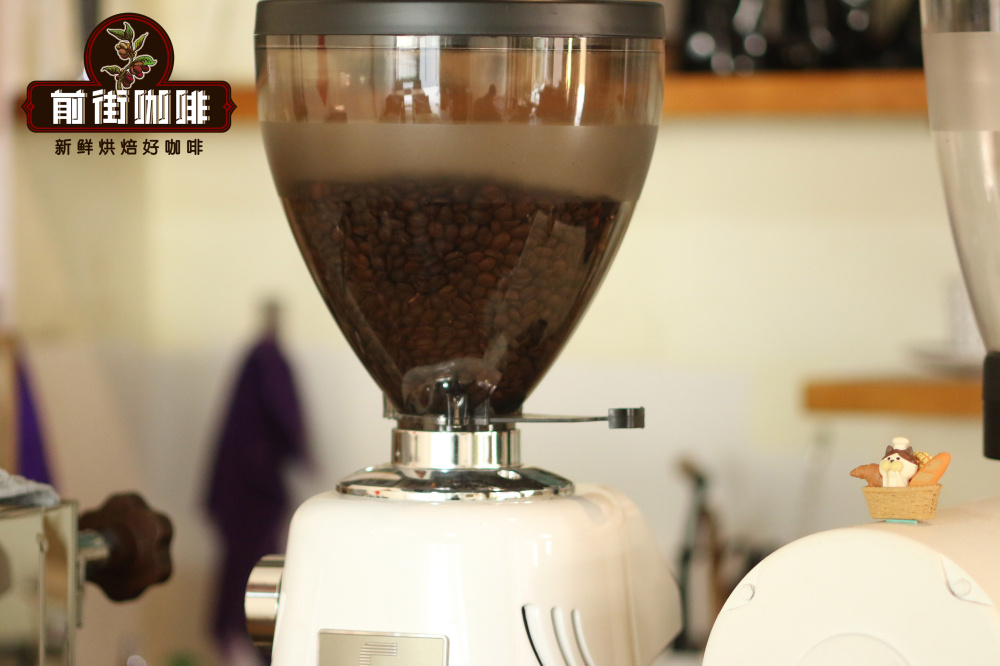
Looking back over the past two or three years, many cafés have successively introduced SOE products, and it’s common to see customers asking upon entering if the shop offers SOE. In fact, the rise of SOE represents more than just a change in terminology—it signifies a transformation in espresso culture. In the past, espresso was often perceived as strong, smoky, and rich in crema, with some even believing that “espresso beans aren’t authentic unless they produce oil.” This flavor profile was often the result of using a high proportion of Robusta beans to enhance body, combined with very dark roasts, leading to an overall taste that leaned toward bitterness.
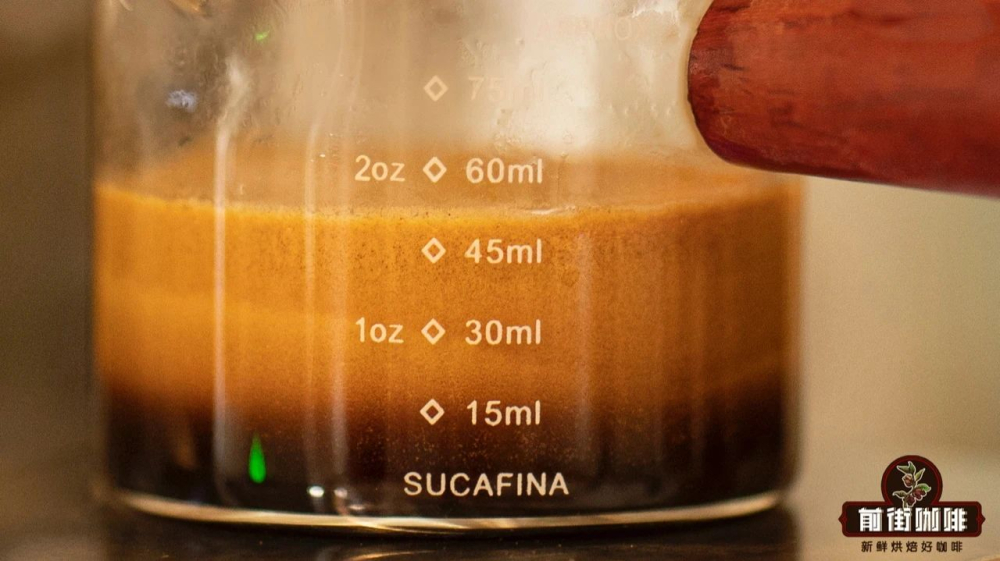
Traditional blends, while advantageous in terms of stability and cost control, often sacrificed flavor subtlety to cater to the mass market. Over time, this led to a stereotype of espresso among consumers as “heavy and bitter.” The emergence of SOE aims to break this preconception and allow consumers to rediscover the diverse possibilities of espresso.
In fact, flavored blends are not unheard of, but changing consumers’ established perceptions in the market is not easy. In contrast, single-origin beans have long been popular in the pour over scene for their “distinctive flavors,” and extending these characteristics to espresso is undoubtedly a smoother path for promotion. Therefore, the popularity of SOE is, to some extent, a result of natural market selection.
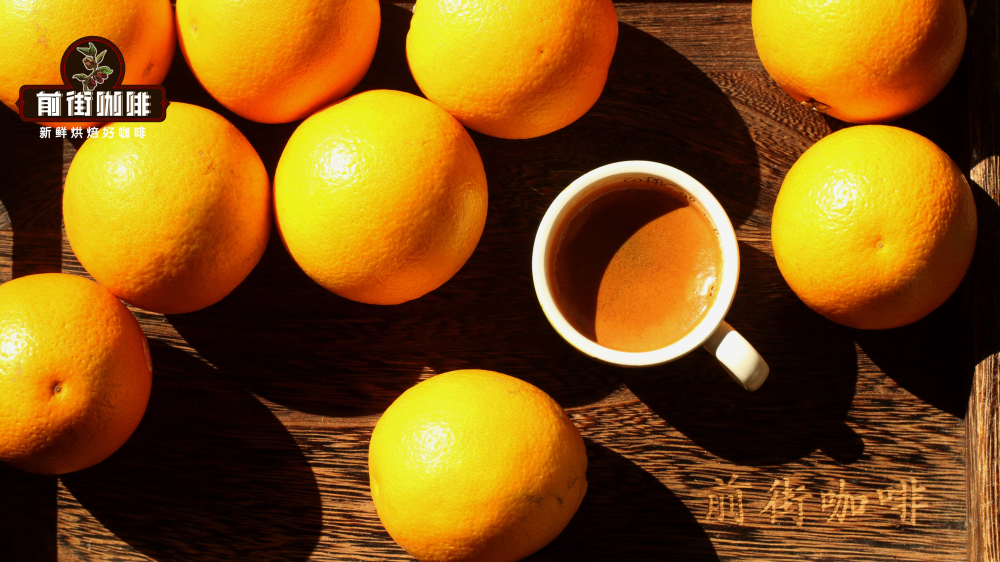
Earlier this year, a well-known chain brand launched an SOE based on the Hua Kui bean, instantly making the term a trending topic. For café owners, offering higher-quality SOE not only enhances brand image but also gradually changes consumers’ perception of espresso through ongoing interaction. For consumers, there’s no need to deeply understand the definition of SOE—just tasting an espresso that’s noticeably better than before and learning it’s made from single-origin beans is enough to leave a lasting impression.
Additionally, a common sales strategy in the market is “charging a premium to replace regular blends with SOE,” and this pricing design also psychologically reinforces the impression that “SOE is more premium and of higher quality.” However, it’s worth noting that not all single-origin beans are suitable for direct use in espresso. Truly qualified SOE beans often undergo specially adjusted roast profiles to meet the extraction needs of espresso machines.
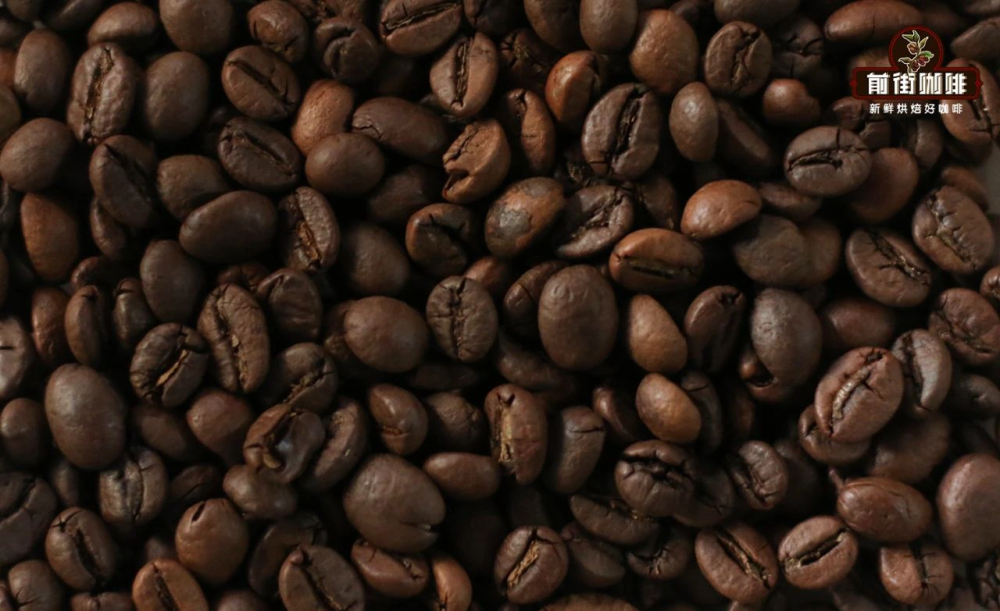
If you’ve ever tried at home to use a commercially available “floral or fruity” single-origin bean to pull an espresso, only to encounter issues like machine splattering or an overly sour and undrinkable shot, don’t rush to blame your equipment or technique. The likely reason is—this bean’s roast level is simply not suitable for espresso!
Based on practical experience, choosing a coffee bean suitable for SOE extraction not only allows you to easily pull a balanced and flavorful shot, but also makes it easier to prepare Americanos or lattes by adding water or milk afterward. Some brands have already introduced SOE versions specifically roasted for espresso, such as Hua Kui with distinct strawberry notes or Konga showcasing the classic Yirgacheffe profile. When purchasing, be sure to check whether it’s labeled as “espresso roast.”
On the hardware side, commercial-grade machines like the Lelit Bianca can adjust pressure up to 11 bar, but a typical home machine only needs to reach 9 bar to meet basic extraction and milk frothing needs. Paired with a professional espresso grinder, you can replicate café-quality SOE flavors at home.
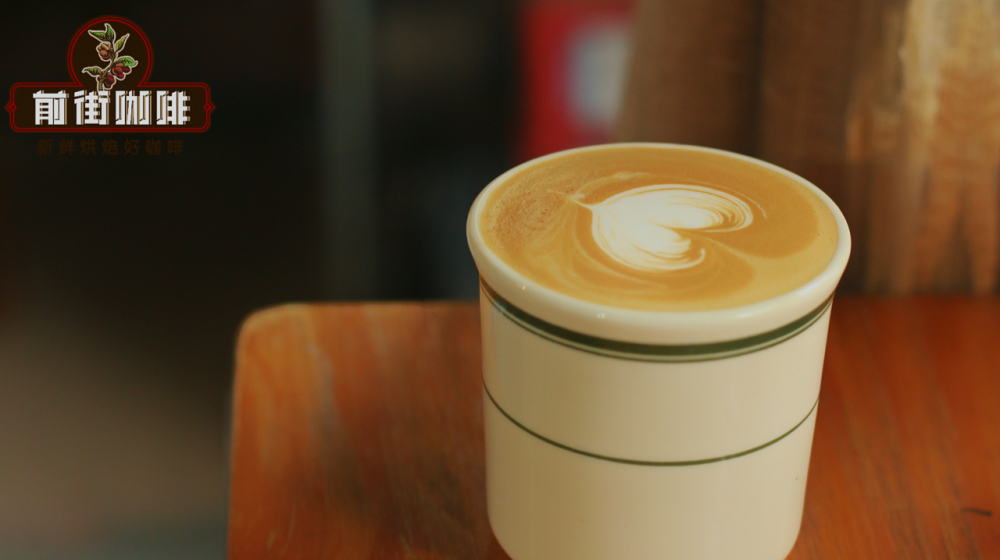
Below is a set of tested extraction parameters for reference:
• Coffee bean: Natural Hua Kui SOE
• Coffee dose: 20g
• Yield: 40g
• Ratio: 1:2
• Extraction time: 26–33 seconds
• Grind setting: Galileo 2.0
In practice, it’s recommended to use a double-shot basket (capacity around 18–20g), accurately weigh out 20g of coffee, distribute the grounds evenly using a distribution tool, then tamp firmly to ensure extraction stability. Next, turn on the machine to pre-wet the portafilter and clean residual grounds, lock the portafilter in place, and start extraction. When the scale shows 40g of yield and the time is between 28–33 seconds, you’ll have a brightly flavored SOE shot.
Specifically, first thoroughly dry the portafilter, grind and weigh 20g of coffee, distribute the grounds evenly with a distribution tool, tamp to ensure stability, then start the machine to wet the group head and remove old grounds. Lock in the portafilter and begin extraction. When the scale reads 40g and the time is between 28–33 seconds, you’re done—enjoy a vibrant SOE espresso.
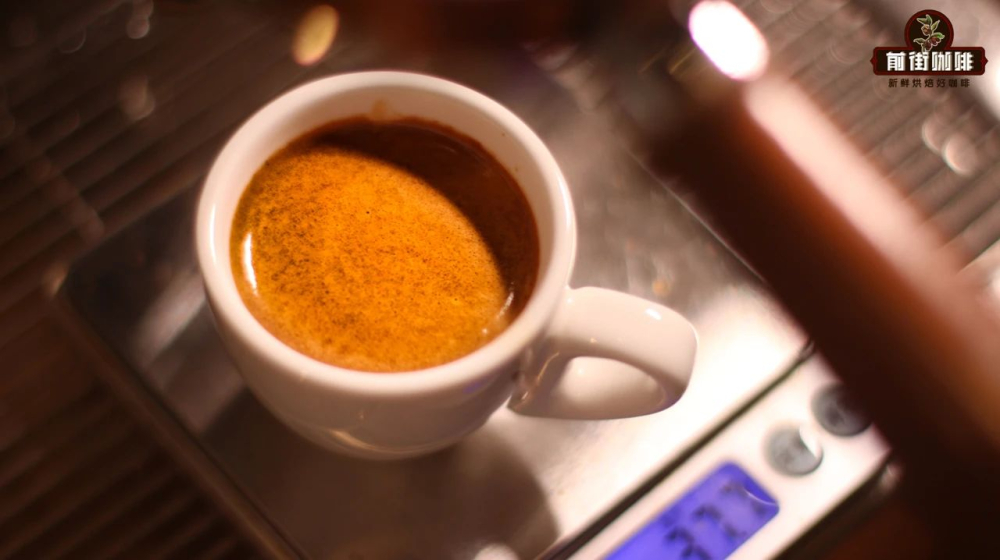
For variations, you can add cold water or 80°C hot water to create a refreshing Yirgacheffe SOE Americano. For a hot latte, use a 1:6 coffee-to-milk ratio: pour 40g of espresso into a preheated cup, steam 240g of milk to 50–65°C with a fine, medium-thick microfoam using the steam wand, then combine with the espresso. This latte delivers a distinct lemon cookie aroma, with a rich and smooth mouthfeel—perfect for autumn and winter.
Finally, remember that no matter the extraction method, freshness is key to flavor. Coffee beans roasted over a month ago tend to lose aroma and may develop unpleasant woody notes. To enjoy coffee at its best, choose beans roasted within 5 days before shipping and consume them as soon as possible to fully experience the unique charm of SOE.
The above content is compiled by CoffeeHunters, a coffee news website.


