







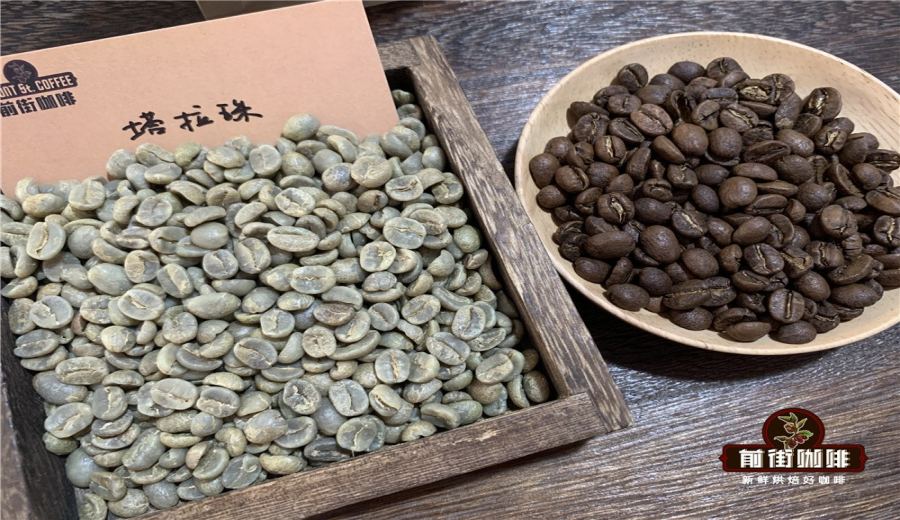
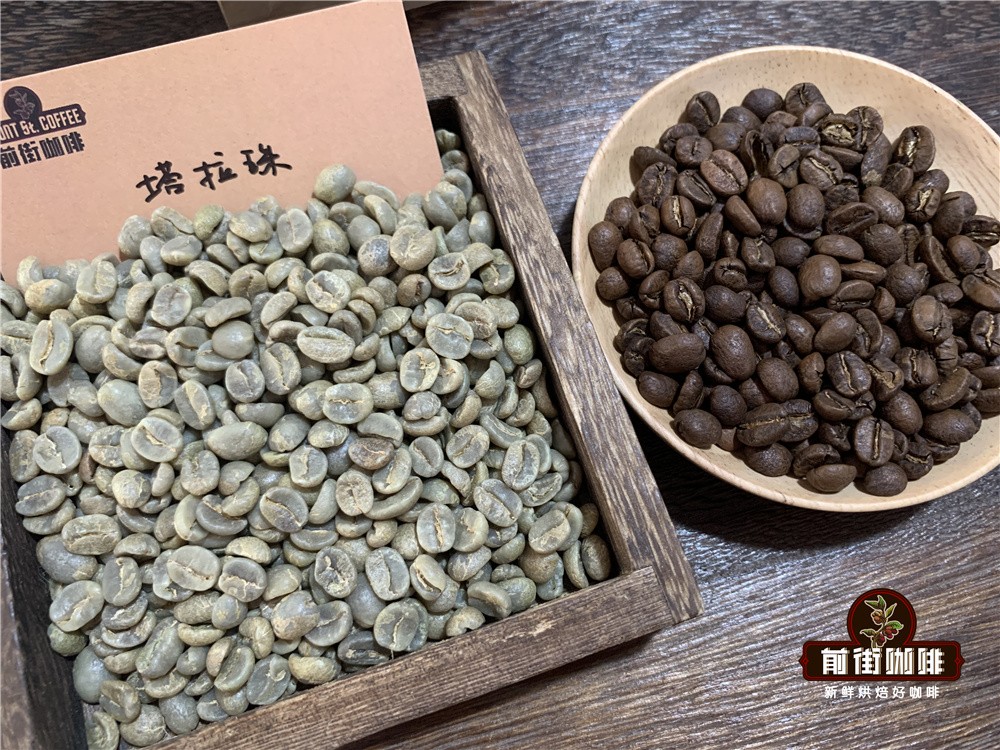
Introduction:Want to explore the unique charm of Costa Rican Tarrazú coffee? This article provides an in-depth analysis of the geographical conditions, major coffee varieties, and processing methods of this renowned producing region. It also offers practical pour over recommendations, including key parameters such as water temperature, coffee-to-water ratio, and grind size, helping you brew a Tarrazú coffee with bright acidity and balanced flavor at home.
Tarrazú is one of Costa Rica’s most famous coffee-producing regions, known worldwide for its Arabica coffee that boasts bright acidity, clean taste, and high-quality texture. The coffee from this region not only consistently performs well in international competitions but also owes its distinctive flavor profile to the area’s exceptional geographical and climatic conditions. This article will give you a comprehensive understanding of the Tarrazú region, analyzing its main coffee varieties, common processing methods, and providing a set of practical pour over parameters so you can easily master the secrets to brewing this classic coffee.
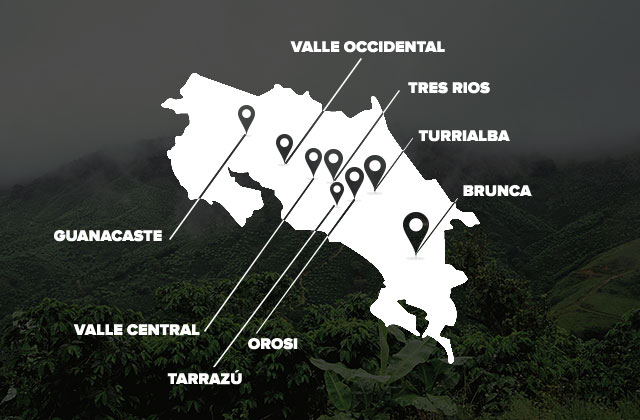
Costa Rica is divided into eight major coffee-growing regions, and Tarrazú is one of them. Located southeast of the capital, San José, it is renowned for producing SHB (Strictly Hard Bean) grade coffee of high quality. According to data from local agricultural authorities, the elevation in the Tarrazú region generally ranges between 1,200 and 1,900 meters, with areas above 1,500 meters being the most representative, capable of yielding coffee with vibrant acidity, layered complexity, and a long-lasting finish.
Notably, Costa Rica’s nationwide quality control policy mandates that coffee farms across the country may only harvest fully ripe coffee cherries and is committed to raising the overall standard of coffee in the region. This explains why Robusta is almost non-existent in Costa Rica, with the majority of plantings being Arabica. In Tarrazú, this high-standard farming requirement is even more stringent, ensuring that every coffee bean produced has immense potential for high quality.
Locally, Tarrazú is also referred to as 'Los Santos' because many towns in the region are named after saints, and the mountainous terrain features winding roads with farms predominantly situated along hillsides. The area is not only scenically magnificent but also fosters diverse microclimates. These variations in topography and altitude mean that even within the same region, Tarrazú coffee can exhibit subtle yet distinctive flavor differences.
In terms of varieties, the main coffee cultivars grown in the Tarrazú region are Caturra and Catuai. Caturra is a natural mutation of the Bourbon variety, characterized by its relatively short tree height and fruit-forward flavor profile, often showcasing bright berry acidity and floral notes. Catuai, a hybrid of Caturra and Mundo Novo, is similarly compact in stature but more disease-resistant, with a more stable and focused flavor profile that highlights nutty and caramel tones. The combination of these two varieties results in a Tarrazú coffee that achieves a harmonious balance between sweetness and acidity, along with a well-rounded mouthfeel.
In terms of processing, Tarrazú coffee is mostly processed using the washed method, which effectively highlights the coffee’s cleanliness and bright acidity while preserving delicate fruity aromas and sweetness. The washed process involves removing the pulp first, then fermenting and washing to remove the mucilage, followed by drying. These steps have a significant impact on the clarity of the final flavor. Typically, Tarrazú washed coffee, when roasted to the appropriate degree, can showcase layers of citrus, sweet orange, honey, and soft nuts.
If you’d like to brew a cup of Tarrazú coffee at home, the following extraction parameters—proven effective through testing—are recommended: use a V60 dripper, with around 15 grams of coffee, a coffee-to-water ratio of 1:15, a water temperature of approximately 91°C, and a grind size where about 80% of the grounds pass through a Chinese No. 20 standard sieve, equivalent to a medium-fine grind. This combination can fully bring out the bright acidity and rich layers of Tarrazú coffee without sacrificing its full-bodied base notes.
The suggested pour over procedure is as follows: start by pouring 30 grams of hot water for a 30-second bloom to activate the release of aromatic compounds from the coffee grounds; then continue pouring in small circular motions until you reach 125 grams for the first pour, wait for the water level to slightly drop, then pour until you reach a total of 225 grams. Finally, remove the dripper just before the water level exposes the coffee bed. Keeping the total extraction time around 2 minutes will yield the best balance of flavor and mouthfeel.
In summary, Tarrazú coffee is highly acclaimed for its bright acidity, clear fruity aromas, and elegant sweetness, making it one of the classic regions beloved by many coffee enthusiasts. By understanding the characteristics of the region, the coffee varieties, and applying suitable pour over parameters, you too can easily enjoy the pure, high-mountain coffee flavors of Costa Rica in the comfort of your home.
The above content is compiled by CoffeeHunters, a coffee news website.


