








Introduction:Colombia is a globally renowned Arabica coffee-producing country, with a coffee culture that blends history, geography, and varietal characteristics. This article begins with the historical development of Colombian coffee, analyzing the transformation opportunities after the Thousand Days' War and the background of the establishment of FNC. It takes you deep into the unique terroir and flavor profile of the Huila region, and focuses on the highly anticipated Sidra variety, detailing its varietal origins, processing methods, and diverse brewing techniques such as pour over and cold brew. It provides a comprehensive guide from regional knowledge to practical operation.
Colombia is not only an important coffee-producing country in Central and South America but also one of the world’s major exporters of Arabica coffee, second only to Brazil. As early as the early 18th century, Spanish Jesuit missionaries brought coffee seeds to this land. According to records, a missionary named José Gumilla documented coffee plantations he observed along the Orinoco River in 1730, indicating that coffee cultivation in Colombia dates back to before the 18th century.
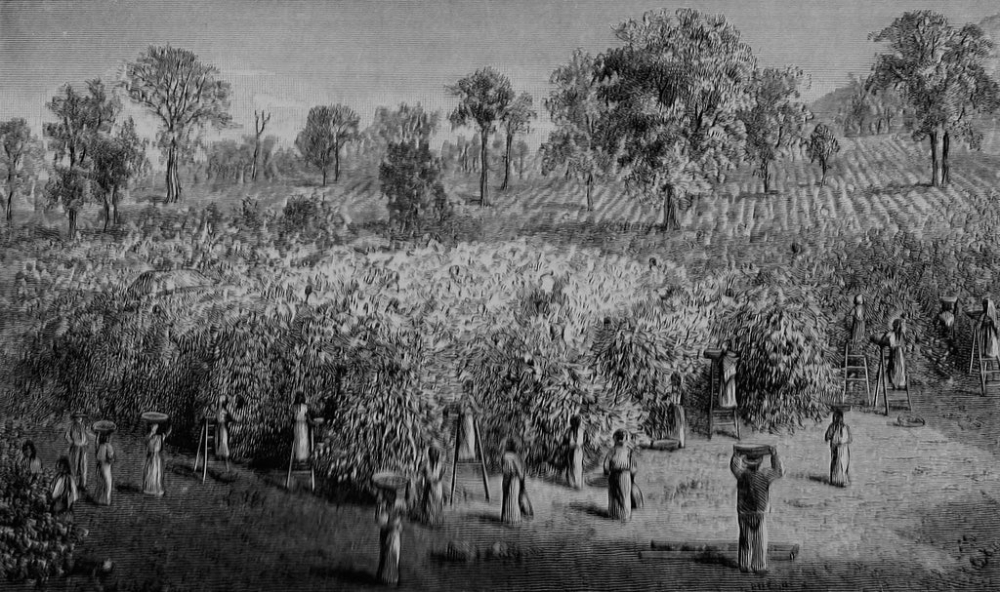
Over time, coffee became a significant source of foreign exchange for Colombia by the late 19th century. However, the Thousand Days' War, which broke out between 1899 and 1902, severely damaged the national economy, with many large coffee farms abandoned due to the conflict. To revive the industry, the Colombian government redistributed these lands to landless farmers, encouraging them to grow coffee on small-scale farms, thereby laying the foundation for the later smallholder-dominated production structure.

Due to the high resilience of the smallholder farming model in the face of international market fluctuations, Colombian coffee gradually gained prominence in the global market. However, in its early stages, Colombian coffee had not yet established a strong international brand image. To integrate resources and enhance competitiveness, an initial management organization was formed by coffee producers in 1904, and FNC (Federación Nacional de Cafeteros de Colombia, the Colombian National Federation of Coffee Growers) was officially established in 1927. It is dedicated to safeguarding the interests of coffee farmers, setting quality standards, and implementing marketing strategies, successfully establishing Colombia as the world’s third-largest coffee exporter.
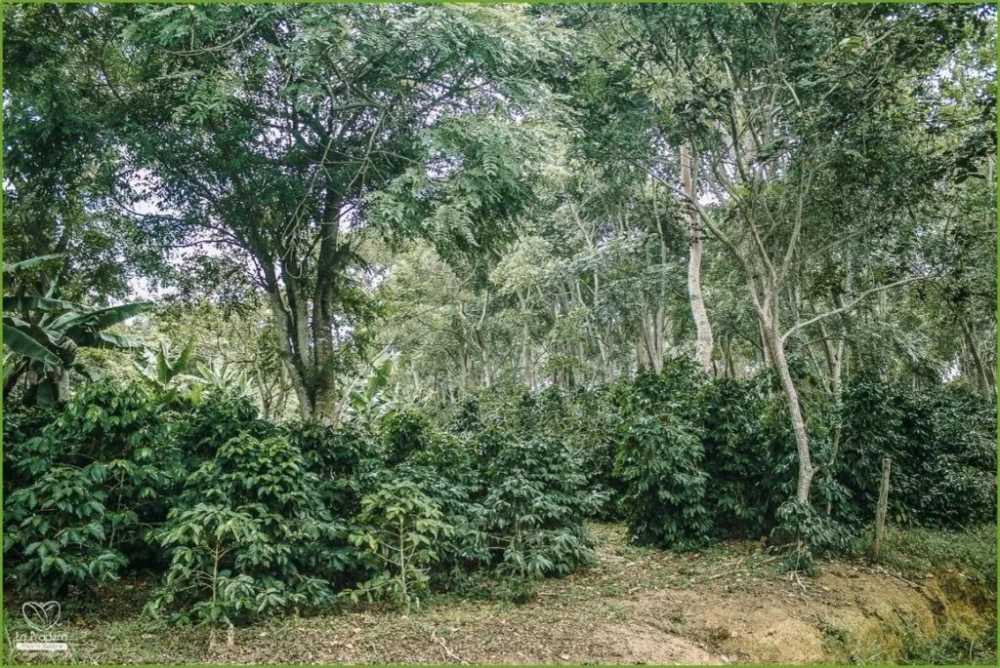
Among the many producing regions, Huila stands out for its exceptional geographical conditions. Located in the southern section of the Central Cordillera in southern Colombia, Huila Province not only enjoys an altitude exceeding 1,500 meters but also benefits from volcanic soil rich in minerals, left behind by a volcanic eruption in 2008. This provides an excellent nutrient base for coffee cultivation. The area is also a convergence point for important rivers in Colombia, with abundant water resources, coupled with diverse microclimates, contributing to the unique regional character of Huila coffee.
In recent years, the specialty coffee trend has prompted the region to gradually move away from the traditional grading system based on bean size, instead emphasizing the concepts of micro-region and micro-lot (Micro-lot). Multiple smallholders consolidate their harvests for sale, and premium batches are selected through meticulous cupping. This approach not only improves consistency in quality but also allows consumers to enjoy more nuanced, terroir-driven coffee.
Coffee from the Huila region is primarily processed using the washed method, and after medium-to-dark roasting, it exhibits balanced body, rich layers, and complexity. It is suitable for various brewing methods such as pour over, drip bags, French press, moka pot, and espresso. Its flavor profile often features distinct nuttiness, caramel sweetness, and soft acidity. Compared to the general impression of Colombian coffee as “balanced and smooth,” Huila’s offerings possess greater layering and micro-regional individuality.
Among the many micro-lots in Huila, the Sidra variety has garnered significant attention in recent years. Its name in Spanish means “apple juice” or “cider,” hinting at its flavor characteristics. Sidra is generally considered a natural hybrid of Typica and Red Bourbon, combining the sweet fruitiness of Bourbon with the clarity and structure of Typica. It often presents rich fruity aromas, bright acidity, and a well-balanced sweetness.
A certain coffee brand uses Sidra processed via double anaerobic natural sun-drying, a method that enhances fruity aroma and fermentation complexity. When brewed using pour over, it releases intense tropical fruit aromas with harmonious acidity and sweetness, and a long-lasting finish without excessive bitterness. Whether hot poured, iced poured, or cold brewed, Sidra showcases its unique berry, citrus, and caramel notes, making it a must-try variety for coffee lovers who enjoy fruity flavors.
If you’d like to try making cold brew with Sidra at home, here’s a simple method: Prepare 50 grams of coffee beans. It is recommended to use an Ek43 grinder set to 9 (approximately 85% passing rate through a #20 sieve, close to the coarseness of fine sugar). Mix the coffee grounds with 500 milliliters of room-temperature water at a 1:10 coffee-to-water ratio in a sealed container. Stir well, seal, and let it sit in the refrigerator for 12 hours. After the time is up, filter out the coffee grounds with paper filters, and enjoy a cold brew that is refreshing in flavor with a pronounced sweetness.
By gaining a deeper understanding of the historical context of Colombian coffee, the terroir of the Huila region, and the unique charm of the Sidra variety, you can not only experience more nuanced flavor details while tasting but also adjust brewing parameters according to different methods, embarking on your own journey of exploring coffee flavors.
The above content is compiled by CoffeeHunters, a coffee news website.


