







Introduction:When brewing pour over coffee at home, the choice of filter paper directly impacts the flavor and mouthfeel of the coffee. This article details the differences between bleached and unbleached filter papers, explores the texture and specifications of various paper materials, and examines the characteristics and suitable scenarios of three filtration methods—filter paper, metal filter, and cloth filter—to help you find the optimal brewing combination based on your personal taste preferences and elevate every coffee experience.
Brewing pour over coffee at home involves more than just selecting beans and grind size—the “filter paper” is also a key element that should not be overlooked. Common filtration tools on the market include filter paper, metal filters, and cloth filters, each delivering different extraction effects and flavor profiles. This article will delve into the key considerations for choosing filter paper, including the differences between bleached and unbleached types, the parameters and feel of common cone-shaped filter papers, and provide a comprehensive comparison of the pros and cons of the three mainstream filtration methods—filter paper, metal filter, and cloth filter—to help you make wiser choices when brewing coffee.
Filter paper is the most common pour over filtration tool. Its primary function is to allow hot water to evenly saturate coffee grounds, effectively extracting flavor compounds while filtering out coffee grounds to produce a clearer coffee liquid. However, different materials and manufacturing processes of filter paper can affect the final taste of the coffee, especially in the trade-off between clarity and oil retention.
Filter paper can be divided into two types: bleached and unbleached. Bleached filter paper undergoes chemical or oxygen bleaching treatment, resulting in a pure white appearance, generally with lower paper taste, making it suitable for users who prefer a cleaner flavor profile. Unbleached filter paper retains the light brown color of the original wood pulp. Although more natural, some products may carry a slight pulp smell, so it’s recommended to rinse them before use. Both types can effectively trap coffee grounds, but they differ slightly in the degree of oil filtration and the final flavor presentation.
When choosing filter paper, in addition to whether it is bleached, factors such as material thickness, density, and whether the size matches the filter cone also significantly influence extraction. Overly thin filter paper can cause water to flow too quickly, leading to under-extraction; overly thick filter paper may block too many fine particles and oils, affecting the richness of the taste. For example, the thick filter paper used in Chemex is specifically designed to filter out more oils, resulting in a cleaner and crisper coffee taste.
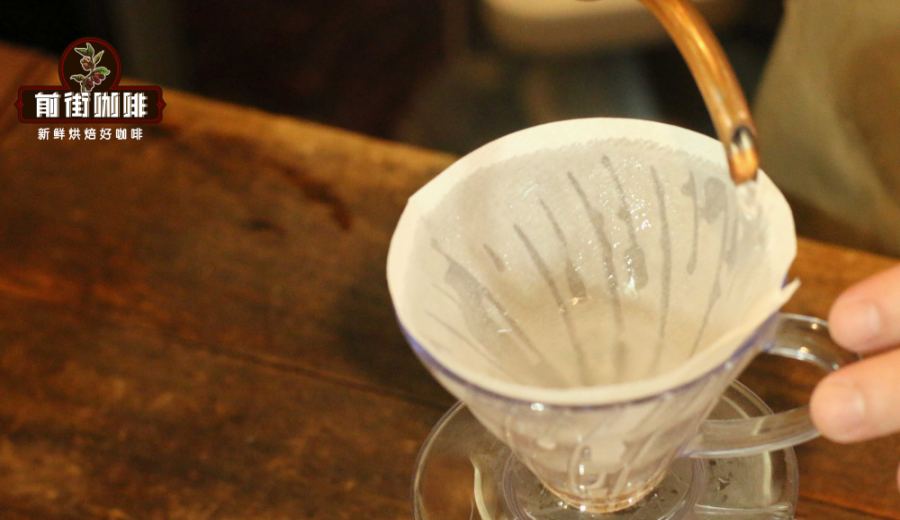
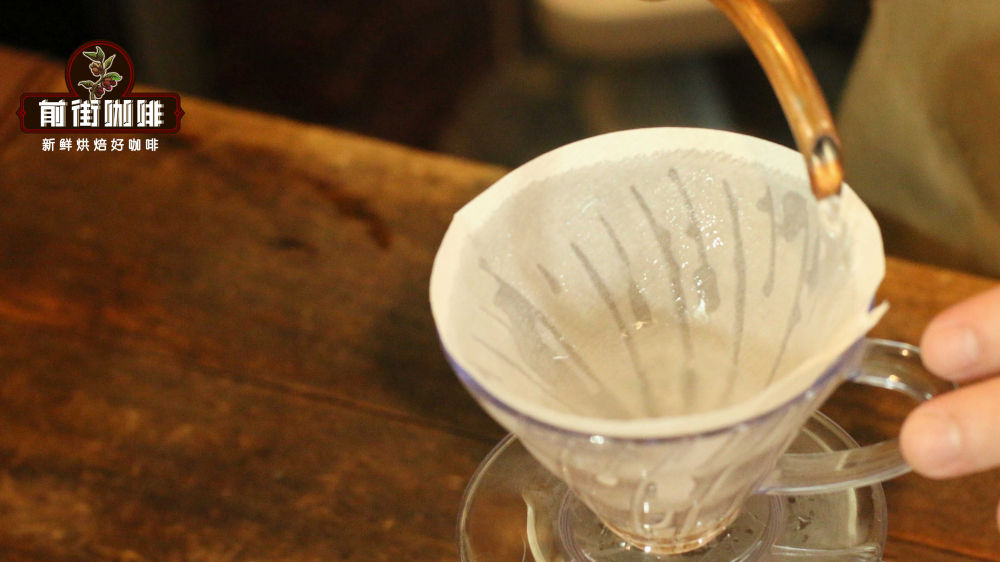
Additionally, many beginners wonder: “Do I really need to rinse the filter paper?” The answer is: it’s recommended. Even high-quality bleached filter paper greatly reduces paper taste, but rinsing the filter paper effectively removes potential pulp odors, any smells caused by contact with the filter cone, and avoids off-flavors from initial brew absorption. This is especially important for unbleached filter paper, as rinsing helps reduce woody flavors that might interfere with the coffee’s taste, thereby enhancing the overall purity of the extraction.
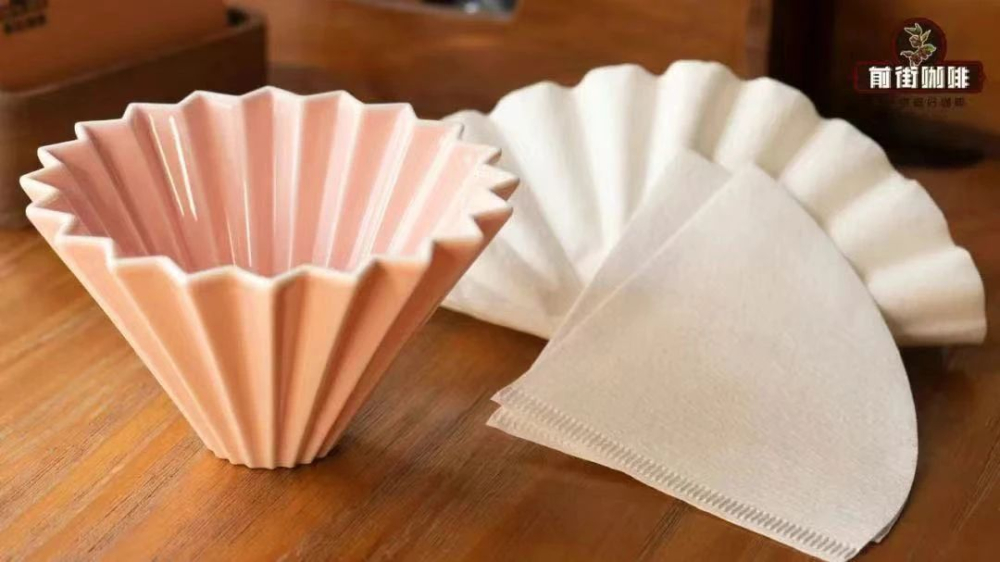
Below is a summary of the specifications of several commonly available cone-shaped filter papers for reference. These filter papers are mostly designed for standard conical filter cones (such as Hario V60), and their grammage and feel also affect water flow speed and coffee performance:
• Hario VCF-01-40W Bleached Version: Soft in texture, with light paper taste, approximately 0.6–0.8g per sheet, but be aware that counterfeit products may exist on the market.
• Hario VCF-01-40W Unbleached Version: Also soft, with an unobtrusive paper taste, but with a brownish hue, approximately 0.8–0.9g per sheet.
• Kono MD-25: A common market variant, colorless and odorless, slightly harder than Hario, approximately 0.9–1g per sheet.
• Kono MD-25 Unbleached Version: Similar to the bleached version, but slightly harder in texture, with a faint paper taste, approximately 0.9–1g per sheet.
• Kono MD-26c: Cotton-based filter paper, hard in texture and smooth-surfaced, with a slight unique aroma, approximately 1.2–1.3g per sheet.
• MOLA Bleached Version: Texture similar to Kono, low paper taste, good cost-performance ratio, approximately 0.9–1g per sheet.
• MOLA Unbleached Version: Soft to the touch, with no obvious off-odors, approximately 0.9–1g per sheet.
• MOLA Hemp Fiber Filter Paper: Slightly harder than regular versions, with a fresh aroma, approximately 0.8–0.9g per sheet.
• Kinto SLOWstyle: Cotton-based filter paper, thick and with a unique aroma, approximately 1.1–1.2g per sheet.
• Bonavita Standard Version: Slightly hard in texture, with a looser weave, approximately 1–1.2g per sheet.
• Kanazawa-ya Cotton Filter Paper: With a faint aroma, medium-hard texture, approximately 1.2–1.3g per sheet.
In addition to filter paper, metal filters are also a common and eco-friendly option. Metal filters are mostly made of stainless steel and are reusable, requiring only simple cleaning after use. Their biggest feature is allowing fine coffee particles and oils to pass through, resulting in a richer mouthfeel and flavors that are closer to the bean’s original characteristics. However, if not cleaned properly, fine coffee particles can remain, leading to an overly intense or even gritty taste. It’s recommended to clean them with a soft-bristle toothbrush and baking soda after use to maintain the filter’s water permeability and hygiene.
Cloth filters are more commonly seen in use with flannel filters or siphon brewing, and are considered more specialized brewing tools. Cloth filters can retain rich oils and delicate flavors, but require careful cleaning and storage to avoid developing off-odors. Coffee brewed with a cloth filter usually falls between metal and paper in character, offering both body and clarity, making it suitable for coffee lovers seeking a balanced taste. When cleaning, it’s recommended to use baking soda to remove oils, soak it in the refrigerator after use, and try to use it the same day.
A comprehensive comparison of the three filtration methods shows that filter paper is ideal for those seeking a clean taste and ease of use; metal filters can bring out a richer, more bean-origin-forward coffee flavor, but fine particle control is essential; cloth filters offer the richest layers of flavor but require more effort in cleaning and storage. The choice depends on which aspect of flavor you value most.
Additionally, there is the convenient option of drip bags on the market. These combine filter paper with ready-to-brew convenience, making them suitable for on-the-go or quick enjoyment. The filter pouches inside drip bags often use biodegradable non-woven fabric, paired with moderate mesh design for even extraction. A grind size close to that of granulated sugar is typically recommended for optimal extraction results.
No matter which filtration method you choose, remember that coffee flavor is not determined solely by the filter paper. Water quality, grind size, pouring technique, and brew time are all variables that affect the final taste. Try more, adjust more, and you’ll find the brewing combination that best suits your personal taste.
The above content is compiled by CoffeeHunters, a coffee news website.


