







Introduction:Want to know how the Red, Green, and Blue Label Geisha beans from Panama’s Hacienda La Esmeralda differ? This guide takes you deep into the origin, altitude, and flavor profiles of these three tiers, along with practical pour over parameters and steps to help you fully showcase the bright acidity and floral-fruity aromas of Geisha. Whether you’re a beginner or a seasoned enthusiast, you’ll find value here.
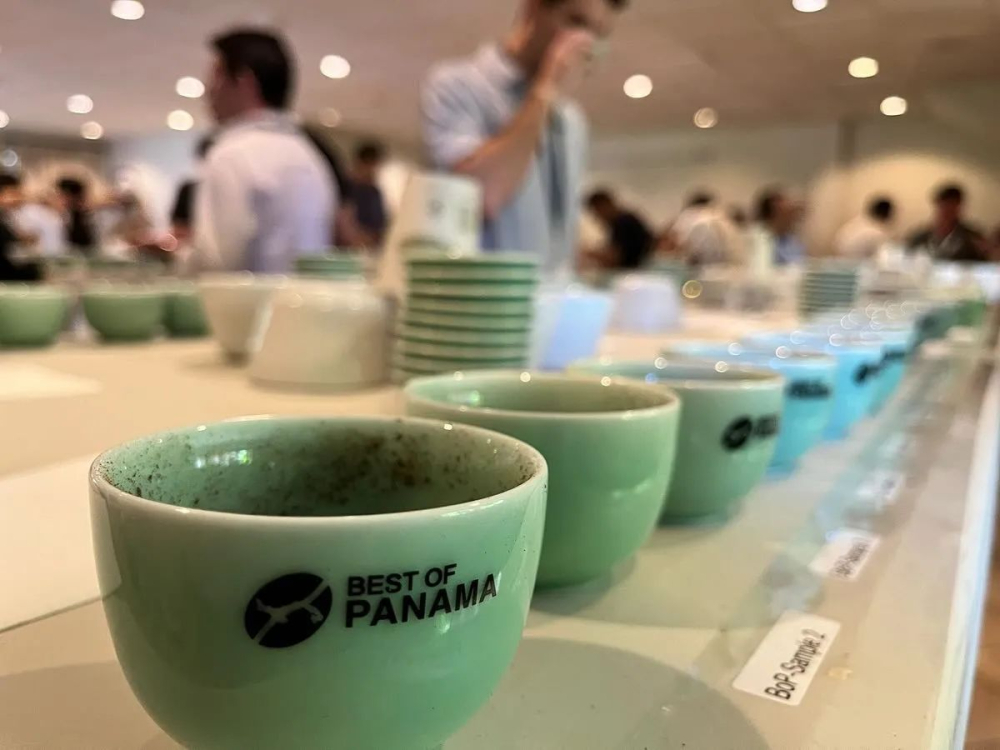
When it comes to Geisha, many people first think of Panama’s Hacienda La Esmeralda. In 2004, the third-generation manager Daniel brought a batch of uniquely flavored Geisha beans to the Best of Panama (BOP) green bean competition. Using a then-uncommon light roast approach, they won the championship outright, completely transforming the landscape of specialty coffee.
These Geisha beans, which didn’t follow the traditional bold and heavy path, conquered many judges with their fresh floral and fruity notes, instantly putting Panama coffee — previously under the radar — in the global spotlight. At the time, Daniel’s father didn’t think much of the beans’ performance, even saying they smelled like perfume, but with the affirmation of SCAA members, he insisted on entering the competition. The result was not only an award win but also the launching of Geisha onto the stage of specialty coffee.
In the following years, Hacienda La Esmeralda’s Geisha beans repeatedly fetched sky-high prices at auctions in 2004, 2006, 2007, and 2010 — including $21 per pound in 2004, $50.25 in 2006, a surge to $130 in 2007, and an astonishing record of $170 per pound in 2010. Beyond BOP, the estate has also earned accolades at other major competitions, such as multiple wins at the SCAA Annual Competition and consecutive titles as Panama’s Best Coffee.
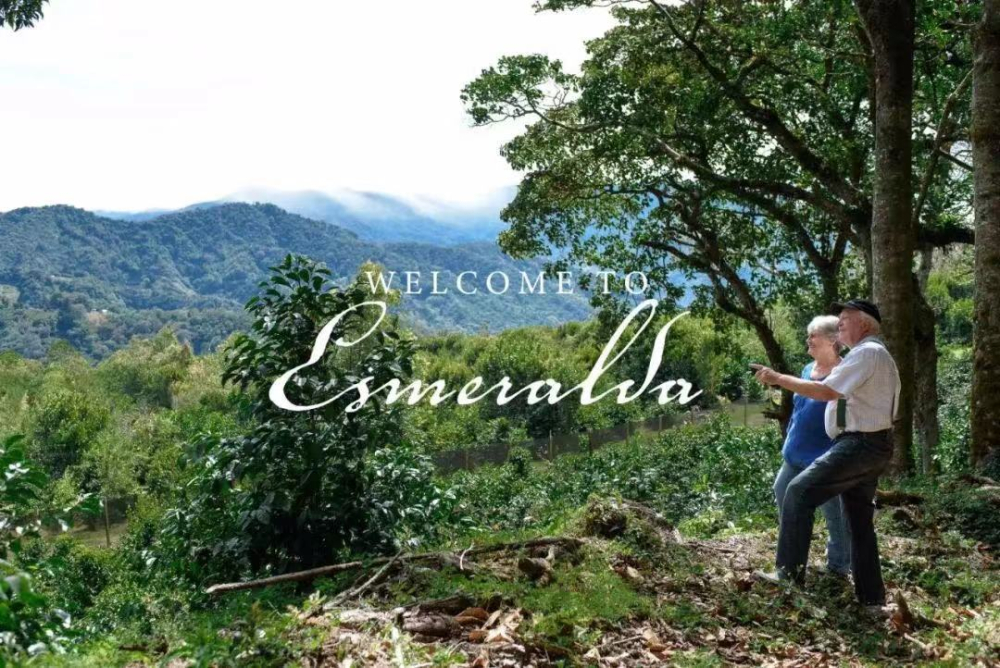
Hacienda La Esmeralda is located in Panama’s Boquete region, a renowned high-altitude specialty coffee growing area. It primarily cultivates varieties such as Typica, Bourbon, Caturra, and Geisha, and holds Rainforest Alliance certification. Though famous for its Geisha, the estate’s premium processing methods and environmental management have also earned high praise for its other varieties.
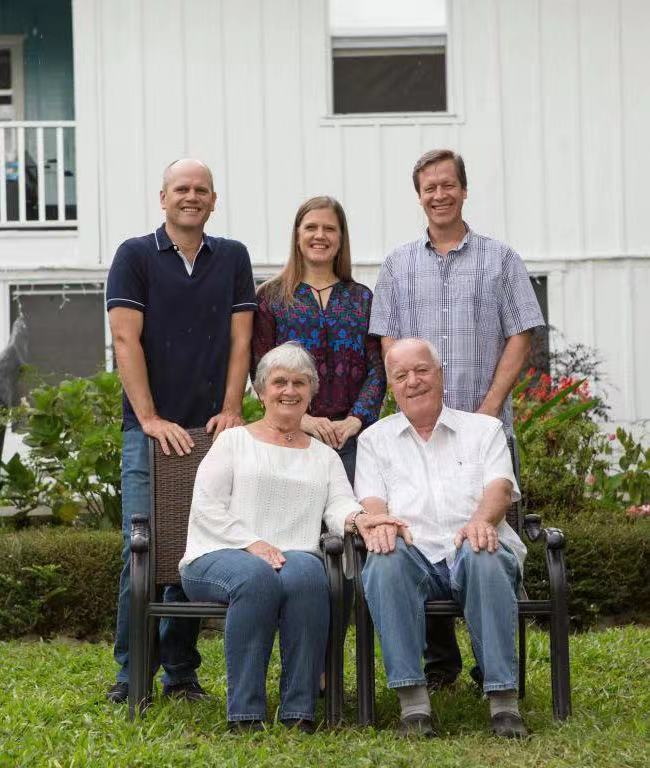
Hacienda La Esmeralda is currently divided into three core plots: Jaramillo, Canas Verdes, and the newer El Velo. These plots are further subdivided into smaller blocks based on altitude and microclimate, each with distinct flavor characteristics.
The Jaramillo plot sits at an altitude of about 1600–1700 meters and includes smaller sections such as Mario, Noria, Reina, Bosque, and Buenos Aires. A certain coffee brand’s naturally processed Red Label Geisha is sourced from the Mario sub-block. Canas Verdes is slightly higher, at around 1600–1800 meters, and contains nine sub-blocks: Lino, Coronado, Fundador, León, Montaña, Trapiche, Chinta, Cabaña, and Tumaco. As for the newly acquired El Velo plot, it averages an even higher altitude of about 1700–1900 meters, comprising seven sub-blocks: Guabo, Portón, Durazno, Higuerón, Higo, Buena Vista, and Águila.
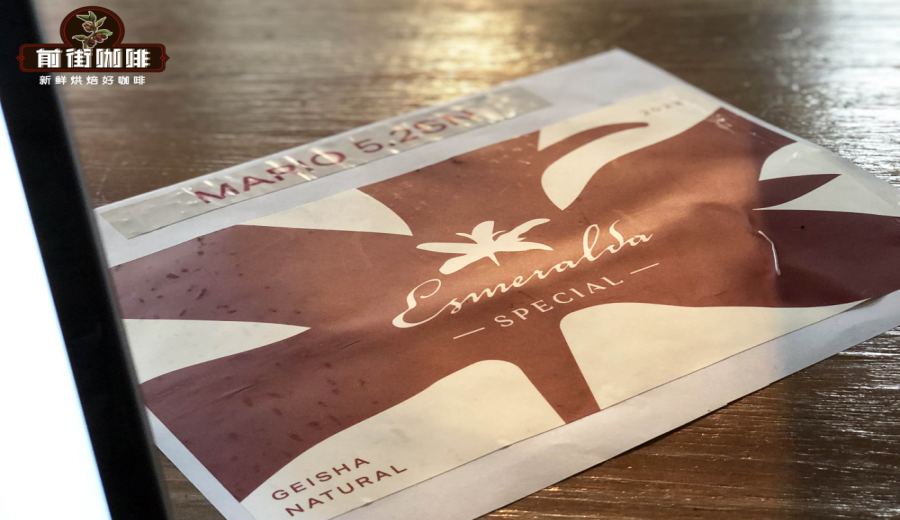
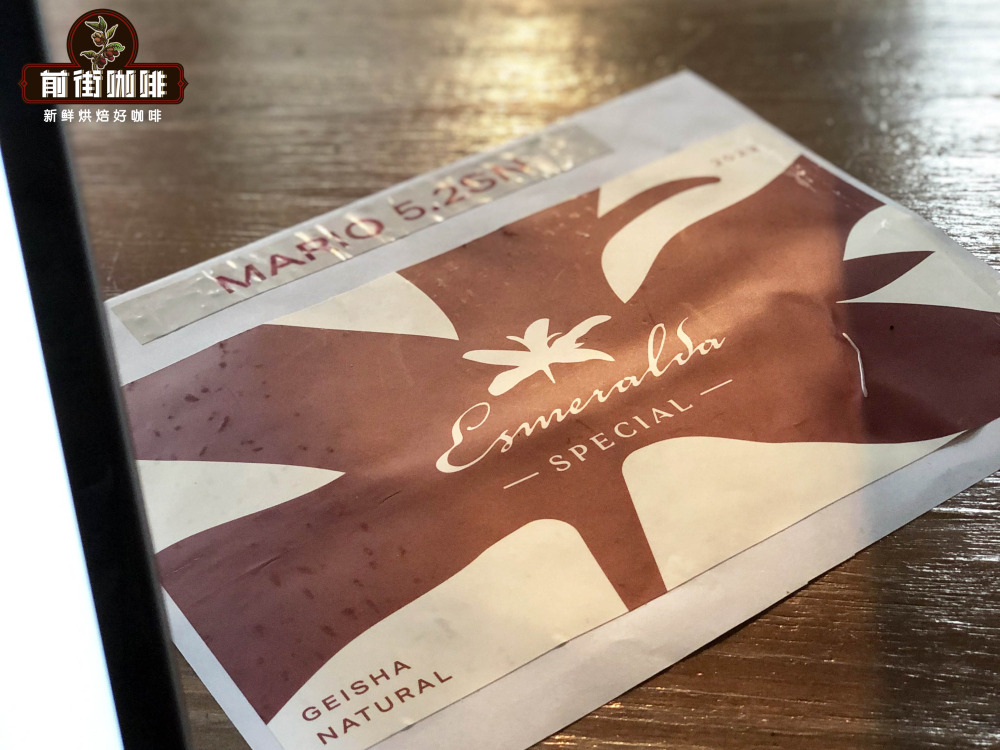
Currently, Hacienda La Esmeralda’s Geisha offerings are mainly divided into two series: “Esmeralda Special,” commonly known as the Red Label in the market; and “Private Collection,” the Green Label. These two categories represent different flavor orientations and bean selection standards.
The Red Label Geisha is the highest tier, selected exclusively from small-block batches from Jaramillo and Canas Verdes at altitudes of 1600–1800 meters with cupping scores above 90. Each batch of Red Label Geisha has an independent number, and the beans all come from a single small block — for example, Mario. This single-origin characteristic allows consumers to choose different batches of Red Label Geisha according to their personal taste preferences.
In contrast, the Green Label (i.e., the Private Collection series) is a blend of Geisha beans from different small blocks, all of high quality, emphasizing the shared flavor characteristics of high-altitude Geisha as a whole. If the Red Label is seen as a premium showcasing the traits of a single plot, then the Green Label is more like a representative of the overall flavor profile of Hacienda La Esmeralda’s Geisha — ideal for coffee lovers who want to experience the classic Geisha taste.
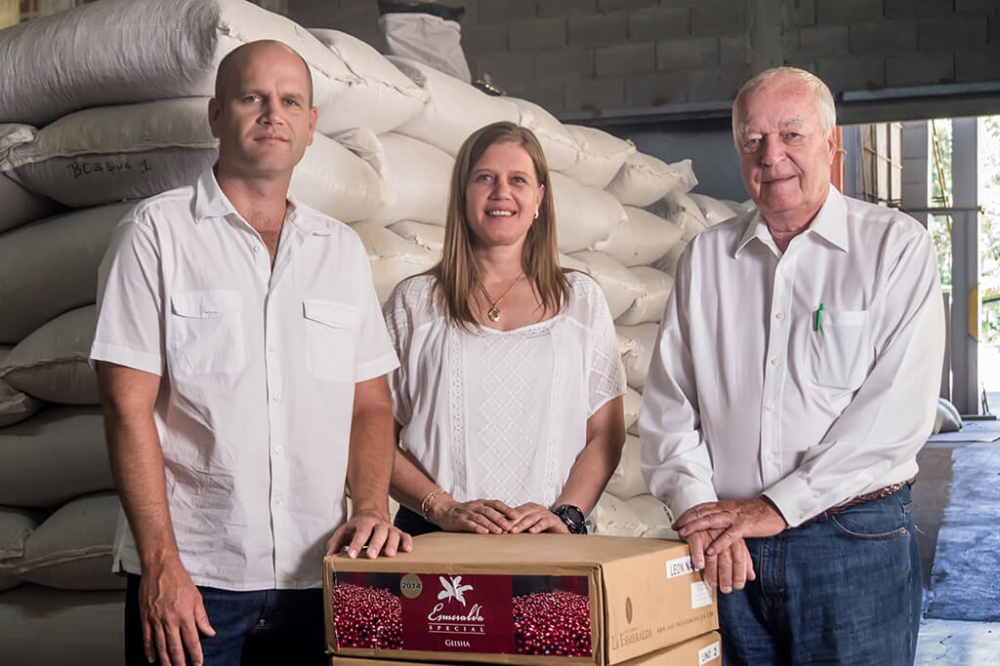
The once-existent Blue Label Geisha (Geisha1500) was originally a blend of Geisha beans from around 1500 meters altitude, sourced from the three sub-estates (Jaramillo, Canas Verdes, and El Velo). Identified by its blue packaging, it was thus named. However, according to official information, Hacienda La Esmeralda has not released the Blue Label series since 2021, and the related items have also been removed from its official website product page. Currently, the main ones circulating in the market are the Red and Green Labels — these two top tiers.
If you want to taste Hacienda La Esmeralda’s Geisha coffee, it is recommended to choose products processed with a light roast to preserve their bright acidity and rich floral-fruit aromas. Generally, these Geisha beans, grown at high altitudes with large day-night temperature variations, are relatively hard in bean density and can easily settle and clog the filter basket’s drainage holes during brewing. Therefore, it is suggested to use a coarseness with a Chinese Standard No. 20 sieve passing rate of about 78% (close to the size of fine sugar), and to brew with water at 90–91°C using the pour over method for optimal extraction.
Practical pour over recommendation as follows: Use 15 grams of coffee grounds with a Hario V60 small filter cone, at a 1:16 powder-to-water ratio. Employ the classic three-stage pouring method: First, pour 30 grams of water at the start of timing for a 30-second bloom; next, in the second stage, pour in a circular motion up to 125 grams, wait until the water level drops by about half, then continue pouring up to 225 grams. Total extraction time should be controlled between 2 minutes 10 seconds and 2 minutes 20 seconds. These parameters can fully highlight the delicate layers of the Geisha bean’s flavors, making it suitable for coffee lovers seeking clear and balanced taste profiles.
The above content is compiled by CoffeeHunters, a coffee news website.


