







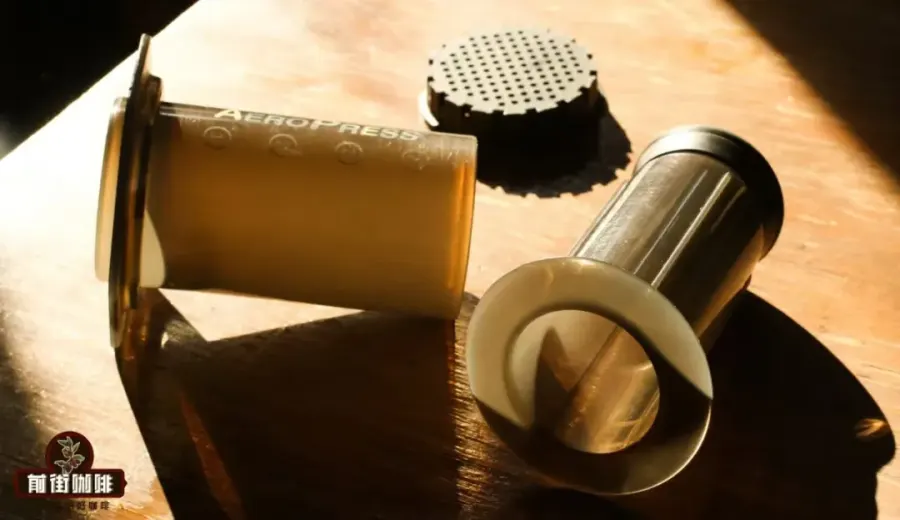
Introduction:As a coffee brewing device that combines characteristics of both pour over and espresso, many users are curious whether the AeroPress can produce rich coffee crema (the creamy layer on top) just like a professional espresso machine. This article delves into the brewing principles of the AeroPress, explores the conditions and possibilities for crema production, and details its advantages and limitations. Whether you’re a beginner or a coffee enthusiast seeking an alternative brewing method, you’ll find valuable insights and techniques in this practical guide.
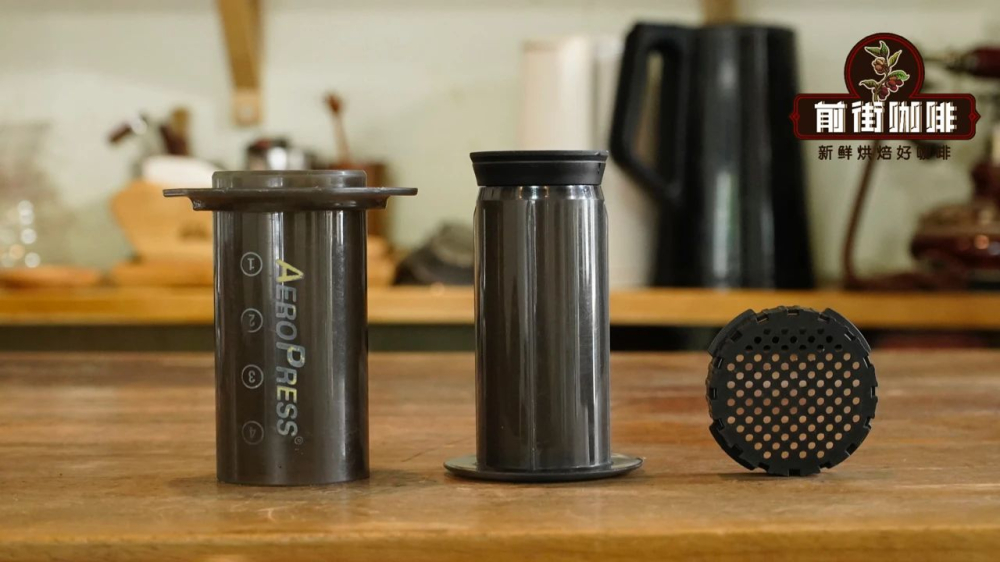
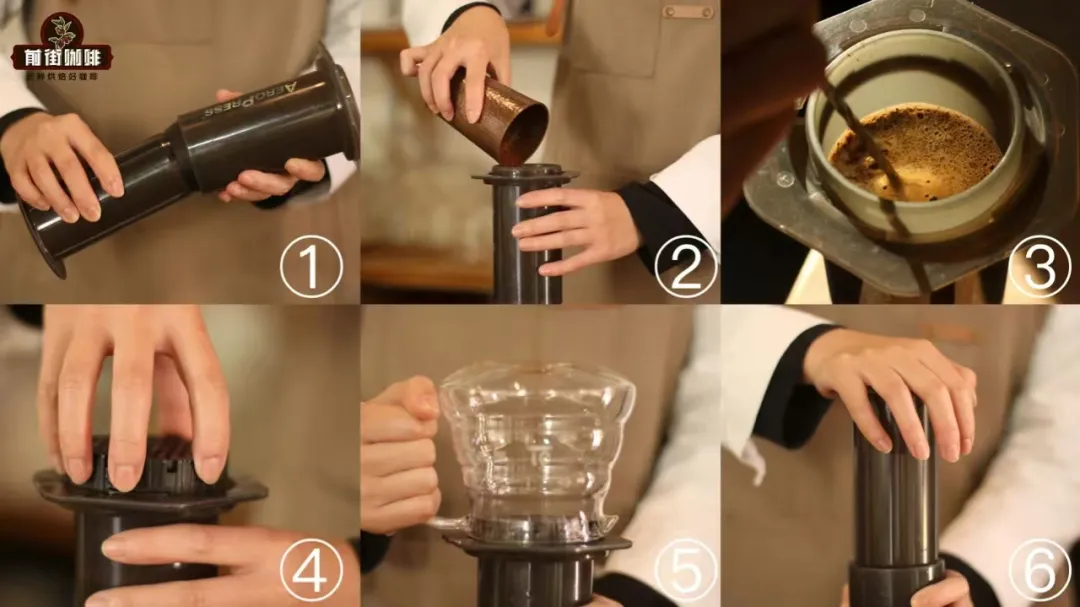
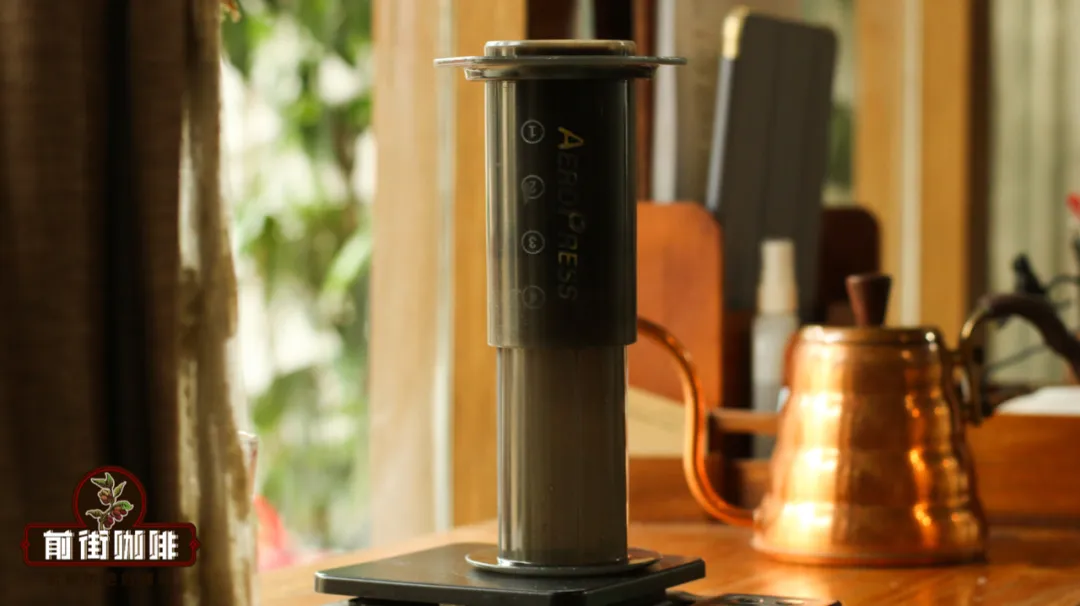
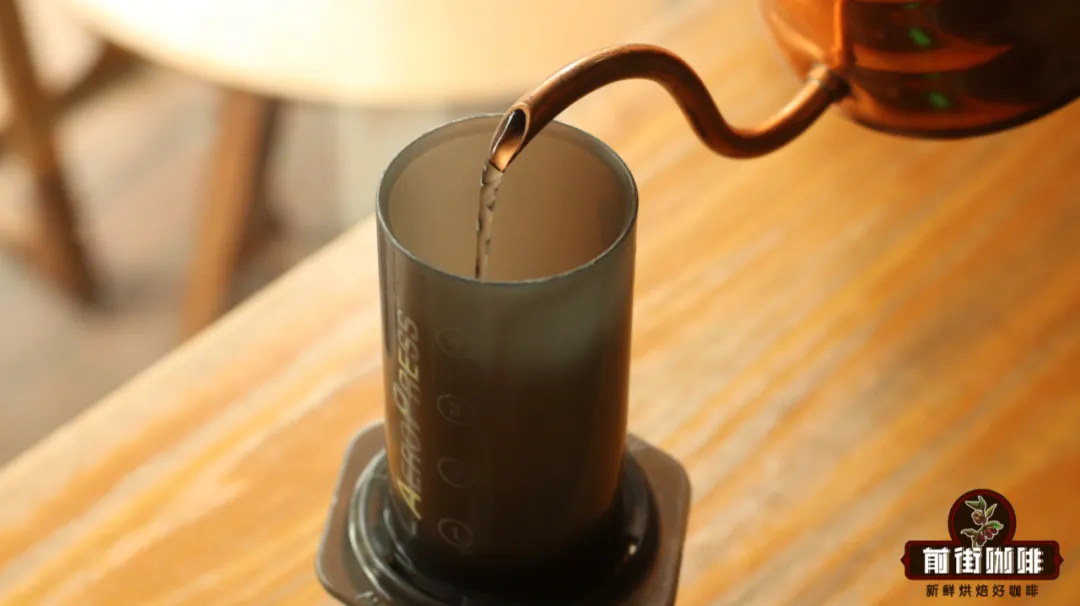
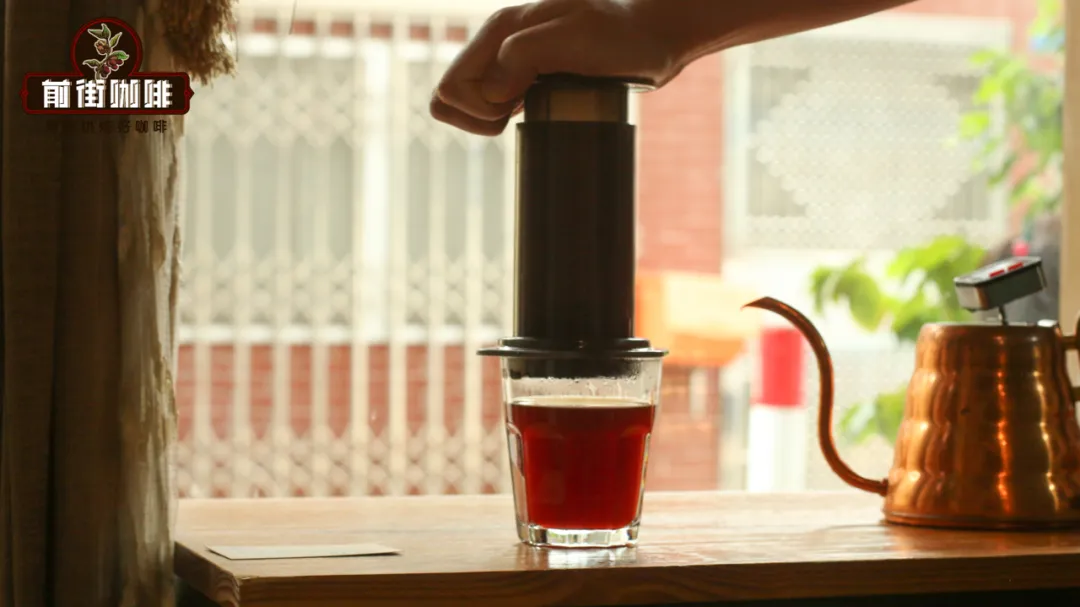
The AeroPress was created by an inventor who found traditional coffee brewing methods too cumbersome. He aimed to design a tool that is simple to use, yet efficient in extraction and expressive in flavor. Its basic operation is very intuitive: assemble the filter cap, paper filter, and brewing chamber, add the appropriate amount of coffee grounds, pour in hot water, let it steep, and then use the plunger to press the brewed coffee out. The entire process not only saves time but is also portable, making it popular among coffee lovers around the world.
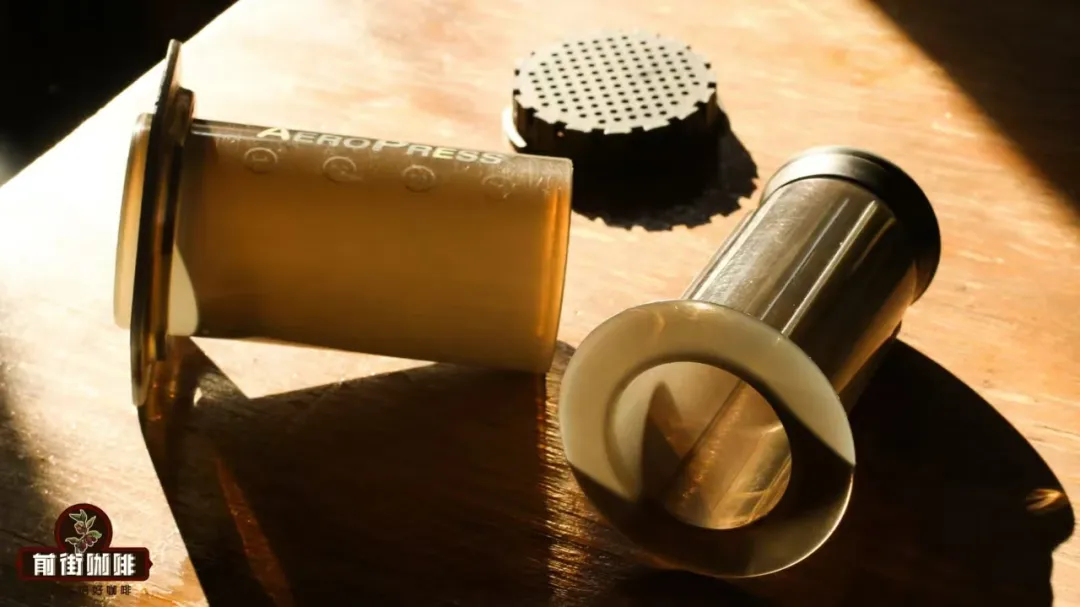
Many first-time AeroPress users often wonder if this seemingly simple device can also produce that smooth, aromatic coffee crema—just like a professional espresso machine. In fact, under correct operation and with sufficient pressure, the AeroPress can indeed form a thin film on the surface of the coffee that resembles crema, but there are still significant differences in composition and formation mechanism compared to the crema in traditional espresso.
To understand whether the AeroPress can produce crema, we first need to know the conditions required for crema formation. In espresso, crema mainly comes from carbon dioxide extracted under high pressure (typically above 9 bars). These gases combine with fine coffee particles and oils to form a stable foam layer. While the AeroPress can generate some pressure through the plunger (about 1–2 bars, depending on technique), it is far below the standard of espresso machines, making it difficult to create true crema. However, under conditions such as fine grind, appropriate water temperature, and proper blooming, a golden, fine layer of foam may appear on the surface of the extracted coffee. Some users describe this as having a “crema-like texture,” although it is mostly composed of fine coffee particles and tiny bubbles.

The advantages of the AeroPress are quite diverse. First, its simple structure and portability make it ideal for travel or outdoor use. Second, it offers high brewing flexibility—you can adjust grind size, water temperature, steeping time, and pressure to suit your taste, producing either a clean cup similar to pour over or a richer brew resembling espresso by modifying your technique. Additionally, the AeroPress requires only a small amount of coffee grounds, typically 14–20 grams, making it economical for daily use or small households.
However, the AeroPress also has its limitations. Due to its limited pressure, achieving the same high concentration and bold body as an espresso machine will be somewhat compromised. Moreover, the AeroPress is sensitive to grind size—too coarse may lead to under-extraction, while too fine may cause clogging or over-extraction. Furthermore, although it can produce a certain degree of foam, it still falls short of true crema in terms of persistence, color, and aroma complexity.
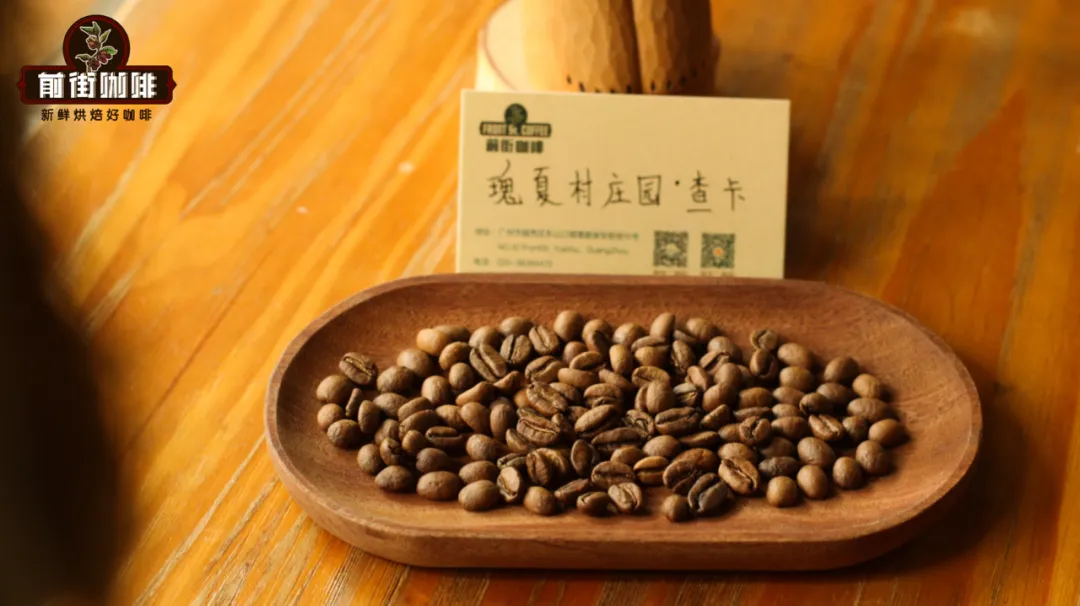
If you want to maximize the foam on the coffee surface when using the AeroPress, here are a few techniques you can try. First, choose freshly roasted, high-quality coffee beans, as they contain more carbon dioxide, which helps with foam formation. Second, use a fine grind (close to espresso grind but slightly coarser), and control the water temperature between 90–96°C to enhance extraction efficiency. Third, allow at least 30 seconds for blooming to let the coffee grounds fully expand and release gases. Finally, press the coffee out at a steady and firm pace, which helps push fine particles and bubbles to the surface, creating a finer and more refined foam layer.
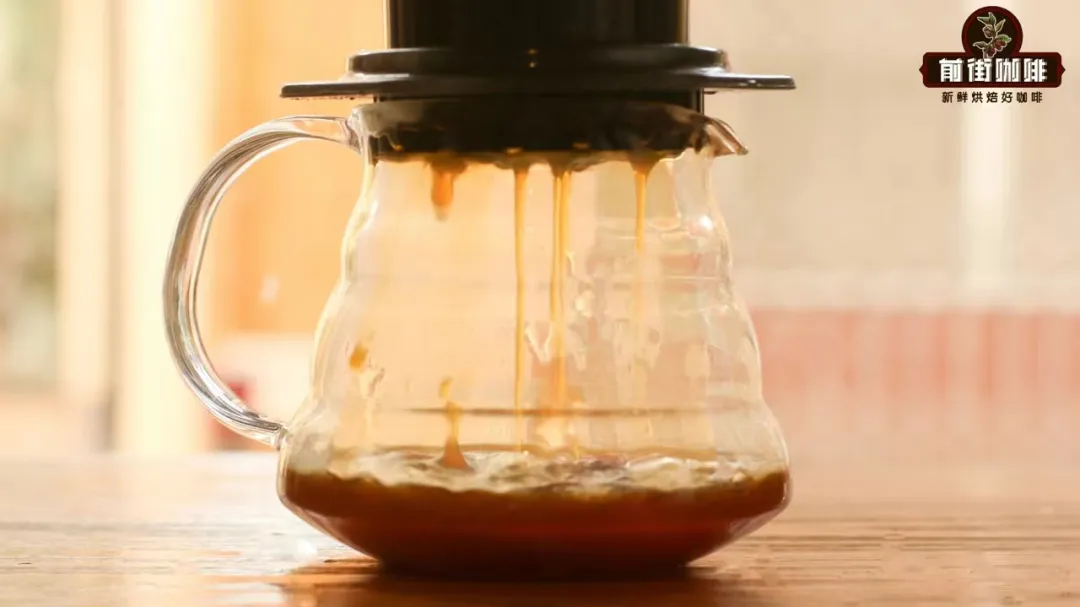
Overall, although the AeroPress cannot consistently produce high-quality crema like a professional espresso machine, with the right adjustments and brewing techniques, it can still deliver rich coffee flavors and a certain level of foam texture. For coffee enthusiasts who don’t want to invest in expensive equipment but want to explore different brewing styles, it’s a highly worthwhile device for both beginners and advanced users. Whether you’re just starting your coffee journey or have years of pour over experience, the AeroPress offers versatile brewing possibilities, allowing you to discover more joy in coffee.


The above content is compiled by CoffeeHunters, a coffee news website.


