








Introduction:Ethiopia is the birthplace of coffee, boasting a rich diversity of genetic varieties and terroirs. This article delves into the origins of Ethiopian landrace varieties, explores the unique characteristics of major regions such as Yirgacheffe, Sidamo, and Limu, and compares how washed and natural processing methods affect the flavor of the coffee. Whether you’re a beginner or a seasoned coffee enthusiast, you’ll gain key insights for selecting Ethiopian beans that match your taste preferences.
When it comes to coffee, Ethiopia is practically a holy grail for coffee lovers around the world. This country in northeastern Africa is not only the origin of coffee but also home to numerous renowned growing regions and distinctive coffee varieties. This article will take you deep into the concept of Ethiopian landrace varieties, the flavor profiles of its major regions, and how washed and natural processing methods influence the final cup—helping you make more informed choices based on your personal preferences.
Ethiopia is home to several important coffee-growing regions, including Sidamo, Harrar, Yirgacheffe, and Guji. Among them, Yirgacheffe and Sidamo are internationally acclaimed star regions. Many consumers often hear names like “Hua Kui” (Flower Queen) and “Red Cherry,” yet know little about their origins or processing methods. This article will break down these key details, giving you a more comprehensive understanding of Ethiopian coffee.
The term “Ethiopian landrace variety” is actually a general term for the many indigenous coffee varieties in the country. As Ethiopia is a genetic treasure trove of coffee, it has nearly 2,000 recorded varieties, of which 1,927 are native and 128 are introduced. Due to the vast number of varieties, the lack of comprehensive government classification and naming, and efforts to preserve wild genetic diversity, many farmers are even unaware of the specific variety of coffee trees they grow. As a result, these beans are collectively referred to as “landrace” or “heirloom.”
Compared to other regions where distinct varieties like Typica, Bourbon, and Caturra are common, Ethiopian coffee beans are complex and difficult to categorize by variety. As a result, the market primarily distinguishes them based on region and processing method. This also contributes to the unpredictable surprises in Ethiopian coffee flavors, offering coffee lovers a unique taste experience every year.
Among the many regions, Yirgacheffe is famed for its distinctive floral notes and bright acidity, making it a top choice for many newcomers to Ethiopian coffee. Coffee beans from this region are usually washed, though there are also many high-quality natural-processed lots. One cupping comparison showed that washed Yirgacheffe, such as “Gu Ding Ding,” delivers clear citrus acidity, berry sweetness, almond-like tones, and a tea-like body, with a honeyed finish—overall clean and refreshing. In contrast, natural-processed beans like “Red Cherry” offer a softer body, fruit-tea-like flavors, prominent sweetness, and lower acidity.
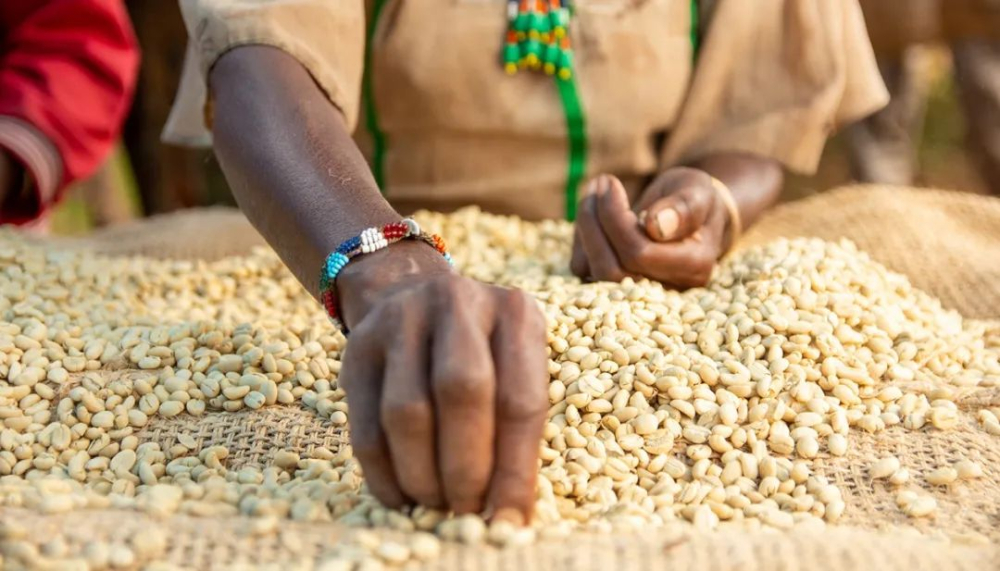
If you prefer coffee with bright acidity and clean layers, washed Yirgacheffe is an ideal choice. If you favor coffee rich in sweetness, intense fruitiness, and a heavier body, then natural-processed beans are worth trying. You can also preliminarily judge the processing method by observing the raw beans: washed beans appear bluish-green with less silverskin, while natural beans are often yellow-green with more silverskin that is harder to remove.
Although the Limu region is less famous than Yirgacheffe or Sidamo, its washed coffee performs exceptionally well, often featuring gentle citrus notes—ideal for those who enjoy fruity flavors but prefer lower acidity. The coffee from this region typically shows soft acidity and good balance, making it a great everyday drink.
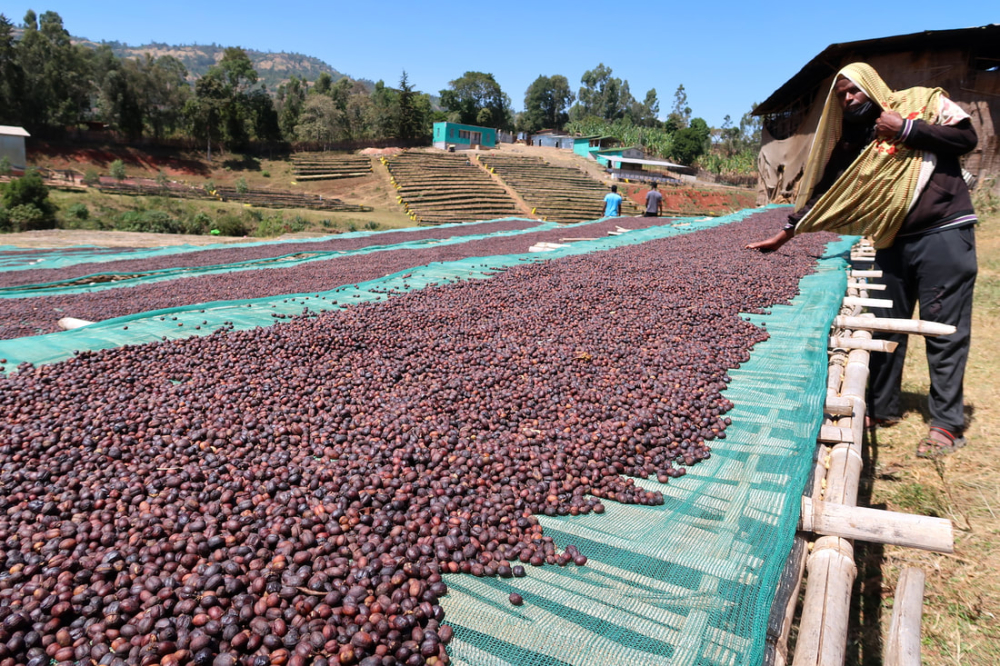
The Sidamo region is known for its diverse flavor profiles and high-altitude cultivation environment. Located near the East African Rift Valley, it sits at elevations between 1,500 and 2,200 meters, with superior climate conditions and fertile, mostly organically maintained soils. Sidamo’s coffee is predominantly processed naturally, resulting in intense fruitiness and a full-bodied mouthfeel. High-quality natural Sidamo coffee often carries aromas of ripe fruit, a wine-like richness, and pronounced sweetness.
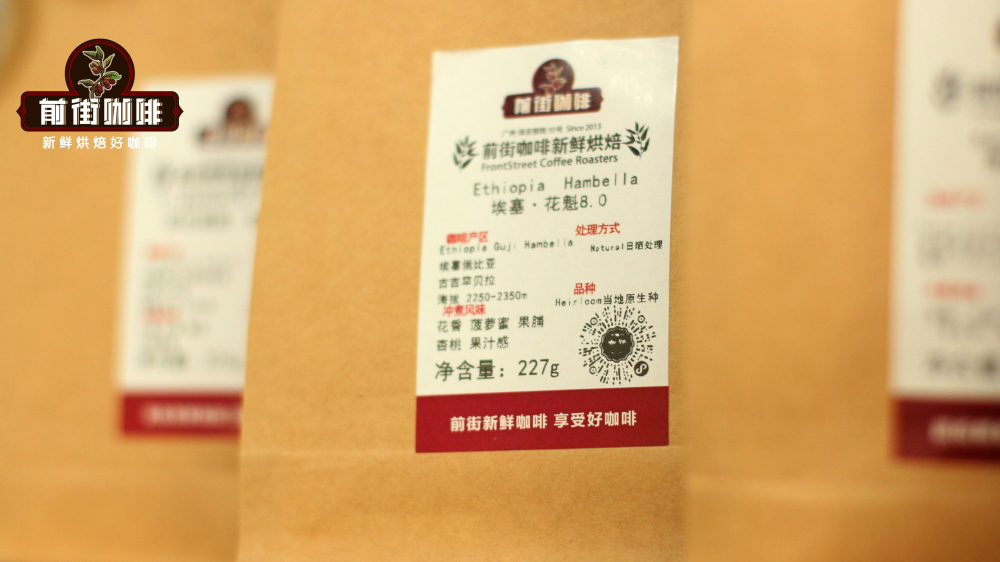
Within Sidamo, the sub-regions of Guji and West Arsi are two highly representative areas. Among them, the Hua Kui coffee beans come from the Hambela town in the Guji area, specifically processed as naturals by the Buku Abel farm. This coffee has received widespread acclaim for its outstanding cupping performance, with flavors centered around passionfruit acidity and fermented wine notes, along with a smooth texture and layered complexity. Another coffee from West Arsi features a mix of plum, berries, cranberry jam, nectarine, mango, and honey—showcasing the diverse fruit-forward potential of the Sidamo region.
In summary, Yirgacheffe and Sidamo are Ethiopia’s two most iconic coffee regions, each with its own distinctive flavor characteristics. Yirgacheffe excels in floral notes and bright acidity, with washed processing enhancing its refreshing qualities. Sidamo, on the other hand, is known for its rich fruitiness and full body, with natural processing adding roundness and complexity to its profile. Whether you prefer bright and crisp flavors or bold and sweet profiles, Ethiopian coffee has something to offer.
When selecting Ethiopian coffee, it’s recommended to start with the region, processing method, and flavor descriptions, then align them with your personal taste preferences to choose the beans that suit you best. By understanding the differences between washed and natural processing, you’ll be able to more accurately select the coffee experience you’re looking for.
The above content is compiled by CoffeeHunters, a coffee news website.


