







Introduction:Although both Ethiopia’s Gesha Village and Panama’s Finca Elida grow the Gesha variety, their distinct geographic environments and processing methods result in vastly different flavor profiles. This article delves into the cupping characteristics, altitude conditions, and optimal brewing parameters of two renowned Gesha beans from these major regions, helping you understand the regional distinctions among high-altitude Gesha and master more precise brewing techniques.
Gesha coffee is renowned for its delicate floral and fruity notes, yet even within the same variety, expressions can vary dramatically by origin. Ethiopia’s Gesha Village and Panama’s Finca Elida are respectively famed for their Gold Label Gesha (Gesha 1931) and Red Label Gesha, each showcasing unique regional traits in cupping aroma, acidity structure, and sweetness profile. Through cupping data and practical brewing parameters, this article will take you deep into the differences between these two top-tier Geshas and offer practical pour-over recommendations.
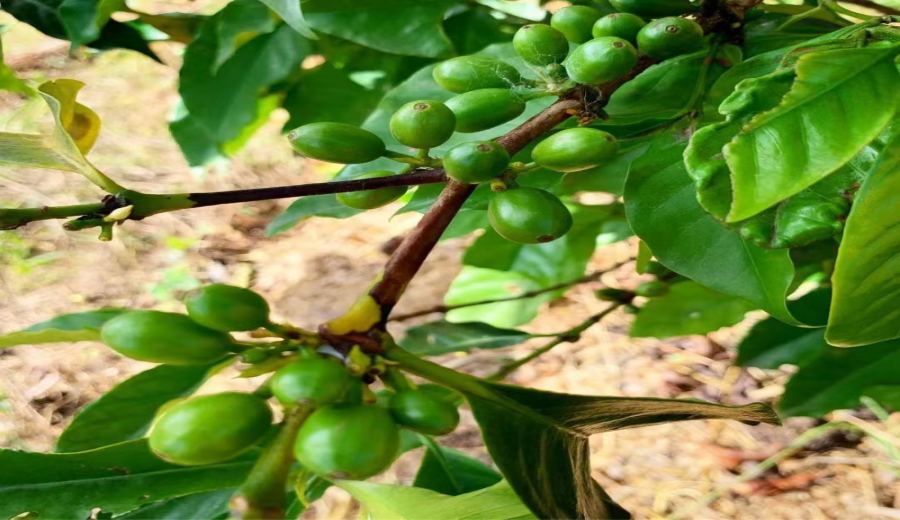
The Gesha variety is extremely particular about its environment, requiring high altitudes and moderate cloud shade to develop its rich floral and fruity aromas. The reason Panama’s Finca Elida can grow world-class Gesha lies in its exceptional altitude conditions and microclimate—especially in high-altitude sections like Jaramillo and Canas Verdes, where significant day-night temperature variations aid in the accumulation of flavor compounds. Similarly, Ethiopia’s Gesha Village, located in the Bench Maji region at altitudes of 1,931 to 2,040 meters, is also an ideal terroir for nurturing the unique aromas of Gesha.
Many wonder whether the Gesha from Ethiopia’s Gesha Village and that from Panama are the same variety. In fact, Gesha was first discovered in 1931 in Ethiopia’s virgin forests, later traveling through Kenya, Uganda, and Tanzania, before finally being introduced to Panama in the 1970s. The Gesha 1931 variety from Gesha Village originates from native Gesha trees in the local forests, having been selected and cultivated. Its genetics are similar to those of Panamanian Gesha, but having developed in different environments, it ultimately presents distinct flavor expressions.
Ethiopia Gesha Village Gold Label Gesha
The Gold Label Gesha from a certain well-known coffee brand accounts for only 5% of annual production, belonging to an extremely high-quality grade comparable to auction lots. This batch is processed using the natural method, undergoing 32 days of slow fermentation, resulting in extremely high complexity and layered flavors. Actual cupping reports show that its dry fragrance has a distinct citrus tone, while the wet aroma emits a fermented wine-like character. Upon tasting, layers of citrus, floral, creamy, berry, and fermented wine notes unfold.
This Gold Label Gesha uses the Gesha 1931 variety, grown at elevations of 1,931 to 2,040 meters. Its flavor profile is tight-knit and dynamic, making it ideal for coffee lovers who enjoy complex fruitiness and a rich finish. For brewing, it is recommended to use water at 90°C, paired with a fine sugar-like grind (approximately 78% passing through a #20 sieve), using the V60 dripper for step extraction to better present its juice-like acidity and sweet richness alongside a full body.
Panama Finca Elida Red Label Gesha
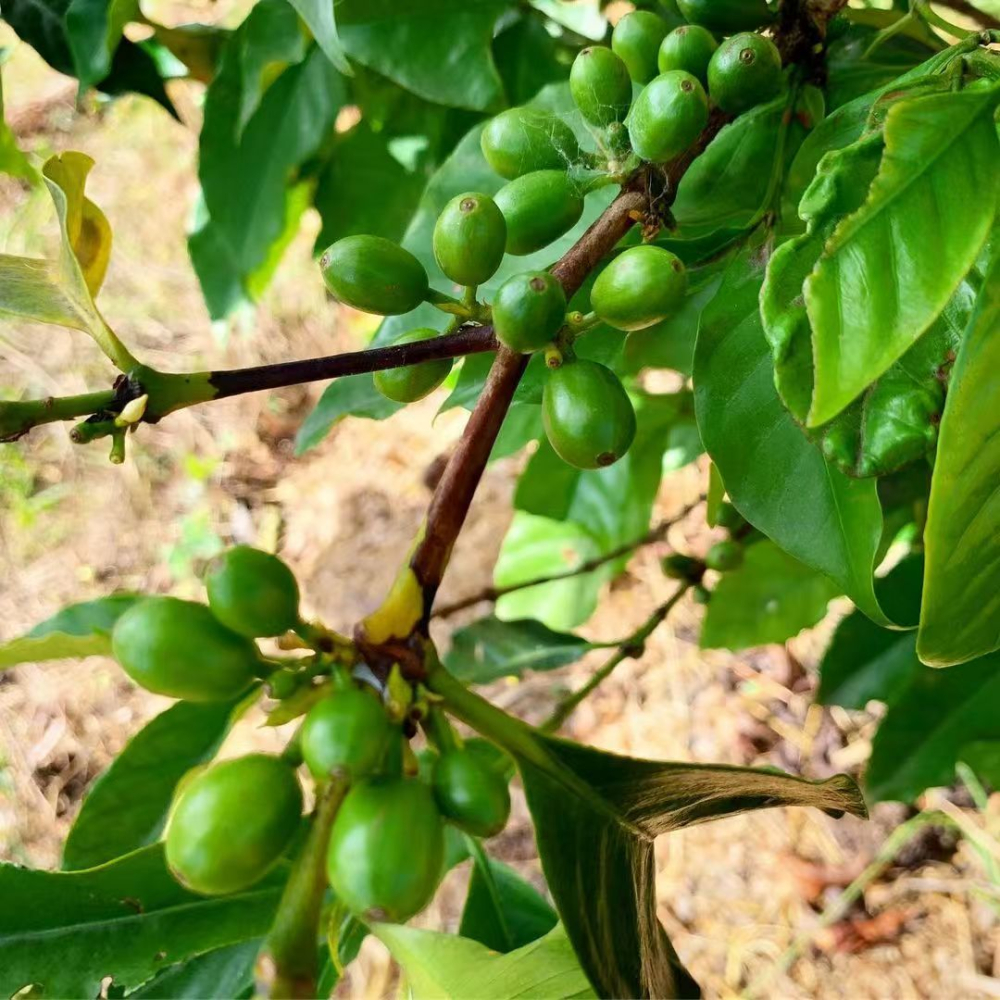
The Red Label Gesha from Finca Elida comes from the two regions of Jaramillo and Canas Verdes at altitudes of 1,600 to 1,800 meters, with plots like Mario performing particularly outstandingly. The Red Label beans are also processed naturally, often scoring above 90 points in cuppings, characterized by high purity and layered complexity.
According to cupping records from a certain coffee shop, this Red Label Gesha has a dry fragrance with the fresh scents of jasmine and citrus, transitioning to sweet notes of citrus, lemon, and honey in the wet aroma. Upon tasting, layers of lemon, honey, berry, orange peel, and mango fruit flavors are distinct, accompanied by a soft creamy texture and noticeable tea-like quality, with a bright sweetness and long-lasting aftertaste.
This bean is also suitable for pour-over at 90°C, recommended to use a V60 #01 dripper with a 1:15 coffee-to-water ratio, and a grind size similar to the Gold Label. Step extraction enhances its juicy sensation and balanced acidity-sweetness. During actual brewing, pay attention to controlling the pouring rhythm and blooming time, which helps bring out its delicate floral and fruity nuances.
Flavor Comparison and Brewing Recommendations
Judging from cupping results and practical brewing experiences, although both Ethiopia Gesha Village’s Gold Label and Panama Finca Elida’s Red Label belong to the Gesha variety, they show significant differences in aroma expression, acidity structure, and sweetness layering. The Gesha Village version emphasizes fermented character and creamy texture, with intense berry and floral notes; whereas the Red Label from Finca Elida showcases a fresher citrus, jasmine, and honey tonality, with distinct fruit layers and noticeable tea-like qualities.
Regardless of which one you choose, it is recommended to use a medium-fine grind and water at around 90°C, brewing with a V60 dripper to effectively highlight Gesha’s unique flavors. If you prefer a richer mouthfeel, you can slightly extend the extraction time; if you favor brighter acidity, then lower the water temperature or speed up the brewing pace.
In summary, the Gesha from Gesha Village and Finca Elida, though originating from the same variety, present two distinctly different flavor styles due to differences in altitude, climate, and processing methods. By understanding these regional characteristics and brewing parameters, you can more deeply appreciate the diverse charm of high-altitude Gesha and find the one that best suits your personal taste.
The above content is compiled by CoffeeHunters, a coffee news website.


