







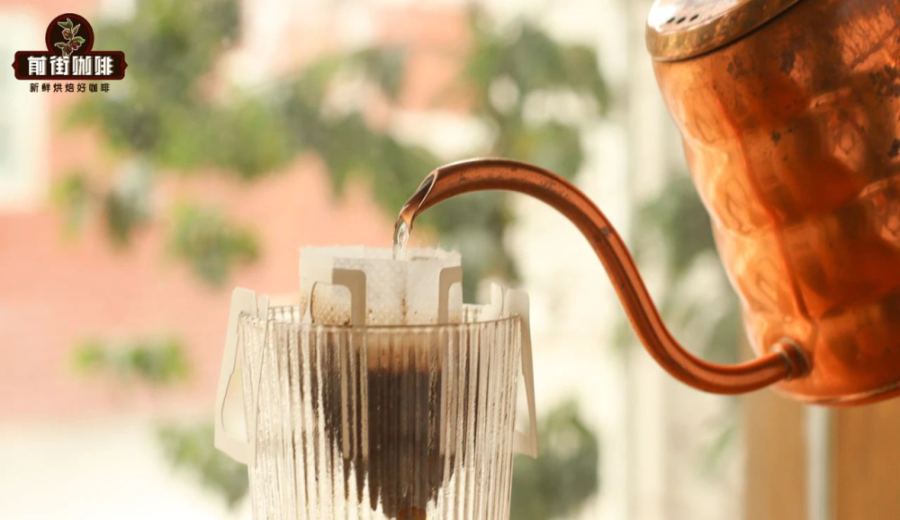
Introduction:Earl coffee combines the essence of drip brewing and pour over, allowing you to quickly enjoy freshly ground-level coffee without complicated equipment. This article delves into the structure and extraction principles of earl coffee, covering water temperature control, coffee-to-water ratio, and pulse pouring techniques to help you precisely master key parameters. We also recommend three classic single-origin beans ideal for making earl coffee, teaching you how to brew layered, balanced coffee at home.
Although classified as a drip extraction method, earl coffee merges the nuanced flavors of pour over with the convenience of instant brewing. Without the need for a grinder or professional equipment, just hot water and a cup are enough to enjoy coffee close to freshly ground quality in just minutes. However, if you want the earl pack to deliver the layered complexity similar to pour over, details such as water temperature, coffee-to-water ratio, and pouring rhythm must be carefully controlled. Based on practical experience from a certain brand, this article explains in detail the structural characteristics, extraction logic, and pulse pouring techniques of earl coffee, and recommends three high-quality single-origin beans suitable for making earl—washed Yirgacheffe Guji Dingding, Jamaican Blue Mountain No.1, and Costa Rica Mozart—to help you consistently reproduce satisfying coffee flavors.
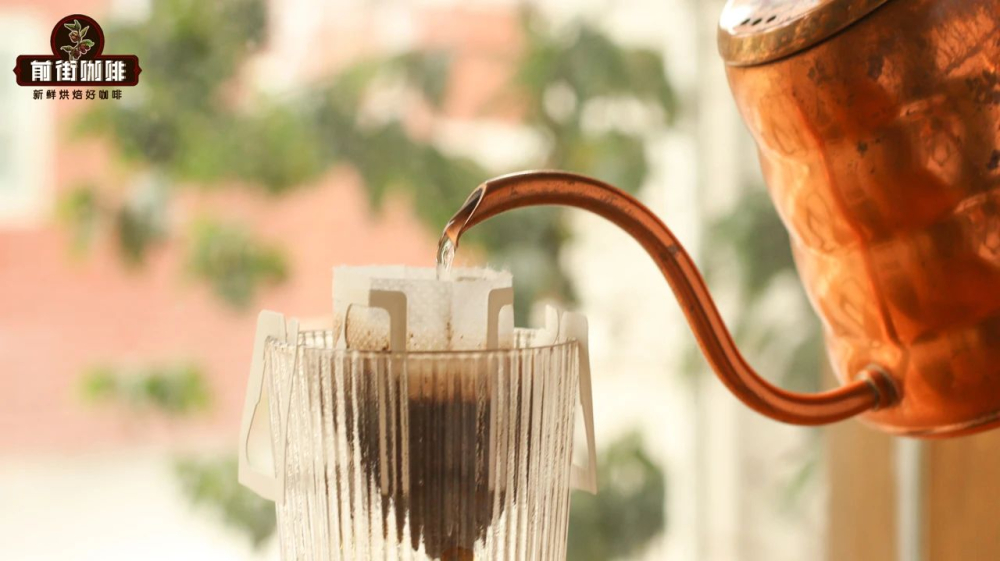
Earl coffee, like pour over, is a form of drip extraction but greatly simplifies the operation process. Without tedious timing or expensive equipment, you can easily obtain a fragrant cup of coffee—this is its greatest advantage. Next, we’ll explore multiple operational aspects to show you how to improve the brewing performance of earl packs.
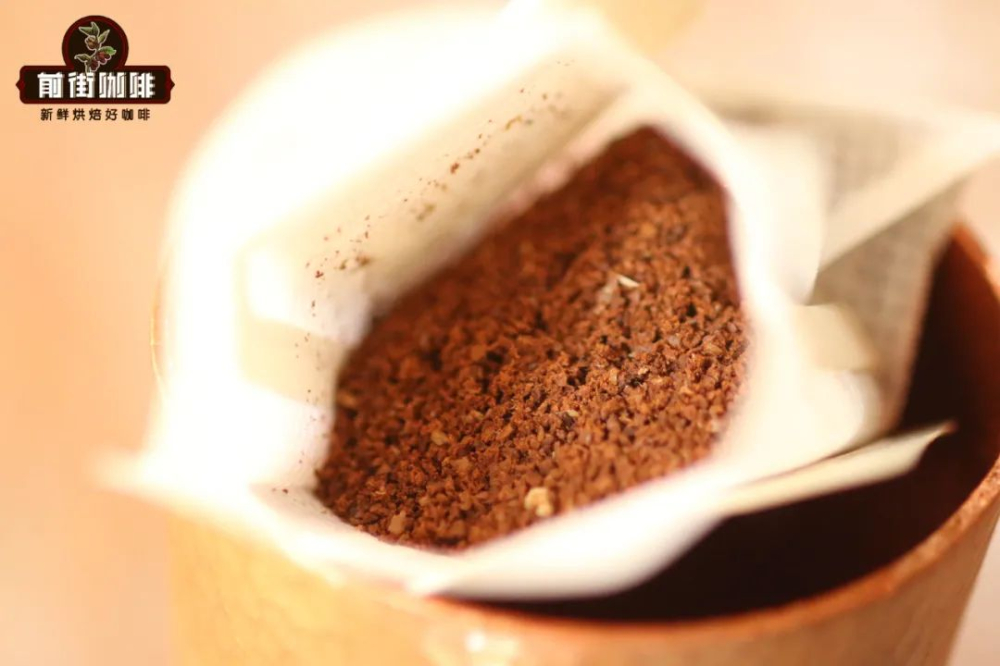
So-called earl coffee involves grinding roasted coffee beans into powder and packing them into a sealed filter bag. The bag features "ear" structures on both sides that can be fixed to the rim of a cup. As long as you have hot water and a container, you can brew anytime. Once the package is opened, inside is a degradable non-woven fabric filter bag containing the coffee grounds. During brewing, hot water passes through the coffee layer, extracting flavor compounds, while the insoluble coffee grounds are effectively filtered out by the bag, ensuring a pure, sediment-free coffee liquid.
The coffee grounds inside an earl pack are typically ground from freshly roasted beans, aiming to preserve the original aroma of the beans to the greatest extent. Coffee beans requirea 4–7 day degassing and resting periodafter roasting before entering their optimal flavor window. Taking practical experience as an example, the beans shipped out are usually from batches roasted withinthe last 5 days. By the time the earl packs reach you, they are generally4–5 days post-roast—the golden period ideal for starting to brew.
Since the extraction principle of earl is the same as that of pour over, the grind size should also align with pour over standards. To facilitate extraction, earl coffee often uses small single-serve portions, with common per-pack fillings of10 grams.
The brewing steps for earl coffee itself are not complicated—just pour hot water over the coffee grounds and wait for the dripping to finish. However, flavor performance is influenced by multiple factors such as coffee-to-water ratio, water temperature, and pouring technique. If you want to achieve great-tasting earl coffee, it’s recommended to pay attention to the following key details to optimize your brew.
First, prepare hot water at sufficient temperature—higher heat helps extract more aromatic compounds from the coffee grounds. The recommended water temperature range for pour over is86–93°C; if the water is only around 80°C, the resulting coffee often tastes thin; boiling water can easily lead to burnt or bitter flavors. A practical suggestion is to let boiled water sit with the lid off for1–2 minutesuntil the temperature drops to about90°Cbefore use.
The coffee-to-water ratio is also a key factor in pour over. Brewing at a1:12ratio may result in overly strong coffee with only bitterness remaining; using a1:18ratio can make the coffee taste flat and lacking aroma due to excessive water. It’s recommended to start with a1:15ratio, namely10 grams of coffee grounds to 150 grams of hot water. At this ratio, the flavor is relatively balanced, and the extraction process is more stable. If you don’t have a scale, a measuring cup with markings can be used as an alternative.
Before brewing, boil the water, tear open the sealed package to remove the earl pack, and cut along the dotted line to open the non-woven fabric pouch. Then unfold the two "ears" and securely hang the earl pack on the rim of a cup or a sharing pitcher.
In the first stage, inject a small amount of hot water to fully wet the coffee grounds, and let it bloom for about10–20 seconds. This helps release gases from the coffee bed and establishes a stable foundation for subsequent extraction. In the second stage, pour with a gentle, steady stream of small water until the liquid level nears the brim, then wait for the coffee to drip down to nearly empty. Finally, pour the last segment of water to fill it up, and wait until all the coffee liquid has completely dripped through to complete the brewing process.
Before drinking, gently swirl the cup to mix the coffee liquid evenly and enjoy the pure flavors of black coffee; or adjust to your taste with an appropriate amount of sugar or milk.
The bean list includes over fifty single-origin coffees from different regions, such as classic Ethiopian Yirgacheffe Guji Dingding, Jamaican Blue Mountain No.1, and Costa Rica Mozart—all of which can be made into earl packs. However, note that earl requires pre-grinding, and the increased surface area of coffee grounds compared to whole beans causes aroma to dissipate more easily. It’s recommended to consume them soon after receiving. For the fullest flavor experience, consider buying whole beans and grinding them fresh before brewing, which will yield even more outstanding layers.
The above content is compiled by CoffeeHunters, a coffee news website.


