








Introduction:The Gesha Village Estate in Ethiopia is a key origin of the Gesha variety. Its rigorous grading system and unique microclimate have given rise to multiple top-tier coffees with distinct flavor profiles. This article delves into the origins, proportions, and cupping characteristics of different grades—Gold Label, Red Label, Green Label, Chaka, and Auction Lots—and provides a practical three-stage pour-over method for the Red Label Gesha to help coffee enthusiasts better understand its multi-layered flavors and optimal brewing essentials.
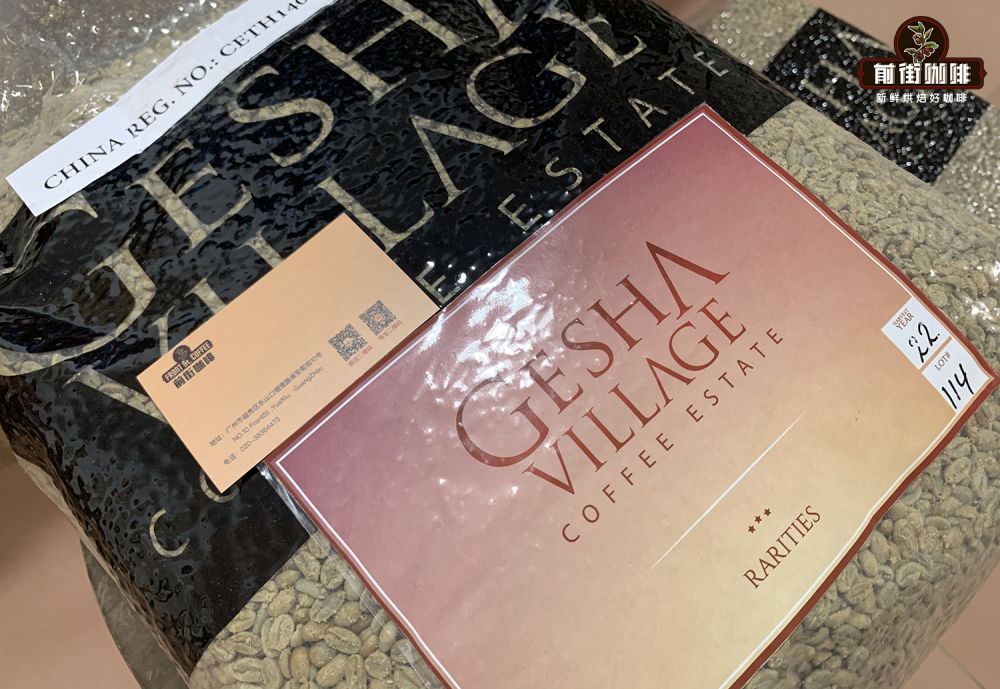
Nestled in Ethiopia’s Bench Maji region, the Gesha Village Estate is the world-renowned birthplace of the Gesha variety and home to the Gori Gesha Forest. Through the collaboration of estate owner Adam and consultant Willem Boot, they carefully selected genetic material closely related to Panamanian Gesha from wild Gesha trees and established a comprehensive quality grading system. This includes five tiers—Auction Lots, Gold Label, Red Label, Green Label, and Chaka—allowing consumers to choose different levels of Gesha experiences based on their preferences.
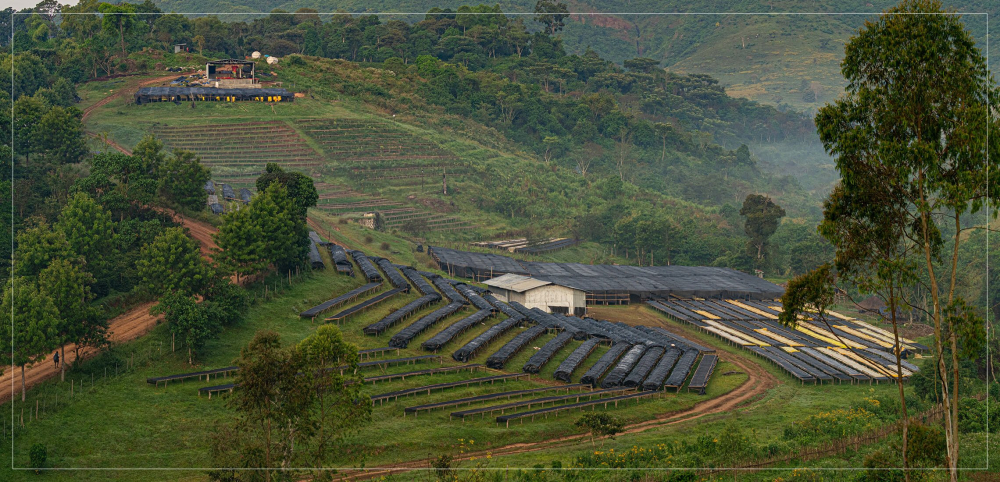
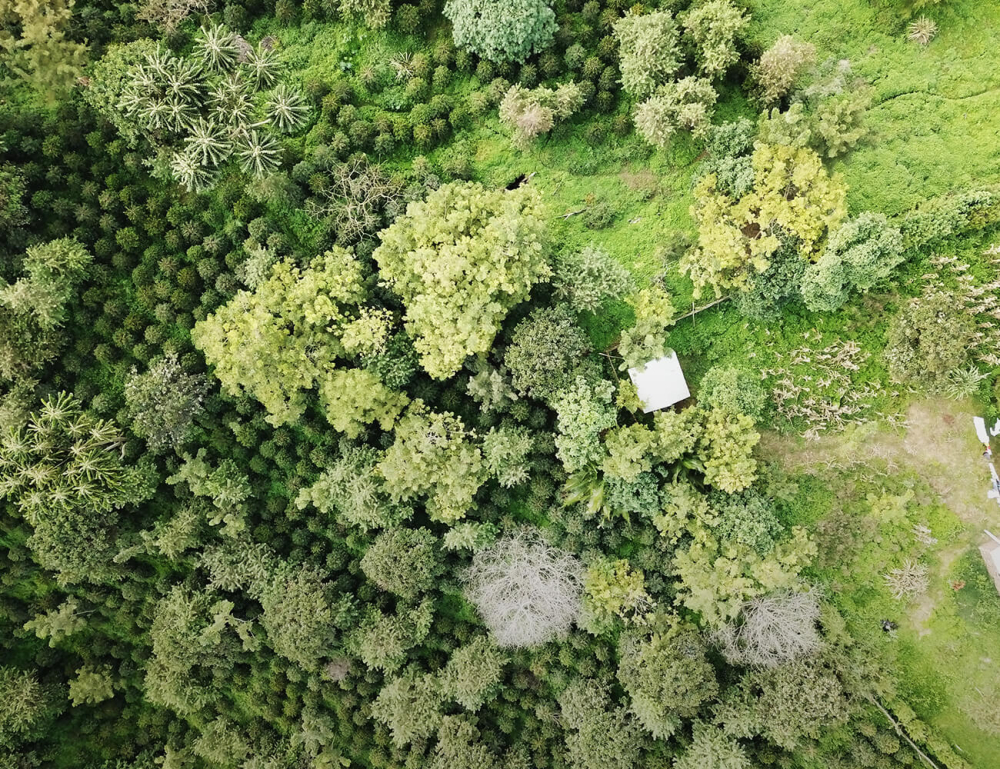
The story dates back to 2011, when Adam, guided by his consultant, ventured deep into the jungles surrounding the estate and discovered a rarely visited wild forest that harbored precious wild Gesha varieties. It was later confirmed to be the renowned Gori Gesha Forest—the original source where the Gesha variety was first discovered. The research team collected seeds from the original Gesha plants, and genetic testing verified that this was the original collection site of the Panamanian Gesha variety. Building on this foundation, they cultivated a variety most similar to today’s well-known Panamanian Gesha, officially marking the beginning of the Gesha Village Estate’s legendary journey.
The Gesha Village Estate is located in a high-altitude mountainous region with abundant rainfall year-round, a temperate climate, and exceptional microclimatic and soil conditions, creating an ideal environment for growing specialty coffee. However, unlike Panama, where a single Gesha cultivar is predominantly planted, the estate actually cultivates three main Gesha varieties: Gori Gesha, Gesha 1931, and Illubabor Forest. To maintain product consistency and flavor stability, the estate has established a strict grading system, categorizing the coffee into Auction Lots, Gold Label, Red Label, Green Label, and Chaka based on cupping results, regional characteristics, and processing methods. This allows consumers to make choices according to their preferences and budgets.
The Auction Lots from Gesha Village are the highest grade, accounting for only 3.7%of the total production. Each batch comes with complete traceability information on origin and processing, delivering exceptionally delicate and layered flavors. These are premium lots selected through multiple rigorous screenings and are typically available only through official auction channels. 10%The Gold Label Gesha is the preferred choice for many international competition participants and high-end roasters, making up about
of the annual production. It offers outstanding traceability and distinct flavor characteristics. Cupping experience shows that Gold Label batches often exhibit rich aromas of citrus, berries, honey, and caramel, with impressive dry and brewed notes. In terms of processing, Gesha Village primarily uses traditional sun-drying, especially during the dry season from December to March of the following year. This period, with minimal rainfall, is ideal for natural drying under sunlight to preserve maximum floral, fruity flavors, and sweetness. The traditional method involves evenly spreading freshly harvested coffee cherries on African raised beds, turning them regularly to ensure even fermentation. The entire drying process takes about21 to 40 days 12% until the moisture content drops to
before hulling. 15%The Green Label Gesha is a single-origin, single-variety product, with each batch providing detailed traceability information, including the region name, variety, and processing date. This grade does not set a specific cupping score threshold, making it relatively beginner-friendly and an excellent choice for experiencing the original flavors of Gesha. The Red Label Gesha accounts for aboutof the total production. It uses the Gori Gesha variety, with cupping scores generally exceeding

18 to 30 days
, supplemented by manual sorting to ensure consistent bean appearance. Practical testing of this Chaka natural batch revealed bright notes of citrus, berries, and oolong tea, with balanced sweetness and acidity—suitable for consumers who enjoy diverse flavor layers.
- Due to Gesha coffee’s naturally intense floral and complex fruit characteristics, medium-to-light roasting is recommended to fully highlight its delicate acidity and aromas, with slight adjustments made based on the batch. For the Red Label Gesha, here is a practical pour-over parameter suggestion to help you recreate the iconic fresh floral and fruity flavors of Gesha Village at home.
- Red Label Gesha Pour-Over Recommendation (Three-Stage Extraction):91-92°C
- Filter: V6015g
- Water Temperature:1:15
- Coffee Dose: 80%Coffee-to-Water Ratio:
Grind Size: Granulated sugar size (about 20-mesh sieve retained at
- ) Step-by-Step Instructions:Place 15 grams of coffee grounds in the filter, then pour 30 grams of hot water for blooming for about
- 30 seconds , starting the timer simultaneously. It is recommended to pour in a slow, outward spiral from the center to ensure even saturation of all coffee grounds. Next, pour 120 grams of hot water. At this stage, you can slightly increase the water flow, aiming to complete the pour by the 55-second mark, reaching a total water volume of
- 150 grams , which helps lift the coffee bed and extract more flavors. Finally, when the coffee liquid level drops to half, pour 90 gramsof hot water. At this point, use a smaller water flow and control the pouring range to avoid disturbing the coffee bed structure. The total yield is 240 grams , with a dripping time recommended to be around
2 minutes and 10 seconds
The above content is compiled by CoffeeHunters, a coffee news website.


