







Introduction:Drip bags are an ideal choice for many coffee enthusiasts when traveling or at home, thanks to their simple operation and portability. This article will delve into the basics of drip bags, the correct brewing steps, as well as three common misconceptions among beginners. It also provides practical parameters and detailed explanations to help you easily brew a cup of coffee with balanced flavor and rich aroma.
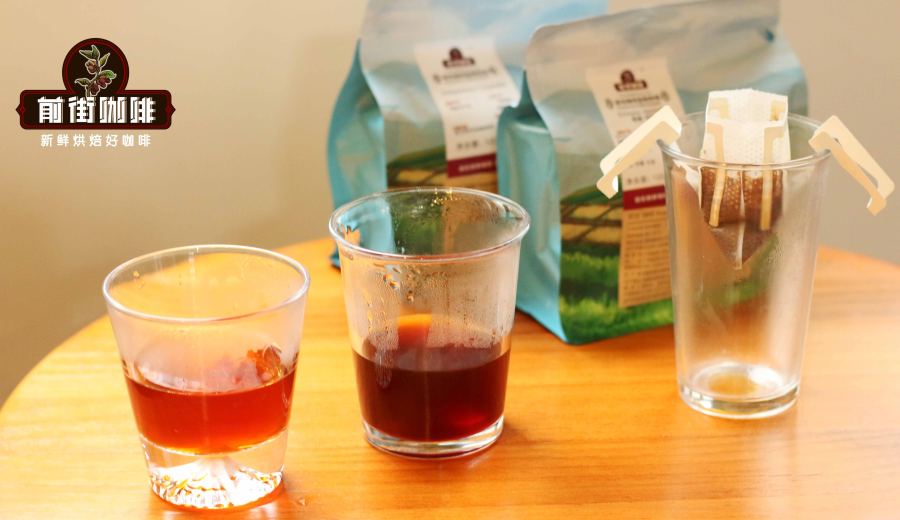
Drip coffee bags have gradually become the go-to option for many coffee lovers who want to enjoy good coffee conveniently while traveling or in daily life. According to relevant surveys, about 33% of users choose to carry drip bags when traveling to meet their coffee needs on the go. This form of coffee involves pre-ground coffee powder packed in a filter bag with two side "ears." All you need is hot water and a cup to complete the brewing. Compared to traditional pour over, drip bags also use the filtration extraction method but eliminate the hassle of grinding beans, preparing filter paper, and using a filter dripper, making it easy for beginners to get started.
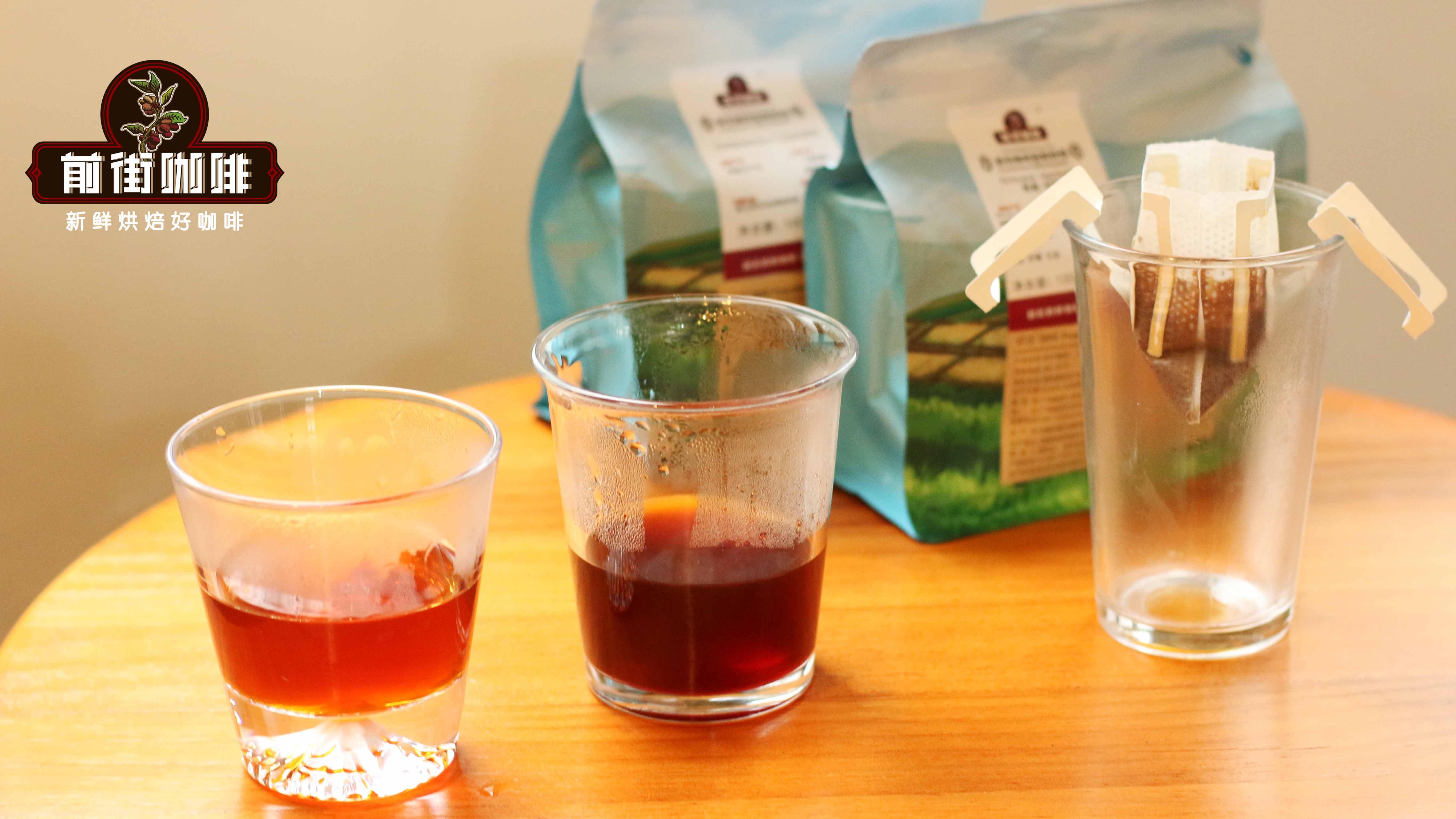
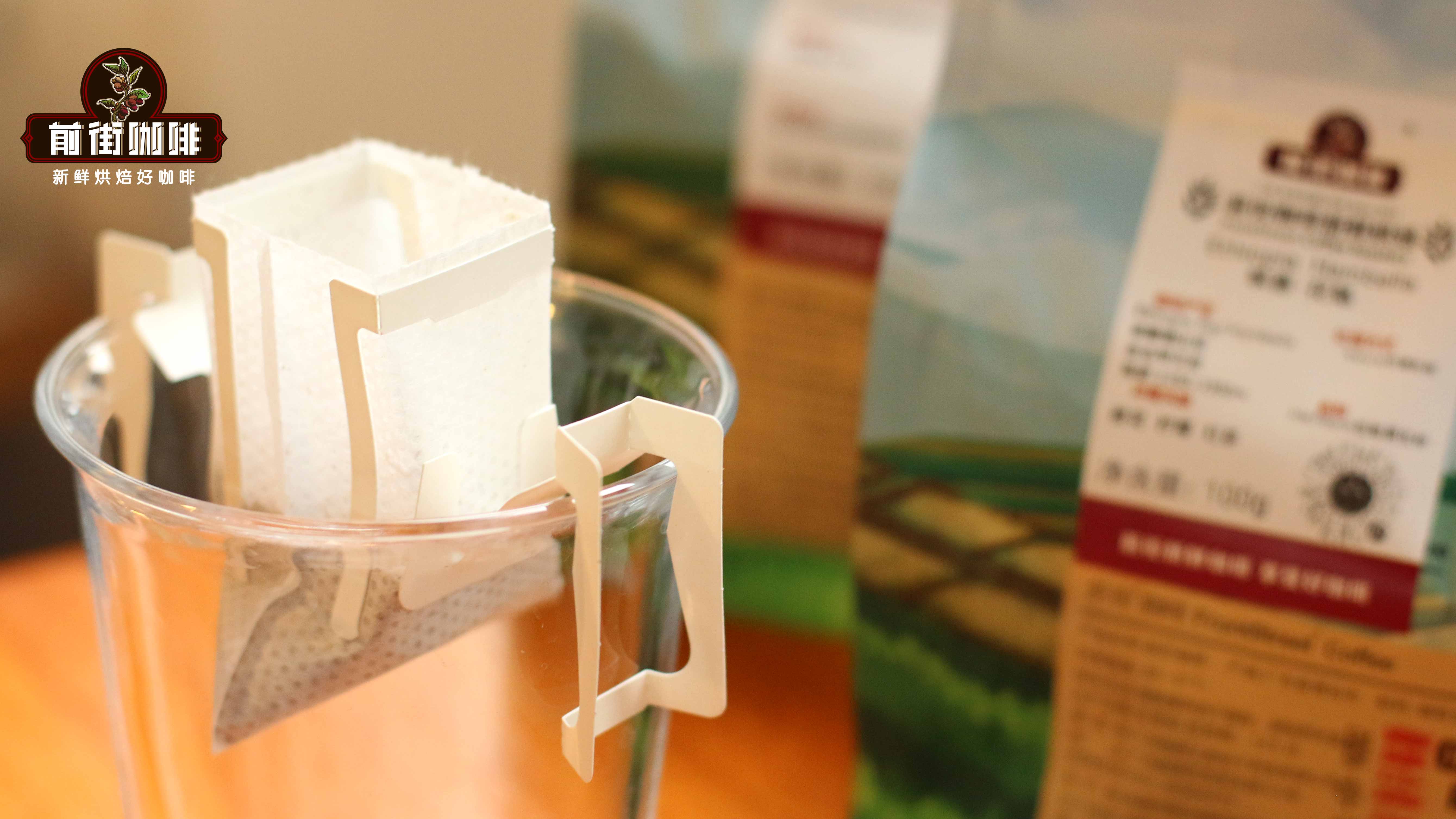
Surveys show that when asked, “How do you drink coffee while abroad or traveling?” as many as 33% of travelers say they bring drip coffee bags. This design involves sealing pre-ground coffee powder in a non-woven, sealed bag with “ears” on both sides that can be hung on the rim of a cup. As long as you have hot water and a cup, you can enjoy a freshly brewed cup of coffee no matter where you are. The extraction principle of drip bags is the same as that of pour over — hot water passes through the coffee grounds, extracting the flavor compounds, which then drip through the filter into the cup.
Since the coffee powder is pre-ground and sealed, drip bags eliminate the need for additional grinders, filter paper, or filter drippers, significantly lowering the barrier to brewing. The filter bag material is often biodegradable non-woven fabric, which can stably filter out coffee grounds while fully presenting the aroma and taste of the coffee. If you’re new to coffee and unsure about various brewing methods, drip coffee is a very suitable entry-level choice.
Currently, most drip coffee on the market is made from single-origin coffee beans, allowing you to experience the unique flavors from different regions, such as citrus, nuts, caramel, or floral notes. For first-timers, it’s recommended to start with a blend that includes classic regional flavors. These products often feature renowned origins like Ethiopia’s Yirgacheffe, Brazil’s Cerrado, Kenya’s tomato-like notes, Panama’s Geisha, Indonesia’s Mandheling, and Honduras, offering a variety of flavors to help you explore your personal preferences.
Although drip bags are intuitive to use, there are still some common mistakes that can affect the final coffee flavor. Here are the three most common issues beginners tend to make:
1. Can you steep the whole drip bag in hot water?
Many users, when using a drip bag for the first time, will directly soak the entire bag in hot water. The result is often a cup of extremely weak-tasting coffee. This is because the filter bag limits the contact area between the hot water and the coffee grounds, significantly reducing extraction efficiency and preventing the full release of flavor compounds, resulting in under-extraction.
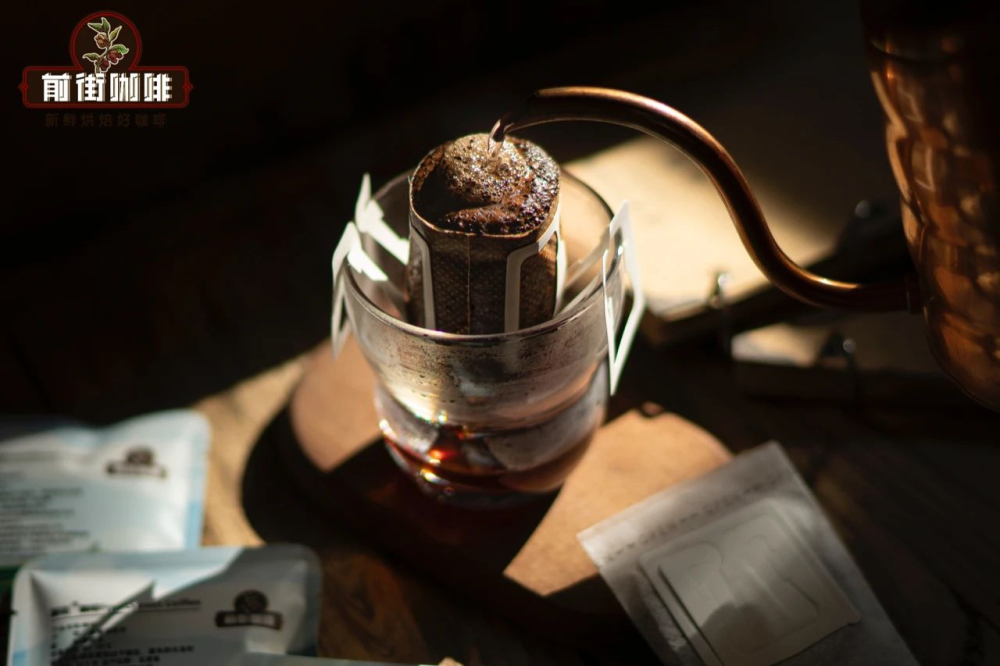
The correct method is: after removing the outer packaging, hang the drip bag on the rim of the cup, then pour hot water in segments using the pour over method. Most commercial drip bags contain about 10 grams of coffee powder per pack, and it is recommended to use a 1:15 coffee-to-water ratio, which means pouring about 150 milliliters of hot water. First, evenly wet the coffee layer and let it bloom for about 10 to 20 seconds. Then, steadily pour water with a thin stream. When the water level nears the top, pause to let the coffee drip through. After the dripping finishes, proceed with the final pour until the desired amount of water is reached. Finally, gently stir the coffee in the cup to balance the flavors.
2. Can you brew drip coffee more than once?
The answer is no, it’s not recommended. Because most of the flavor and aroma are already released during the first brew, the remaining coffee grounds can only yield diluted and weak-tasting substances, which may even carry woody or astringent notes. Although a second brew isn’t harmful to health, the taste noticeably declines and is far from the first brew. If you don’t want to waste the coffee grounds, consider repurposing them as deodorizers, cleaning agents, or plant fertilizer to extend their use.
3. How long can drip bags be stored?
Since the coffee powder has been ground into fine particles, its surface area exposed to air increases significantly, making it easier for aroma and flavor compounds to dissipate over time, thereby affecting the overall performance of the coffee. If left for too long, not only will the aroma become faint, but it may also develop a stale, woody taste. It’s recommended to consume the product within 30 days of purchase to enjoy the best flavor experience.
When purchasing drip coffee, pay special attention to the roast date and storage method of the product. Freshly roasted coffee powder retains more volatile aromatic compounds, resulting in richer aroma and taste after brewing. Ideally, choose products that are produced within five days of roasting and can be quickly delivered to ensure minimal time from grinding to brewing, allowing each cup of coffee to perform at its best.
The above content is compiled by CoffeeHunters, a coffee news website.


