








Introduction:Blended coffee beans achieve a balanced flavor and rich complexity by combining beans from different regions. For readers who are new to coffee, understanding common blending strategies, roast levels, and suitable usage scenarios can help you more precisely find your preferred taste. This article will analyze three representative blend combinations and explore in depth the characteristics of medium roast, dark roast, and decaf blends to help you build foundational knowledge and further explore the diverse possibilities of coffee.
Blended coffee beans refer to those made by mixing beans from two or more different origins in specific proportions. The goal is to create a more balanced taste and richer flavor profile by complementing the characteristics of different beans. Whether for home brewing or café use, blended beans are a quite common choice, especially when making espresso or milk-based coffee, where their stable flavor performance is a major advantage.
For beginner coffee enthusiasts, understanding the logic behind blends—such as bean origin, roast level, and proportion allocation—can effectively help you choose the most suitable blend type based on your personal taste. Generally speaking, blends are designed to balance acidity, sweetness, body, and aftertaste, so even beginners can enjoy a rich and varied coffee experience through appropriate selection.
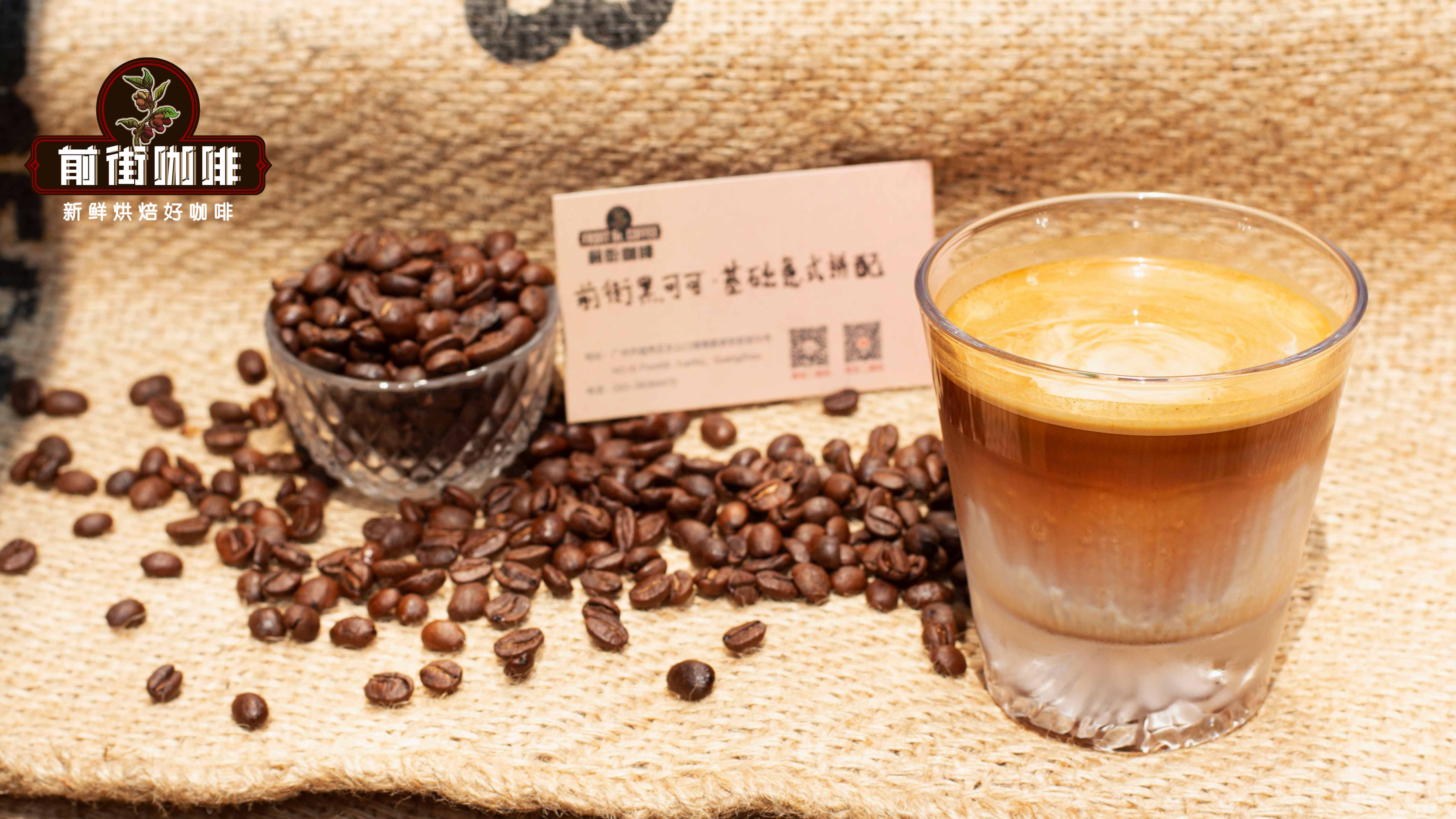
Currently, the most common blends on the market can be roughly divided into three directions: medium roast, dark roast, and decaf blends, each with its unique flavor expression and suitable scenarios. Medium roast blends usually have distinct sweetness and fruity notes, with a balance between acidity and bitterness, making them suitable for people who prefer milder flavors; dark roast blends emphasize intense, heavy flavors, with more noticeable bitterness but a long finish, commonly found in classic Italian-style coffees; as for decaf blends, they are designed for those who are sensitive to caffeine but still want to enjoy the flavor of coffee, and also come in a variety of roast options.
When choosing a blend in practice, it’s recommended to start from your preferred flavor profile. For example, if you don’t like strong acidity, you may want to prioritize medium-dark or dark roast blends, which often feature warm notes such as caramel, chocolate, and nuts, delivering a smoother and fuller taste. On the other hand, if you prefer bright, refreshing acidity with sweet tones, you might try medium roast or light roast blends, which are more likely to highlight elements like fruitiness and floral notes, with a relatively lively complexity.
Taking a closer look at common blend combinations, many classic recipes actually follow certain rules. For instance, common blends often use Brazilian beans as the base, providing stable body and low acidity, then paired with beans from Indonesia or other Central and South American regions to add complexity and distinctive flavors. Some blends also include a small amount of Robusta beans to enhance the body and richness of the coffee, especially when making lattes or cappuccinos, helping to improve overall smoothness and creaminess.
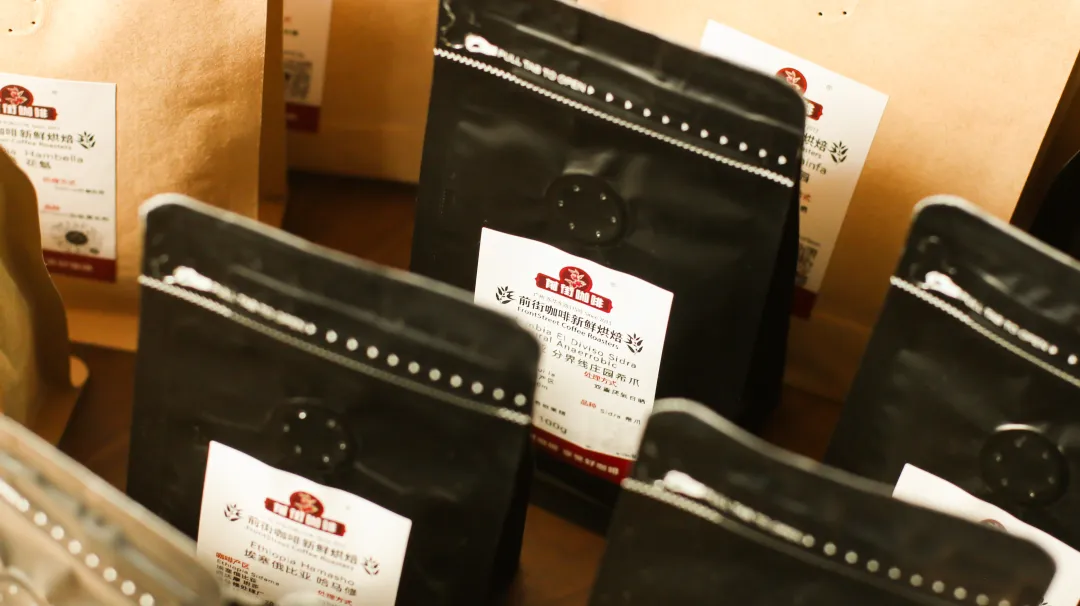
Dark roast blends typically deliver more intense flavor profiles, such as rich chocolate, plum, nut, and caramel aromas, with more noticeable bitterness that can support the overall structure. They are suitable for consumers who prefer bold flavors or pairing with milk. These blends are not only ideal for making espresso but are also the go-to base for many classic lattes or Americanos, offering high stability and easy control over extraction performance.
In contrast, medium roast blends place more emphasis on balance, with a more neutral interplay of acidity, sweetness, and bitterness. They are often used in coffee drinks aiming to showcase fruity, caramel, or creamy notes. With proper grind and extraction parameters, these blends can reveal delicate layers, making them suitable for users seeking diverse flavors without too much intensity, and are also a great choice for many home users trying blends for the first time.
As for decaf blends, although the caffeine content is significantly reduced, it doesn’t mean the flavor is compromised. Many decaf blends also use medium-dark or dark roast processes, focusing on rich chocolate, nut, and spice aromas, making them suitable for enjoying in the evening or at night without affecting sleep. These blends offer great flexibility—you can adjust the roast depth and proportions according to personal preference to find your ideal balance.
In summary, the charm of blended coffee beans lies in their high adaptability and diversity. Whether you’re just starting out with coffee or are already an experienced enthusiast, you can expand your coffee experience by understanding the basic principles of blending and roast characteristics. From the balanced sweetness of medium roast to the rich fullness of dark roast, and the lighter, lower-impact options of decaf, each type of blend has its unique appeal, worthy of careful tasting and exploration.
The above content is compiled by CoffeeHunters, a coffee news website.


