







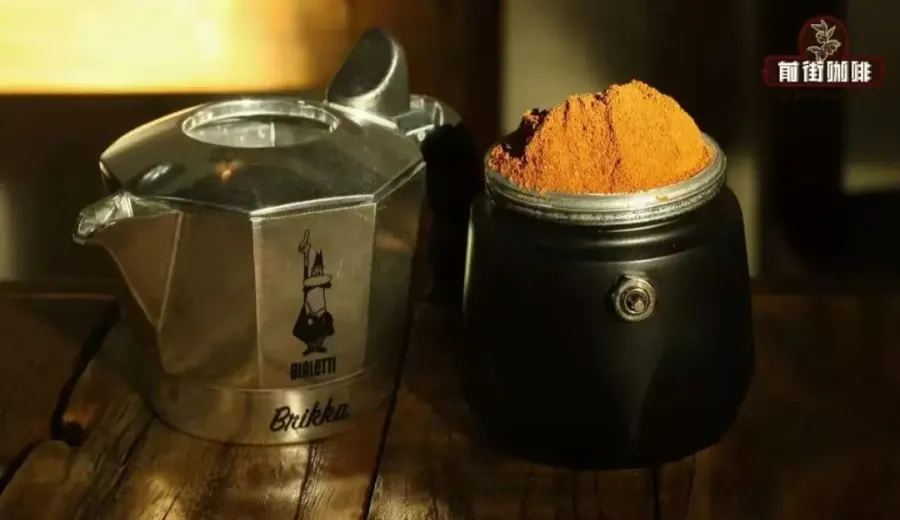
Introduction:As a classic home brewing device for making espresso-style coffee, the Moka pot is simple to operate yet highly particular about extraction details. Many believe that adjusting pressure or water temperature is key, but in reality, the roast level and freshness of the coffee beans are the main factors affecting flavor. This article delves into the extraction principles of the Moka pot, explains why medium to dark roasted beans are more suitable, and recommends three blends that perform exceptionally well in tests. It also guides you step-by-step through the correct operation process—from water temperature control, coffee bed distribution, to flame adjustment and shutdown timing—to effectively avoid overly sour or over-extracted bitterness, and brew rich, full-bodied espresso-style coffee.
The Moka pot is a coffee brewing device that combines heating and pressurization principles. It can be operated using a gas stove or induction cooktop, and compared to other professional equipment, it has a low entry barrier. However, if you want to brew a rich, espresso-style coffee, selecting the right coffee beans is far more important than adjusting numbers. This article starts with the operating principle of the Moka pot, analyzes why medium to medium-dark roasted coffee beans can highlight their advantages, and shares three blends that have performed outstandingly in actual use to help you improve your home extraction quality.
The Moka pot is flexible in how it's used and can be heated with either an induction cooker or an open flame. No matter which heat source you use, the basic principle is to heat the lower chamber to raise the water temperature. During the heating process, the air inside the pot expands due to heat, creating pressure that pushes the hot water upward through a filter filled with ground coffee in the middle, eventually extracting the coffee liquid into the upper chamber. This pressurized extraction method is similar to that of a commercial espresso machine, though at slightly lower pressure, yet still capable of delivering a rich coffee flavor.
Among the many factors influencing the flavor of Moka pot coffee, the choice of coffee beans is the most critical, followed by extraction parameters, and finally the drinking method. Because the Moka pot operates under high temperature and a certain amount of pressure, it intensifies the coffee’s flavors, resulting in a fuller body and noticeable mouthfeel. If you use light-roasted beans, they tend to extract too much acidity and lack oily layers, making the overall flavor thin and not well-rounded. If roasted too dark, it can easily produce burnt bitterness and smokiness, masking the original aromatic characteristics of the coffee.
Therefore, choosing coffee beans within the medium to medium-dark roast range is the most suitable combination for the Moka pot. These beans typically offer a balance of acidity and sweetness, rich aroma, and moderate body, not only showcasing the multi-layered flavors of the coffee but also avoiding issues of over-extraction or under-extraction.
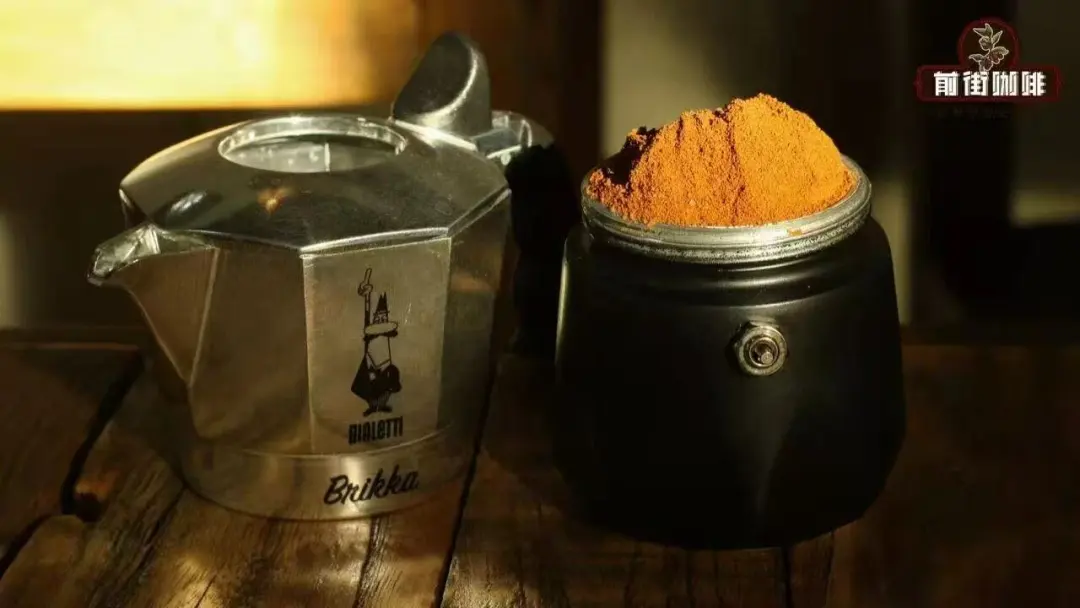
In addition to roast level, the freshness of coffee beans is also a significant factor affecting extraction results. Freshly roasted coffee beans not only have vibrant flavors, but also abundant active compounds that help improve extraction efficiency and overall taste. It is recommended to choose beans roasted within five days and to use them as soon as possible after grinding to achieve the best performance.
Although there are many coffee brands to choose from, brands that offer consistent roasting and stable quality are more helpful for beginners using a Moka pot to achieve ideal results. Some well-known local roasters offer various origin blends, tailored to the needs of espresso extraction. They are suitable for both home use and small shops. Moreover, these brands often emphasize freshly roasted beans and fast shipping to ensure consumers receive high-quality coffee.
Below are three blends that have been tested and proven suitable for use with the Moka pot. Each has its unique flavor profile, showcasing different levels of richness:
1. Dark Cocoa Espresso Blend
This blend is known for its balanced taste, featuring distinct nutty and chocolatey aromas, with stable and layered flavors. Whether used with a Moka pot or a home semi-automatic espresso machine, it delivers consistent performance, offers great value, and is suitable for users seeking everyday stable flavor.
2. Classic Espresso Blend
Centered around caramel and dark chocolate notes, it has a clean aftertaste, low acidity, and fine, rich crema. Its flavor profile is clear, suitable for daily home drinking, and also provides stable output for café use.
3. Strawberry Candy Espresso Blend
This blend presents a complex fruity floral profile, including notes of floral, strawberry taffy, dried blueberry, and almond. When brewed with a Moka pot, it is not bitter at all, with outstanding sweetness and overall balance, making it perfect for users who enjoy fruity flavor profiles.

Next, we explain the correct steps for using a Moka pot. From preparation to the end of extraction, each step affects the final flavor. It’s recommended to follow this procedure:
① Add Water
Pour hot water into the lower chamber, filling it to about 0.5 cm below the safety valve. Using hot water reduces heating time and improves overall extraction efficiency.
② Fill Coffee Grounds
Place finely ground coffee (close to standard espresso grind size) into the middle filter. Gently tap it from side to side to allow the grounds to settle naturally, then level the surface with a spoon—do not tamp it down, as excessive pressure can hinder water flow.
③ Assemble the Moka Pot
Reinsert the coffee chamber into the lower chamber, then screw the upper chamber tightly. Reminder: since the lower chamber contains hot water, always use a cloth for insulation to avoid burns during handling.
④ Begin Heating
Place the Moka pot on an electric or gas stove and start heating. It’s recommended to use medium to high heat to quickly raise the temperature.
⑤ Observe Sounds & Adjust Flame
When you hear a distinct "wuu wuu" sound, it means the pot has reached proper pressure. At this point, reduce the flame and slightly lift the upper chamber lid to observe the coffee beginning to flow out.
⑥ Control Extraction Volume
When about half of the coffee has flowed out, it’s recommended to turn off the heat to avoid over-extraction and bitterness. Residual heat will push the remaining coffee into the upper chamber.
⑦ Finish & Customize
Pour the coffee from the upper chamber into a cup. Moka pot coffee is usually strong, so you can add water to make an Americano based on personal taste, or add milk to make a latte, enjoying a variety of flavors.

The above content is compiled by CoffeeHunters, a coffee news website.


