







Introduction:Indonesian Mandheling is a globally renowned and representative single-origin bean from Sumatra, famous for its full body, low acidity, and distinctive earthy and spicy notes. This article delves into its historical background, wet-hulled processing method, and provides an in-depth look at the regional characteristics and flavor profiles of four classic Mandheling types: Lintong, Golden, Tiger, and Aged. With practical pour-over brewing tips and KONO filter cup parameters, it helps coffee enthusiasts easily extract the round and rich flavors of Mandheling at home.
Mandheling is arguably the most iconic single-origin coffee from Indonesia. Its full-bodied taste, low acidity, and unique earthy and herbal aromas have made it a classic favorite among many coffee lovers. This article begins with the origins of Mandheling, offers an in-depth analysis of Sumatra’s unique wet-hulling processing technique, and compares the differences in region, variety, and flavor among four well-known Mandheling types: Lintong, Golden, Tiger, and Aged. It also combines professional roasting and pour-over experience to provide the roasting approach for Golden Mandheling and KONO filter cup brewing parameters, allowing you to easily enjoy a cup of rich and layered Mandheling at home.
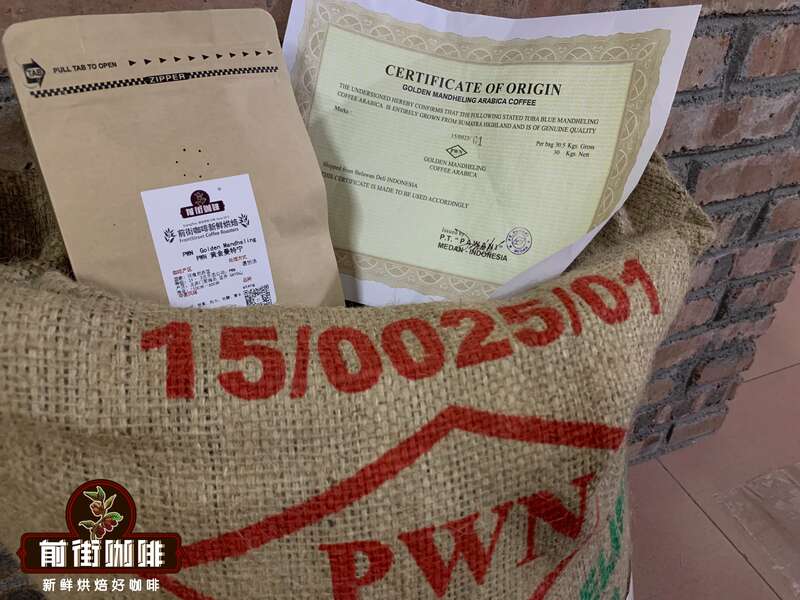
 The name "Mandheling" is actually not a region, variety, or port name, but originates from an amusing misunderstanding. During World War II, a Japanese officer tasted an exceptionally good cup of coffee at a café in Indonesia and curiously asked the shop owner the name of the coffee. Due to the language barrier, the shop owner misunderstood the question as being about his origin and replied “Mandheling tribe.” The officer, who couldn’t forget the coffee, later had a large batch imported through an Indonesian intermediary and it became very popular in Japan. The name "Mandheling" has been used ever since. That intermediary was none other than the later-renowned Pwani Coffee Company (PWN), which also holds the trademark for Golden Mandheling.
Although often categorized as Sumatran coffee, Mandheling is actually a coffee misnamed after an ethnic group, not an official growing region. Sumatra is one of the world’s well-known coffee-producing areas, encompassing the three major islands of Java, Sulawesi, and Sumatra, with Sumatran Mandheling being the most famous. The coffee in this region is mostly grown in mountainous areas at altitudes of 750 to 1500 meters. The climate and high-altitude environment give the coffee a rich, bold body, along with chocolatey and syrupy aromas. Mandheling coffee beans are typically larger in size and harder in density, with a higher defect rate during cultivation. Therefore, strict hand-sorting is required after harvest; otherwise, it can easily affect the overall quality.
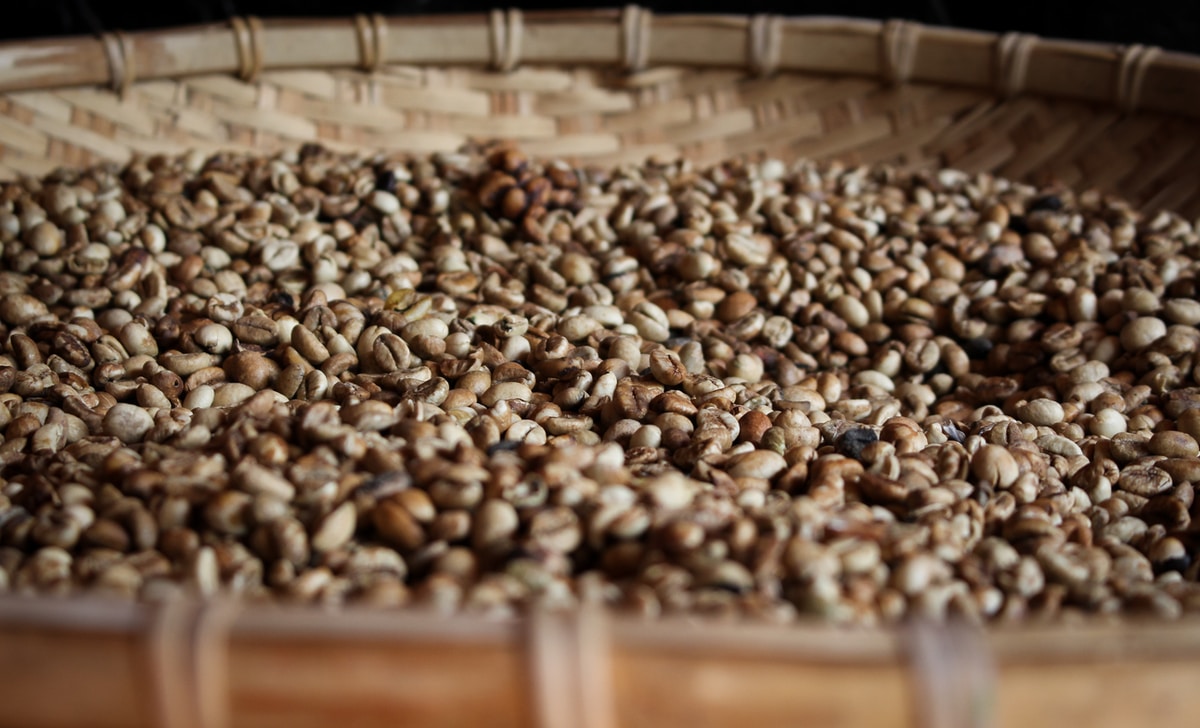
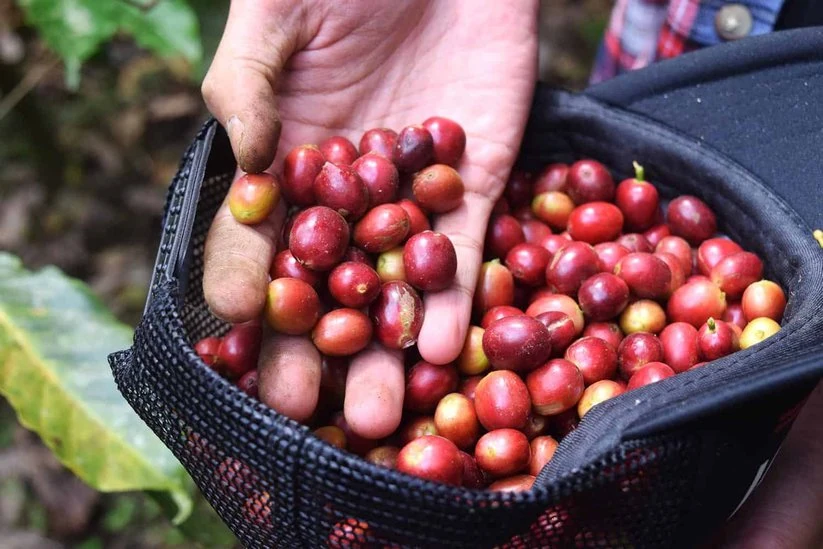 In terms of processing, Mandheling mainly uses what is called the "wet-hulled" (Giling Basah) method, a composite technique that combines wet processing with partial drying. The traditional method involves initially removing the outer skin of harvested coffee cherries, fermenting the mucilage-covered seeds overnight, then manually removing the fermented pulp and mucilage, followed by preliminary drying on thin mats. This drying process is usually stopped while the moisture content is still relatively high, after which the silver skin is removed and drying continues, eventually completing the full drying process. This special method brings out Mandheling’s signature bold, low-acid, and earthy flavors, but also makes the flavor profile less stable, thus requiring strict screening and professional export control.
Among common Sumatran Mandhelings, Lintong and Special Reserve Mandheling are two highly representative varieties. Lintong Mandheling comes from a small area southwest of Lake Toba, grown in fern-rich highland regions, typically on small private farms without chemical use or shade trees. Lintong coffee features a rich, bold flavor with natural forest-earth aromas, a long finish, and a bitter-sweet taste, making it a favorite among deep-roast enthusiasts. Special Reserve Mandheling, on the other hand, undergoes a three-year cellar storage process before export. Though called “Special Reserve,” it is not aged in the conventional sense, but rather stored in a special environment that reduces acidity and increases body, leading to a smoother and more rounded flavor, often with complex layers of spice, walnut, or chocolate.
When categorized by brand or quality grade, commonly available Mandhelings on the market include Lintong Mandheling, Golden Mandheling, Tiger Mandheling, and Aged Mandheling. Below is a brief overview of their regional characteristics and flavor profiles:
1. Lintong Mandheling
Region: Lintong, Sumatra
Altitude: 1100–1600 meters
Variety: Typica, Caturra
Processing Method: Wet-hulled
Characteristics: Larger beans with hard density, offering a rich and bold flavor with slight acidity and delicate sweetness, suitable for those who prefer a full-bodied taste.
2. Golden Mandheling
Region: Gayo Highlands, Aceh, Sumatra
Altitude: 1100–1600 meters
Variety: Typica
Processing Method: Wet-hulled
Roasting Recommendation: Due to higher moisture content, it is advised to close the air vent during the drying phase for a 30-second bloom, then gradually increase the air vent to 5 (maximum), allowing full development after first crack.
Pour-Over Parameters: Recommended filter cup: KONO; water temperature: 86°C; coffee dose: 15g; brew ratio: 1:15; grind size: medium-fine (BG#6W).
Brewing Technique: Bloom for 30 seconds, start with 30g of water, pour in small streams up to 125g, then continue pouring to 225g; total extraction time is about 2 minutes.
Flavor: Full-bodied and rich, with intense notes of nuts, caramel, and chocolate, layered complexity, and a long, balanced finish.
3. Tiger Mandheling
Region: Aceh, Sumatra
Altitude: 1500 meters
Variety: Typica, Caturra, Sidikalang
Processing Method: Wet-hulled
Characteristics: Defect rate below 4%, clean and consistent taste, blending the brightness of Caturra with the sweetness of Typica, resulting in a well-balanced profile.
4. Aged Mandheling
Region: Sumatra
Variety: Typica
Processing Method: Wet-hulled
Characteristics: Not simply left to spoil, but stored in controlled environments for 2–3 years, allowing natural acidity reduction, thicker bean texture, and deeper flavors shifting toward spices, leather, or burlap tones — a challenging choice for flavor explorers.
In summary, Mandheling is not only a representative of Indonesian coffee, but also one of the uniquely flavored classics among global single-origin coffees. From the forest-earth aroma of Lintong, to the rich balance of Golden Mandheling, the clean profile of Tiger Mandheling, and the complex layers of Aged Mandheling, each showcases the diversity and depth of the Sumatran land. If you’re a pour-over enthusiast, try experimenting with the parameters above to brew your own unique Mandheling flavor.
The above content is compiled by CoffeeHunters, a coffee news website.


