







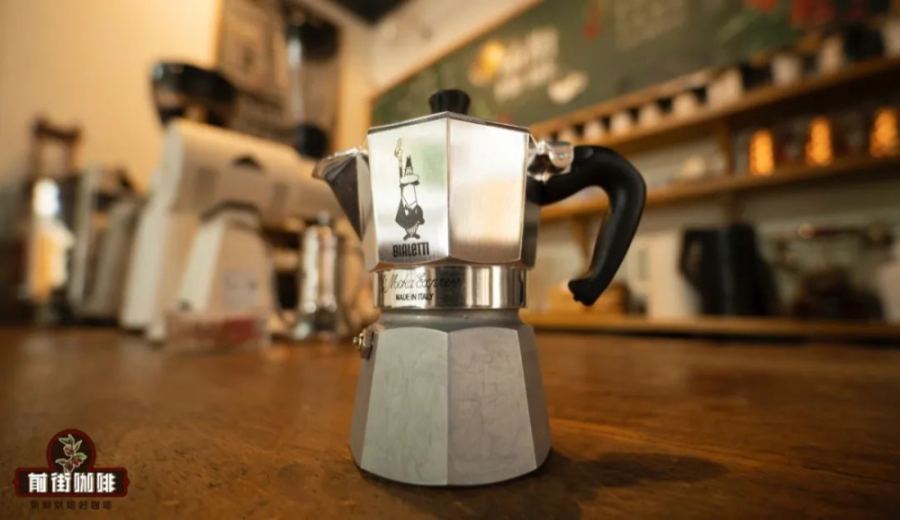
Introduction:The moka pot is a commonly used coffee brewer in many homes and offices. It’s simple to operate and affordable, but if you want to brew coffee that resembles espresso and still maintains complexity when milk is added, bean selection and brewing details are crucial. This article delves into medium-dark roasted coffee beans suitable for the moka pot, including the characteristics of classic Italian blends and the Brazilian Queen Estate SOE. It also provides a detailed guide on making a latte with a moka pot, helping you consistently extract coffee rich in crema and balanced in flavor.
Thanks to its affordability and ease of use, the moka pot has long been an essential tool for many coffee enthusiasts. Whether at home or in the office, whenever you crave a strong cup of coffee, the moka pot can quickly come in handy. However, many users encounter issues such as unstable extraction and weak flavor in practice, especially when making lattes with milk, where improper bean selection can significantly detract from the overall experience. This article will start with bean selection strategies, recommend two medium-dark roasted coffee beans ideal for the moka pot, and fully explain how to make a well-balanced latte using a moka pot.
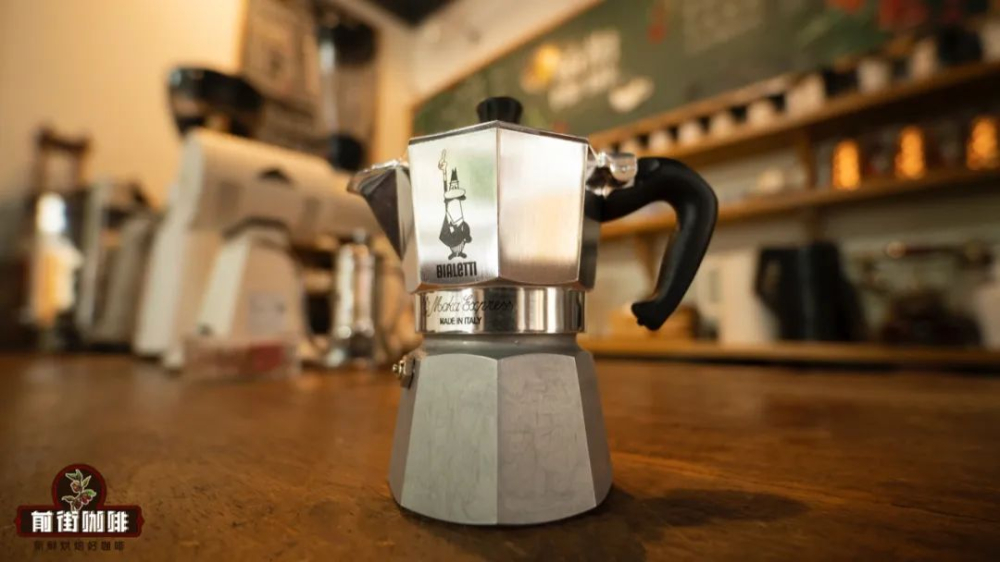
Many people assume the moka pot can only brew coffee similar to espresso, but in fact, by mastering the correct method and using the right beans, it can deliver much richer layers of flavor. This is especially important when you plan to add milk afterward to make a latte—selecting beans that provide enough crema and aren’t overpowered by the milk aroma becomes essential. Generally, medium-dark roasted beans are better suited for this purpose, as they can showcase rich chocolate, nutty, and caramel notes, along with moderate crema, which helps enhance the overall body and mouthfeel.

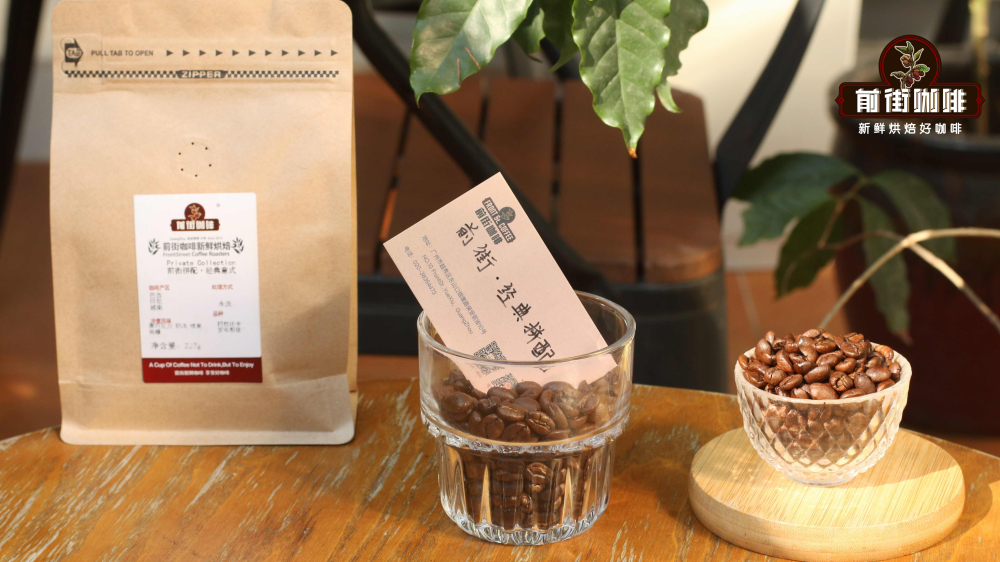
Among the many coffee beans available, a classic Italian blend is a timeless choice, inspired by the once immensely popular “Mamba Coffee.” This blend artfully combines Indonesian Mandheling and Brazilian beans, offering distinct spicy and woody aromas, while also delivering the smoothness and full body characteristic of Brazilian beans. Notably, this blend also includes a small amount of Robusta beans, significantly enhancing the crema and richness of the coffee, making it highly suitable for making lattes and aiding in the stability of latte art.
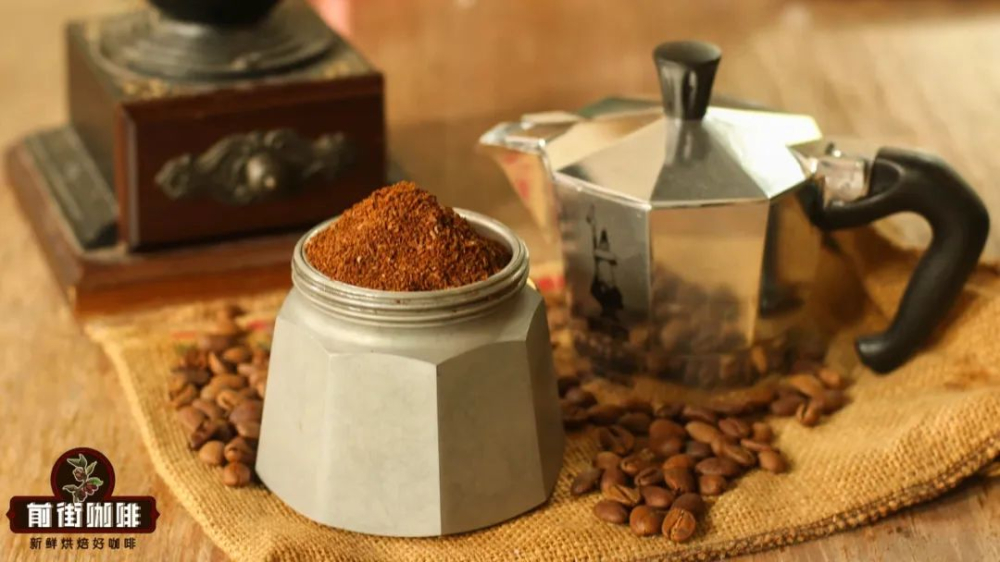
Another recommended option is a Brazilian Queen Estate SOE, a single-origin bean medium-dark roasted to highlight the aroma of roasted peanuts, cocoa, and chocolate, coupled with a hint of creamy smoothness. When brewed with a moka pot, the nutty aroma in the crema is distinctly noticeable. The overall flavor is balanced with soft acidity, making it ideal for those who prefer a mellow taste. Whether enjoyed on its own or with milk, it delivers consistent performance.
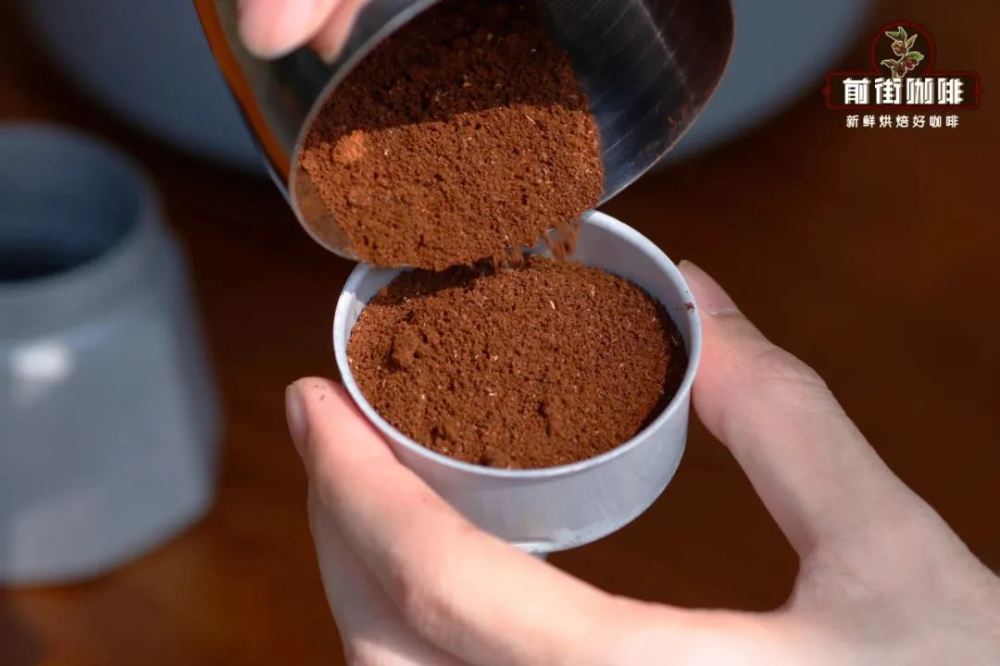
Although the moka pot can theoretically work with coffee beans of various roast levels, if the goal is to produce an espresso-like extraction and then prepare a latte, medium-dark roasting is the optimal choice. This level of roast brings out deeper flavor layers in the beans, including caramel, nuts, and cocoa, and helps form a rich crema layer, both of which are vital for the texture and visual appeal of a latte.

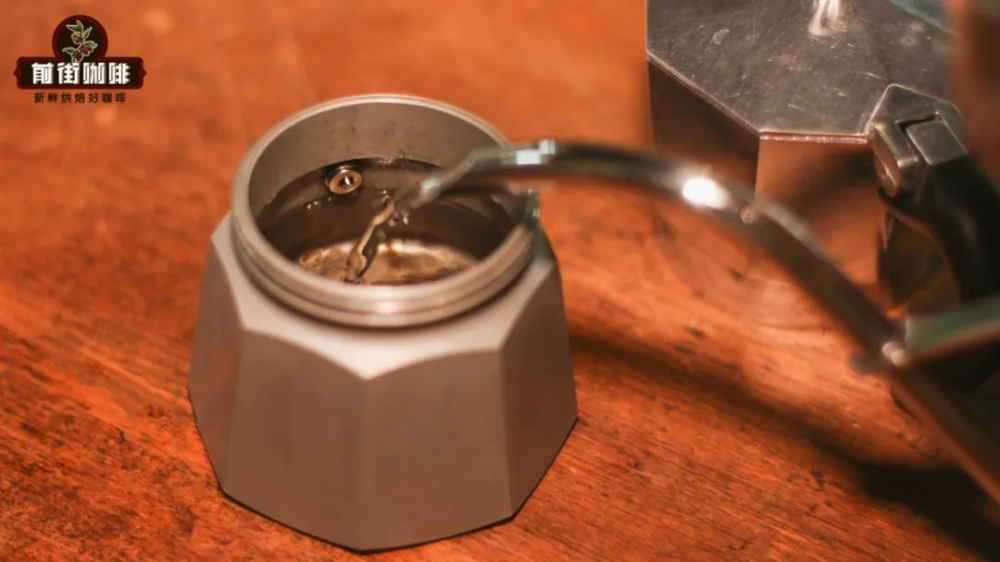
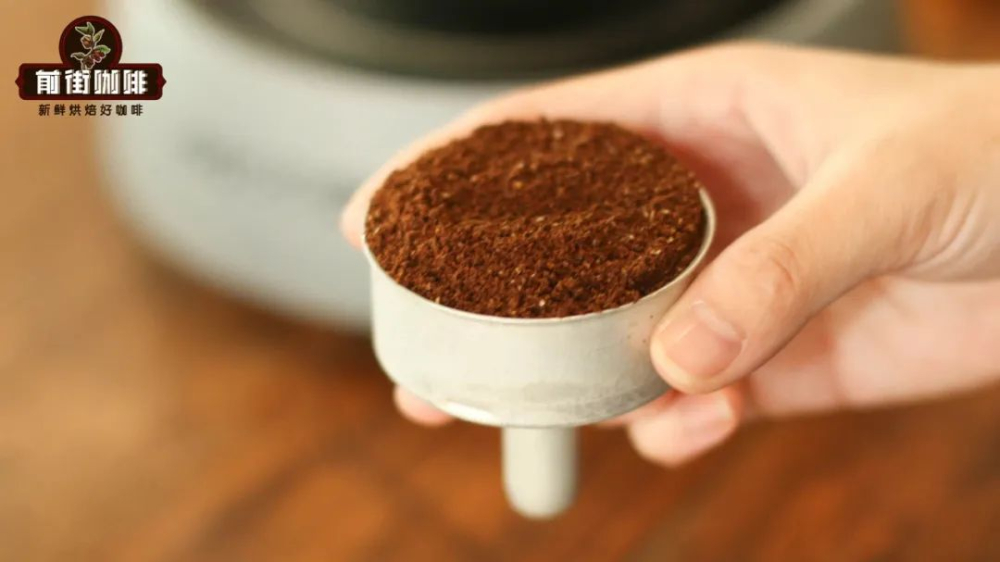
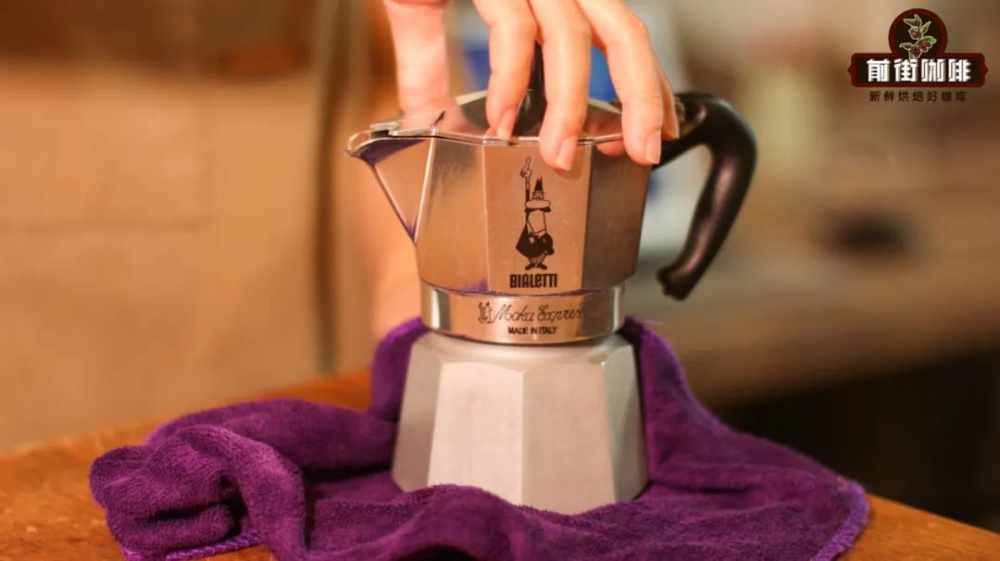
In practical operation, there are several key details to pay attention to when using a moka pot. First is the tamping pressure—use moderate force to compact the coffee grounds. Over-tamping may impede water flow and affect extraction evenness. Second is heat control—it’s recommended to use low to medium heat to avoid overheating the bottom, which can lead to over-extraction, resulting in bitter or burnt flavors. Finally, manage the water level—it should be kept below the safety valve to prevent boiling water from directly rushing into the upper chamber and disrupting the extraction flavor.
Once you’ve mastered the basics, you can then try making a moka pot latte. First, brew about 30ml of concentrated coffee using the moka pot, with an ideal extraction time between 25 to 30 seconds to achieve the best balance of crema and flavor. Next, froth fresh hot milk to a slightly warm temperature with fine bubbles. The ratio can be adjusted to personal preference, but a common recommendation is a coffee-to-milk ratio of 1:3 to 1:5. Finally, slowly pour the milk foam into the concentrated coffee, gently swirl the cup to let the two blend, and you’ll have a well-balanced moka pot latte.

In summary, although the moka pot is a simple coffee brewing tool, by choosing the right beans, mastering the correct extraction parameters and techniques, you can consistently produce espresso-level coffee at home, and even create a variety of uniquely flavorful coffee drinks. Whether you’re a beginner or an experienced coffee enthusiast, the bean selection advice and practical steps provided in this article can help you enjoy a higher-quality coffee experience in your daily life.
Whether you prefer the bold richness of a classic Italian blend or the smooth balance of the Brazilian Queen Estate SOE, these two medium-dark roasted beans are ideal choices for moka pot users. By carefully adjusting grind size, tamping pressure, and heat control, you’ll gradually discover the brewing method that best suits your taste, thereby enhancing the flavor expression of every cup.
The joy of coffee lies in continuous experimentation and adjustment. As a classic and practical tool, the moka pot allows you to explore endless possibilities within limited equipment. By mastering the basic principles and continuously refining each step, you too can easily enjoy a professional-grade coffee rich in crema and balanced in taste, right in the comfort of your home.
The above content is compiled by CoffeeHunters, a coffee news website.


