







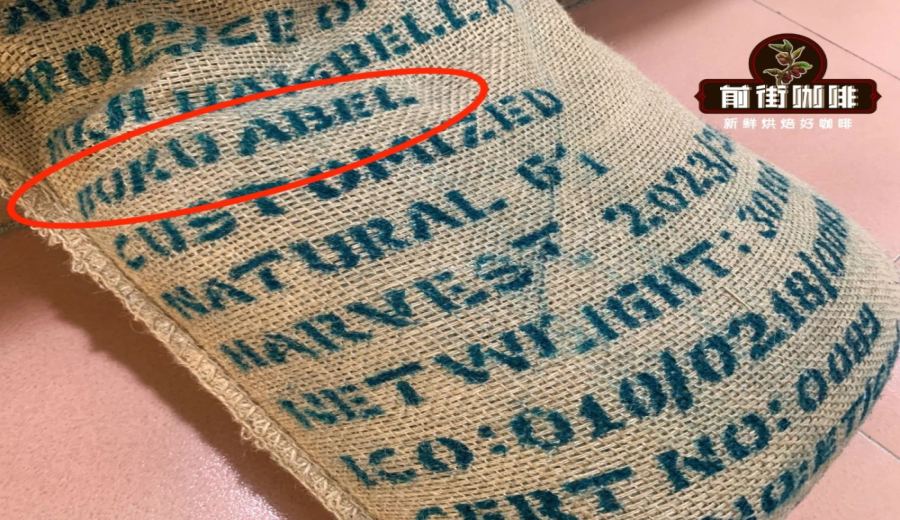
Introduction:As a classic natural-processed coffee bean from Ethiopia’s Buku Abel washing station, Huakui 5.0 is widely loved for its rich aroma of strawberry and cream. However, as harvest seasons change, its flavor profile also evolves. This article delves into the origins of Huakui 5.0 and provides four practical brewing methods—hot pour over, cold pour over, ice drip, and cold brew—along with detailed parameters and steps to help you master the best extraction techniques and experience the multi-layered fruity notes of this coffee bean at different temperatures.
As summer temperatures rise, a cup of coffee that showcases delicate fruitiness and rich sweetness becomes the top choice for many coffee enthusiasts. Huakui 5.0, a natural-processed coffee bean from Ethiopia’s Buku Abel washing station, has already won the hearts of countless coffee lovers with its distinct notes of strawberry and cream. But does the new season’s Huakui still retain its classic flavor characteristics? In fact, influenced by climate and cultivation conditions, each year’s Huakui has its unique expression. This year, a roaster specifically adjusted the roast profile for Huakui 5.0, taking into account its high moisture content and hardness, and carefully designed four brewing methods—hot pour over, cold pour over, ice drip, and cold brew—to fully release the coffee bean’s mellow fruity notes.
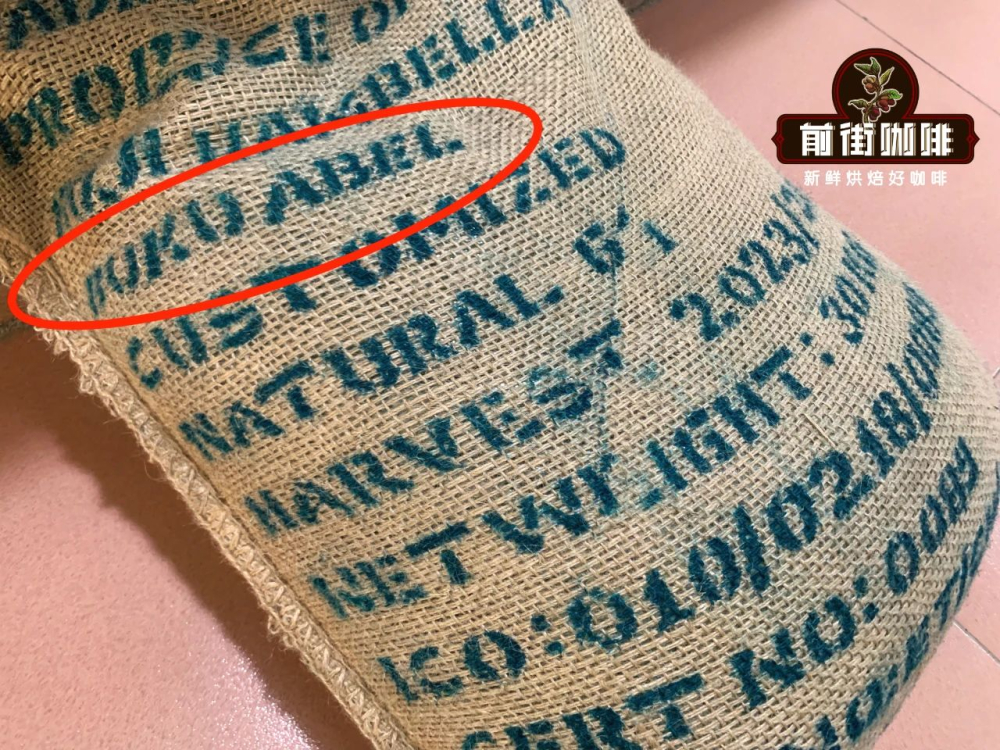
The origin of the Huakui series dates back to 2017. That year, Ethiopia’s DW Coffee sent several of its coffee beans to the TOH (the Taste Of Harvest) green coffee competition hosted by the African Fine Coffees Association. Among them, a natural-processed bean from Buku Abel washing station stood out with its prominent strawberry and cream aromas and won the championship. These green beans were later introduced to the Chinese market and named “Huakui” due to their championship status. Notably, the champion Huakui of that year was used by Beijing competitor Li Jianfei in the China regional round of the World Brewers Cup, where he secured second place (most competitors preferred Geisha that year). Since then, the name Huakui has spread within China’s coffee community.
But is Huakui 5.0 still identical to the championship beans of that year? The answer is no. As agricultural products, coffee beans’ flavor profiles are highly susceptible to climate, soil, and growing environment. Although all Huakui beans come from the same washing station and adhere to the natural processing method, annual variations in climate conditions still lead to different flavor directions for the beans. For this reason, DW releases different versions of Huakui each year: such as Huakui 2.0 in 2018, Huakui 3.0 and 3.1 in 2019, Huakui 4.0 in 2020, and the latest version—Huakui 5.0—in 2021.
To allow Huakui 5.0 to showcase its optimal gentle fruity notes, a roaster specially adjusted the roasting strategy for these high-moisture, high-hardness beans. First, the dehydration phase duration—between the turn-around point and the yellowing point—was extended to prevent uneven dehydration caused by excessive moisture, which could lead to underdevelopment in the core. Additionally, to enhance the sweetness and fermentation layers brought by the natural process, the roaster moderately extended the development phase (the period between the yellowing point and the first crack). Moreover, given that Huakui 5.0 is grown at an altitude between 2250 and 2350 meters, resulting in relatively hard bean density, the heat was appropriately increased before the first crack to prevent overly prolonged first crack development, which could affect the balance of acidity and sweetness.
So, how can different brewing methods bring out the unique flavors of Huakui 5.0? Below, we’ll detail four practical methods, including specific parameters and operational steps, to help you easily master the essentials of each brewing style.
【Hot Pour Over & Cold Pour Over: Using V60 Filter Cone to Highlight Layered Flavors】
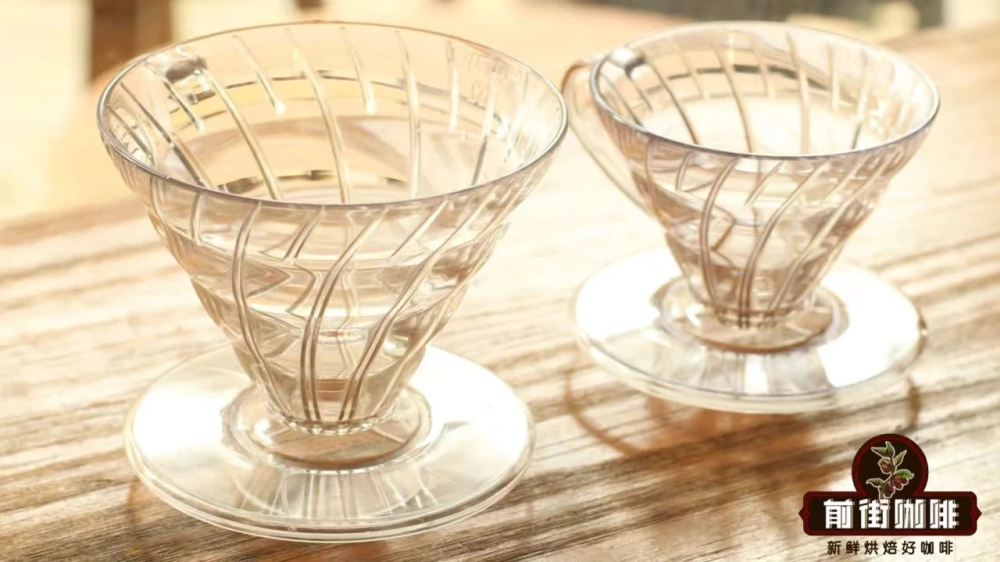
To fully showcase the delicate layers of Huakui 5.0, it is recommended to use a higher water temperature paired with a finer grind size. To avoid over-extraction, a V60 filter cone with a faster flow rate can be chosen. Its 60-degree conical design concentrates the coffee bed, and as water is poured, it naturally flows toward the center, extending the contact time between water and coffee grounds. Coupled with the clockwise spiral ribs on the inner side, which create a gap between the filter paper and the cone, along with the large bottom hole, the overall flow rate is smooth, helping to extract a bright and balanced cup of coffee.
Hot Pour Over Parameters and Steps:The water temperature is recommended to be set at90℃, with a1:15brew ratio (i.e., 15 grams of coffee grounds to 225 milliliters of water), and a medium-fine grind size (based on about80%passing rate through a Chinese No. 20 standard sieve). First, pour30 grams of waterfor blooming, for about30 seconds, until the coffee bed forms a “hamburger” shape. Then, at1 minute 00 secondson the timer, pour the second batch of water up to125 grams, and wait for the water level to drop to two-thirds of the coffee bed. Finally, at1 minute 40 seconds, pour the third batch of water up to225 grams. Allow the coffee to fully drip through, with a total extraction time of about1 minute 59 seconds. It is recommended to gently swirl the cup before drinking.
Cold Pour Over Parameters and Steps:Use a91℃water temperature, adjust the brew ratio to1:10(15 grams of coffee to 150 milliliters of water), with a slightly finer grind than hot pour over, about85%passing rate through a Chinese No. 20 sieve, and prepare100 grams of ice cubes. Also use a three-stage pouring method: the first stage involves pouring30 millilitersfor blooming for 30 seconds, the second and third stages each involve pouring60 milliliters, for a total of150 millilitersof hot water. Then pour the coffee liquid into a cup pre-filled with ice cubes, gently shake to mix, and enjoy.
【Ice Drip: Slow Extraction, Revealing Layers When Chilled】
Ice drip coffee emphasizes slow craftsmanship to fully extract the deep flavors of coffee. A brand makes ice drip using60 gramsof coffee grounds, aiming to extract600 millilitersof coffee liquid, with a powder-to-water ratio of1:10. The grind size is slightly finer than regular pour over, judged by a 20-number sieve with about85%passing rate. Use an ice-to-water ratio of1:1, and set the valve to a drip rate of7 drops per 10 seconds, with a total extraction time of about6 to 8 hours. After completion, it is recommended to let it chill and settle for12 hoursto allow the flavors to condense further before drinking.
【Cold Brew: Refreshing and Sweet, Ideal for Summer】
Cold brew coffee, known for its low acidity and smooth taste, is a popular summer choice. A brand recommends using a slightly finer grind than pour over, based on a Chinese No. 20 sieve with about75% to 80%passing rate (roughly equivalent to the coarseness of fine sugar, EK43s setting at about9.5 to 10, and C40 hand grinder at about22 to 26 clicks). Mix the ground coffee with1:10a brew ratio and room-temperature water, preferably using a clean container (such as a cold brew pitcher or mineral water bottle). Stir well, seal, and refrigerate for8 to 12 hours, then filter out the coffee grounds with filter paper to finish. For straight black coffee, it is recommended to use a1:12 to 1:13brew ratio for the best taste. If you plan to add fresh milk, you can increase the concentration to1:10 to 1:11to avoid the milk flavor overpowering the coffee’s natural taste.
Finally, remember that whether you choose ice drip or cold brew, due to the nature of low-temperature extraction, it is recommended to consume the coffee within5 daysafter preparation to ensure freshness and safety.
The above content is compiled by CoffeeHunters, a coffee news website.


