








Introduction:To successfully brew a standard espresso at home, selecting the right coffee beans and mastering the correct extraction process are crucial. This article provides an in-depth yet accessible analysis of espresso's sensory standards and historical background, recommends three classic espresso blends suitable for both home and commercial use, and details key parameter settings such as dose, ratio, and time. It also includes a method for making iced americano, helping you go from beginner to expert and fully grasp the brewing essentials of espresso.
If you want to brew a standard espresso at home, the first step is to choose the right coffee beans. Starting with the basic sensory requirements of espresso, this article explores the evolution and blending principles of espresso coffee, introduces three classic espresso blends suitable for different needs and usage scenarios, including their flavor profiles and practical application suggestions. It also explains the complete process—from dose, coffee-to-water ratio, extraction time to operational details—and finally provides a simple method for making iced americano, allowing you to achieve a great cup of coffee from bean selection to completion, all by yourself.
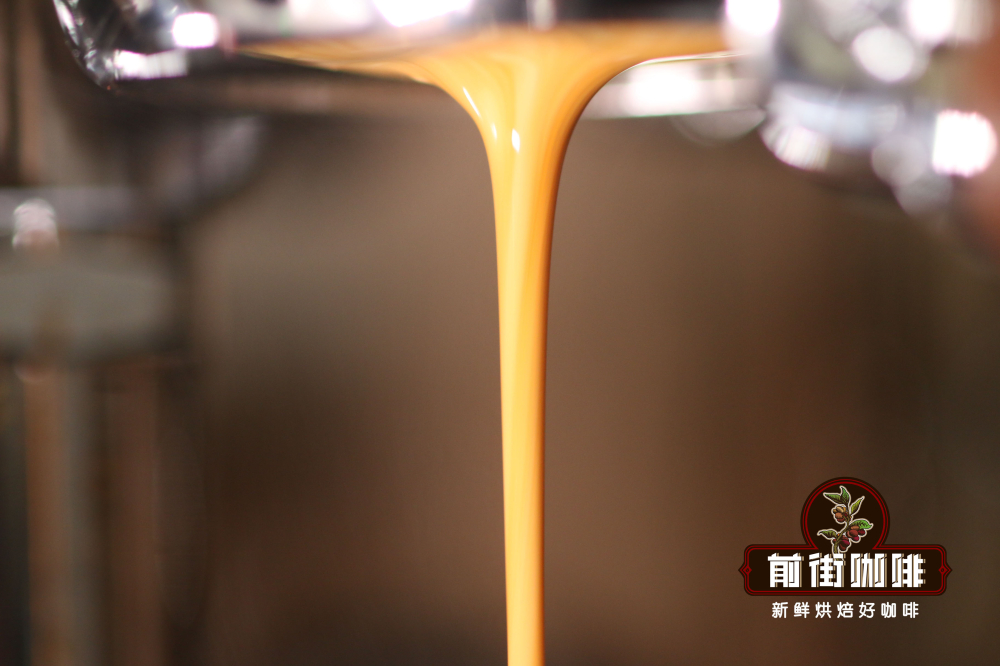
An ideal espresso should possess several key characteristics: the surface should be covered with a layer of fine, reddish-brown crema, exhibiting a natural tiger-stripe sheen and texture, with a complete liquid surface free of obvious holes. When sniffed, the aroma should be rich and layered; upon tasting, the acidity, sweetness, and slight bitterness should be well balanced, with a smooth mouthfeel free of grittiness, and a long-lasting sweet aftertaste. These are all important criteria for evaluating a qualified shot of espresso.

Before the advent of modern espresso, people mostly extracted coffee through immersion methods, which not only required extremely fine grinding but also entailed long waiting times. It wasn’t until the early 19th century that, in order to obtain higher-concentration coffee in a short time, Italians pioneered the use of steam pressure to drive hot water through tightly packed coffee puck, significantly improving extraction efficiency and eventually evolving into the prototypes of today’s semi-automatic and fully automatic espresso machines. After continuous refinement and optimization, this espresso extraction method has become a standard feature in coffee shops worldwide.
Whether you want to make a pure americano or a silky latte, it all starts with a stable and well-balanced espresso. To ensure consistent quality in every extraction, most coffee shops opt for blends. By combining beans from different origins according to their characteristics, not only can their strengths and weaknesses complement each other, but the flavor profile can also be more balanced and stable. If you hope to replicate café-level taste at home using the same equipment, it is recommended to use blends specifically designed for espresso machines—these beans are usually also suitable for home tools like the moka pot.
First up is the Classic Blend, which primarily consists of Mandheling and Brazilian beans, showcasing rich notes of chocolate, nuts, and cocoa, along with natural caramel aromas. With medium-low acidity and a full-bodied mouthfeel, it is smooth on the palate and has a long-lasting aftertaste. The addition of a moderate amount of Vietnamese Robusta further enhances the crema, enriching the overall flavor layers. This blend is ideal for beginners in espresso and a great everyday choice for home use. When used to make hot lattes, the chocolate and creamy textures blend perfectly.
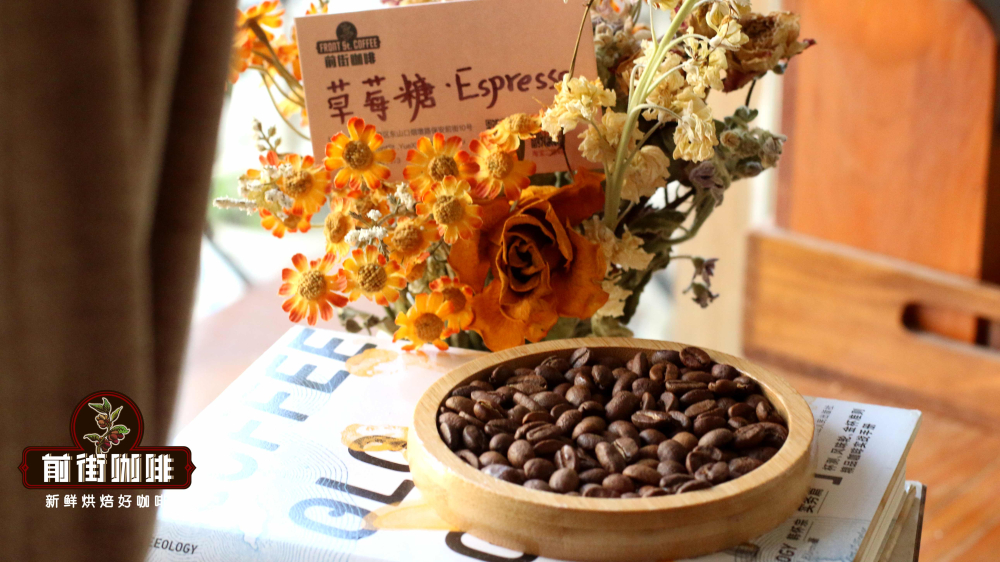
The second recommendation is the Strawberry Candy Blend, a medium-roasted floral and fruity blend with distinct notes of rose, grape, and preserved fruit, and a subtle almond tone that emerges in the aftertaste. This blend suits those who prefer fresh flavors and is suitable for both double espresso shots and various home coffee machines and moka pots. Its extracted espresso has a creamy-smooth mouthfeel with balanced acidity and sweetness, making it especially appealing to coffee lovers who enjoy fruity notes.
Lastly, there’s the Commercial Blend, which combines beans from Brazil, Colombia, and Vietnam. Roasted to a medium-dark level, it highlights roasted aromas such as caramel, dark chocolate, and roasted melon seeds. With rich crema and a thick, velvety texture, it is not only suitable as a base for lattes but also reliably delivers the mellow taste of americano. If you want to replicate the common latte or americano flavors found in cafés at home, this blend offers performance close to that of professional shops.
Next, we’ll explain the standard process for making espresso in a café setting. Typically, cafés use a double basket, with the dose controlled between 18 to 20 grams, though 20 grams is commonly used in practice. The extraction ratio is set to 1:2, meaning 20 grams of coffee grounds yield 40 grams of espresso. The extraction time is adjusted based on flow rate, usually ranging between 20 to 35 seconds, with 28 to 30 seconds being the optimal range. If the extraction time is too short, the flavor may turn thin; exceeding 35 seconds may lead to over-extraction, resulting in noticeable burnt bitterness.
Before starting the extraction, make sure to thoroughly dry the portafilter basket, then grind 20 grams of coffee beans evenly using the grinder and place them on an electronic scale to fine-tune to the target weight. Next, use a distribution tool to evenly spread the coffee grounds, followed by tamping the grounds vertically with a tamper to ensure a compact and level puck—this step is crucial for stable extraction.
Then, turn on the extraction switch and let water flow through the group head for about 1 to 2 seconds. This action wets the group head and clears any residual coffee grounds. Place an electronic scale under the cup that will catch the espresso and zero it to accurately measure the extracted liquid weight. Securely attach the portafilter to the group head, then start the extraction while observing the flow of coffee. When the scale shows 40 grams and the extraction time is around 30 seconds, you can turn off the switch to stop the extraction. Note that actual parameters may vary slightly due to environmental humidity and bean condition, so it is recommended to fine-tune the dose, grind size, and final liquid volume according to the day’s conditions.
The freshly extracted espresso can be enjoyed immediately. Pairing it with a glass of water helps you better perceive the layers and flavors of the crema and the coffee itself. If you find the straight espresso too bitter, you can adjust to your taste by adding water or milk. For example, a preferred method for making iced americano is: first, place 90 grams of ice cubes and 180 milliliters of cold water in a 300-milliliter cup, then pour in 40 milliliters of double espresso and gently stir. This iced americano often features fresh floral and preserved fruit notes, making it refreshing and energizing—perfect for summer.
The above content is compiled by CoffeeHunters, a coffee news website.


