








Introduction:Explore the French Mission Bourbon varietal sun-dried coffee beans from Chania Estate in the Thika region of Kenya. Delve into its century-old family-run legacy, unique volcanic soil conditions, varietal evolution, and processing methods to uncover this distinctive and representative African coffee. This article also provides professional pour over, French press, and AeroPress brewing recommendations to help you fully highlight its complex fruity notes and rich layers.
Kenyan coffee is renowned for its strong regional characteristics and bright acidity. Among them, Thika, an important sub-region within the Kiambu coffee belt, benefits from its fertile red volcanic soil and two annual harvest seasons, producing specialty coffee with balanced sweet and sour profiles, along with distinct citrus, plum, and chocolate notes. This article focuses on the French Mission Bourbon varietal sun-dried beans produced by the renowned Chania Estate in the area, offering a comprehensive breakdown—from the regional environment and estate history, to varietal origins, cupping profiles, and practical brewing advice—of this highly representative coffee’s journey from farm to cup.
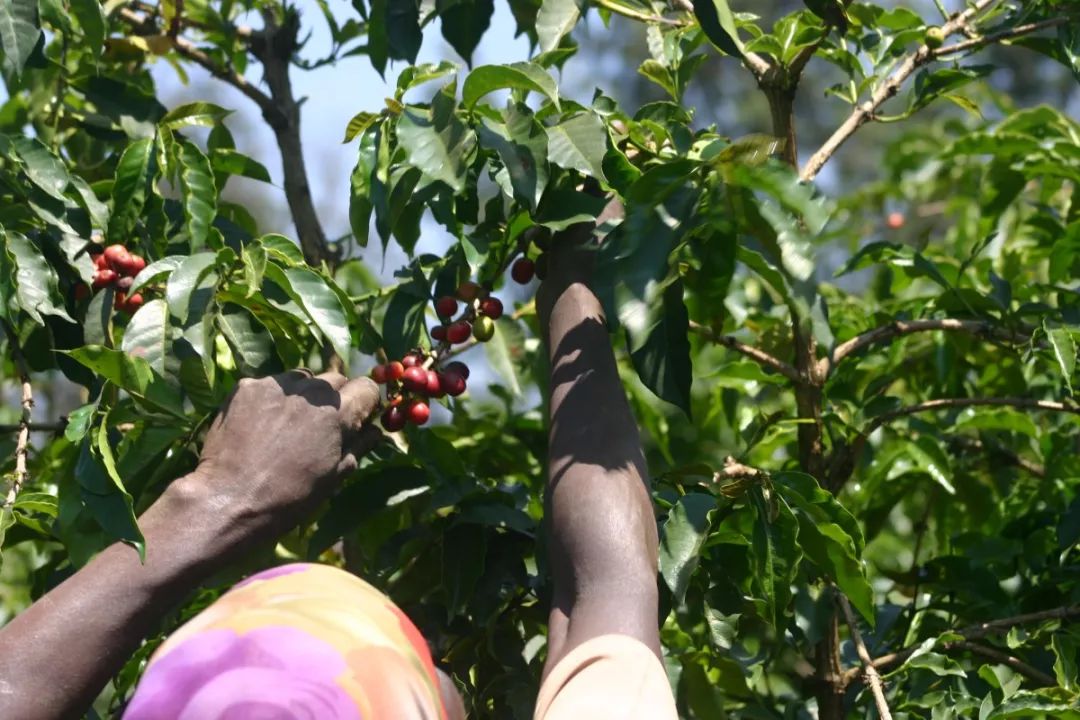
[Regional Terroir and Features of the Thika Plateau]
Kenya is divided into 47 counties, each with distinct terrain, altitudes, and microclimates, resulting in uniquely profiled coffees. Major specialty coffee regions include Ruiri, Thika, Kirinyaga, Mt. Kenya West, Nyeri, Kiambu, and Muranga. These areas are mostly located at the foothills of Mt. Kenya and the Aberdare Mountains, with typical planting elevations between 1400 to 2000 meters and two harvests per year, contributing to the distinct seasonal qualities of Kenyan coffee.
Thika is situated in the eastern part of Kiambu County, adjacent to the Aberdare mountain range. Its red volcanic soil is rich in minerals and organic matter, complemented by stable rainfall and significant day-night temperature variations, providing an ideal growing environment for coffee. The region is known for producing coffee with good balance, vibrant acidity, and flavors of citrus, berries, chocolate, and plums, particularly excelling in sun-dried processing.
[The Centuries-Old Family Legacy of Chania Estate]
Chania and Oreti estates are among the few large and medium-sized private coffee farms in Kenya managed by a single family over the long term. Since 1904, they have been overseen by the Harries family. The estates border the Chania River, encompassing nearly 200 acres of land, with self-built dams and reservoirs. The surrounding forested areas also contribute to the conservation of birds and wildlife.
In 2013, Boyce Marquis Allen Harries took over the family business Harries & Son Ltd. The current team includes 40 employees, many of whom have served across three generations. In addition to focusing on sustainable agriculture and high-quality green bean production, the Harries family is actively involved in local community development, such as donating land to help establish the Wabeni Technical College, training local residents in practical skills including sewing, mechanics, and carpentry.
[History and Traits of the French Mission Bourbon Varietal]
The French Mission Bourbon varietal was first introduced to Kenya between 1892 and 1893 by French missionaries, with origins traceable to Réunion Island (formerly known as Bourbon Island). This varietal is a natural mutation of Typica, where green fruits ripen to red, and is known for its stable yield and distinctive flavor profile. Compared to modern varietals that have undergone extensive scientific modification, French Mission Bourbon retains a more original and rich expression of fruitiness and acidity.
This varietal was initially brought by French missionaries from Réunion in the mid-to-late 19th century and gradually introduced to various parts of East Africa, including Bagamoyo, Saint Augustine, and Bura in Tanzania. Around the year 1900, some seedlings were further introduced into Kenya, laying the foundation for the region’s current Bourbon cultivation. With its unique altitude conditions (approximately 1525 meters), nutrient-rich volcanic soil, and refined sun-dried processing, Chania Estate allows this Bourbon varietal to fully express its fruity character and rich finish.
[Cupping Profile and Processing Characteristics]
This sun-dried French Mission Bourbon varietal features a dry aroma of intense fermented fruit, dried fruits, and soft vanilla notes. Upon tasting, one can perceive a distinct caramel sweetness and layered fruit complexity, such as berries, mixed tropical fruits, and the bold flavor of jackfruit. The acidity is bright yet smooth, with the aftertaste continuing to deliver floral and dried fruit notes. Overall, it showcases the bold yet layered characteristics typical of African sun-dried beans. It is worth noting that this particular batch has a slightly higher defect rate, so careful screening before and after roasting is recommended to highlight the optimal flavor profile.
[Professional Pour Over and Brewing Parameter Recommendations]
To fully highlight the fruit acidity layers and sweetness of this coffee, here are practical brewing parameter suggestions for different devices:
- Pour Over (Recommended Device: V60): Grind size approximately 3.5 (similar to Fuji R440), coffee to water ratio 1:15, water temperature 90–91°C. Start with 30 grams of water for a 30-second bloom, then pour in stages, suggested as 30–120–75, with total extraction time kept around 2 minutes. Focus on directing the pour and avoid exceeding the coffee bed height to maintain stable extraction efficiency.
- French Press: Recommended grind size 3.5–4, water temperature 90°C, coffee to water ratio about 1:15. After adding the coffee grounds, preheat the press and pour in hot water. Stir gently and let it steep for 4 minutes, then slowly press the plunger down to enjoy.
- AeroPress: Grind size 2.5, water temperature 90°C, also using a 1:15 coffee to water ratio. You may adjust the pressing speed based on personal taste preference. It is recommended to press slowly to preserve more delicate flavors.
Regardless of which device you choose, stable water temperature and consistent grind are key to extracting bright acidity and a rich mouthfeel. Ideal for coffee lovers who enjoy savoring the unique flavors of African coffee, especially recommended for sipping slowly to experience its complex and varied aromatic layers.
The above content is compiled by CoffeeHunters, a coffee news website.


