







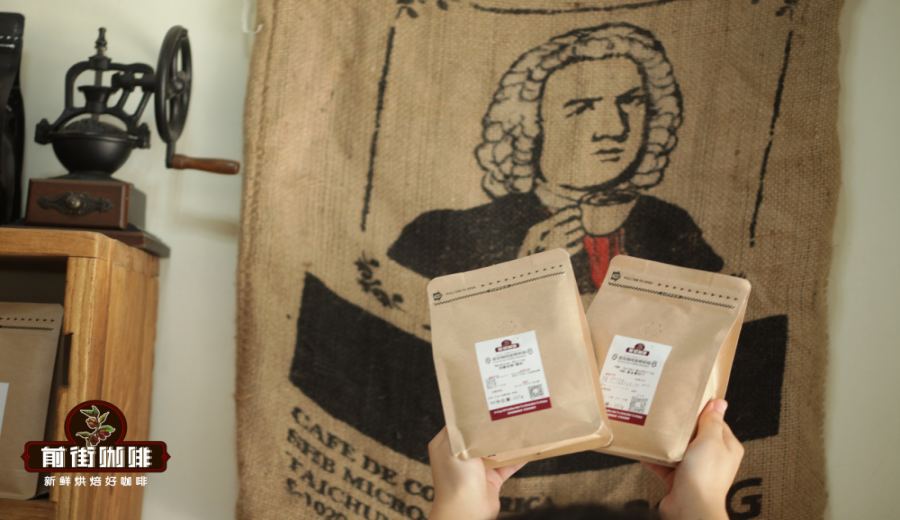
Introduction:The Musician Series from Finca Cantaros in Costa Rica’s Tarrazú region is named after classical composers, combining raisin honey processing with high-altitude cultivation to showcase nuanced and diverse coffee flavors. This article delves into the origin background, processing methods, and flavor profiles of four beans—Mozart, Bach, Beethoven, and Chopin—and analyzes key steps in honey processing, the altitude classification system, and variety characteristics, taking you on a journey to uncover the secrets behind the resonance between coffee and music.
Costa Rica is renowned for its bright acidity, vibrant flavors, and prominent sweetness—traits closely tied to the honey processing method popular in the region. Located in the Tarrazú region, Finca Cantaros has launched a series inspired by classical composers, artfully linking coffee flavors with musical emotions. The estate owner assigns names such as Mozart, Bach, Beethoven, and Chopin based on the unique aroma profiles and layered complexity of each bean, making the tasting experience akin to listening to a symphony.
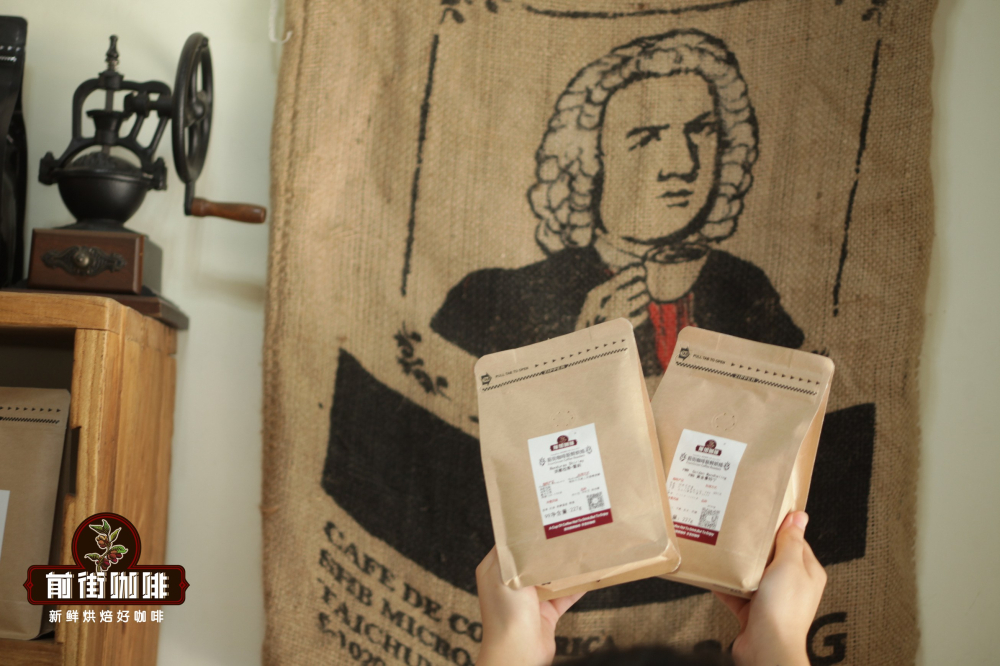
The most celebrated offering in the Musician Series is the raisin honey-processed bean, which employs a fermentation technique that preserves the full mucilage layer, resulting in intense berry notes and rich wine-like aromas. Take the Mozart variant, for example: grown at 1,800 meters above sea level from a blend of Caturra and Catuaí, it undergoes raisin honey processing to yield orange blossom and white floral aromas, followed by deep berry and raisin flavors mid-palate, with a sweet finish reminiscent of gummy bears. Even as it cools, the fruity and floral notes remain vivid, presenting a layered taste structure as sophisticated as classical music.

The Bach variant highlights the fermentation potential of honey processing. A single-origin Caturra grown at 1,950 meters releases a complex aroma of strawberries, blackberries, and raisins upon drying. During brewing, a pronounced burst of fruitiness emerges, followed by a wine-like richness that transforms into the delicate sweetness of plum wine as it cools. This bean appeals to coffee enthusiasts who favor intricate layers, with its refined profile serving as a model of honey processing excellence.
In contrast to the bold richness of honey processing, the Beethoven variant employs washed processing to emphasize a clean, refreshing character. Grown at 1,800–1,950 meters from a blend of Caturra and Catuaí, it undergoes an eight-step standard washed process: floatation, pulp removal, mucilage fermentation, water washing, low-temperature drying, and silver skin separation. This method preserves the bean’s original flavor profile, delivering crisp acidity of green grapes and red berries paired with delicate floral notes and subtle wine-like undertones—perfect for summer enjoyment.
The Chopin variant continues the honey processing tradition, with Caturra grown at 1,800–1,900 meters showcasing a romantic character. Upon opening the bag, a distinct rose aroma greets the nose, and floral notes waft through steam during brewing. The cup blends raisin sweetness with berry acidity, finishing with the smoothness of fruit tea. This bean perfectly embodies the lyrical essence of Romantic-era music, making it ideal for pairing with light snacks or as a morning pick-me-up.

The Tarrazú region, the highest-altitude coffee-growing area in Costa Rica (1,200–1,700 meters), features volcanic soil rich in minerals and a climate with significant day-night temperature variations, resulting in dense bean bodies and intense flavors. Finca Cantaros focuses on cultivating two major varieties: Caturra, which inherits Bourbon lineage with medium tree height and high yields but lower disease resistance, and Catuaí, a hybrid of Caturra and the Mundo Novo variety, known for sturdy fruit that withstands storage and transport. Red and yellow fruit strains of Catuaí exhibit distinct acidity profiles in cupping.
Costa Rica employs a unique altitude classification system, where SHB (Strictly Hard Bean) requires growth above 1,500 meters. Such beans accumulate more complex flavor compounds due to slower maturation. All beans in the Musician Series meet the SHB standard, with the raisin honey processing further enhancing their sweetness—by preserving 100% of the mucilage layer and strictly controlling drying on raised beds for over three days, the coffee achieves a balanced acidity akin to white wine paired with rich fermentation aromas.
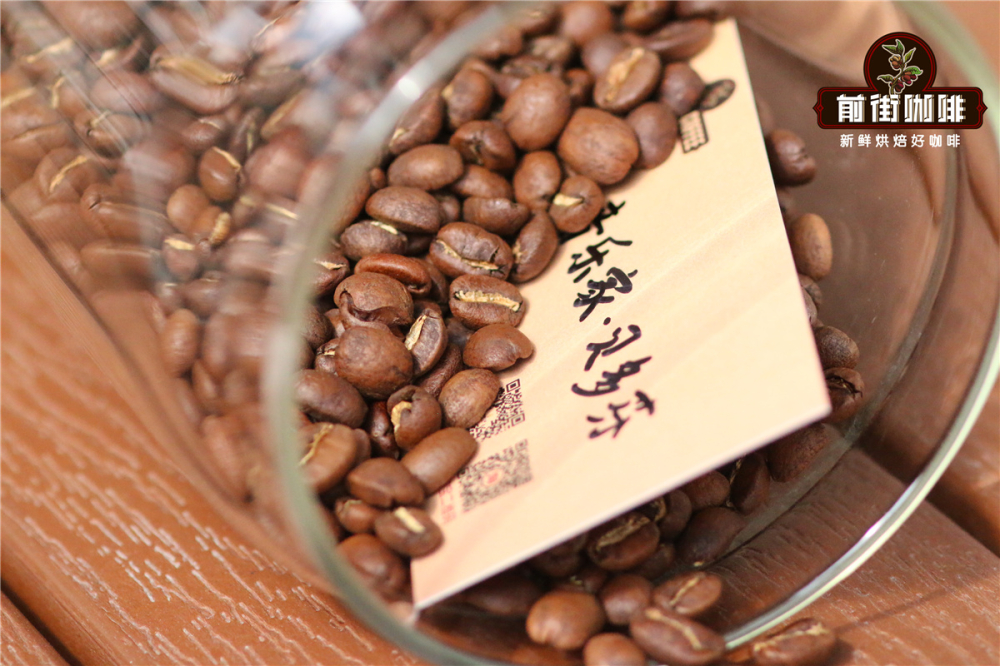
The key to raisin honey processing lies in precise timing: harvested cherries are floated in water tanks to remove unripe beans on the same day, then placed on raised mesh beds to sun-dry for at least 72 hours until the mucilage stabilizes. The outer skin is then removed, followed by slow low-temperature drying to achieve a moisture content of 10–14%. Compared to conventional honey processing, this method retains more native enzyme activity, yielding a broader spectrum of fruity aromas. Meanwhile, washed processing ensures coffee purity through eight standardized steps, particularly highlighting the refreshing qualities of high-altitude beans.
The above content is compiled by CoffeeHunters, a coffee news website.


