







Introduction:Sumatran Mandheling coffee is renowned for its distinctive flavor profile, largely thanks to the wet-hulling processing method. This article delves into how this unique technique shapes the bold herbal, spicy, and woody notes, and provides an in-depth look at the selection process of Indonesia’s PWN Gold Mandheling. Whether you're a pour over beginner or a moka pot enthusiast, you’ll find recommended roast levels and practical extraction parameters — including guidance on using medium-dark roasted Gold Mandheling as a single origin.
When it comes to Sumatran coffee, Mandheling often sparks polarized opinions. Drinkers who enjoy full-bodied flavors are drawn to its thick mouthfeel and intense herbal aroma, while those who prefer bright acidity tend to steer clear. The key to this unique character lies in the region’s distinctive wet-hulling process.
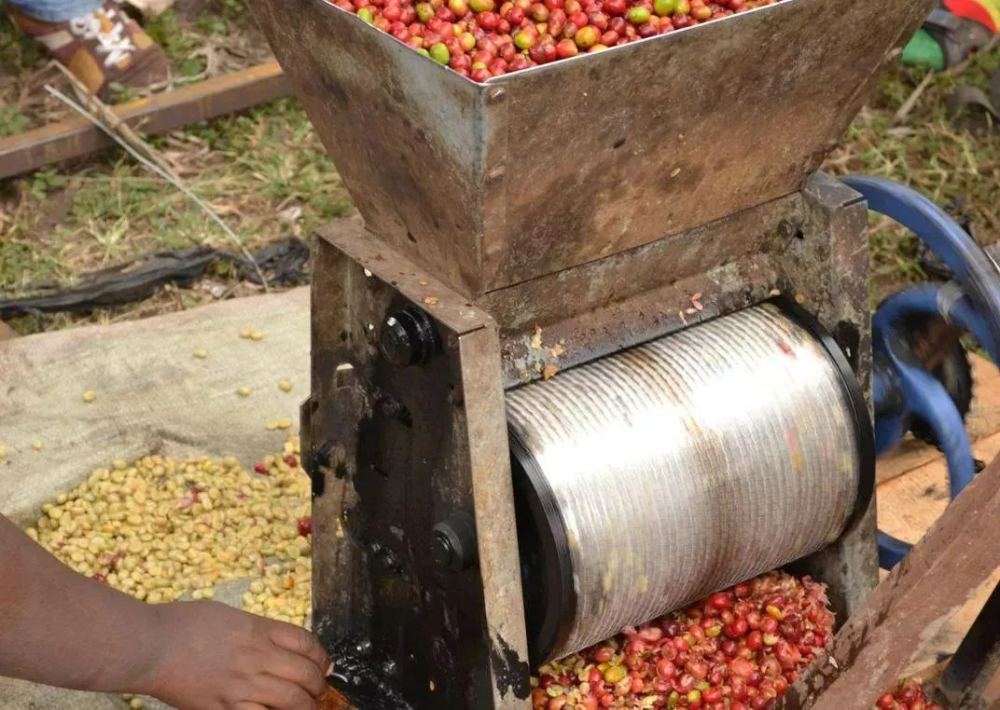
Sumatra’s humid, rainy climate and economic conditions have led farmers to develop the “Giling Basah” or wet-hulling method. After harvest, the coffee cherries are first depulped and the mucilage-covered parchment beans undergo an overnight fermentation followed by rinsing with clean water to remove most of the fruit mucilage. They are then spread out to dry until they reach a semi-dry state. At this point, the beans are not yet fully dehydrated and are sent to processing stations for the next stage.
What makes traditional wet-hulling unique is that the processing stations remove the parchment layer before the beans are completely dry, exposing the green coffee directly to high humidity, which accelerates drying. Although this increases the risk of bean damage, it unexpectedly contributes to the distinctive earthy, forest-like flavor profile — herbal, spicy, and woody notes become the hallmark of Sumatran Mandheling.
For those new to the world of Mandheling, it’s recommended to start with a medium-dark roasted Indonesian Mandheling. These beans undergo appropriate caramelization, offering a complex flavor mix of dark chocolate, spices, and toasted bread, complemented by a nutty finish. Even consumers who aren’t fond of pronounced acidity will find it approachable. Its moderate body and rich taste also make it suitable for both pour over and moka pot brewing.
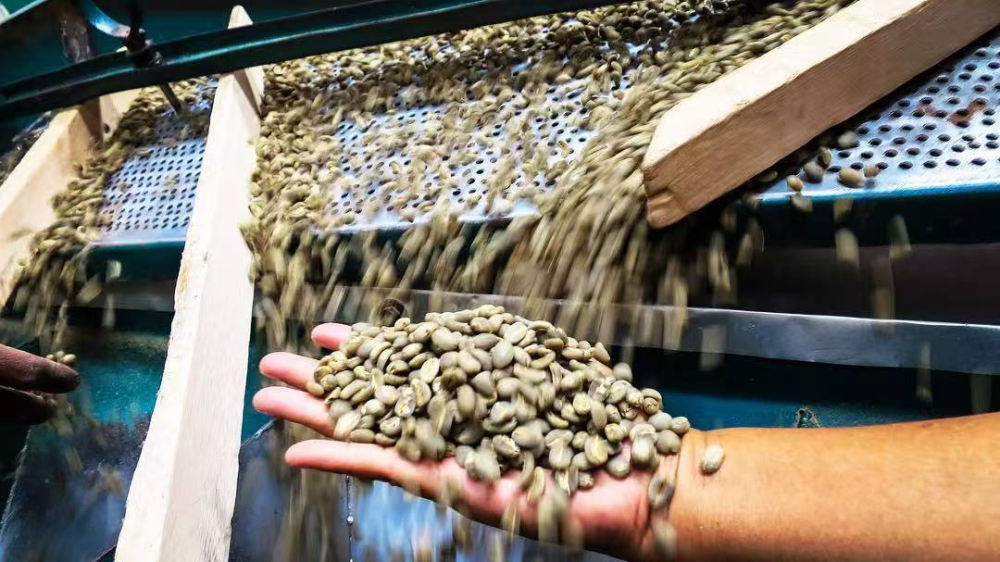
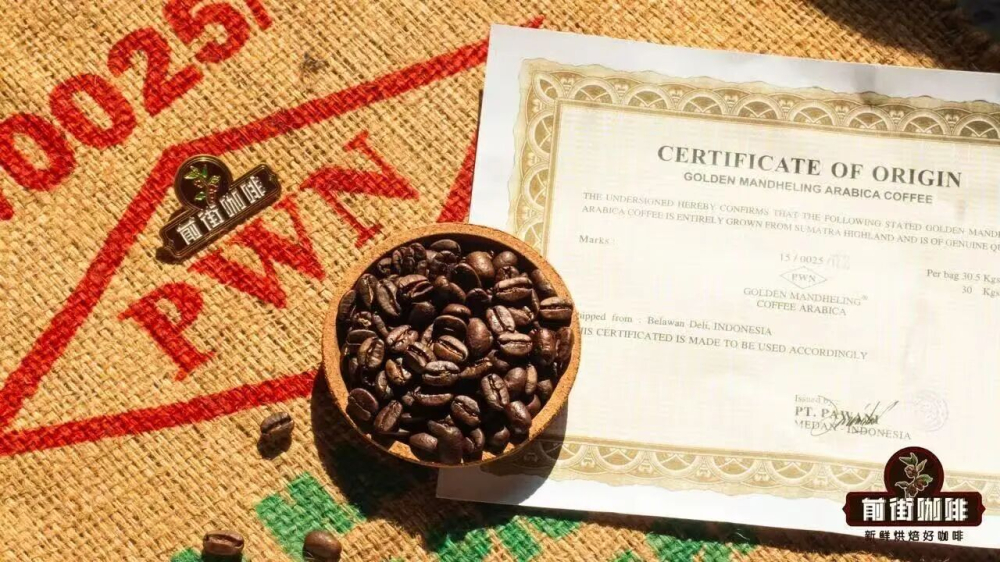
More advanced enthusiasts can challenge themselves with PWN Gold Mandheling. This premium bean variety from the Gayo Highlands in Aceh, Sumatra, is carefully selected from the Ateng variety grown at elevations between 1,100 and 1,600 meters. After being graded as G1, the beans undergo three rounds of manual sorting and precise machine inspection to ensure each one meets extremely high purity standards. Its sweetness and cleanliness are noticeably superior to regular Mandheling, making it the top choice for coffee connoisseurs seeking quality.
It’s important to note that “Gold Mandheling” is a registered trademark of PWN. Authentic products must come with official certified jute sacks and certificates. When purchasing, it’s advisable to ask the seller for relevant documentation to confirm the beans’ genuineness.
Regardless of which Sumatran Mandheling you choose, medium-dark roasting is key to preserving its essence. This roast level not only suppresses excessive acidity but also brings out captivating caramel sweetness and nutty tones through the Maillard reaction. A brew ratio of 1:15 to 1:17 and water temperature between 90-93°C are ideal for balancing body and layered flavors.
When using a moka pot, it’s recommended to use 30 grams of medium-dark roasted Gold Mandheling, ground to a coarseness between granulated sugar and espresso grind (as shown in figure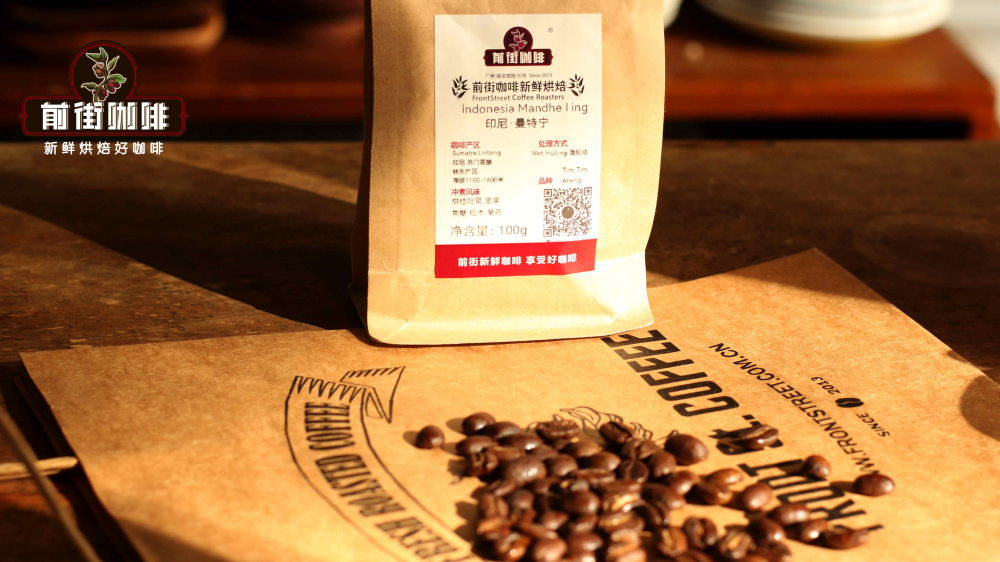 ). When filling the filter basket, ensure the coffee bed is slightly higher in the center and firmly packed around the edges without any gaps. This helps with even heat distribution and stable extraction. Once the moka pot is placed on the heat source (electric or gas stove both work), and you hear a distinct “wuu wuu” sound, turn off the heat immediately and pour out the coffee. The golden crema floating on the surface is the essence of its flavor.
It’s recommended to let the freshly brewed moka pot coffee sit for a moment until it cools to a drinkable temperature (around 85-90°C) before enjoying. If you prefer a milder taste, you can adjust to your liking by adding hot water to make an Americano, or mixing in a small amount of steamed milk for a latte variation. Once you’ve mastered these basic parameters, feel free to experiment further with grind size and heat control to discover your own Sumatran coffee flavor profile.
The above content is compiled by CoffeeHunters, a coffee news website.


