







Introduction:Many coffee enthusiasts, in their pursuit of flavor, often confuse the concepts of "freshly ground" and "freshly roasted." Although both are related to "freshness," their underlying meanings are actually quite different. This article delves into the essential differences between freshly ground and freshly roasted coffee, explains when to choose freshly ground and when freshly roasted has the advantage, and offers practical advice on selecting fresh coffee beans along with trustworthy brand references to help you find your own optimal coffee experience.
In the world of coffee, "freshness" has always been a core key to pursuing deliciousness. However, many people often lump "freshly ground coffee" and "freshly roasted coffee" together, believing that as long as they see coffee being ground on the spot, it’s a guarantee of freshness. In fact, although both freshly ground and freshly roasted are related to flavor preservation, they represent completely different concepts and processing stages.
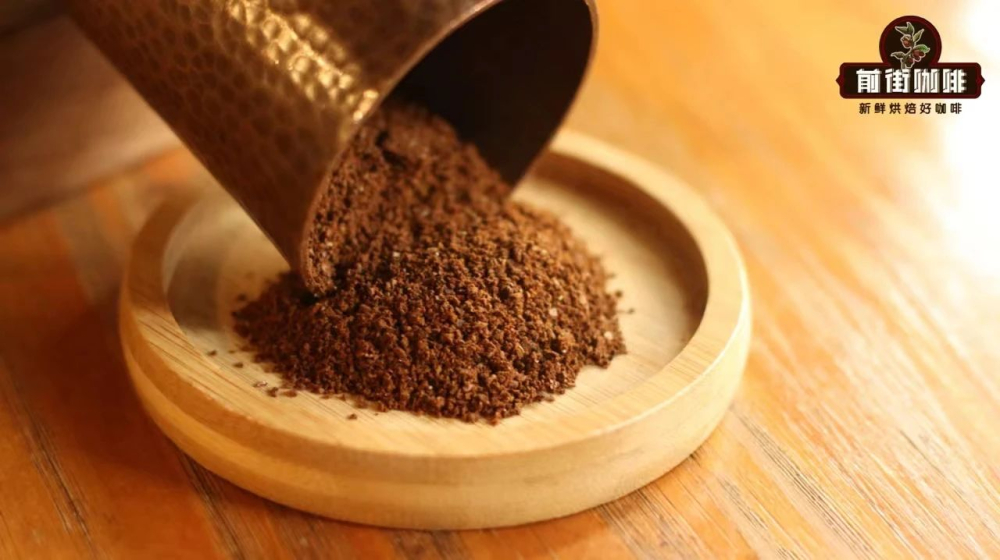
So-called freshly ground refers to grinding roasted coffee beans just before brewing. The purpose of this is to release the most complete and active aromatic molecules from the coffee beans. But it’s important to note that the aromatic compounds in ground coffee powder will rapidly dissipate within just a few minutes, so if it is not brewed and consumed immediately, the flavor will be greatly diminished. To achieve the best results with freshly ground coffee, the prerequisite is that the coffee beans used must themselves be sufficiently fresh—generally, beans roasted within the last 50 days are recommended.
Freshly roasted, on the other hand, ensures the freshness of coffee beans from the source. After coffee beans are roasted, they continue to release carbon dioxide internally—a process commonly known as the "resting period" or "degassing phase"—which typically lasts several days to a week. Over time, even if unopened, the volatile aromatic compounds in the beans will gradually diminish. Once stored for more than a month, the aroma noticeably weakens and the flavor complexity also declines. Therefore, the significance of freshly roasted lies in shortening the time it takes for consumers to obtain the coffee beans, ensuring the flavors are at their peak.
Next, let’s take a look at some brands worth paying attention to in the realm of freshly roasted coffee beans. Among them, a well-known self-roasting brand has been focusing on self-roasting since 2013 and enjoys considerable acclaim in the industry. This brand offers over 50 types of coffee beans from various origins and varieties, whether you prefer single-origin flavors or are looking for everyday drinking beans, you can find a suitable option.
The product lineup of this brand is quite diverse, ranging from popular offerings such as Yirgacheffe and Brazilian Red Bourbon, to Colombian Huila, Mandheling, and Costa Rica, and even includes Taiwan’s native Yunnan small-seed variety. These beans cover a wide range of flavors, from sweet and acidic balance, rich fruity notes, to full-bodied and low-acid profiles, and also include affordable everyday drinking options suitable for daily consumption.
It’s worth mentioning that this brand insists on shipping all of its coffee beans within 5 days after roasting to ensure that when consumers receive them, the beans are still in their most aromatic state. According to industry experience, the flavor compounds in coffee beans significantly decline after about 50 days post-roasting, and even if the beans are of high quality to begin with, it’s difficult to achieve optimal extraction performance. Therefore, keeping an eye on the optimal flavor window and choosing freshly roasted beans is an important foundation for enjoying a good cup of coffee.
In summary, if what you’re pursuing is the most vivid aroma in every brew, then freshly ground is key; whereas if you hope to control freshness from the source, freshly roasted is the more reliable choice. Understanding the difference between the two, and choosing the right purchasing channels and brands, will allow you to easily brew coffee at home that rivals café-quality.
The above content is compiled by CoffeeHunters, a coffee news website.


