







Introduction:Want to brew great coffee at home but don’t know how to choose an everyday bean that suits your taste? This article breaks down the logic behind selecting coffee beans for home use in a simple and approachable way. We’ll start by discussing the flavor differences between espresso and filter brewing, introduce you to various types of beans with distinct flavor profiles, and teach you how to assess the impact of roast date on flavor. With this knowledge, you’ll be able to enjoy fresh, well-balanced coffee within a reasonable budget.
Brewing coffee at home and running a café require completely different mindsets. For home users, the focus is finding a “staple bean” that’s flavorful, reasonably priced, and suitable for long-term consumption. Whether you prefer pour over, espresso machines, or a moka pot, there are three key factors to consider when choosing coffee beans: whether they match your personal taste preferences, whether the brand is trustworthy, and whether the roast date is fresh enough. This article will guide you through selecting beans based on flavor types and common market offerings, helping you develop a practical strategy for everyday home use—so every cup gives you great value.
The needs of home coffee drinkers differ significantly from those of café operations, with consumers placing greater emphasis on cost-effectiveness and daily drinkability. Besides being enjoyable, the beans also need to be affordable for everyday enjoyment without breaking the bank. Especially in recent years, as espresso machines have become more common, many people can easily make Americanos or lattes at home. However, for beginners, navigating the wide range of beans and picking one that truly suits their taste can be quite challenging.
First, you need to clarify which flavor profile you prefer. The way coffee tastes varies depending on the brewing method. For espresso, which is brewed under high pressure, flavors are more concentrated and can generally be divided into three main types. You can choose based on your personal taste preferences.
If you prefer a bold and rich style, consider classic espresso blends. These beans usually showcase layers of chocolate, nuts, cocoa, and caramel, offering a full-bodied mouthfeel with a sweet, lingering finish and excellent crema. They’re ideal as a base bean for daily home espresso brewing, especially for those who enjoy intense flavors.
If you lean toward a milder, fruitier and floral profile, try blends with delicate floral sweetness. These beans often carry nuanced aromas of rose, grape, dried fruit, or even almond, with a silky texture like cream. Even when brewed as an Americano, they maintain a balanced acidity and sweetness, making them a friendly entry point for those who aren’t fond of strong bitterness.
For those seeking a balanced acidity and sweetness with good value, there are also many barista-recommended all-purpose espresso blends on the market. These beans typically feature gentle fruit acidity, pronounced caramel sweetness, and notes of nuts and dark chocolate. The overall mouthfeel is smooth with a certain level of body, and the price is relatively affordable—perfect for everyday drinking.
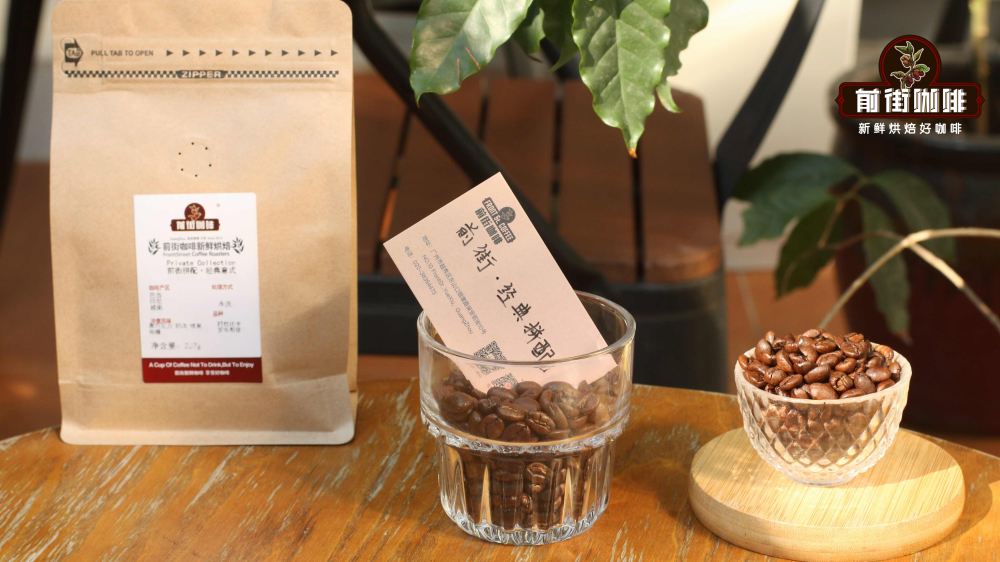
As for brand selection, it’s recommended to prioritize roasters known for consistent quality and good reputation. Purchasing from official flagship stores or trusted platforms ensures consistency. Taking Guangzhou as an example, some long-established local roasting brands offer a diverse range of flavor options—from the bright fruity notes of African beans, the balanced richness of American beans, to the bold nutty tones of Asian beans—catering to coffee lovers of all levels.
These brands usually operate their own roasting facilities, allowing precise control over roast level and freshness, and offer a variety of single-origin and blended beans. Whether you’re a beginner or more experienced, you’ll find beans that suit your taste. In addition, reliable supply and fast delivery services ensure you receive freshly roasted beans quickly, maximizing their flavor potential.
Finally, never overlook the roast date on the packaging. The optimal flavor window for coffee beans is typically between 4 to 30 days after roasting, during which the flavors are most vibrant and full—especially for espresso blends. When purchasing, opt for products with clearly labeled roast dates and aim to consume them within 30 days for the best experience. If buying in larger quantities, store them properly to avoid moisture or excessive oxidation that could diminish flavor.
In summary, there’s no one-size-fits-all answer to choosing the perfect staple coffee bean for home use. The key lies in understanding your own taste preferences, selecting a trusted brand, and mastering the golden window of roast freshness. With these practical tips, you’ll be able to confidently choose beans that suit your daily routine and enjoy the refined experience of home-brewed coffee every day.
The above content is compiled by CoffeeHunters, a coffee news website.


