







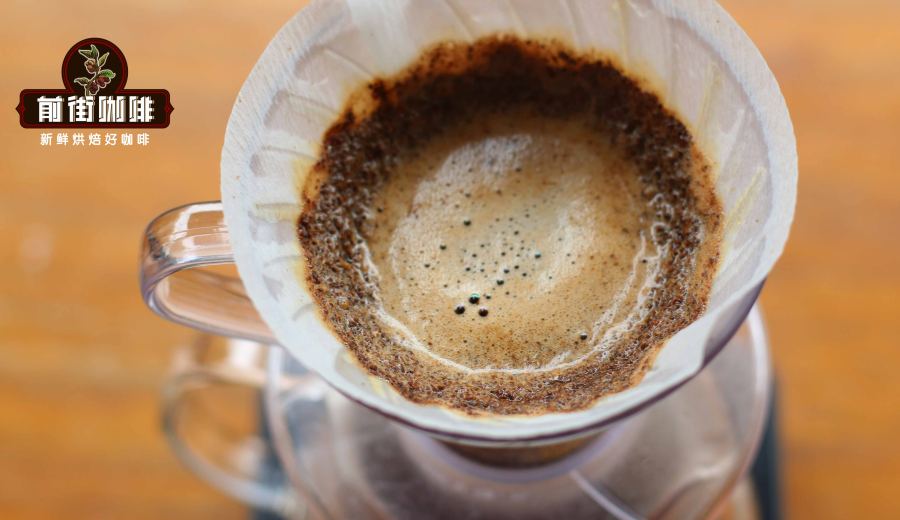
Introduction:Want to try pour over coffee but don’t know where to start with beans? This article will guide you through the principles and key elements of pour over brewing, analyzing everything from roast dates to equipment pairings. We’ve also carefully selected seven classic single-origin beans—including Ethiopian Yirgacheffe and Guatemalan Huehuetenango—as everyday options, with in-depth analysis of how processing methods vary by origin and their resulting flavor profiles, helping you easily find your preferred black coffee taste.
In recent years, pour over coffee has gradually become the go-to choice for beginners in the coffee community. But faced with the wide variety of beans on the market, many people often don’t know how to choose. In fact, the charm of pour over lies in using simple equipment and precise parameters to highlight the unique regional characteristics and processing styles of the beans. This article not only explains the basic principles of pour over brewing, but also addresses the common challenge of bean selection for newcomers by recommending seven high-value everyday beans from different origins, helping you build a systematic understanding of coffee flavors.
The essence of pour over coffee is using hot water to extract soluble compounds from ground coffee. Though the process may seem straightforward, every step is crucial: from the roast date and grind size of the beans, to water temperature and pouring technique, each factor directly impacts the final flavor. A special reminder for beginners: it’s best to use beans within 4 to 30 days of roasting—this period is known as the “optimal flavor window,” when the beans are most vibrant and can steadily release rich, layered aromas and flavors. If your beans are freshly roasted, it’s usually recommended to let them rest for 3 to 5 days to degas before brewing, which will yield better flavor.
<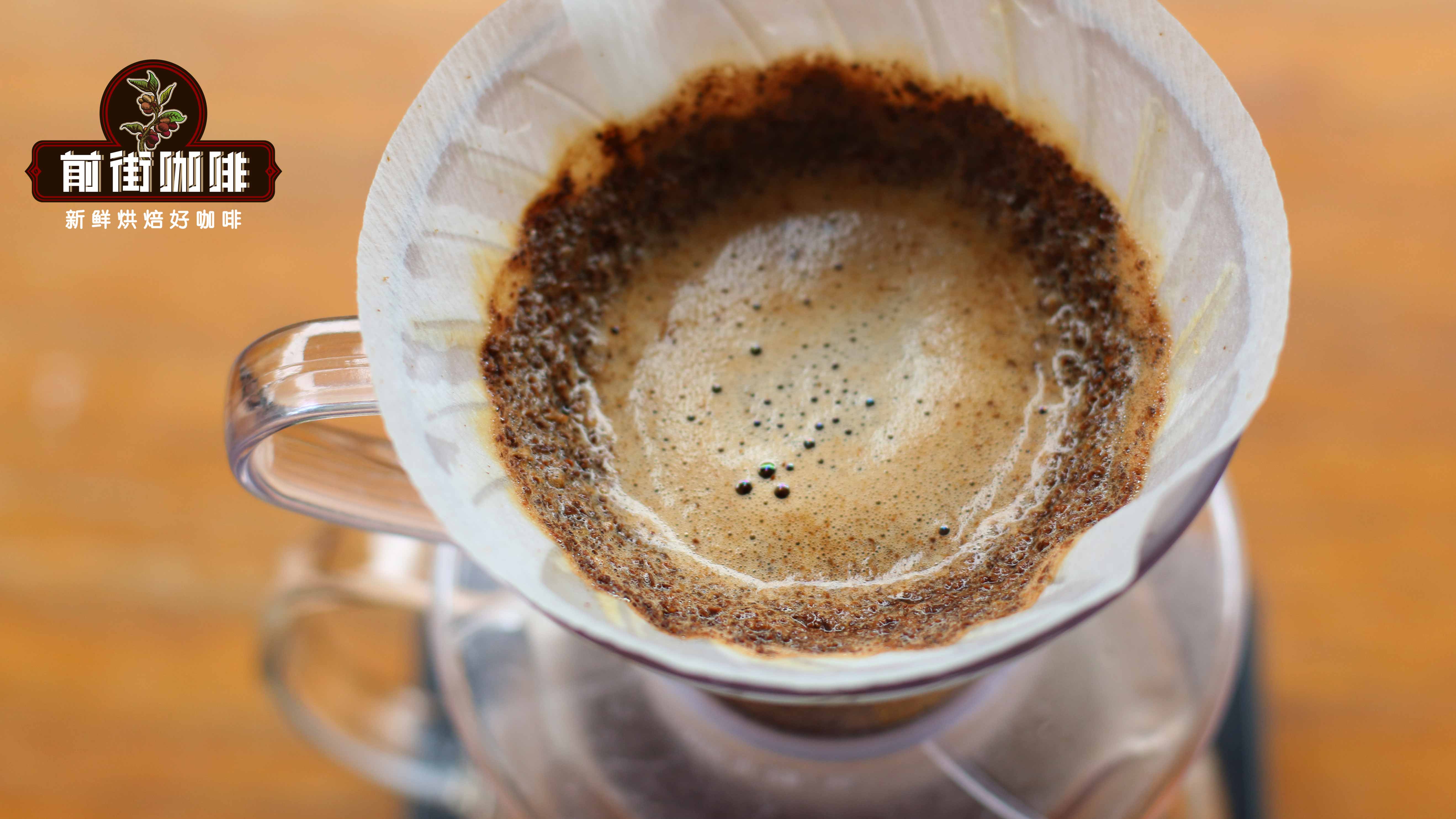 Next, we’ll focus on seven everyday beans sourced from classic global origins. These beans are not only affordable but also boast distinct regional characteristics, making them perfect for beginners to practice pour over techniques and flavor identification.
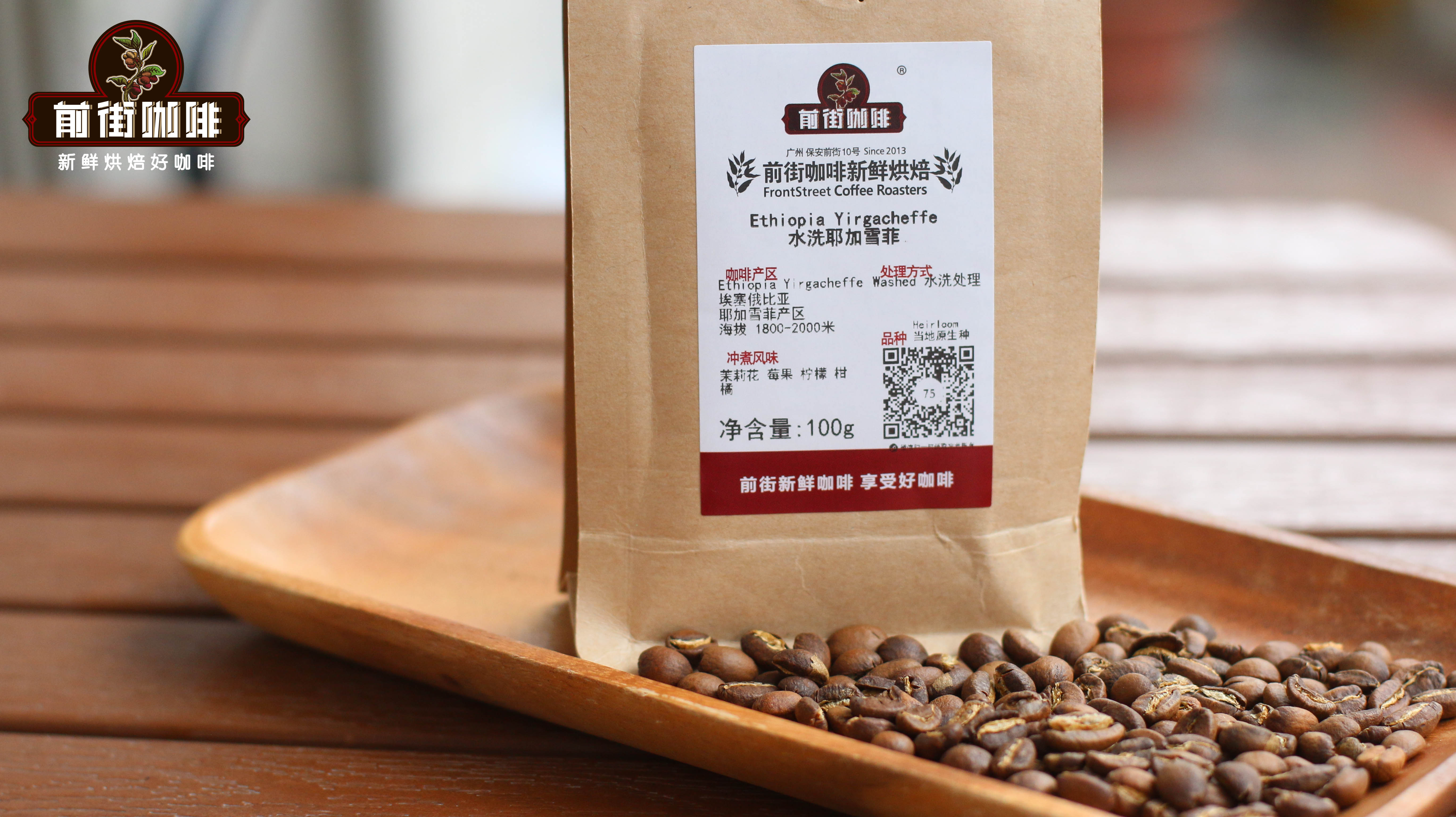
First up is the washed Ethiopian Yirgacheffe. When Yirgacheffe is mentioned, most people think of bright citrus notes, lemony acidity, and delicate floral aromas, sometimes even with a green-tea-like clean finish. This is thanks to the washed processing method used in the region—by removing the fruit pulp and mucilage, it significantly enhances the beans’ cleanliness and acidity. The Yirgacheffe we recommend is medium-light roasted, preserving vibrant fruit acidity and rich layers, and whether brewed via pour over, cold brew, or French press, it showcases its elegant qualities.
Another great option to try is the washed Guatemalan Huehuetenango. Grown in high-altitude mountainous regions, Huehuetenango benefits from fertile volcanic soil and significant day-night temperature variation, giving the beans rich nutty and citrus aromas. Coffees from this region are mostly classified as SHB (Strictly Hard Bean), with high density and heat resistance, making them ideal for medium-light roasting to highlight their clear sweet-acid balance. This washed Huehuetenango bean gives off distinct nutty and citrus scents upon grinding, with a clean cup and long-lasting finish.
The washed Colombian Huila bean, meanwhile, is known for its balanced acidity and full body. Located on the foothills of the Andes, Huila features fertile volcanic soil and a mild climate, with coffee trees often grown at elevations above two thousand meters. Local smallholder farmers commonly use shaded cultivation to ensure slow fruit maturation. The recommended Huila everyday bean is medium-dark roasted, retaining nutty notes while offering moderate acidity and a chocolatey finish, suiting those who prefer a richer mouthfeel.
 Brazil’s Cerrado Mineiro semi-washed Red Bourbon coffee showcases the classic low-acidity, smooth Brazilian profile. Due to lower elevation and a drier climate, Brazilian coffee is mostly produced on a large scale, with flavors leaning toward nuts, cream, and chocolate. Cerrado Mineiro sits between 800 to 1300 meters altitude, producing coffee with excellent balance—this semi-washed bean carries subtle hints of red wine and milk, ideal for beginners who enjoy full-bodied flavors.
Costa Rica’s Tarrazú region is famed for its high elevation and volcanic soil. The recommended Tarrazú washed bean blends two varieties: Caturra, which brings bright berry acidity, and Catuaí, adding nutty character, resulting in an overall balanced and soft flavor profile. Tarrazú’s high-altitude environment allows the beans to develop complex sweet-acid layers, and the meticulous washed process yields a bright yet rounded cup.
Indonesia’s Lintong Mandheling employs the unique wet-hulled (Giling Basah) process. This method involves removing the parchment layer when the beans are still semi-dried, exposing them to more oxygen and moisture and developing distinctive woody and herbal notes. The recommended Mandheling everyday bean offers low acidity, a full body, and intense spicy aromas, perfect for those who enjoy dark roast flavors and heavier mouthfeels.
Finally, we recommend an everyday bean from Baoshan, Yunnan, China. In recent years, Yunnan has emerged as a notable player in specialty coffee. The Baoshan region, with its dry-hot valley climate and high elevation, produces beans with high sweetness and noticeable aftertaste. This Yunnan washed bean is medium roasted, highlighting chocolate and nut aromas while retaining moderate acidity and fruity sweetness, making it an excellent choice for experiencing premium domestic specialty coffee.
In summary, when selecting pour over beans, in addition to considering origin and processing method, pay attention to roast dates and your own flavor preferences. Through these seven classic everyday beans from diverse origins, you can not only hone your pour over skills but also gradually develop an understanding of global coffee flavors, ultimately finding the perfect cup of black coffee for you.
The above content is compiled by CoffeeHunters, a coffee news website.


