







Introduction:An in-depth exploration of the flavor differences between Yunnan’s two mainstream coffee varieties — Typica and Catimor — analyzing how their cultivation backgrounds and processing methods influence final cup profiles. The article provides detailed pour over and moka pot brewing parameters, along with a flavor wheel outline for the Yunnan growing region, helping coffee enthusiasts more accurately appreciate the unique charm of this land.
In recent years, Yunnan smallholder coffee has gradually made its mark in both domestic and international specialty coffee markets, appearing in everything from independent neighborhood cafés to major chain brands. Once burdened by variety limitations and inadequate processing techniques, Yunnan coffee was often perceived as bland and impure. However, with advancements in scientific cultivation and post-harvest innovations, this situation has improved significantly. This article starts with variety characteristics, comparing the flavor profiles of Typica and Catimor, and explaining why some farms insist on using Typica and traditional sun-dried processing — taking you deeper into the true potential of Yunnan coffee. We’ve also compiled practical pour over and moka pot brewing tips to help you easily experience its distinctive acidity, sweetness, and tea-like qualities.
 If you’ve been paying attention, you’ll notice that Yunnan coffee’s visibility in the market is steadily rising, increasingly appearing on menus whether as single-origin offerings or everyday choices. In the past, inconsistent quality and rough processing led to the Yunnan growing region being undervalued for a long time. But now, with refined cultivation management and innovative roasting and post-processing technologies, Yunnan smallholder coffee has gradually stepped into the specialty tier. Especially those farms committed to varietal purity and natural processing are reshaping perceptions of this region’s coffee potential.
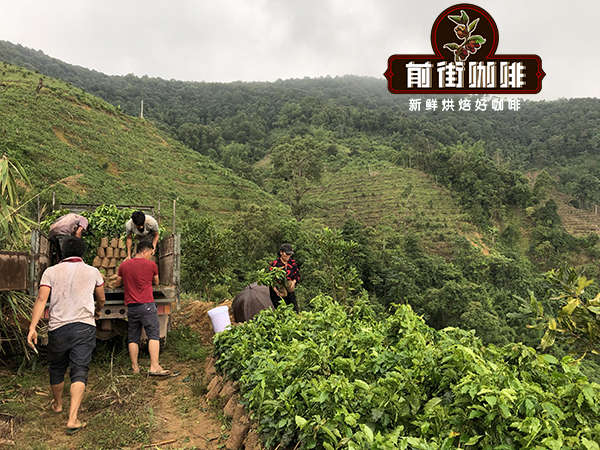
As early as 2013, when Yunnan coffee had yet to gain widespread attention, some farms were already focusing on varietal improvement and market education, with Typica being a key cultivation target. Compared to the then-mainstream Catimor, Typica has a longer planting history and inherently offers a clean, refreshing flavor base. The negative impression of Yunnan coffee in the past mainly stemmed from variety limitations and processing methods. Among them, although Catimor is classified as Arabica, it contains about 25% Robusta genetics, which often results in noticeable bitterness, weak aroma, and even astringency — making it difficult to meet specialty coffee evaluation standards.
 Catimor is actually a further hybrid of the Timor variety (a cross between Arabica and Robusta) and Caturra (a Bourbon mutation). Although the proportion of Robusta genetics isn’t extremely high, it’s enough to affect its overall performance — which is why many consumers have had subpar first experiences with “Yunnan smallholder coffee.” In contrast, Typica exhibits softer acidity, richer sweetness, and a tea-like aftertaste. For this reason, some farms committed to the specialty route choose to continue planting Typica and use traditional sun-dried processing to create more focused and terroir-driven flavors.
However, from a practical standpoint, completely replacing Catimor with Typica is no easy task. A coffee tree takes at least four years from planting to commercial harvest, with substantial investment in labor and resources during that period. Therefore, the Yunnan growing region still primarily cultivates Catimor to ensure stable yields, while Typica serves as the representative of the specialty route, gradually building a quality image. The coexistence of the two is not conflicting but rather meets differentiated expectations for raw material needs and the high-end market.
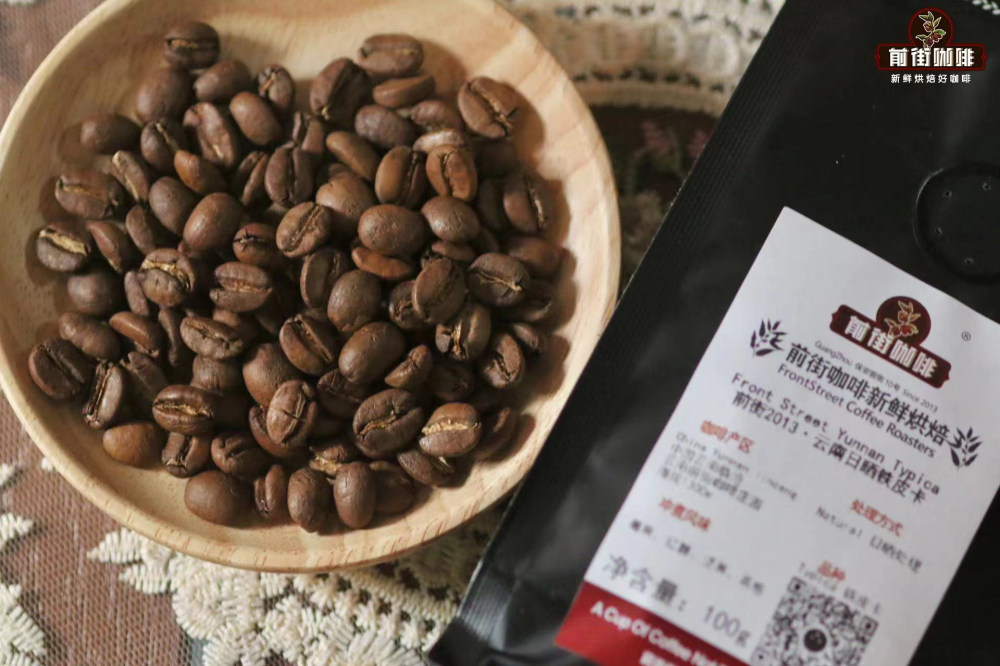
After years of cupping and regional observation, some farms have preliminarily defined the flavor profile of Yunnan Typica coffee, including notes of plum, brown sugar, black tea, and nuts. These characteristics make Yunnan coffee more than just an “affordable alternative,” but a specialty option that showcases unique regional flavors. Additionally, some farms offer entry-level beans based on Catimor, using medium roasts to allow consumers to experience the foundational flavor structure of the Yunnan growing region at a more accessible price.
 To highlight Yunnan coffee’s unique acidity, sweetness, and tea-like qualities, it is recommended to use a medium roast and brew via pour over with a V60 filter. The suggested coffee-to-water ratio is 1:15, with a grind size around medium-fine (similar to coarse sugar granules, approximately 75% passing through a Chinese No. 20 sieve), and water temperature controlled between 88–89°C. In practice, a two-stage pouring method is advised: start with 30 grams of water for a 30-second bloom; then pour in small circles to reach 125 grams, wait for the water level to drop, and then continue pouring to 225 grams, with total extraction time around 2 minutes and 10 seconds. This method fully brings out the layered and full-bodied nature of the coffee.
Taking Typica as an example, its flavors typically showcase layers of plum, berries, brown sugar, black tea, and nuts; whereas general Yunnan smallholder coffee often exhibits a combination of nuts, chocolate, spices, caramel, and plums. These descriptions help consumers better identify regional characteristics and varietal differences during tasting.
Besides pour over, Yunnan smallholder coffee is also well-suited for preparation with a moka pot. With just a few simple steps, you can extract coffee with moderate crema and a rich mouthfeel, whether enjoyed as a black coffee or paired with milk, showcasing its unique charm. The process is as follows: first, pour preheated pure water into the bottom chamber of the moka pot, keeping the water level about 0.5 cm below the safety valve to avoid over-extraction and scorching; next, use coffee grounds slightly coarser than standard espresso grind, fill the filter basket, tap gently to distribute evenly, shape into a small mound, and level the surface; reinsert the filter basket into the bottom chamber and securely tighten the upper and lower chambers; finally, place on an electric stove over high heat until you hear a distinct “wuu wuu” sound, then reduce to low heat and open the top chamber lid to observe the coffee flowing out. Turn off the heat when half the coffee has flowed out, using residual heat to complete extraction. Lastly, you can add hot water to make a moka pot Americano, or mix with hot milk for a smooth moka pot latte, according to preference.
The above content is compiled by CoffeeHunters, a coffee news website.


