







Introduction:Want to understand the unique charm of Single Origin Espresso (SOE)? This article delves into the flavor characteristics of SOE, the types of drinks it pairs well with, and provides practical extraction parameters and steps to help you master the art of making this richly flavored coffee. Whether you're a beginner or an advanced enthusiast, there’s something here for you.
Single Origin Espresso (abbreviated as SOE) is made by using single-origin beans—traditionally used for pour over—extracted under high pressure with an espresso machine to release more concentrated and layered flavors. Since factors such as roast level, grind size, and bean freshness all affect the final outcome, SOE tends to be less stable compared to blends. As a result, beans that can showcase distinct regional characteristics are usually selected, allowing each sip to deliver clear terroir flavors.
With the growing popularity of specialty coffee culture, more and more coffee enthusiasts are exploring various single-origin flavors, and SOE is a product of this trend. You might wonder, is SOE coffee actually tasty? In truth, its taste and flavor profile depend on the bean variety and extraction technique. Some SOEs can present bright fruit notes, floral aromas, and even unique fermented scents—qualities that are often hard to achieve with traditional blends.
So, what exactly is SOE coffee? Simply put, it’s espresso made from beans sourced from a single origin. While it originates from the concept of single-origin coffee, it’s not the same as specialty coffee. The key lies in how the high-pressure extraction of an espresso machine amplifies the bean’s flavor characteristics, creating a rich and distinctive taste. Compared to regular espresso blends that aim for balance and consistency, SOE emphasizes the uniqueness of the region, offering a different surprise in every cup.
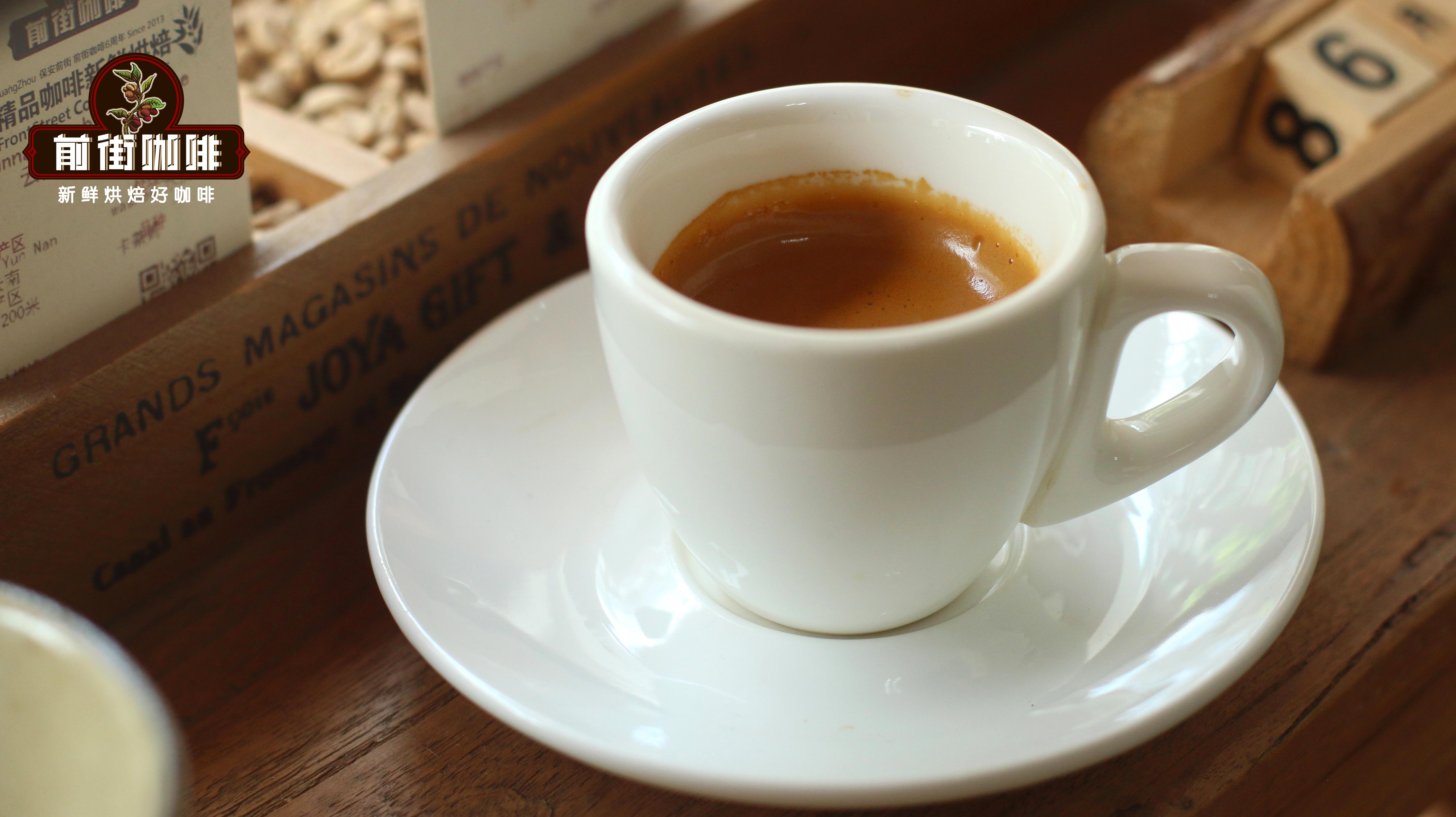
Many people ask, aren’t single-origin beans unsuitable for espresso? So why does SOE succeed? That’s precisely where its charm lies. Traditionally, espresso has relied on blends to ensure consistent flavor and intensity. But SOE challenges this norm by using beans from a single origin. Through precise roasting and extraction, the subtle flavors typically revealed in pour over can also shine through in espresso. However, due to these characteristics, SOE requires more meticulous adjustments to extraction parameters—including grind size, dose, water temperature, and brew time—all of which can significantly impact the final flavor.
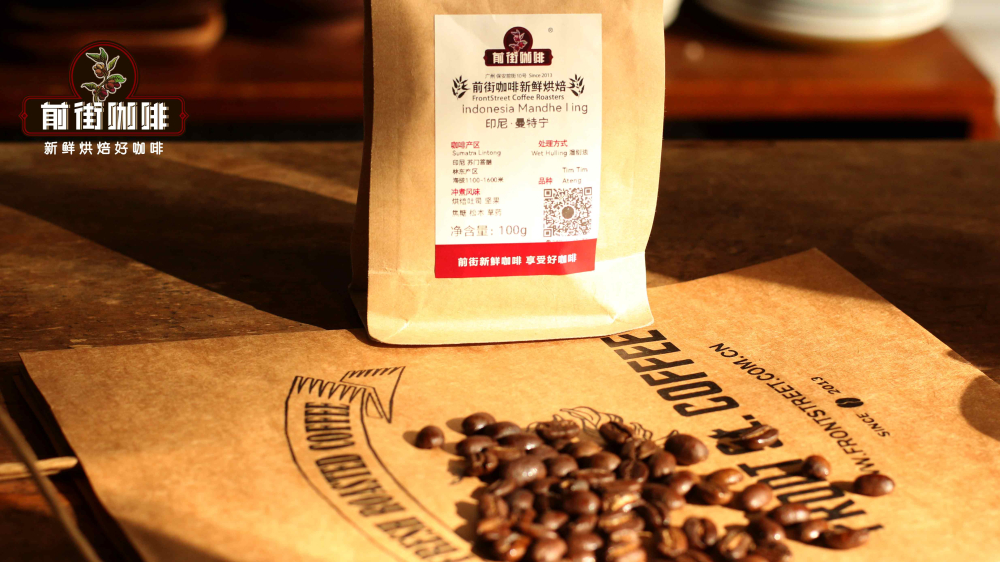
For example, Ethiopian coffee beans, such as the popular Huila varieties, often feature bright berry, black tea, and floral notes, making them ideal for those who enjoy fruity acidity and layered complexity. Brazilian single-origin beans, on the other hand, may showcase creamy, peanutty, chocolatey, and toasted bread-like richness, suiting those who prefer bold flavors. If you’re not a fan of too much acidity, you might opt for beans like Mandheling, which offer herbal, piney, chocolatey, and caramel notes with a full body and strong roasted aroma, delivering a stable and satisfying experience.
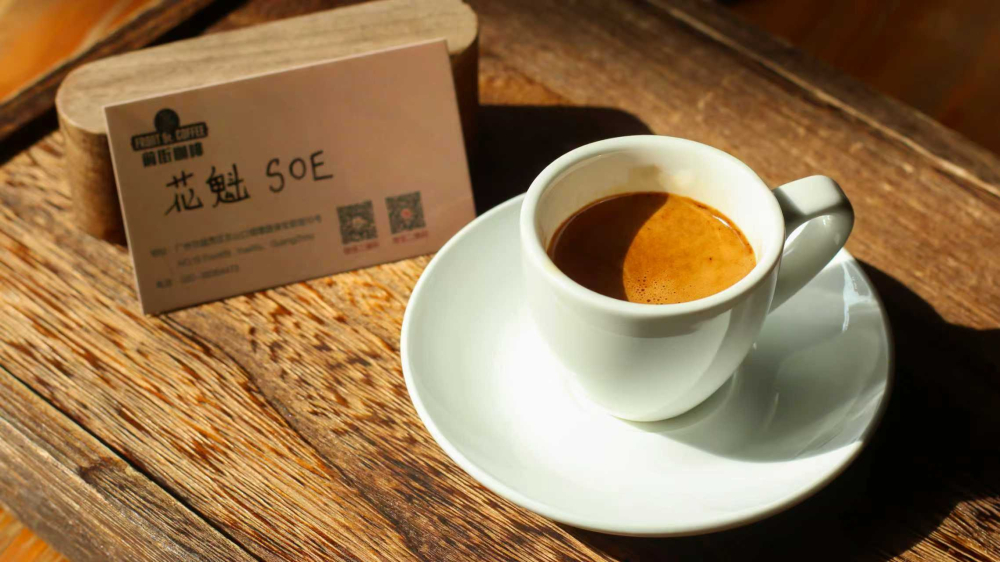
The flavor profile of SOE coffee is defined by its high recognizability and complexity. But this also means it demands higher skill and experience from the barista. While many specialty cafés offer SOE options, not all include it as a regular menu item. This is because SOE flavors can vary greatly depending on season, regional climate, and roast degree, requiring more frequent adjustments and testing. Still, for coffee lovers seeking unique experiences, SOE provides an alternative to traditional espresso, allowing you to enjoy the nuanced and diverse flavors of pour over—in the form of a shot.
So, what kind of drinks is SOE coffee suitable for? The answer: almost all espresso-based beverages. Whether it’s an americano, latte, cappuccino, or even iced coffee, SOE can showcase its unique flavor charm. However, since SOE flavors are more pronounced, it’s recommended to pay attention to the ratio of espresso to milk or water when crafting drinks, to avoid excessive dilution that could mute the flavors. For instance, when making an iced americano, reducing the amount of water can make fruity notes more prominent; while preparing a latte, a moderate amount of milk can soften the acidity and highlight the coffee’s sweetness and layers.
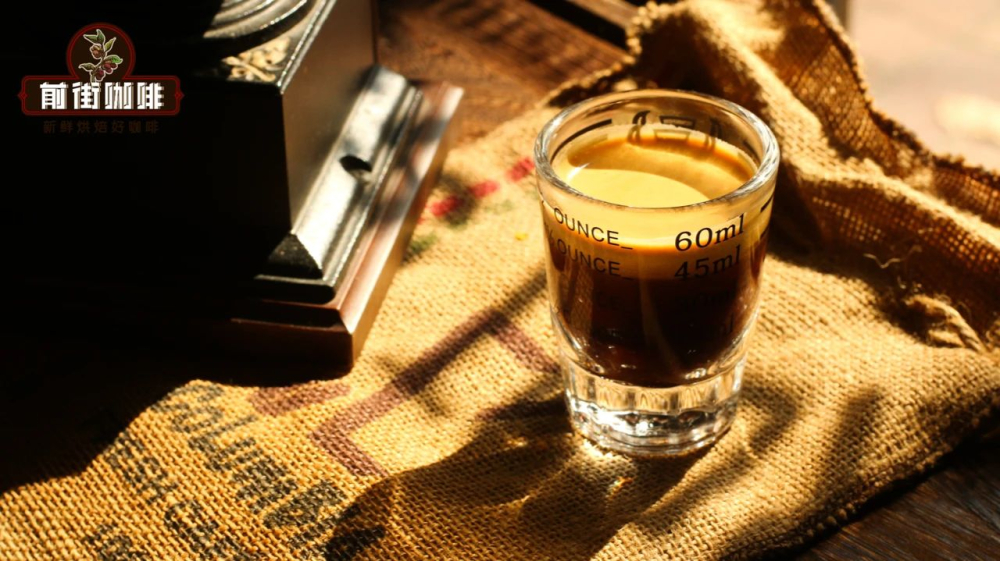
Take the Ethiopian Natural Huila SOE as an example. Its typical extraction parameters are: 20g of coffee grounds, yielding 40ml of espresso, extracted over 25 to 30 seconds, with a grind size recommended at Fimo 900N #1.7. This SOE often features citrus, creamed strawberry, dried mango flavors, along with mild fermented notes. It has a thick mouthfeel, medium-to-high acidity, and medium-level bitterness. Such a flavor profile allows it to express rich fruitiness and sweetness whether brewed as an iced americano or a latte.
When using Huila SOE to make an iced americano, you can mix 40g of espresso with 120g of ice and 120ml of room-temperature water. For a hot version, use 180ml of hot water instead, helping preserve more fruity and floral aromas. The first sip will reveal layers of citrus, red berries, and black tea. For an iced latte, it’s recommended to use 100g of ice and 150g of fresh milk with 40g of espresso. For a hot latte, start with the espresso as the base, then add 200ml of fresh milk and a fine layer of microfoam, finishing with latte art. This creates an exceptionally sweet and fruity milk-like experience.
In summary, SOE—Single Origin Espresso—is not just a drink, but a way to explore the depth of coffee flavors. By understanding its flavor characteristics, suitable drink pairings, and precise extraction parameters, you can uncover your own unique coffee flavor story with every brew.
The above content is compiled by CoffeeHunters, a coffee news website.


