







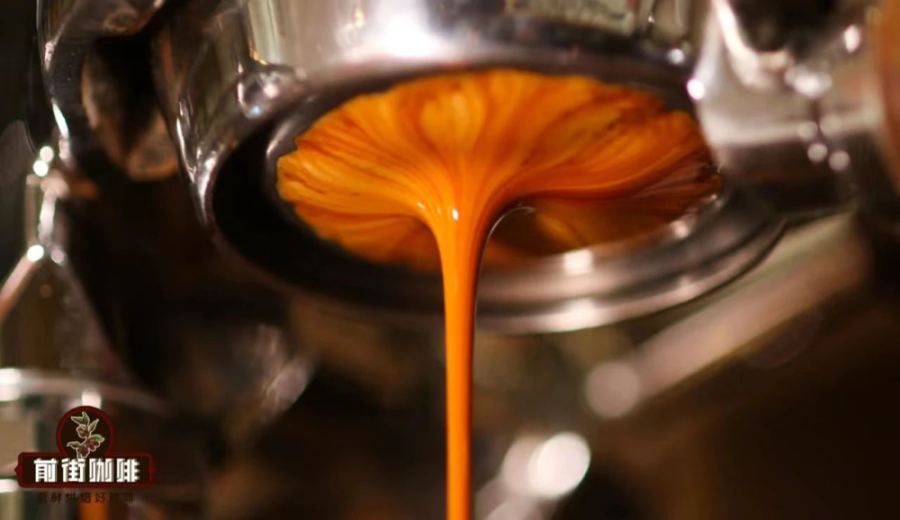
Introduction:The golden crema on the surface of an espresso shot not only affects its visual appeal but is also closely related to extraction quality. This article delves into the science behind crema formation, covering everything from pressure and temperature to coffee bean freshness, to help you master the key techniques for extracting a rich and velvety crema. We also highlight two espresso blends that are perfect for latte art and bold flavors—detailing their roast levels, origin compositions, and practical brewing tips—to help you achieve your ideal crema performance.
The golden to dark brown layer of foam on top of an espresso shot, known as crema, is often seen as a visual indicator of a successful extraction. The formation of this fine, dense foam involves the emulsification of coffee oils, the release of carbon dioxide, and physical changes due to the sudden drop in pressure during high-pressure extraction. However, extracting crema that is both long-lasting and finely textured requires balancing multiple variables.
Under the 9-bar pressure of a professional espresso machine, 18 to 20 grams of finely ground coffee are extracted with approximately 90 to 96°C hot water for 35 to 40 seconds, producing 35 to 40 grams of espresso. During this process, as water molecules penetrate the coffee grounds, they dissolve soluble flavor compounds while emulsifying the natural oils and fibrous materials in the beans into tiny bubbles. Notably, freshly roasted coffee beans contain high concentrations of carbon dioxide, which dissolves into the liquid under high pressure. When the extraction flow passes through the coffee puck, the pressure drops sharply from 9 bar to atmospheric pressure, causing the carbon dioxide to rapidly expand and carry the oils to form a floating layer.
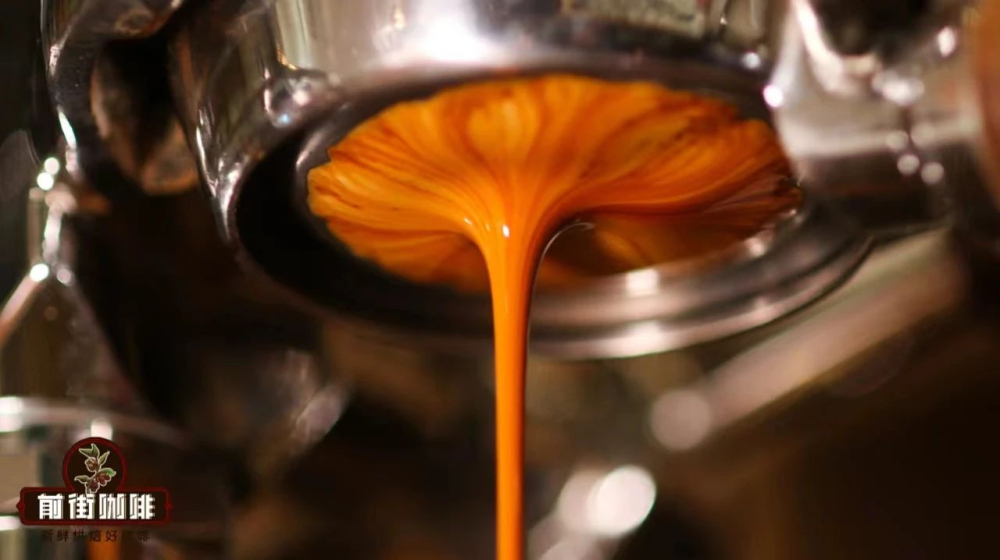
However, a rich crema does not necessarily equate to high coffee quality. For example, Robusta beans naturally contain more oils and bitter compounds, so even stale beans may produce a thick crema, albeit lacking in subtle complexity. Truly high-quality crema should exhibit an amber sheen, feel dense and long-lasting, and usually comes with a distinct sweetness balanced by fruity acidity. If the crema is too dark, almost black, or dissipates quickly, it may indicate over-extraction, overly dark roasting, or beans that have been stored for too long.
To consistently extract ideal crema, consider the following practical details: adjust your grind size to be between table sugar and fine sugar, keep your dose between 18 to 20 grams, and aim for a tamping pressure of 30 to 40 pounds for even compaction. During extraction, the initial crema should begin to appear within 5 to 8 seconds, and the overall flow should resemble honey—smooth and continuous. If you notice yellow spikes (a sign of channeling) or if the crema disperses immediately, check your grind uniformity and tamping technique.
Recommended Espresso Blends for Crema Performance
For scenarios where crema texture and bold flavor are prioritized, the following two classic blend formulas provide clear reference directions:
The first blend uses Brazilian Santos and Colombian Huila as the base, complemented by Vietnamese Robusta. The Brazilian beans provide a nutty foundational tone, the Colombian contributes citrus and caramel balance, while the Robusta enhances the crema thickness and body. A medium-dark roast (Agtron around #45) is recommended. This combination produces dense, amber crema at 92°C extraction, making it especially suitable for latte art bases with visible crema patterns.
The second is a dark roast blend (Agtron #35 or below), consisting of Sumatra Mandheling, Brazilian Yellow Bourbon, and Vietnamese beans. Sumatra adds depth with earthy and smoky notes, Brazilian beans balance the sweetness, and Vietnamese beans enhance crema stability. This formula benefits from pre-infusion (pre-wetting the coffee puck for 3 to 5 seconds), which effectively increases initial crema release. Practical tests show that under stable 9-bar pressure, this blend can maintain crema thickness for over 3 minutes, making it ideal for Americanos or drinks served over longer periods.

In practice, it’s recommended to replace your grinder burrs regularly (after grinding 150 to 200 kilograms), and ensure your espresso machine’s steam wand is clean to avoid residue affecting crema performance. For home users, using a pre-infusion function (releasing a small amount of water pressure to wet the coffee bed) can significantly improve crema continuity. Remember, the ideal crema state should balance visual appeal with flavor performance—not just pursue thickness alone.
The above content is compiled by CoffeeHunters, a coffee news website.


