







Introduction:What are the differences in flavor when brewing the same coffee beans using pour over versus an Americano coffee machine? This article explores the principles behind these two brewing methods, using a practical example—Ethiopia Yirgacheffe's Huākuí (Flower Queen) coffee beans—to detail their extraction parameters, flavor profiles, and to provide useful bean selection and operation tips. This helps coffee enthusiasts understand the differences and find the brewing method that suits them best.
Many coffee lovers have this question: if you brew the same coffee beans using pour over and an Americano coffee machine, how different will the final flavors be? The answer to this question involves the fundamental differences between the two brewing methods. From extraction principles and water temperature control to grind size and flow rate, every step affects the final coffee outcome.
Pour over coffee, known in English as pour over or hand drip, is a brewing method that relies entirely on gravity to allow hot water to slowly penetrate the coffee grounds. Its charm lies in its ability to showcase the layers and details of the coffee beans through fine-tuned parameters. American coffee, though common in daily life, actually originated from the practice of American soldiers diluting espresso with water. Today, it is widely made using drip filter or specialized coffee machines, making it a more mainstream brewing style.
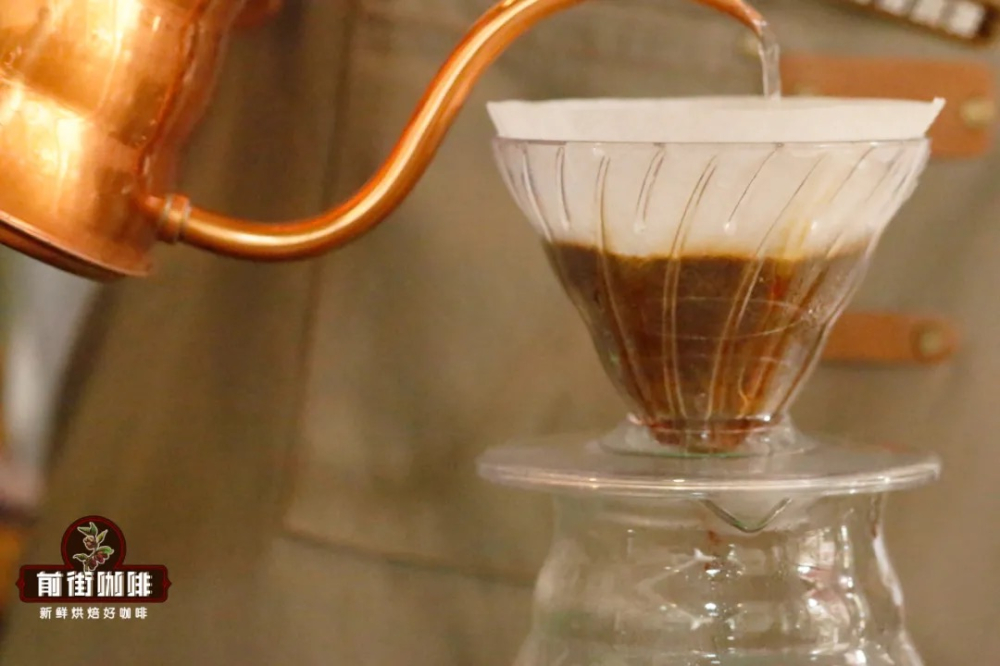
Pour over coffee typically uses a dripper and paper filter, with medium-coarse ground coffee placed inside. Then, approximately 90–94°C hot water is poured using specific pouring techniques (such as the three-pour method or center pour) to evenly saturate the coffee grounds. This process does not rely on pressure; the water flows naturally through gravity, which makes it easier to extract the acidic compounds, floral and fruity aromas, and sweetness from the coffee. In practice, different dripper designs (such as V60, Kalita Wave) also influence flow rate and extraction evenness, thereby altering the flavor profile.
For single-origin beans, selecting those with prominent fruity profiles (for example, beans with notes of candy fruit, strawberry jam, or Queen Estate characteristics) can more clearly highlight the delicate differences brought out by pour over. These types of beans are usually suited to a medium-fine grind (approximately 75–80% passing through a #20 sieve), with water temperature controlled at 92–94°C, and a common coffee-to-water ratio of 1:15 to 1:16, which can fully express their freshness and sweetness.
In contrast, the commonly available American coffee on the market is mostly made using drip filter coffee machines, rather than being a diluted version of traditional espresso. The operating principle of drip coffee machines is somewhat similar to pour over—in both cases, hot water passes through the coffee grounds and drips through a paper or metal filter. However, since most home drip machines cannot precisely control water temperature and pouring methods, their extraction stability is often inferior to manual brewing, though the bean selection logic can still refer to that of pour over.
If you want to truly experience the bold base characteristic of the American style, then espresso extraction must be mentioned. Espresso is extracted under 9 bar high pressure, with extremely fine grind (approximately 30–40% passing rate), high water temperature (about 92–96°C), and a short time (20–30 seconds) to produce concentrated espresso liquid, with a common coffee-to-water ratio of 1:2. This highly concentrated coffee liquid, when diluted with water, becomes the familiar “Americano.” Due to the involvement of pressure, this process extracts more crema and body, and the flavor tends to be richer, with caramel, chocolate, or nutty undertones.
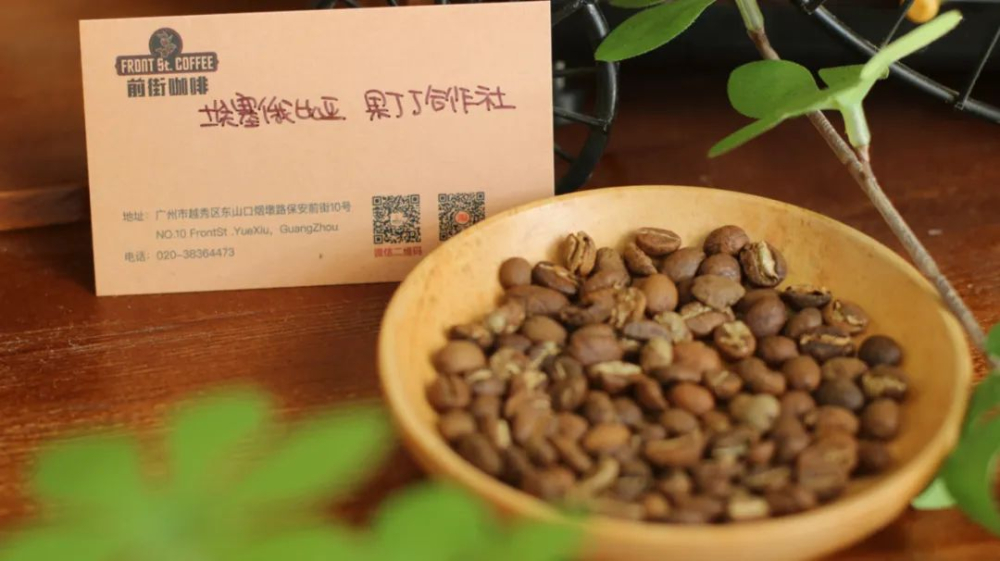
For this specific comparison, we selected the 'Huākuí' coffee beans from Ethiopia’s Yirgacheffe region as an example. These beans exhibited clear floral and fruity aromas during cupping, with soft acidity and prominent sweetness, making them ideal for observing flavor transformations under different brewing methods.
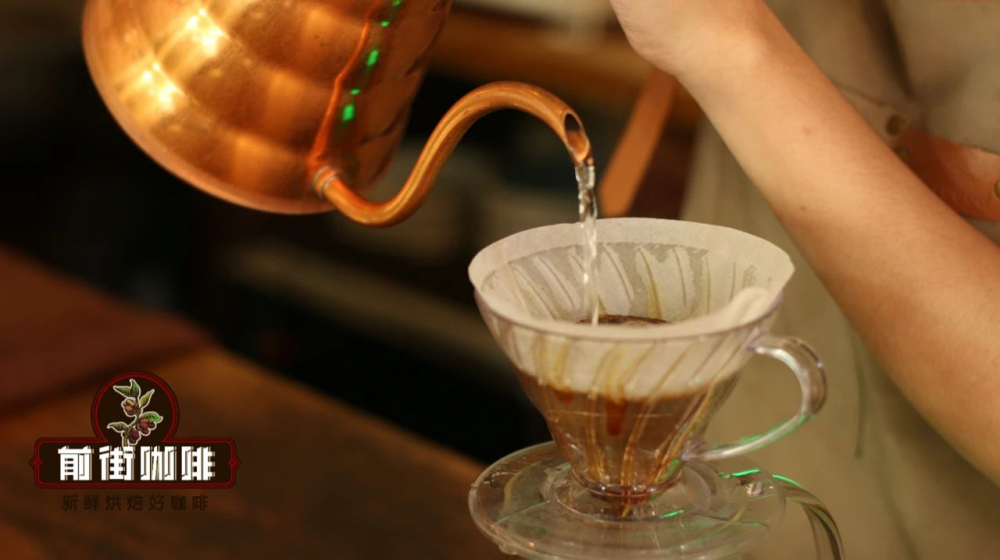
For the pour over, we used a Hario 01 dripper, set the grind size to medium-fine (approximately 78% passing through a #20 sieve), water temperature at 92°C, coffee dosage at 15 grams, and a coffee-to-water ratio of 1:15. The pouring strategy was a three-pour method: first pouring 30 grams of water for a 30-second bloom, then pouring in small circles to reach 125 grams with a brief pause, followed by pouring until 225 grams after the water level dropped, and finally removing the dripper just before the coffee bed is exposed. The total extraction time was about 2 minutes and 8 seconds. Under these parameters, the pour over Huākuí showcased pronounced floral, berry, and citrus acidity with sweetness, accompanied by bright plum-like acidity, along with honey and black tea aftertastes. The overall profile was layered and refreshing.
As for the espresso Americano, we used a Feima E98 espresso machine and an ek43s grinder, setting the grind size to 0.1 (extremely fine), coffee dosage at 20 grams, coffee-to-water ratio at 1:2, extraction time at 24 seconds, yielding 40 grams of espresso. This espresso version exhibited medium-high acidity, clear sweetness, soft and smooth bitterness, with an entrance marked by citrus and berry aromas, and an aftertaste of dark berries and caramel intertwined. However, directly diluting this espresso at a high ratio can easily throw off the balance. Therefore, after experimenting with different ratios, we recommend a 1:6.5 ratio (i.e., 40 grams of espresso mixed with 260 grams of 86°C hot water). At this ratio, the result presents soft berry acidity, light tropical fruit flavors, a juice-like mouthfeel, and a creamy, caramel-toned warmth in the aftertaste.
In summary, the strength of pour over coffee lies in its ability to highlight the details and layers of the coffee itself, with a clear flavor profile and a clean, refreshing mouthfeel—ideal for drinkers who enjoy exploring nuanced flavors. On the other hand, American coffee (especially the version diluted from espresso) retains oils and the characteristics of espresso, resulting in a richer and more robust mouthfeel, with flavors that tend to be bolder and more defined.
Regardless of which method you choose, understanding the origin characteristics and processing methods of the beans, as well as adjusting the appropriate grind size and water temperature, are key to enhancing flavor expression. For beginner coffee enthusiasts, it is recommended to start with single-origin beans, explore how different parameters affect flavor through pour over, and then gradually try variations of espresso and Americano to find the brewing style that best suits your palate.
The above content is compiled by CoffeeHunters, a coffee news website.


