







Introduction:Want to explore the unique flavors of Yirgacheffe washed coffee beans and master precise pour over techniques? This article delves into the evolution of Ethiopia’s Yirgacheffe coffee region, highlights the washed processing characteristics of the Guddina Cooperative, and offers practical pour over recommendations—including optimal water temperature, brew ratio, and extraction steps. It also extends to introduce the background and impact of the Red Cherry Project, as well as the flavor profiles of two classic natural processed beans, helping coffee enthusiasts grasp the essence of brewing Yirgacheffe.
Yirgacheffe is one of the most representative coffee regions in Ethiopia's coffee map. Its washed beans are renowned for their bright acidity and delicate floral notes, making them highly favored by coffee lovers worldwide. This article starts with the development trajectory of the region and introduces how the Guddina Cooperative became independent from the traditional Worka Cooperative, while adhering to traditional processing methods such as washed and natural, crafting uniquely flavored coffee beans.
Originally part of the Sidamo region, Yirgacheffe gradually stood out due to its delicate and highly distinctive flavor profile, eventually becoming an independent top-tier coffee region. Located at an altitude of about 2,000 meters, it is home to over 40 family-run cooperatives, including well-known micro-regions like Kochere, Wush Wush, and Gedeb, each producing coffee beans with distinct flavor characteristics.
The Guddina Cooperative is situated in the Worka area, southeast of Yirgacheffe, and was originally part of the Worka Cooperative. With the global specialty coffee market’s increasing emphasis on “single-origin” and “traceability,” Guddina was established independently in 2012 by around 300 farmers. The Guddina village is not only one of the first areas to operate as an independent single-village cooperative but also retains traditional processing techniques such as washed and natural, earning a reputation as the last pure land of Yirgacheffe.
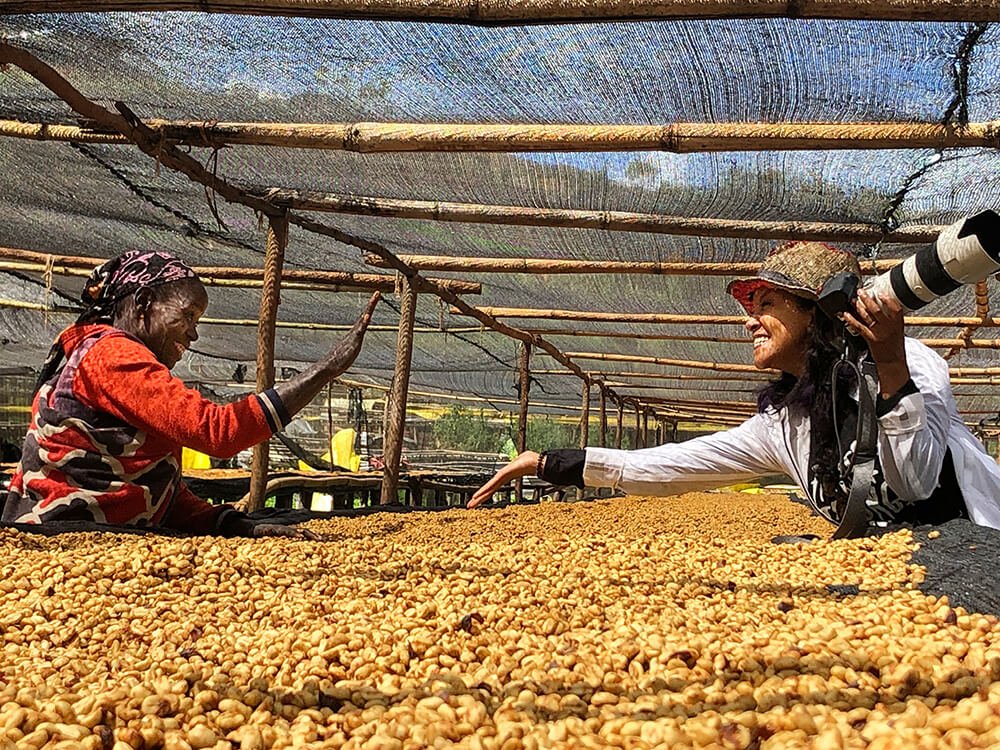
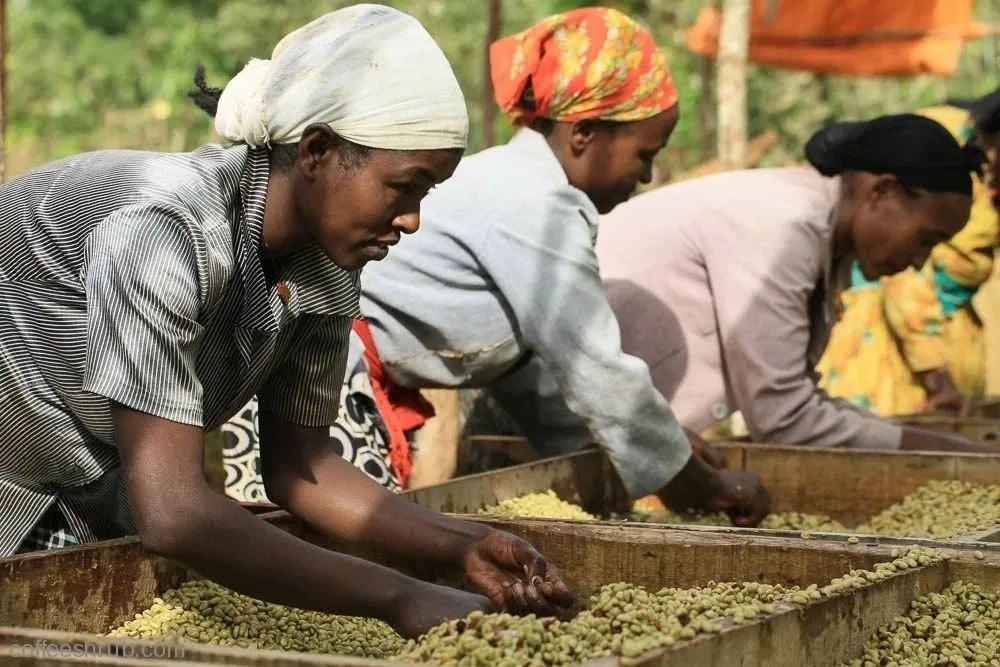
The washed processing procedure of the Guddina Cooperative is quite meticulous: first, a pulper is used to remove the skin and pulp of the coffee cherry, then the mucilage-covered parchment beans are placed in fermentation tanks for 18 to 36 hours of fermentation (time adjusted according to local temperature and humidity). After fermentation, the beans are washed in channels for 30 to 60 minutes, using water flow to remove lighter defective beans. Finally, the high-quality parchment beans are placed on African raised beds to dry naturally for about 14 days, followed by further processing at a dry mill, including hulling, color sorting, silver skin removal, and gravity tables, ensuring each batch meets export standards.
The imported Yirgacheffe Guddina washed beans are Grade 1, grown from the native Heirloom variety at altitudes between 1,900 and 2,300 meters. Their flavor profile is clear, often featuring layers of berries, cream, honey, citrus, and a pronounced juiciness, making them ideal for pour over enthusiasts who enjoy bright acidity and fruity-floral notes.
When talking about Yirgacheffe, one cannot overlook the “Red Cherry Project.” Launched in 2007 by Dutch green coffee trader Trabocca, this quality improvement initiative aims to enhance coffee quality at the source by strictly selecting only fully ripe red cherries and harvesting them by hand. In the past, many coffee farmers prioritized yield over quality, resulting in generally mediocre beans in the market. The Red Cherry Project encourages farmers to focus on carefully selecting ripe cherries by offering higher purchase prices and technical support, thereby elevating overall coffee quality.
The project requires participating farmers to harvest only 100% fully red coffee cherries and to handpick them meticulously. Beyond strict harvesting standards, Trabocca also provides financial loans, modern drying racks, shade nets, generators, and other equipment, along with technical teams to guide farmers in improving processing techniques. Additionally, coffee beans in the program undergo double cupping in professional tasting rooms in Addis Ababa, Ethiopia, and Amsterdam, the Netherlands. Only beans that pass high-standard evaluations are eligible for international auctions, often fetching prices 4 to 20 times higher than regular commercial coffee.
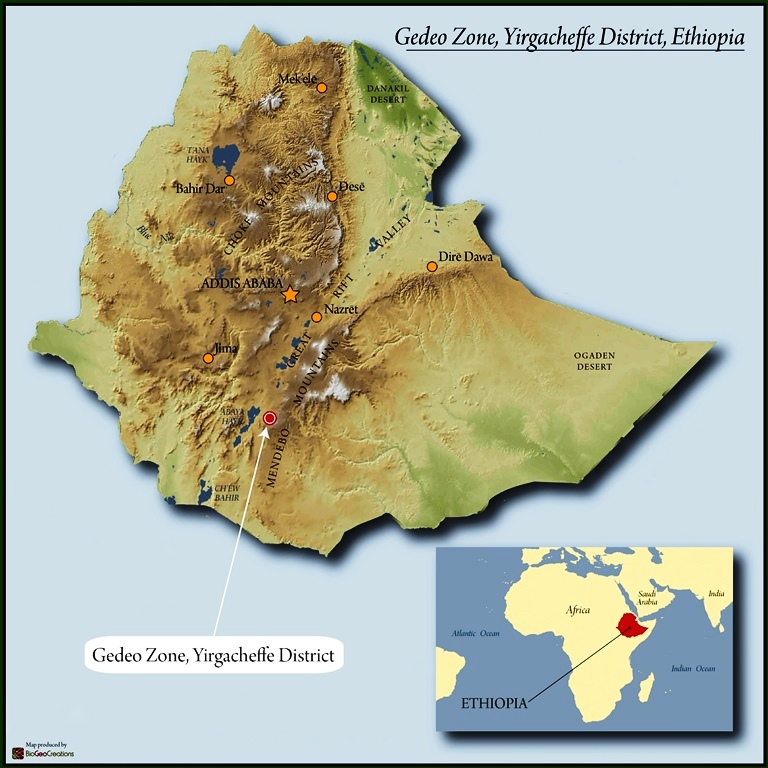
The Red Cherry Project includes coffee beans processed via washed, natural, and semi-washed methods, sourced from regions across Yirgacheffe, Sidamo, Punje Forest, Lekempti, Kembaata, Yiru Ababora, Harrar, Limu, and Korate. Each bean showcases the unique terroir and delicate layers of Ethiopian coffee.
Take the Yirgacheffe Red Cherry natural bean as an example: this bean is sourced from the Aleta Wondo farm, composed of hundreds of smallholder farmers with an average cultivation area of just 0.6 hectares. At an altitude close to 2,000 meters, the cool climate, large diurnal temperature variation, and fertile soil create exceptional flavor potential. With medium-light roasting, the beans develop intense berry aromas, making them perfect for pour over using a V60 filter to extract bright acidity and rich fruit notes.
Practical pour over recommendations are as follows: Use a V60 #01 filter, 15 grams of coffee, a 1:15 brew ratio, with medium-fine grind (approximately 80% through a 20-mesh sieve), and water temperature controlled at 90-91°C. Employ a three-stage extraction method: start with a 30-second bloom using 30 grams of water, then pour in small circles until reaching 125 grams for the first pour. After the water level drops, continue pouring to 225 grams, and finally remove the filter just before the coffee bed is exposed, with a total extraction time of about 2 minutes.
Take the Yirgacheffe Red Cherry coffee beans as an example: after brewing, they exhibit prominent fruit acids like lemon, citrus, berries, and sweet orange, with high sweetness and a caramel-and-cream aroma in the aftertaste. The finish transitions into a soft black tea-like note. Another bean, the Yirgacheffe Konga natural, showcases a blend of berry, cream, honey, and citrus flavors. At high temperatures, the acidity is bright, and as it cools, the mouthfeel becomes rounder and smoother—ideal for those who enjoy multi-layered fruit aromas and rich textures.
The above content is compiled by CoffeeHunters, a coffee news website.


