







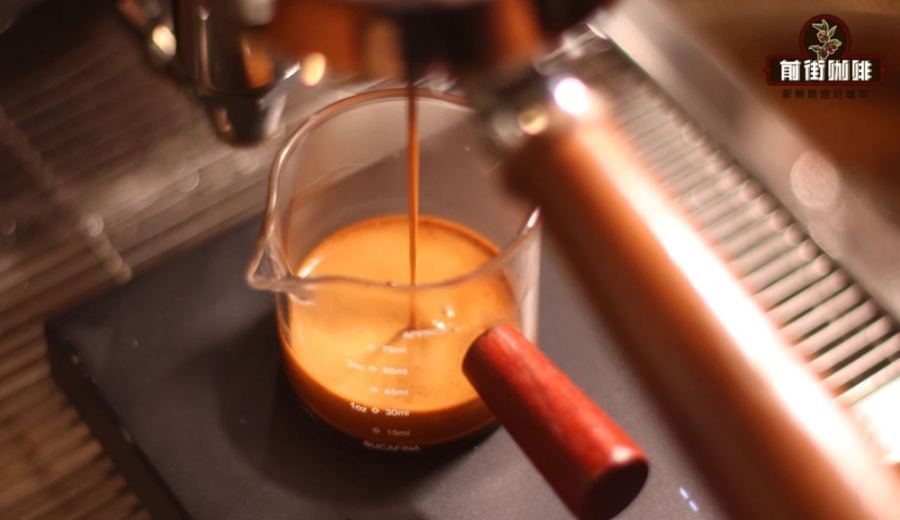
Introduction:Want to consistently extract well-balanced espresso at home or in your shop? The key lies in mastering the interplay of three core parameters: grind size, dose, and output. This guide will delve into how to systematically adjust these factors to quickly find your ideal extraction window, while also addressing common mistakes in distribution and tamping during practical operation. By reducing coffee bean waste, you’ll be able to pull richly layered and clean-tasting espressos, paving the way for exceptional creative drinks like iced Americanos.
Dialing in the perfect shot of espresso often involves multiple trials and adjustments. This process not only tests your patience but also demands a clear understanding of the key variables that affect extraction. Among them,grind size, dose, and outputare the three most essential parameters. They influence one another and together determine the flavor profile, concentration, and extraction efficiency of your espresso.
For beginners new to espresso, you might find that even when following recommended ratios, it’s not always easy to achieve satisfying results. Even professional baristas may need several attempts with a new coffee bean before achieving consistency. This article takes a hands-on approach to guide you step-by-step through the logic behind adjusting these variables, helping you optimize your espresso experience in a scientific and efficient way.
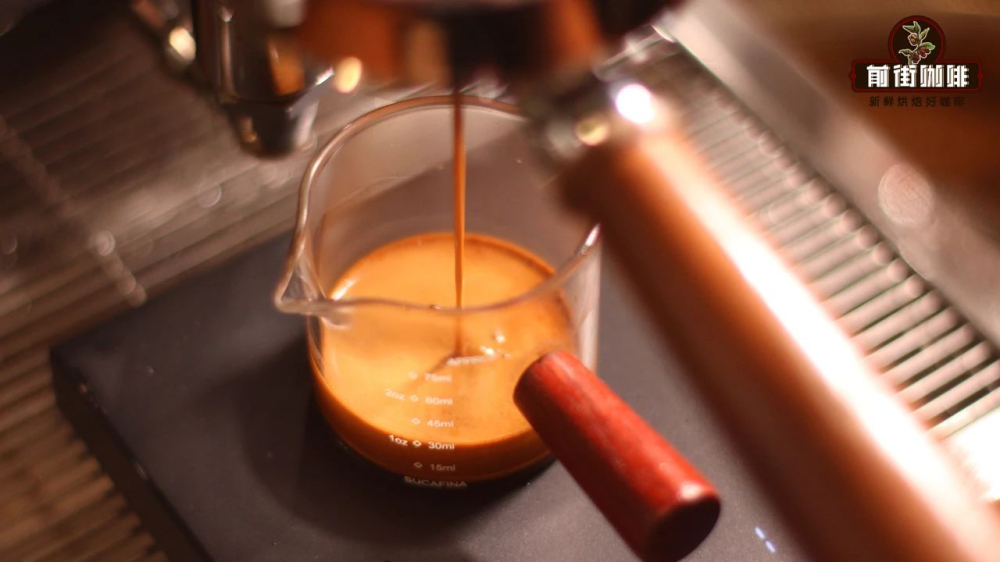
Before we begin, it's worth asking: why does some coffee taste sour and sharp, while others taste flat and dull? The issue often stems from improper parameter settings. Factors affecting espresso extraction include grind size, dose, output, water temperature, and pressure. But in day-to-day dialing-in,water temperature and pressure are usually kept constant—unless there is a clear abnormality, frequent adjustments are not recommended. Therefore, the real variables you’ll often fine-tune aregrind size, dose, and output, with grind size being the most frequently adjusted and the most directly impactful.
Adjusting grind size essentially controls how quickly water flows through the coffee puck, thereby influencing overall extraction time. When coffee is ground finer, the puck becomes denser, slowing down water flow, lengthening extraction time, and increasing both concentration and extraction yield. Conversely, a coarser grind speeds up flow, shortens extraction time, and reduces concentration. This mechanism forms the basis for adjusting espresso flavor.
Dose also affects extraction, though its adjustability is limited by portafilter basket design. Most baskets have a visible groove line inside, serving as a reference for puck height. After tamping, the top of the puck should approach but not exceed this line. Generally, adding or reducing the dose by about 1 gram is acceptable—if too much, the portafilter may not close properly; if too little, the puck structure may be too loose and easily disrupted by water flow. As such, dose adjustments are typically used for final flavor tweaks.
As for output—the weight of extracted coffee liquid—it serves as a key lever in balancing concentration and extraction harmony. For instance, using the common 1:2 ratio (e.g., 20g of coffee yielding 40g of espresso) ensures a certain level of concentration and makes extraction time easier to control, usually landing between 25–30 seconds. The following sections will detail how to further refine flavor through output adjustments.
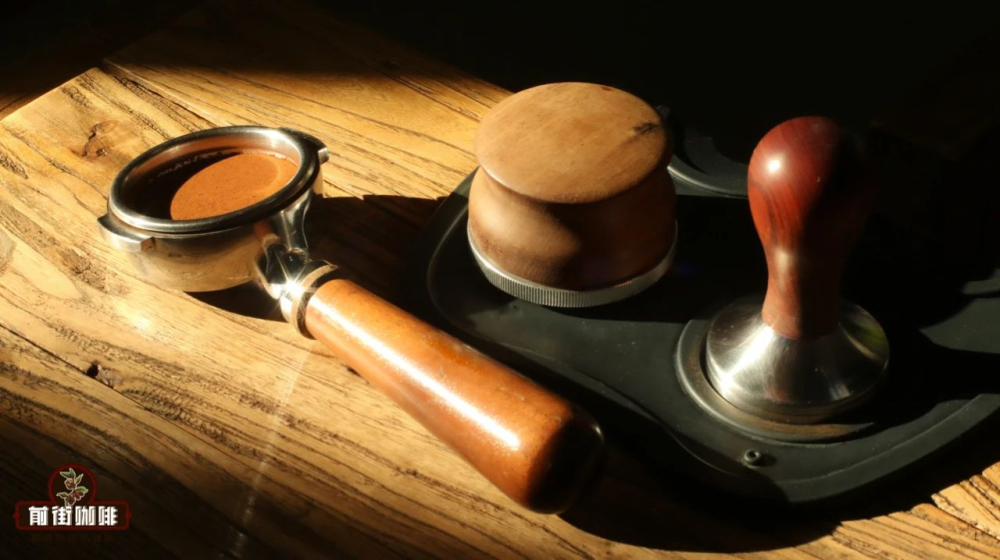
When adjusting espresso parameters, minimizing external interference is especially important. For example, uneven distribution or inconsistent tamping can directly lead to uneven extraction and negatively impact flavor. Additionally, having too few beans left in the hopper may result in uneven grinding; if the machine hasn’t reached a stable state—for instance, if water temperature and pressure aren’t fully preheated—extraction consistency may also suffer. Therefore,before making any formal adjustments, make sure your equipment and workflow are stableto avoid unnecessary parameter misadjustments.
In practice, it’s recommended to start with a basic extraction protocol. When facing a new bag of espresso beans, you can begin with the general guideline of “1:2 ratio, 25–30 second extraction time.” For example, if your portafilter basket has a standard capacity of 20 grams, use 20g of coffee to pull 40g of espresso, observing the flow rate and timing. Start with a visually appropriate grind setting, then fine-tune grind size based on the difference between actual extraction time and your target range.
When adjusting grind size, if you find the flow is too fast—that is, extraction time is under 25 seconds—it usually means the grind is too coarse, and you should adjust the grinder finer. Conversely, if the flow is too slow and extraction time exceeds 30 seconds, the grind may be too fine, and you should adjust it coarser. It may take several tries to get the feel at first, but once you’re more experienced, in most cases, fine-tuning just 0.2 notches at a time is enough to gradually approach the ideal range. If the time deviation is large—for example, over 5 seconds—you can also boldly adjust in increments of 0.5 to 1 notch until you lock in a reasonable grind setting range.
Even if initial parameters meet the 1:2 ratio and 25–30 second time range, it doesn’t guarantee great flavor. Different coffee beans have unique characteristics, so further adjustments based on actual tasting are often needed. For example:
- If the coffee tastes noticeably burnt and bitter with high concentration, it may be over-extracted due to too long an extraction time—in this case, try grinding coarser.
- If the crema color looks pale and the finish shows burnt bitterness, consider shortening the output, such as trying a 1:1.5 or 1:1.7 ratio to avoid extracting undesirable compounds from the tail end.
- If the coffee lacks complexity and has a short aftertaste, it may be under-extracted. You can extend the extraction time and increase the ratio to 1:2.5 to pull out more flavor compounds.
- If the coffee tastes overall bland, it could also be because too much coffee was dosed, resulting in an overly compact puck that restricts water flow. Try reducing the dose by 0.3–0.5g while keeping the liquid weight the same to observe changes.
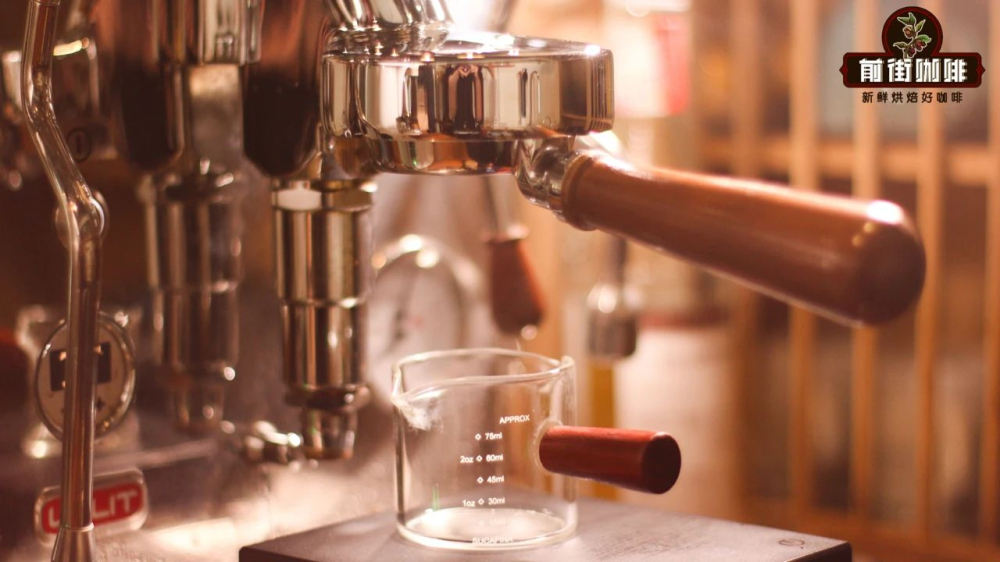
It’s especially important to note thatthe 1:2 ratio and 25–30 second extraction time are not absolute standards. Some coffee beans may perform better at 1:1.7 or 1:2.5, and sometimes 24 seconds or 36 seconds might better highlight their unique flavors. It’s best to let flavor guide your adjustments, using parameters flexibly rather than rigidly sticking to fixed numbers.
Once you’ve finally dialed in a satisfying espresso shot, why not take on the challenge of crafting a classic specialty drink—the iced Americano. The method is very simple:
The above content is compiled by CoffeeHunters, a coffee news website.


