








Introduction:Beginners in pour over coffee often face the dilemma of choosing from a wide variety of coffee beans. This article focuses on single-origin coffee beans, categorizing them into seven major flavor profiles based on their characteristics — including fruity, floral, fermented, sweet, balanced, bold, and nutty-cocoa tones. It also provides detailed flavor descriptions and practical brewing recommendations for representative producing regions within each category, helping coffee enthusiasts accurately select beans that suit their personal taste preferences.
For those new to pour over coffee, the abundance of coffee bean options on the market can be overwhelming. Pour over coffee is generally recommended to use single-origin beans produced in a specific region. These beans, with clear origins, tend to offer more stable and representative quality. According to current market trends, single-origin coffee beans can be categorized into seven main types based on flavor characteristics: fruity, floral, distinctly fermented, prominently sweet, well-balanced, rich and bold, and nutty-cocoa toned. Whether you prefer bright and refreshing acidity or rich and full-bodied flavors, these seven categories provide clear guidance. Below, we will delve into the typical producing regions, bean characteristics, cupping notes, and recommended brewing parameters for each flavor type, helping you easily find the most suitable pour over beans.
 In recent years, more and more people have gotten into pour over coffee, but many often feel confused when selecting beans. In fact, pour over coffee mostly uses single-origin or single-estate beans, which not only have clear origins but also help showcase the unique terroir of the region. Among the many single-origin beans, if categorized by flavor, they can generally be divided into fruity, floral, strongly fermented, richly sweet, well-balanced, highly bold, and nutty-cocoa toned types. These seven major categories cover most of the flavor profiles that consumers are familiar with and enjoy. Below, we will introduce the representative beans and related parameters for each type one by one.
Fruity Type: Bright Acidity and Tropical Fruit Flavors
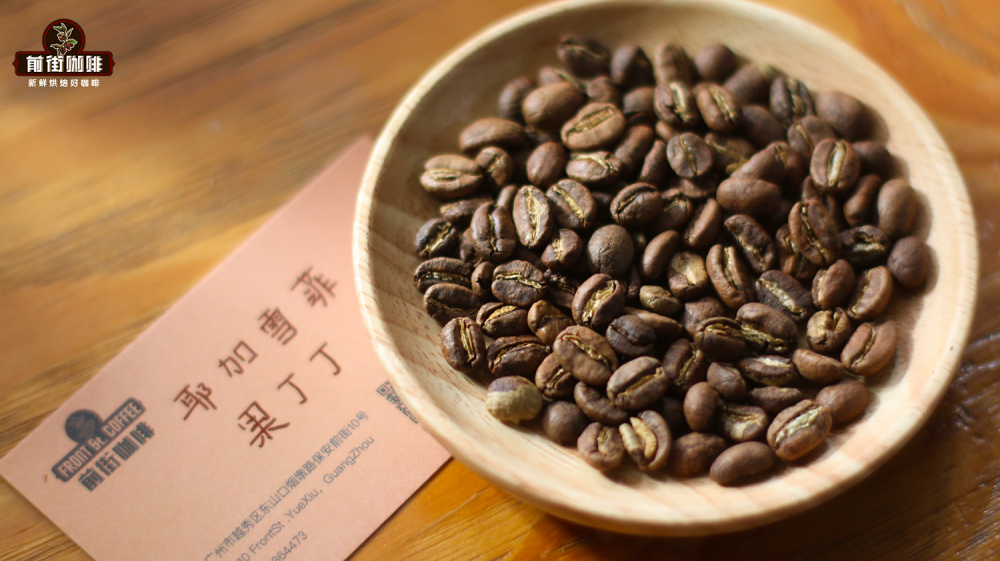
Most fruity pour over beans come from Ethiopia, with Yirgacheffe being the most representative and almost synonymous with Ethiopian coffee. This type of coffee typically has high acidity and distinct citrus notes, paired with fresh floral aromas and honey-like sweetness, making it ideal for drinkers who prefer a refreshing taste. For example, washed-process Yirgacheffe often presents a clean and bright acidity in the cup, along with jasmine floral notes and a honey finish, which even beginners can easily appreciate.
Take Yirgacheffe Gedeo Zone as an example, with altitudes ranging between 1900 and 2300 meters. It uses the native Heirloom variety and is processed via the washed method, graded as G1. Its brewed profile is concentrated, with prominent tropical fruit and fermentation aromas. As the temperature changes, you can perceive layers of berries and cream, with a lingering citrusy sour-sweet aftertaste.

Floral Type: Elegant Floral Notes and Citrus Juice-like Sensations
When it comes to floral coffees, the Geisha (瑰夏) variety is definitely the top choice. This variety, grown in the high-altitude and windy environment of Panama’s Hacienda Esmeralda, is rare in production but boasts extremely captivating floral and citrusy traits. It’s worth noting that the same variety, when planted at altitudes below 1400 meters, often shows weaker floral characteristics and instead exhibits a more bitter flavor.
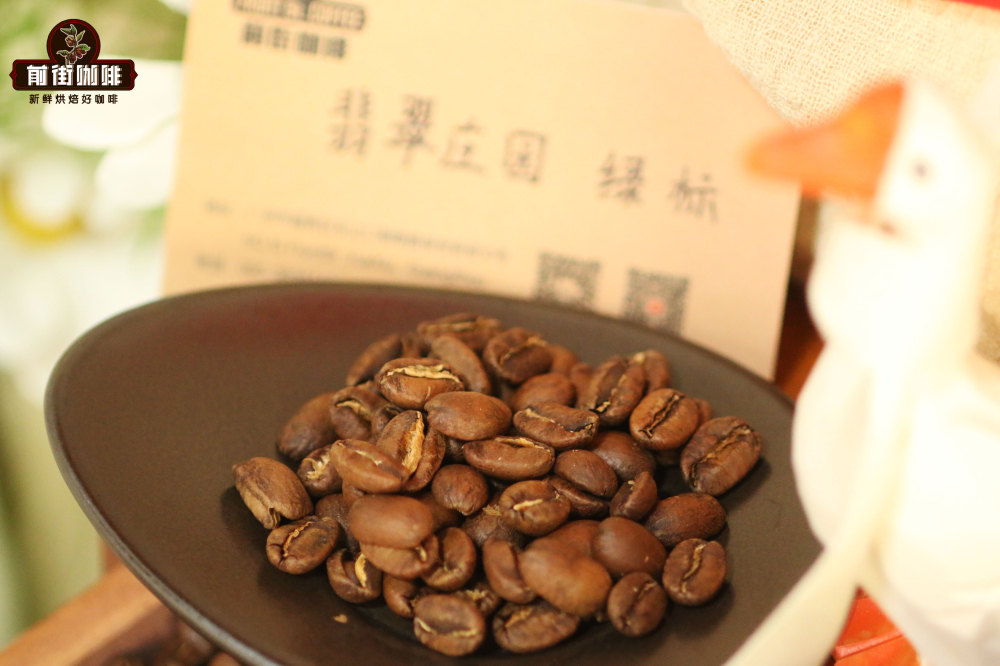
Take the washed Green Label Geisha from Hacienda Esmeralda as an example. The producing region is Boquete, Panama, at an altitude of 1600 to 1800 meters. The variety is Geisha, and the processing method is washed. Its flavor profile is rich and layered, featuring jasmine floral notes, citrus, berries, cream, green tea, and cantaloupe, with a long-lasting aftertaste full of citrus and floral aromas.
Fermented Type: Wine-like Aromas and Tropical Fruit Layers
If you prefer coffee with pronounced fermentation characteristics, honey-processed beans from Costa Rica are a good choice. The locally developed grape raisin honey process not only enhances sweetness and body but also brings fermentation layers reminiscent of white wine. These beans often emit sake-like aromas, paired with the sour-sweetness of ripe tropical fruits and berries, and a caramel-laced aftertaste with hints of floral notes.
For example, the Costa Rican Tarrazú region produces the Musician Series Bahía coffee beans by Cartel, using the grape raisin honey process. They are grown at an altitude of 1950 meters, the variety is Caturra, and the grade is Strictly Hard Bean (SHB). Their flavor profile includes rice wine fermentation aromas, tropical fruit sour-sweetness, nuttiness, and creaminess, with a caramel-laced aftertaste.
Sweet Type: Intense Sweetness from Ripe Fruits
Coffee beans with prominent sweetness often use fully ripe coffee cherries processed via the natural (sun-dried) method, allowing pulp and sugars to become highly concentrated. Ethiopia’s Yirgacheffe Natural Red Cherry is a classic representative. Its flavor profile centers around lemon, licorice, citrus, and berries, with a relatively high level of sweetness and a caramel-creamy aftertaste, followed by black tea-like notes in the finish.
This type of coffee, using highly mature fruits, allows sugar to fully convert during the sun-drying process, making it ideal for drinkers who enjoy a balance of sweetness and fruity notes. Brewing often reveals multi-layered sweetness and fruity tones.
Balanced Type: Classic Example of Harmonious Acid-Sweet-Bitter Balance
When talking about balanced-flavor coffee beans, Jamaican Blue Mountain No.1 is often mentioned. This type of coffee is known for its balanced acidity, sweetness, and bitterness, with a clean taste and moderate body — it’s the ideal flavor profile for many coffee lovers. Authentic Blue Mountain coffee must come from designated regions and pass strict certifications. For instance, the Blue Mountain coffee from Jamaica’s Clydesdale Estate holds Rainforest Alliance certification, uses the Typica variety, and is processed via the washed method.
Its brewed flavors include dark chocolate and nutty tones, with an overall bright presentation and clear layering. The balance between acidity, sweetness, and bitterness is just right, making it suitable for those seeking a balanced taste experience.
Bold Type: Low-Acidity, Full-Bodied Rich Flavor
High-body coffee usually has low or even no acidity, feels thick and tongue-coating upon entry, and has a prominent aftertaste. Indonesia’s Golden Mandheling is a representative of this type. It undergoes multiple manual screenings to ensure uniform bean size, retaining herbal and spicy notes while also showcasing rich nutty and caramel aromas.
The Golden Mandheling produced in Gayo Mountain, Aceh, Sumatra, at an altitude of 1100 to 1600 meters, is of the Ateng variety, graded G1, and hand-selected three times. It uses the wet-hulled (Giling Basah) process. Its flavor profile is dominated by herbal, spicy, nutty, and chocolate notes, with a long-lasting and full-bodied aftertaste.
Nutty-Cocoa Type: Warm Flavor with Low Acidity and Sweet Notes
Brazilian coffee, due to its growing environment and processing habits, often exhibits low acidity with nutty and chocolatey tones, offering a mild yet full-bodied taste. The Yellow Bourbon coffee produced by Fazenda Rainha uses the natural (sun-dried) process, with noticeable sweetness and high cleanliness. Some batches even carry tropical fruit aromas.
This type of coffee suits drinkers who enjoy warm, low-acid profiles with sweet and fragrant notes. Brewing often reveals a harmonious balance between chocolate and nut flavors.

The above content is compiled by CoffeeHunters, a coffee news website.


