







Introduction:Want to brew a balanced, non-bitter and non-astringent espresso with a moka pot? This article takes an in-depth look at how a moka pot works, guiding you from the tool’s features, extraction essentials, to grind size, heat control, and suitable types of coffee beans — helping you gradually master the best brewing method. It also explains the practicalities and limitations of using filter paper, along with clear, easy-to-follow step-by-step instructions, so you can easily brew a rich, aromatic cup of espresso-style coffee at home.
As a classic Italian household coffee brewing tool, the moka pot stands out due to its simple structure and ease of use, making it a top choice for many coffee enthusiasts. Not only does it have a classic design, but it also allows you to easily recreate the flavor of espresso at home. However, to brew a cup of coffee that is neither bitter nor astringent, with distinct layers, the key lies in understanding its working principle, and mastering the right type of coffee beans, grind coarseness, heat control, and timing for extraction.
The moka pot was invented in 1933 by Italian engineer Alfonso Bialetti. Its design was inspired by traditional distillation equipment, utilizing the steam pressure generated by heating to push hot water from the lower chamber through a metal filter and into the coffee grounds-filled filter basket, further extracting it into the upper chamber to form a rich coffee concentrate. This pressurized extraction method results in a coffee concentration close to that of a traditional espresso machine, with a coffee-to-water ratio of about 1:7, much higher than the typical 1:16 ratio used in pour over brewing.
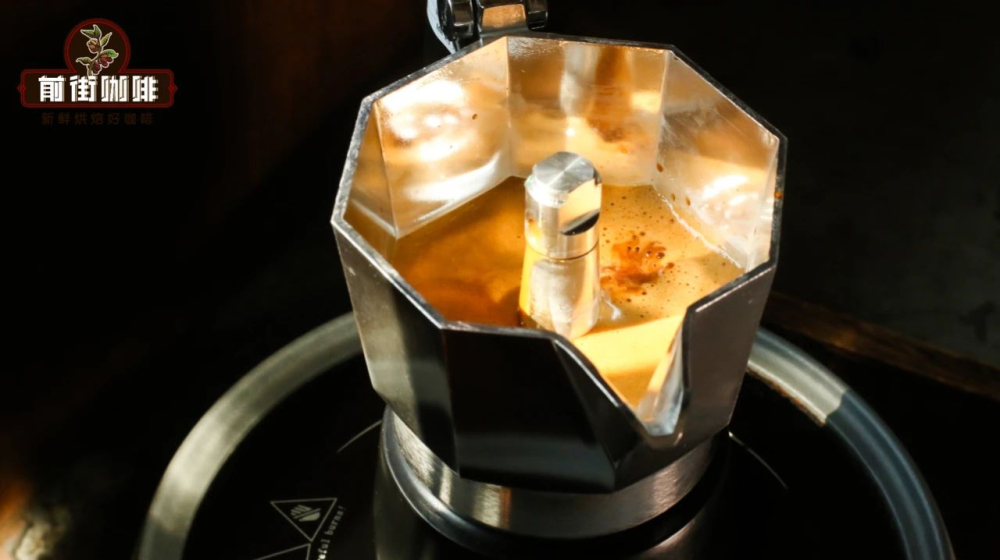
Many users wonder how to avoid overly bitter or astringent coffee when brewing with a moka pot. In fact, bitterness mostly comes from over-extraction — that is, the coffee grounds being in contact with hot water for too long, or the grind being too fine, leading to excessive extraction. To reduce this, you can apply the following tips: First, it’s recommended to use a medium to medium-fine grind, slightly coarser than what’s used for espresso machines, with a texture similar to fine salt. Second, after filling the coffee grounds, gently shake the filter basket to distribute the coffee evenly. Third, when the coffee begins to flow and the color turns golden-honey, it’s time to turn off the heat — at this point, about 80% of the extraction is usually complete, which helps prevent the release of undesirable compounds later on. Lastly, if you want to shorten the heating time further, you can pre-fill the lower chamber with hot water to reduce the time needed to bring the water to boiling.
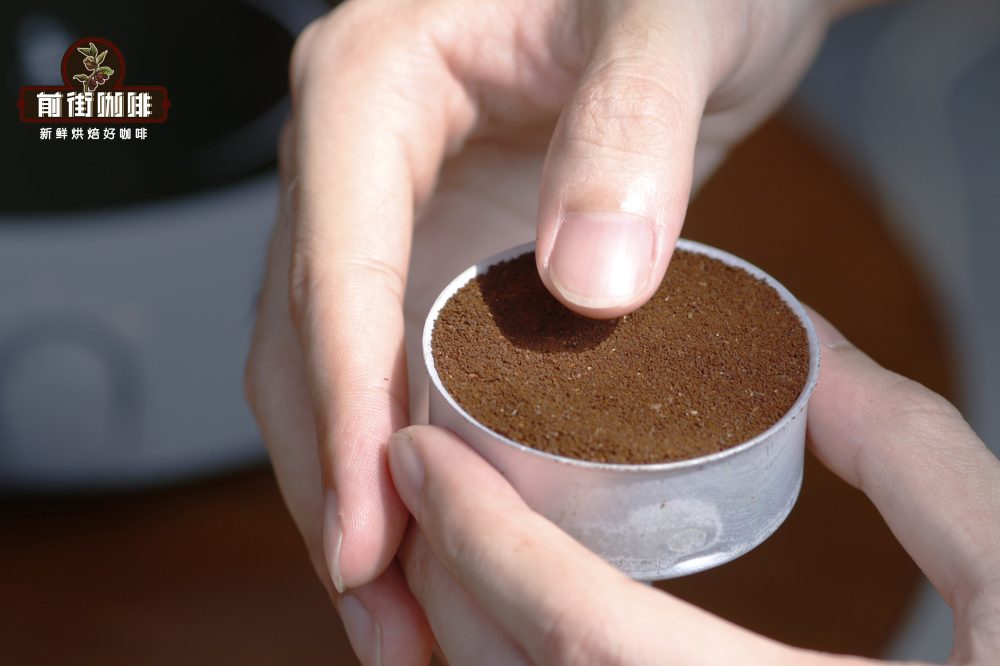
For practical use, take a four-cup moka pot as an example: it’s recommended to use about 18 grams of coffee grounds. First, fill the lower chamber with water up to the safety valve level, approximately 250 milliliters, then place the filter basket inside. Add the ground coffee evenly into the basket, press lightly, and scrape off any excess grounds to ensure a flat surface. Next, reassemble the filter basket into the lower chamber and securely tighten both the upper and lower parts to prevent any leakage during heating.
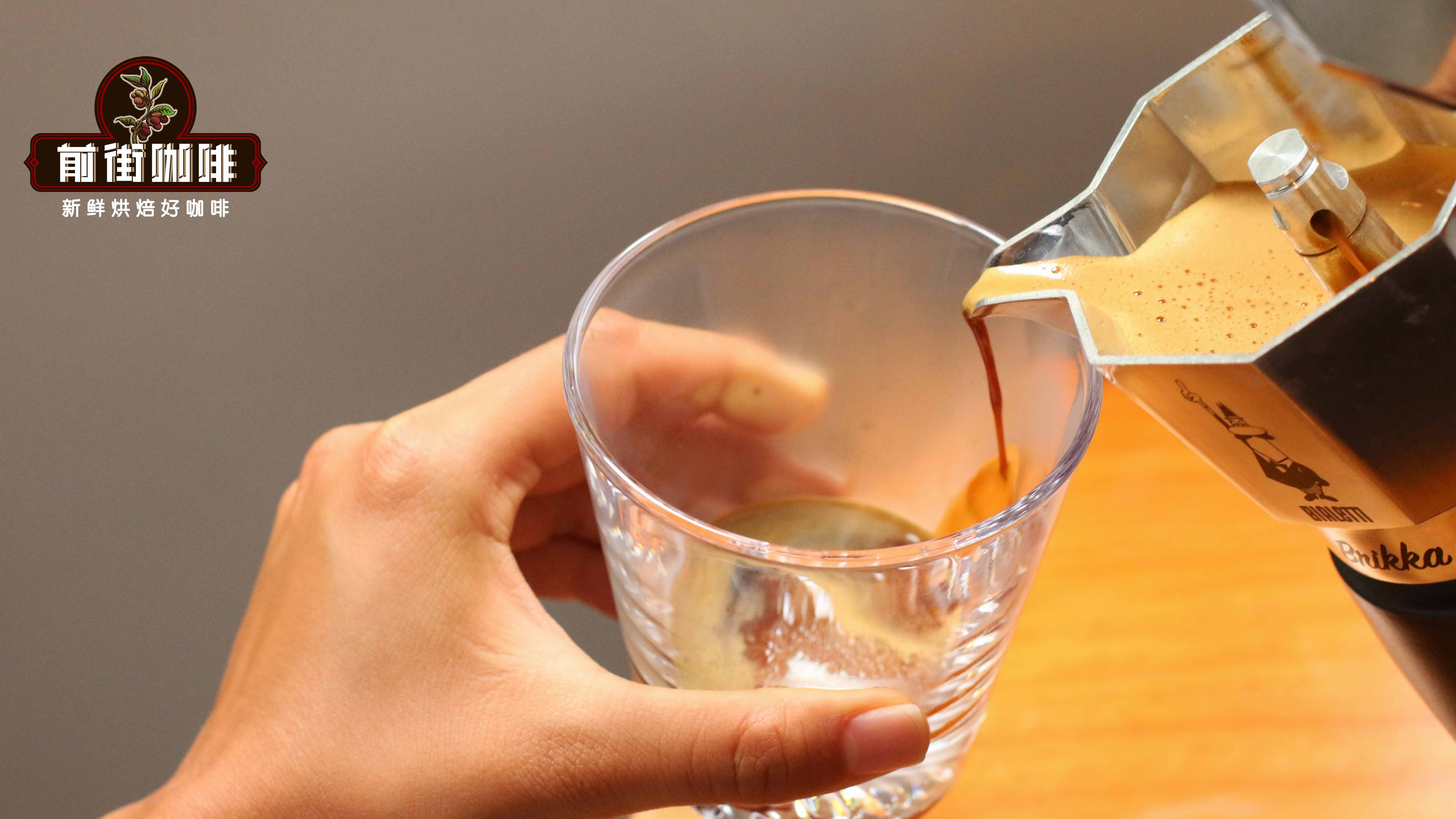
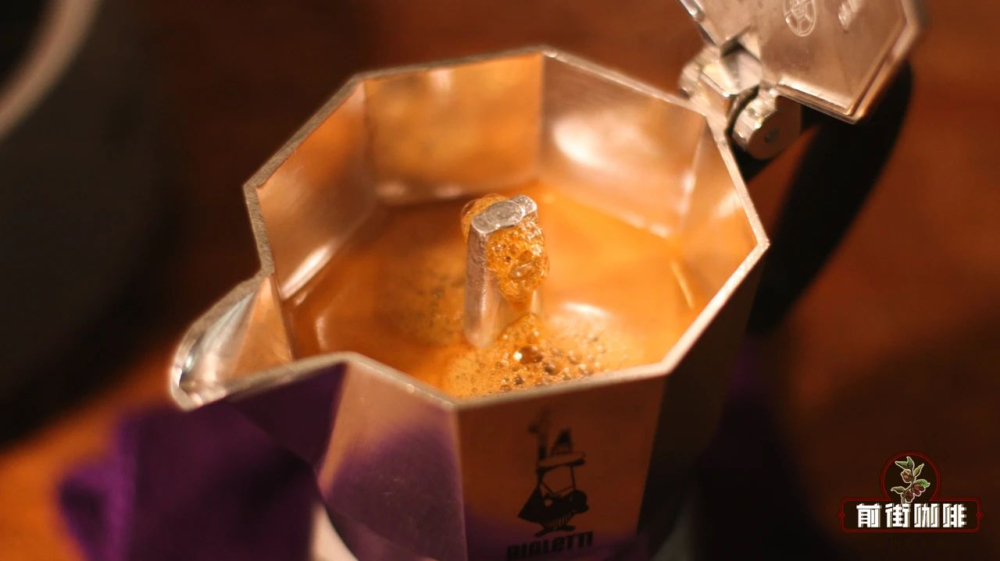
Then, place the moka pot on a medium flame stove. If using a gas stove, be mindful to control the flame size and avoid direct contact with the metal handle of the pot. When the water in the lower chamber nears boiling, the steam pressure will push the hot water through the coffee grounds layer and into the upper chamber. There’s no need to set a fixed time; once you hear a distinct “hissing” or “gurgling” sound, it means most of the coffee has been extracted, and it’s advisable to remove the heat source immediately. You can also place the pot on a cold towel to speed up cooling and prevent over-extraction.
If you notice a burnt taste or sediment at the bottom of the brewed coffee, it’s usually caused by too high a flame or a grind that’s too fine, leading to the coffee grounds burning. It’s suggested to adjust the grind to be slightly coarser and lower the heat, while also observing the coffee flow rate. If the flow slows down or stops, the grind might be too fine and needs readjustment. Additionally, cleaning the moka pot is very simple: after each use, just disassemble all parts, rinse them with water, and dry them. Keeping the tool clean also helps extend its lifespan and maintain optimal extraction performance.
Regarding the use of filter paper, although some moka pot kits come with filter paper options, it’s generally not recommended for regular use. While filter paper can trap more fine particles, it may also affect water flow speed and pressure stability, thereby altering the extraction flavor and resulting in a thinner or less layered cup. If you use it occasionally for hygiene or special purposes, choose coffee filter paper specifically designed for moka pots, and avoid overly obstructing the water flow.
Finally, choosing the right coffee beans is also key. Since the moka pot uses high-pressure extraction, it’s recommended to use medium-dark to dark roasted beans. These beans typically have rich oils, low acidity, and intense notes of chocolate, nuts, and caramel, which pair perfectly with pressurized extraction methods to deliver a full-bodied and smooth mouthfeel. For example, dark-roasted Indonesian Golden Mandheling is a classic choice, offering a rich and mellow flavor profile that suits those who enjoy bold tastes. Lightly roasted beans, which tend to have more pronounced acidity, may result in uneven extraction or sharp sourness when brewed with a moka pot, so they are best approached with caution.
The above content is compiled by CoffeeHunters, a coffee news website.


