







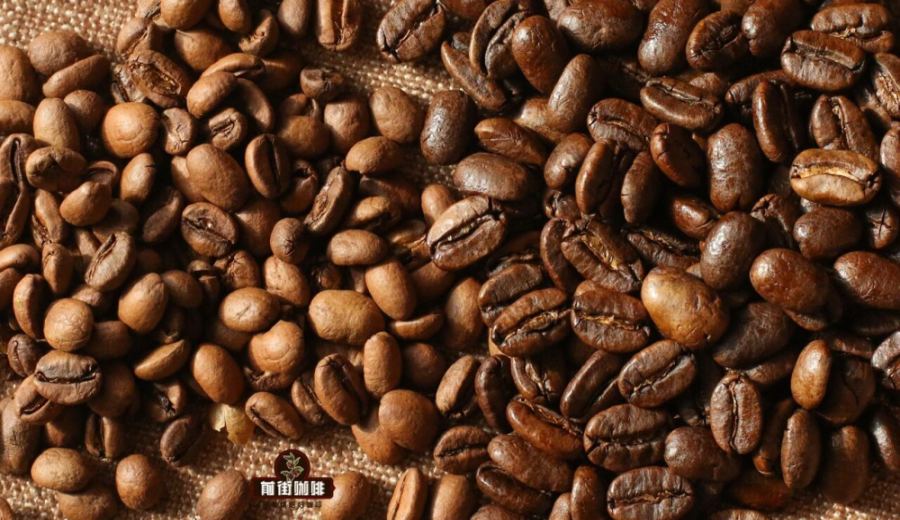
Introduction:The choice between dark roast and light roast coffee beans has always been a hot topic among coffee enthusiasts. This article delves into the key differences between the two, including how the degree of roasting affects flavor, acidity, and sweetness, and uses real-life examples to illustrate the typical taste profiles of each roast level. Additionally, it explores whether dark roast beans are more expensive and outlines general market price ranges to help readers make more suitable choices based on their personal taste preferences.
When you walk into a café or browse an online shopping platform, you often face a question: should you choose dark roast or light roast coffee beans? This isn’t just a matter of personal preference—it also involves aspects such as roasting craftsmanship, flavor expression, and consumption budget. Some people seek bright, refreshing fruit acidity and floral notes, and thus tend to opt for lighter roasts, while others who enjoy rich, bold flavors with chocolatey and smoky undertones prefer medium-dark or dark roasts.
In the professional coffee community, the debate over dark roast vs. light roast has long remained unresolved. Professionals who advocate for light roasting believe that this method best showcases the origin characteristics of the coffee beans, such as pronounced fruitiness, floral aromas, and even tea-like aftertastes. In recent years, with the rise of the specialty coffee trend, light roasting has gradually become a “symbol of quality” in the eyes of many coffee lovers, especially favored by younger generations of baristas.
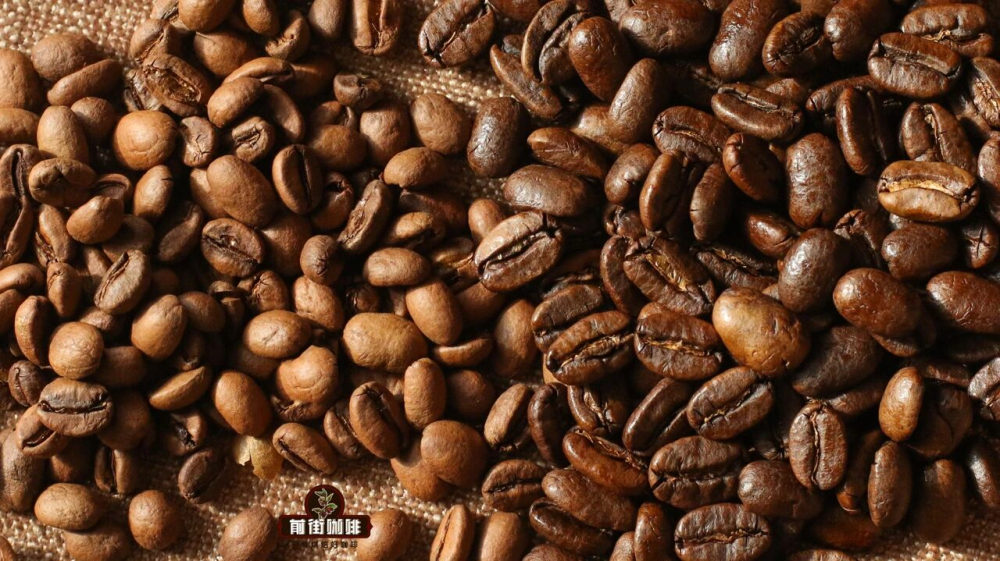
In contrast, proponents of dark roasting argue that only through medium-dark or dark roasting can the “Maillard reaction” within the coffee beans be fully realized, thereby delivering intense sweetness, a full-bodied mouthfeel, and captivating caramel or chocolate notes. For example, the renowned San Francisco-based roasting brand Peet's Coffee is a classic representative of the dark roast approach, with its beans widely known for their bold and rich flavors and regarded as one of the benchmarks of dark roasting techniques.
However, this debate over roasting styles actually has no absolute answer. Every roaster has their own interpretation of flavor, and even brands that primarily promote light roasting may differ in actual roasting time and temperature curves. More importantly, the choice of roast level should be based on the taste preferences of the target consumers, rather than simply following a certain “orthodoxy” or “trend.”
If you are just starting to explore pour over coffee or want to better understand coffee flavors, it is recommended to begin with a light-to-medium roast and then gradually try beans of varying roast levels to find the one that suits your palate the best.
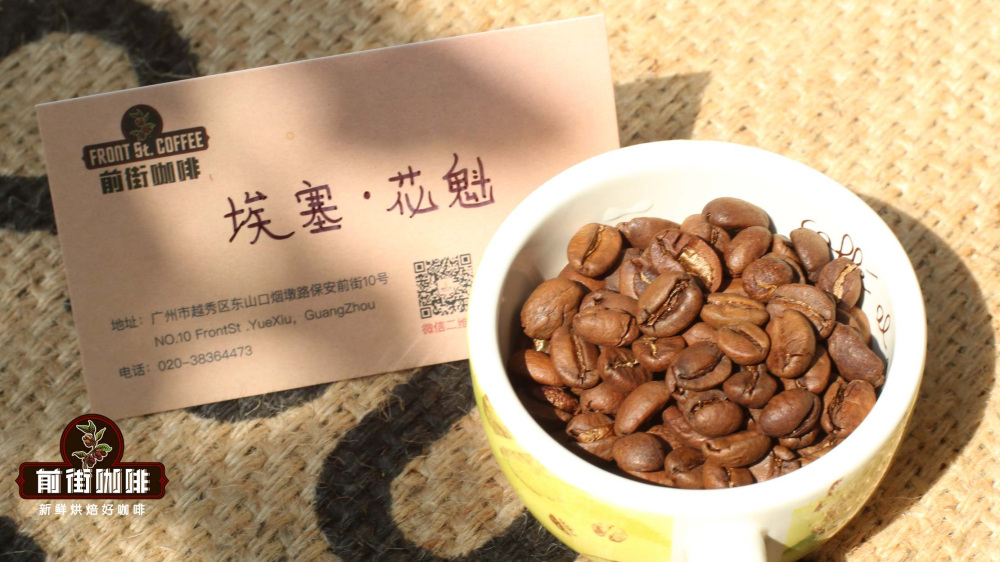
So, what are the obvious differences when actually tasting light roast, medium roast, and dark roast coffee beans? Lightly roasted coffee usually has higher acidity, with distinct flavor layers, commonly described as lemon, peach, jasmine, or even a subtle tea-like note. These beans are suitable for drinkers who enjoy a refreshing taste and want to experience the unique terroir conditions of the origin. For example, Ethiopian Yirgacheffe or Kenyan beans are often presented with light-to-medium roasts to highlight their bright fruit acids and floral-fruity aromas.
Medium roast represents a balance point between freshness and richness. This roasting method typically retains some fruit acidity while also bringing out a rounder mouthfeel and softer sweetness. Some blends with flavors of dried fruit, caramel, or honey are often medium-roasted, making them suitable for consumers who enjoy diverse flavors but don’t want something overly intense. Certain Geisha blends or mixed recipes with citrus and berry elements are classic representatives of medium roasting.
As for dark roast, its most prominent features are an intense mouthfeel and deep aroma. Common flavor descriptions include black chocolate, smoke, nuts, caramel, and even woody notes. These beans have low acidity, with a clear balance of bitterness and sweetness, making them suitable for making espresso or for drinkers who prefer a bold mouthfeel. Indonesian Mandheling or Brazilian dark roast beans are often popular for these characteristics. Moreover, dark roast beans are generally suitable for various brewing methods, including pour over, French press, siphon, and espresso machines.
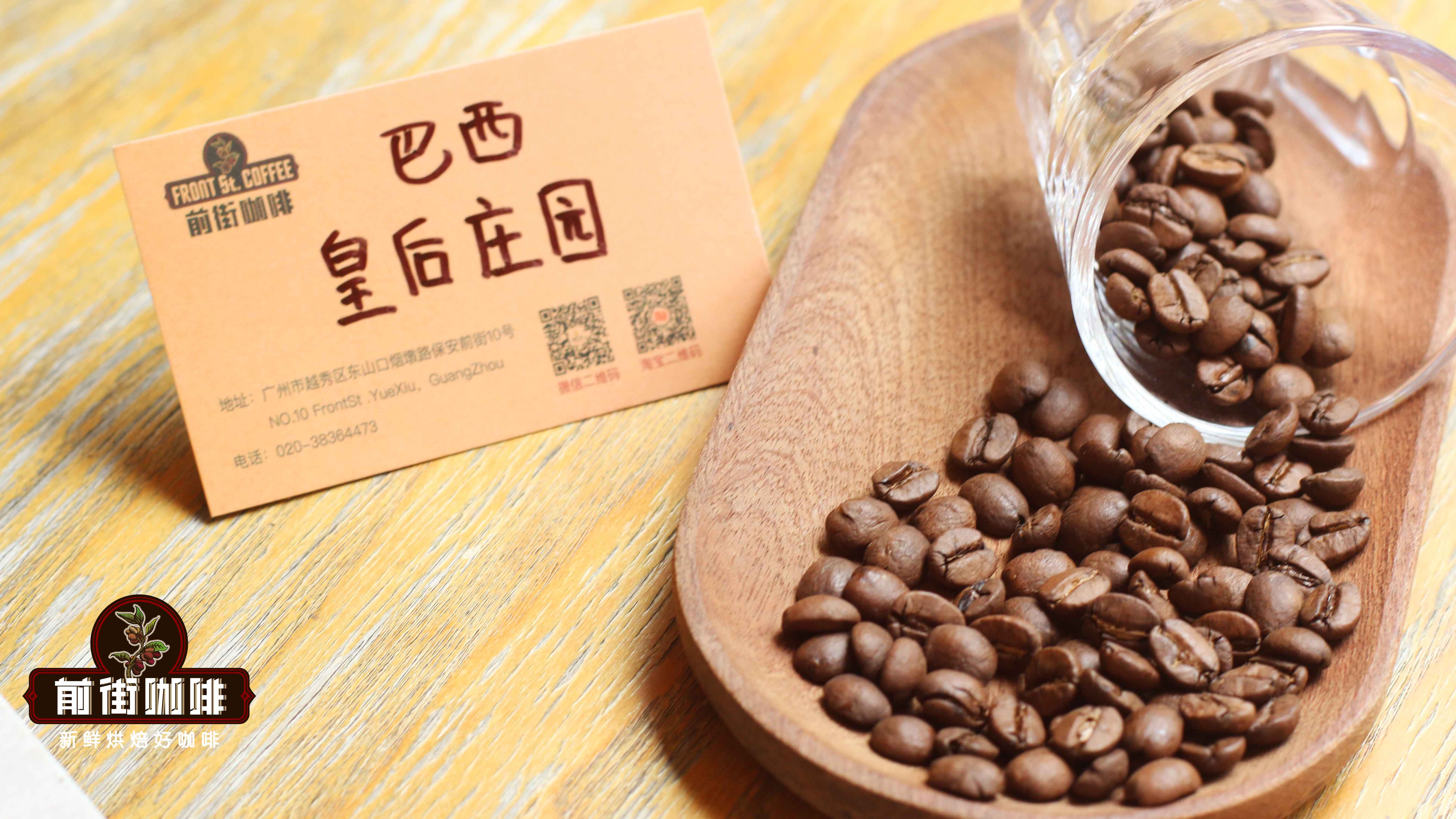
It’s important to note that the above classifications of light, medium, and dark roasting are just general distinctions commonly used in the industry. In reality, the optimal roast level for each coffee bean can vary depending on its origin, variety, processing method, and even seasonal climate. An experienced roaster will fine-tune the roasting time and temperature based on the bean’s density, moisture content, and desired flavor profile—sometimes even just a difference of a few seconds or 1°C can significantly alter the final cupping results.
As for pricing, dark roast beans are not necessarily more expensive than light roast beans. The price largely depends on the bean’s origin, rarity, processing method, and the positioning of the roasting brand. Generally speaking, specialty-grade light roast beans, especially premium beans from Ethiopia, Kenya, or Panama, may be priced similarly to—or even higher than—high-quality dark roast beans. Regular dark roast beans on the market typically cost around 40 to 80 yuan per 100 grams, while imported specialty-grade dark or light roast beans may go as high as 100 yuan or more, depending on the brand and origin.
The above content is compiled by CoffeeHunters, a coffee news website.


