







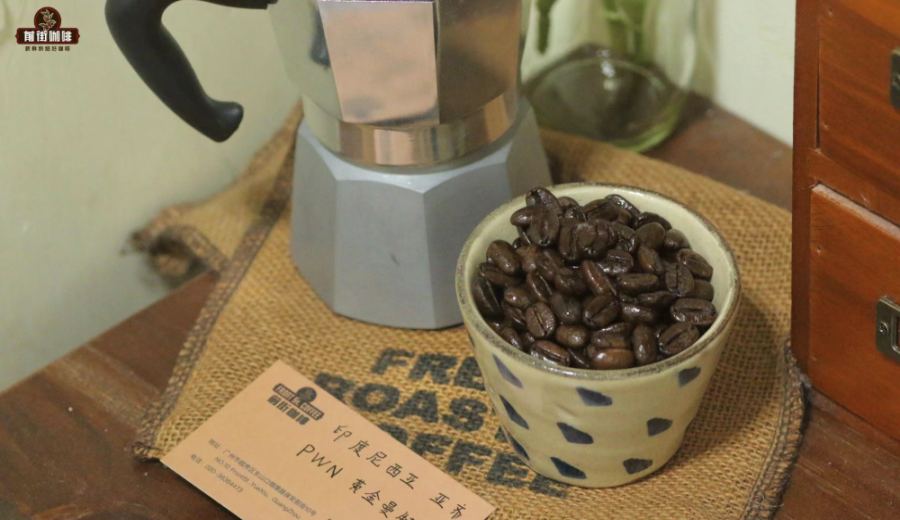
Introduction:Dark roasted coffee is often misunderstood as being solely bitter and harsh, but in reality, it can showcase the richest and most authentic flavor essence of the coffee bean. This article takes Sumatra Mandheling from Indonesia as an example to deeply analyze how the dark roasting process transforms beans with low acidity and high body, introduces the uniqueness of the wet-hulled process, the grading standards of Golden Mandheling, as well as recommended grind size and water temperature for pour over brewing. It also includes the flavor profiles and brewing suggestions for two classic Mandheling coffees.
In the world of specialty coffee, light roasted beans are widely loved for their bright acidity and vibrant layers, but not all coffee beans from every origin are suited for light roasting. Take Sumatra Mandheling from Indonesia, for instance—it naturally has low acidity and a prominent body. Only through dark roasting can deep flavors such as caramel, cocoa, and herbal notes be fully brought out, showcasing its unique "regional character."
The origin of the name "Mandheling" actually comes from a misunderstanding.During World War II in 1942, when Japanese troops occupied Sumatra in Indonesia, one soldier visited a local café and tried a rich and aromatic cup of coffee. Curious, he asked the owner the name of the coffee. The owner mistakenly thought the soldier was asking where he was from, and replied "Mandheling tribe." After returning home, the soldier couldn’t forget that cup of coffee. He later had it imported again through a trader and promoted it under the name "Mandheling." This misunderstanding gave rise to what is now a globally renowned representative of Sumatran coffee.
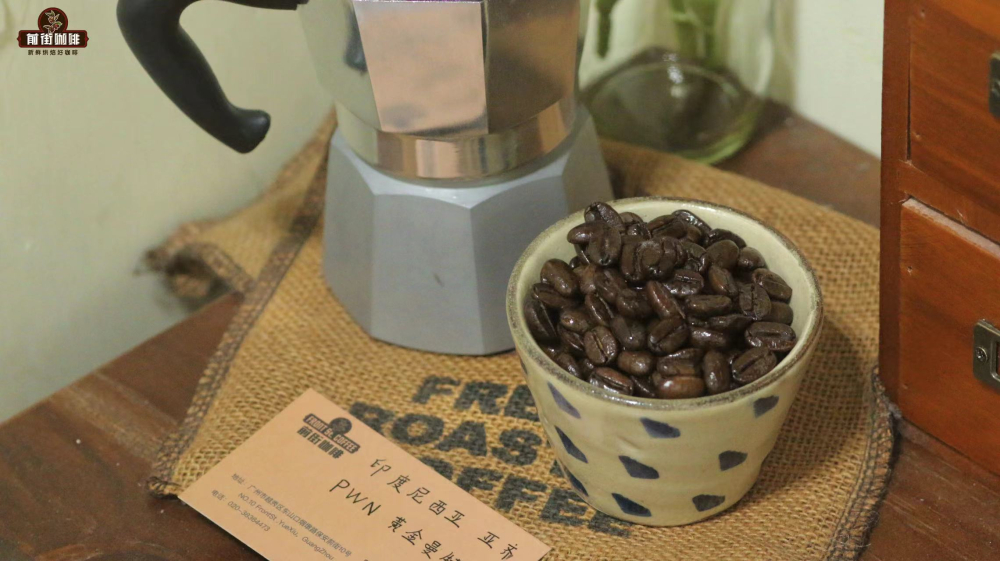
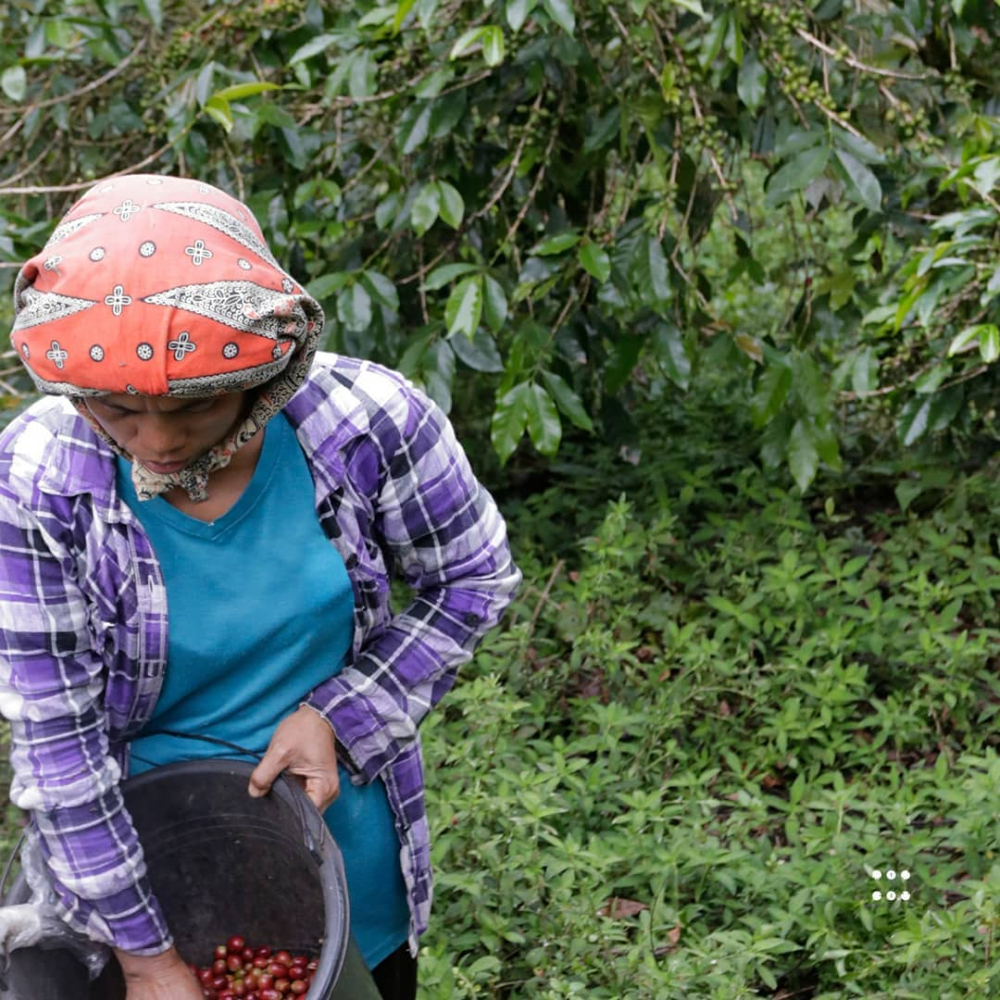
The most distinctive feature of Mandheling lies in its specialwet-hulled processing method.Unlike typical washed, natural, or honey processes, the wet-hulled process removes the outer husk of the coffee bean while the parchment is still not fully dry and the moisture content remains as high as 30% to 35%. This exposes the green bean directly to sunlight and air. This approach not only significantly shortens the drying time but also suppresses the development of acidity, resulting in a final coffee flavor that is richer and lower in acid—particularly well-suited for dark roasting.
For this reason, Mandheling is inherently unsuitable for highlighting bright, acidic "regional characteristics" through light roasting. Instead, it reveals flavors such asdark chocolate, caramel, herbal plants, and even subtle creaminessthrough medium-dark to dark roasting. These are the classic flavor profiles of dark roasted Mandheling. Moreover, since Mandheling is predominantly Arabica with a small amount of Robusta genetics, it is more resistant to high-temperature roasting and less prone to over-extraction that could bring out undesirable off-flavors.
Among the commonly available Mandheling products on the market, two are particularly representative: "Lintong Mandheling" and "PWN Golden Mandheling." The former is a standard G1 grade produced using conventional wet-hulling processing, and is relatively affordable, making it suitable for everyday drinking. The latter is a premium brand under Indonesia’s PWN (Pusat Penyangga dan Pemasaran Kopi) coffee company. It not only holds the registered trademark “Golden Mandheling,” but also enforces extremely strict defect control during green bean selection—no more than 3 defective beans per 300-gram sample, selecting only beans larger than eighteen mesh, and undergoing multiple rounds of manual sorting and color grading to ensure consistent quality and attractive appearance. After roasting, it presents a noble quality akin to “shimmering gold.”
Indonesia’s official coffee grading system is mainly based on the number of defective beans and bean size, typically divided into six grades, with G1 being the highest. G1 requires no more than 11 defective beans per 300 grams. PWN’s Golden Mandheling goes further by selecting only top-tier beans with fewer than 3 defects, and additionally performs density and color screening before packaging to ensure a pure flavor and uniform appearance after roasting.
To fully showcase the rich body and low acidity of Mandheling, it is recommended to usemedium-dark roasting(i.e., the stage just before the second crack). At this stage, the caramelization reaction stabilizes, preserving the original herbal and earthy tones of the origin while bringing out a strong cocoa and caramel finish. The cup feels solid and well-rounded, suitable for everyday enjoyment or pairing with meals.
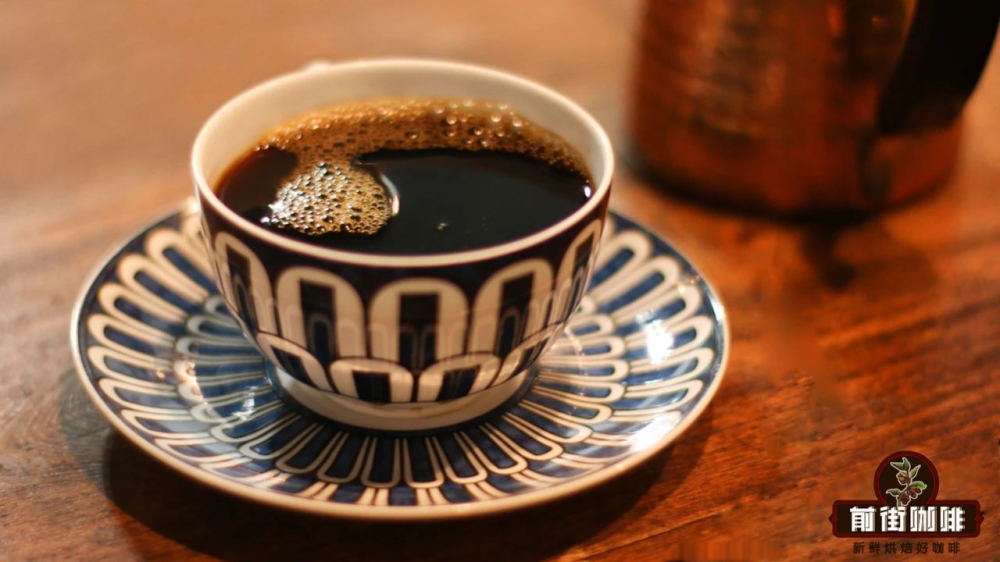
When brewing dark roasted Mandheling, due to the deeper roast level and looser bean structure leading to faster extraction, it is recommended to usea coarser grind size (e.g., around 70% passing through a Chinese No. 20 sieve),and to control the water temperature ataround 88°Cto avoid over-extraction that may intensify bitterness. In practice, it is recommended to use a KONO filter, with about 15 grams of coffee, maintaining a 1:15 coffee-to-water ratio. The specific method is as follows:
- First, pour 30 grams of water for a 30-second bloom;
- then pour small amounts of water in a circular motion up to 125 grams, wait until half the moisture on the coffee bed has drained, then continue pouring up to 225 grams;
- keep the total brew time around 2 minutes and 10 seconds to ensure balanced flavor and a clean finish.
In terms of actual taste, Lintong Mandheling often exhibits richherbal aromas, dark chocolate, and caramel sweetness,with a pronounced aftertaste. On the other hand, PWN Golden Mandheling, being more meticulously selected, offers a more nuanced flavor profile. Beyond the dominant notes of nuts and caramel, it also features a soft chocolate finish. The overall mouthfeel is rich and well-balanced, with a long-lasting and memorable aftertaste.
The above content is compiled by CoffeeHunters, a coffee news website.


