








Introduction:Cold drip coffee, with its characteristic low-temperature slow extraction, delivers a rich yet non-bitter flavor that makes it an excellent choice for summer beverages. This article delves into the various single-origin coffee beans suitable for making cold drip, including strawberry sugar with its pronounced fruity aroma and fruit ding ding with its clean acidity. It also provides a complete step-by-step guide—from grind size, coffee-to-water ratio, ice-water mixture, to drip rate control and refrigerated fermentation—allowing you to easily brew at home a refreshing, clean, and juice-like cold drip coffee.
Cold drip coffee extracts the essence of coffee gradually by allowing ice water to slowly drip onto coffee grounds at a stable rate under normal atmospheric pressure. Due to the low temperature, bitter substances are less likely to dissolve, and the slow flow rate significantly improves extraction efficiency, resulting in a rich and smooth coffee flavor. Choosing coffee beans with distinct flavor profiles can further highlight their rich fruit acidity and fermentation layers. Paired with a cool taste, it’s an ideal summer refresher.
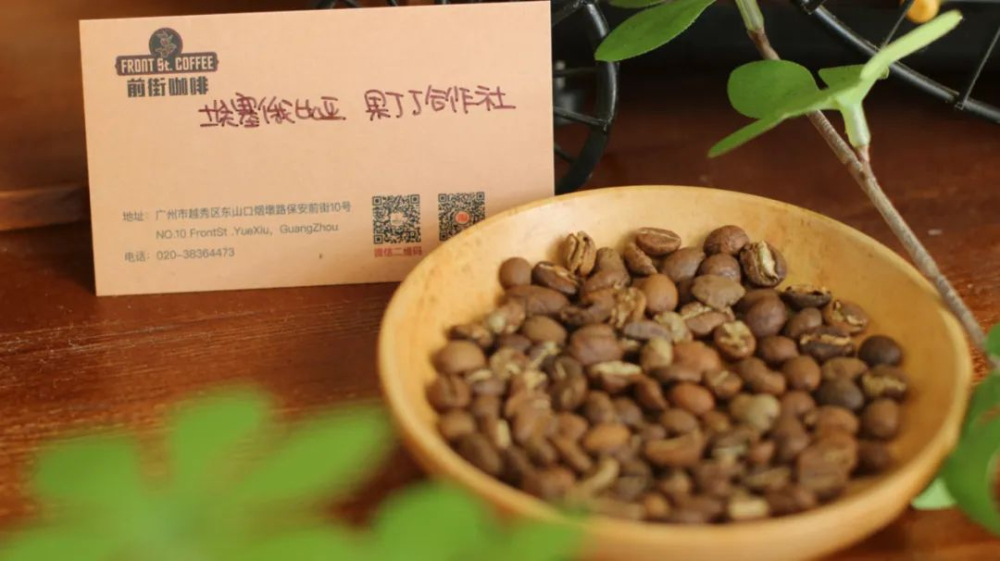
Coffee beans from different regions and processed using different methods impart distinctly unique flavor profiles to cold drip. For those who prefer intense, ripe fruit aromas, options like strawberry sugar or Mozart are worth considering. If you favor a clean and delicate acidity, washed-process beans are recommended—such as fruit ding ding, a high-altitude bean from Yirgacheffe. When made into cold drip, it presents a fresh juice-like acidity with bright notes of cherry tomatoes and grapefruit, making it highly suitable for summer enjoyment.
In terms of grind settings, it is recommended to use a coarseness similar to that for iced pour over. However, because the low-temperature environment may reduce extraction efficiency, the coffee grounds can be ground slightly finer to compensate. Using the Chinese Standard No. 20 sieve as a benchmark, an 85% sieving rate is advised, which corresponds to approximately setting 9 on commercial grinders such as the ek-43s. This coarseness helps maintain good extraction performance even under low-temperature conditions.
Before making cold drip coffee, it is essential to confirm key extraction parameters: a coffee-to-water ratio of 1:10 is recommended, meaning 60 grams of coffee grounds to extract 600 grams of coffee liquid. The ice-water mixture is suggested to be prepared at a 1:1 ratio, and the valve flow rate is advised to be set at 7 drops per 10 seconds. The entire extraction process typically takes about 6 to 8 hours to complete.(The general range for cold drip coffee's coffee-to-water ratio is 1:10 to 1:12, and can be fine-tuned according to personal taste.)
During actual operation, it is recommended to first place a round filter paper at the bottom of the middle container and lightly moisten it with water to ensure it adheres tightly to the base. Then, add the ground coffee into the middle container and spread it evenly, which aids in uniform extraction. Cover the coffee layer with another round filter paper to prevent water droplets from directly impacting the coffee bed and causing uneven structure. Before starting the drip, it is advisable to pre-wet the coffee layer with cold water. This not only shortens the overall extraction time but also effectively avoids uneven extraction in the initial stage due to insufficient wetting of the coffee bed.
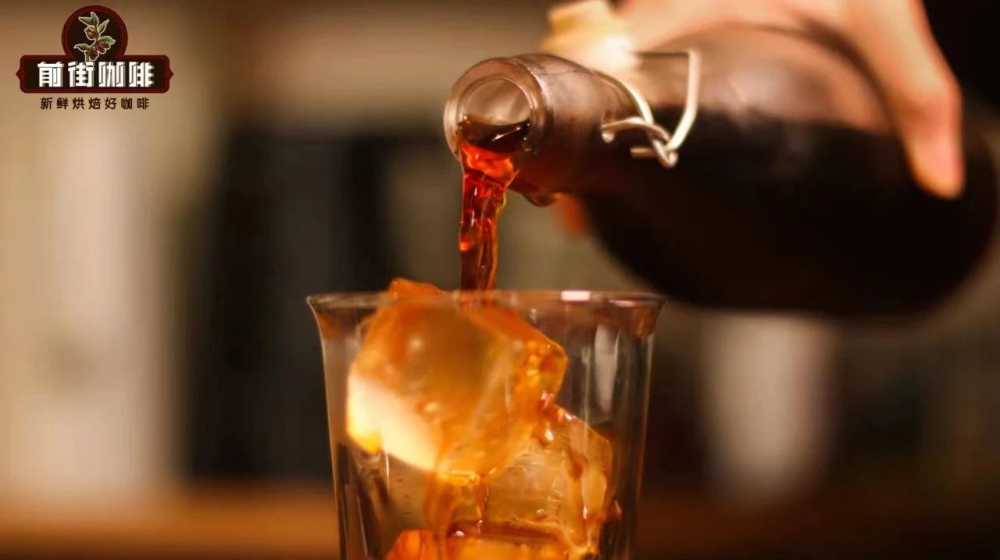
After positioning the middle container with the coffee grounds appropriately, you can begin pouring in the ice-water mixture, with a recommended ice-to-water ratio of 1:1. Adjust the valve flow rate to 7 drops per 10 seconds, and ensure that the dripping point aligns with where the coffee liquid exits to help maintain uniform extraction. Once the dripping process is complete, transfer the coffee liquid from the lower container into a sealable vessel—preferably a glass bottle—and place it in the refrigerator for fermentation. A fermentation time of at least 12 hours is recommended, and the coffee is usually ready to enjoy the next day with a more rounded and refreshing flavor.
The above content is compiled by CoffeeHunters, a coffee news website.


