







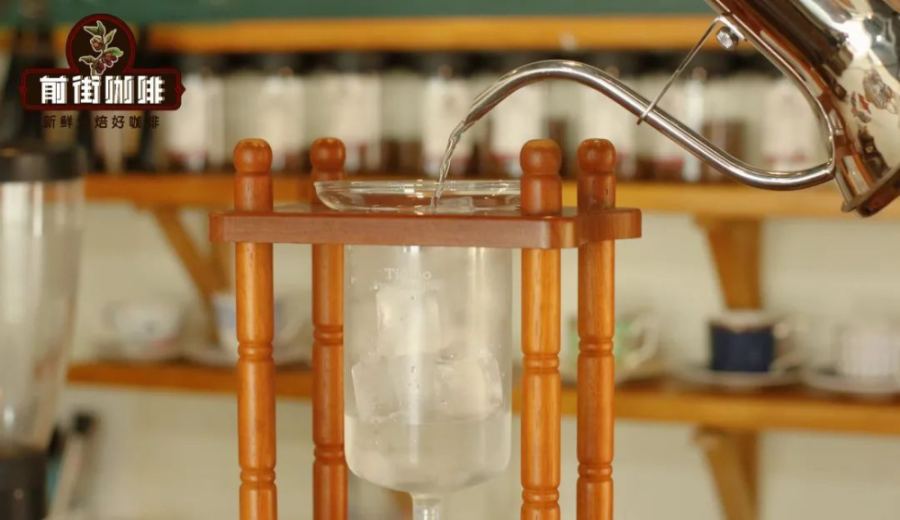
Introduction:Want to brew a clean, layered cup of cold drip coffee at home? This article dives deep into the key elements of cold drip brewing—from selecting equipment, choosing coffee beans, setting grind size, to controlling drip rate—and guides you through professional-level cold drip extraction techniques. It also offers practical tips and answers to common questions to help you improve overall flavor performance using the right methods.
Cold drip coffee is an extraction method where cold or icy water slowly drips through ground coffee. The temperature is typically maintained between 0 to 7°C, and the entire process takes several hours. Compared to hot water brewing, it better preserves the bright acidity and fruity floral notes of the coffee while reducing the bitter over-extraction often found in hot brews—making it especially popular among coffee enthusiasts.
However, to successfully brew a well-balanced and complex cold drip coffee, every step matters, from bean variety and grind coarseness, to coffee-to-water ratio, drip speed, and storage methods. This article provides a practical breakdown of each key point with clear explanations and includes four diagrams to aid understanding of the operation process.
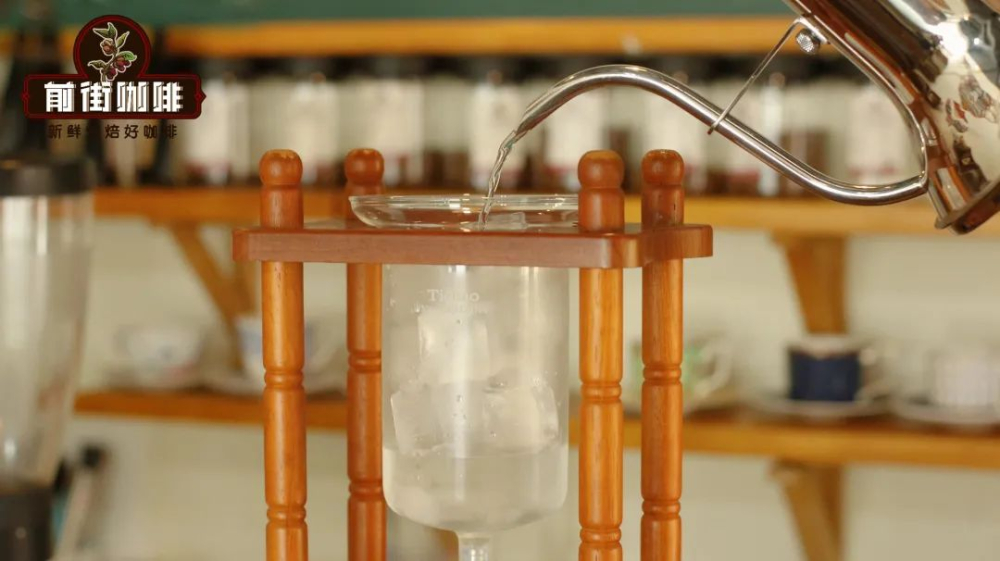
I. How to Choose Coffee Beans for Cold Drip?
Cold drip extraction is a low-temperature brewing process. The cooler water temperature makes it harder for large molecular compounds—especially the dark caramel or chocolate flavors commonly found in medium to dark roasts—to dissolve fully. Therefore, it is recommended to chooselight to medium roastedcoffee beans with distinct floral, fruity, or fermented aromas, such as those with citrus, berry, or rose notes, as they are more likely to exhibit clear layers and a refreshing taste.
If you prefer a sweeter cold drip, go for beans with prominent ripe fruit characteristics. For those who enjoy bright acidity, opt for coffees with lively acidity and juicy profiles. Additionally, it’s advisable to usecoffee beans roasted about 20 days prior, as freshly roasted beans release a lot of carbon dioxide, which can cause the coffee bed to expand or create channeling effects, negatively impacting extraction uniformity and final flavor.
II. The Importance of Tamping and Pre-Wetting
Many people overlook the tamping step in cold drip brewing, but lightly compressing the coffee bed is actually necessary. You don’t need to apply too much pressure—just distribute the grounds evenly and gently press them down. The goal is to allow the water droplets to penetrate the coffee bed steadily, preventing uneven extraction caused by localized water pooling or poor drainage.
Also,pre-soaking the coffee with ice water (pre-wetting)acts similarly to the bloom step in pour over brewing—it allows the coffee grounds to fully absorb water and expand, initiating flavor release. This not only helps maintain consistency during extraction but can also shorten the overall brewing time. It’s recommended to lightly moisten the coffee bed with a small amount of ice water and wait for several seconds before starting the formal drip.
III. Filter Paper and Coffee Bed Setup Tips
Placing around filter paperon top of the coffee bed improves water permeability and airflow, preventing water droplets from concentrating and creating depressions that leave surrounding coffee grounds under-extracted. At the same time, the filter paper helps maintain the structural stability of the coffee bed, ensuring even water penetration and contributing to a cleaner, more complete extraction.
IV. Choosing the Right Grind Size
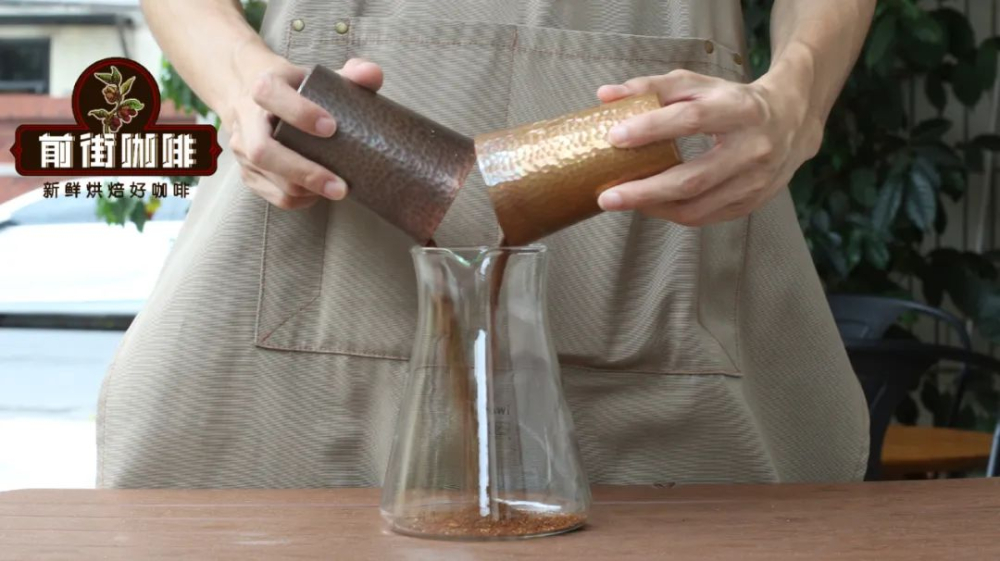
The ideal grind size for cold drip coffee is medium-coarse. It’s recommended to aim for around 80%–85% extraction through a Chinese No. 20 sieve, or adjust based on your grinder. For example, set the Ek43s to 9.5, or a C40 hand grinder to around 20–22 clicks. If using beans with bright acidity, such as Kenyan beans, you may slightly adjust finer to enhance extraction efficiency in a low-temperature environment—but avoid going too fine to prevent clogging or over-extraction.
V. Drip Rate and Coffee-to-Water Ratio Settings
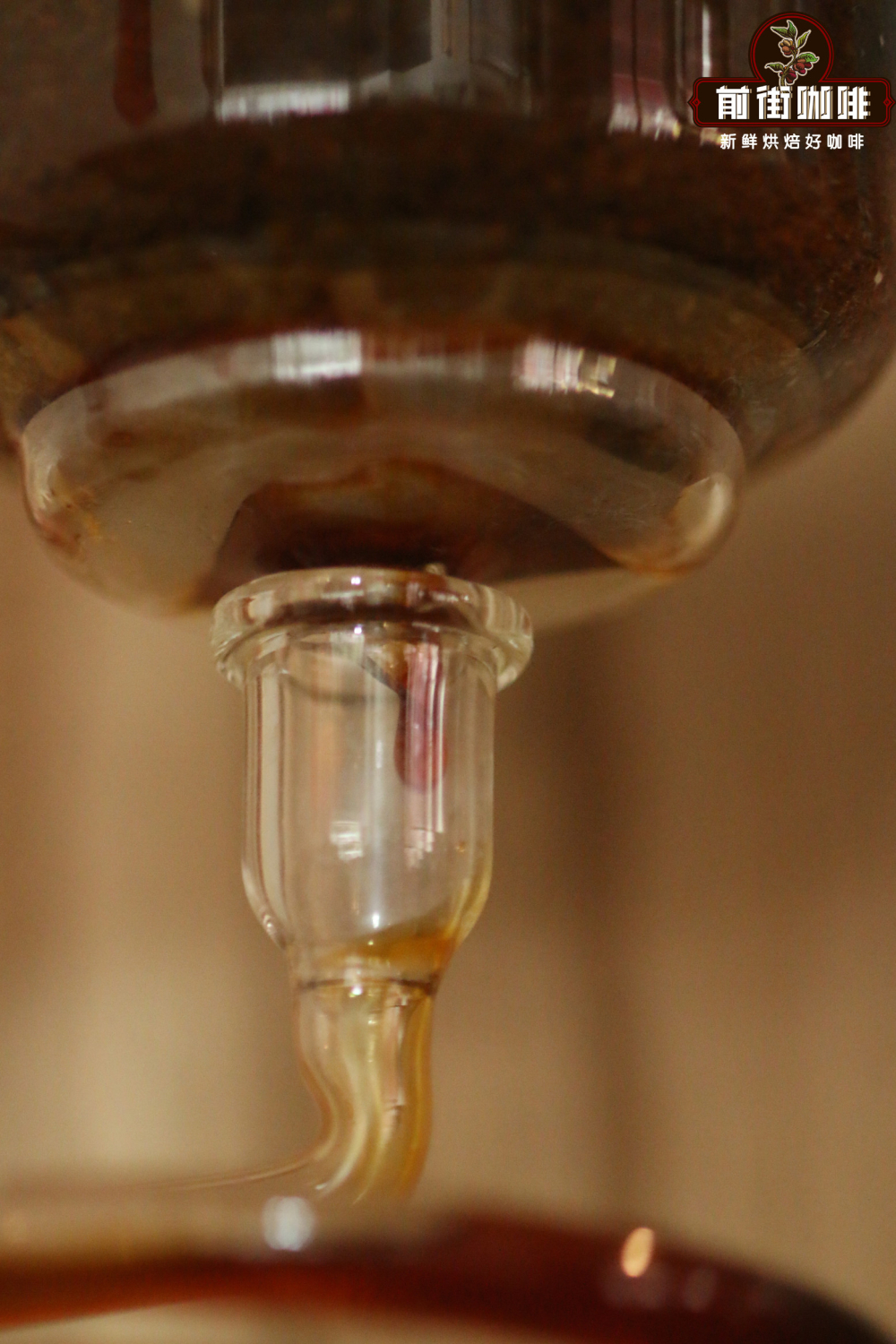
The drip rate for cold drip is generally measured by the number of drops per 10 seconds. Beginners can start with7 drops per 10 secondsand then fine-tune according to personal taste. A too-fast flow rate may lead to under-extraction, while a too-slow one might cause over-extraction and affect flavor balance.
As for the coffee-to-water ratio, a common standard is 1:10. If you plan to dilute the brew later with ice cubes, you can use a slightly higher concentration. For home brewing, you may also adjust flexibly between 1:12 and 1:14 depending on your taste preference.
VI. Resting and Maturation After Extraction
After the dripping is complete, it is recommended to transfer the cold drip coffee into a sealed glass container and let it rest in the refrigerator for at least 12 hours for cold maturation. This process helps integrate flavors and release subtle aromas, often highlighting more pronounced fermented notes and resulting in a smoother, more layered mouthfeel.
Make sure the storage container is clean and has good airtightness to prevent contamination from bacteria inside the fridge. Practical tests show that most cold drip coffee reaches optimal flavor after being refrigerated and rested for 12 hours.
The above content is compiled by CoffeeHunters, a coffee news website.


