







Introduction:Dark roasted coffee beans are widely loved for their rich and bold flavors, but different roast levels offer distinctly varied taste and aroma profiles. This article categorizes roast levels and provides a detailed breakdown of the characteristics from very light to very dark, including drop time, flavor profiles, and suitable brewing methods. It also delves into the criteria for judging dark roast coffee beans and offers practical purchasing advice to help coffee enthusiasts master bean selection skills and find the dark roast that best suits their palate.
With the rise of specialty coffee culture, more and more people are beginning to appreciate the true essence of black coffee. Roasting is the key process that shapes the flavor profile of coffee. From very light to very dark, the entire roasting process can be subdivided into eight main stages, with each stage’s temperature control and drop timing significantly impacting the final flavor outcome. This is not just about science—it’s also about the roaster’s experience and touch.
The classification of coffee roast levels is quite refined. Below are the eight commonly recognized stages and their characteristics:
Very Light Roast (Light Roast) is usually dropped just as the first crack begins or even before it occurs. At this stage, the beans appear light cinnamon in color, with prominent grassy notes, undeveloped acidity, and relatively weak aroma. These beans are primarily used for internal testing and are rarely consumed as regular drinks.
Moving into Light Roast (Cinnamon Roast), also known as Cinnamon Roast, the drop point falls from the start of the first crack to its dense phase. The beans at this stage have a cinnamon-colored exterior, with grassy notes almost gone, clear acidity, and subtle aromas. This roast highlights floral and fruity profiles and is commonly used for pour over or cold brew. Classic examples include Yirgacheffe with its pronounced floral notes, Kenya with its unique tomato-like character, and Hua Kui with its berry-like sweet and sour flavors.
Medium Roast, also called Light Medium Roast, is generally dropped during the dense to end phase of the first crack. The beans at this stage are chestnut-colored, with balanced acidity and bitterness, soft aroma, and the ability to preserve the original characteristics of the coffee. Suitable for pour over or as a base for blends. Representative beans include Paradise Bird with its nutty aroma, Mozart with its distinct tropical fruit flavors, and 2013 Yunnan Small Bean Typica with an overall balanced taste.
Progressing to High Roast (Medium-Dark Roast), commonly referred to as Intensity Roast, the drop point is right after the first crack ends. The beans now show a light reddish-brown exterior, with noticeable caramelization reactions that bring rich caramel aromas. Acidity and bitterness are well-balanced, the mouthfeel is smooth with a slight sweetness, and the overall performance is outstanding. A prime example is the released Blue Mountain No.1, showcasing charming layers of chocolate, cream, almond, and cookie.
City Roast (Medium Roast), also known as City Roast, is typically dropped after the first crack ends and before the second crack begins. The beans at this stage are light brown, with softened acidity and moderate bitterness, featuring clear and vibrant flavors. This is the most widely accepted and recognized standard roast level among most consumers. For instance, Queen Estate and Huilan Coffee, which boasts rich cocoa aromas, both present their optimal flavors at this roast level.
Full City Roast (Medium-Dark Roast), also called Deep City Roast, is dropped at the start of the second crack. At this stage, the beans turn brown, with a relatively steady and full-bodied mouthfeel. Bitterness is noticeably stronger than acidity, and there is a sweet aftertaste with intense aroma. This roast level is commonly seen in Central and South American processing styles and is suitable for both pour over and espresso. Golden Mandheling is a classic at this stage, with its rich caramel and dark chocolate notes, paired with the unique herbal and spicy undertones of Indonesian coffee, delivering a layered and bold mouthfeel.
French Roast (Dark Roast), also known as French Roast, is dropped during the dense phase of the second crack until it ends. At this point, the beans appear dark brown, nearly black, with an intense and bitter-dominant mouthfeel, where acidity is almost absent, replaced by rich chocolate and smoky aromas. This roast style is very popular in France and is commonly used to make café au lait or Vienna coffee.
Italian Roast (Very Dark Roast), also called Italian Roast, is dropped after the second crack ends, until the beans turn black and develop an oily sheen. At this stage, although the bean fibers are not yet carbonized, they exhibit extremely intense flavors, with strong bitterness and thick roasted and charred characteristics. This roast is especially popular in Italy and is the preferred choice for making espresso.
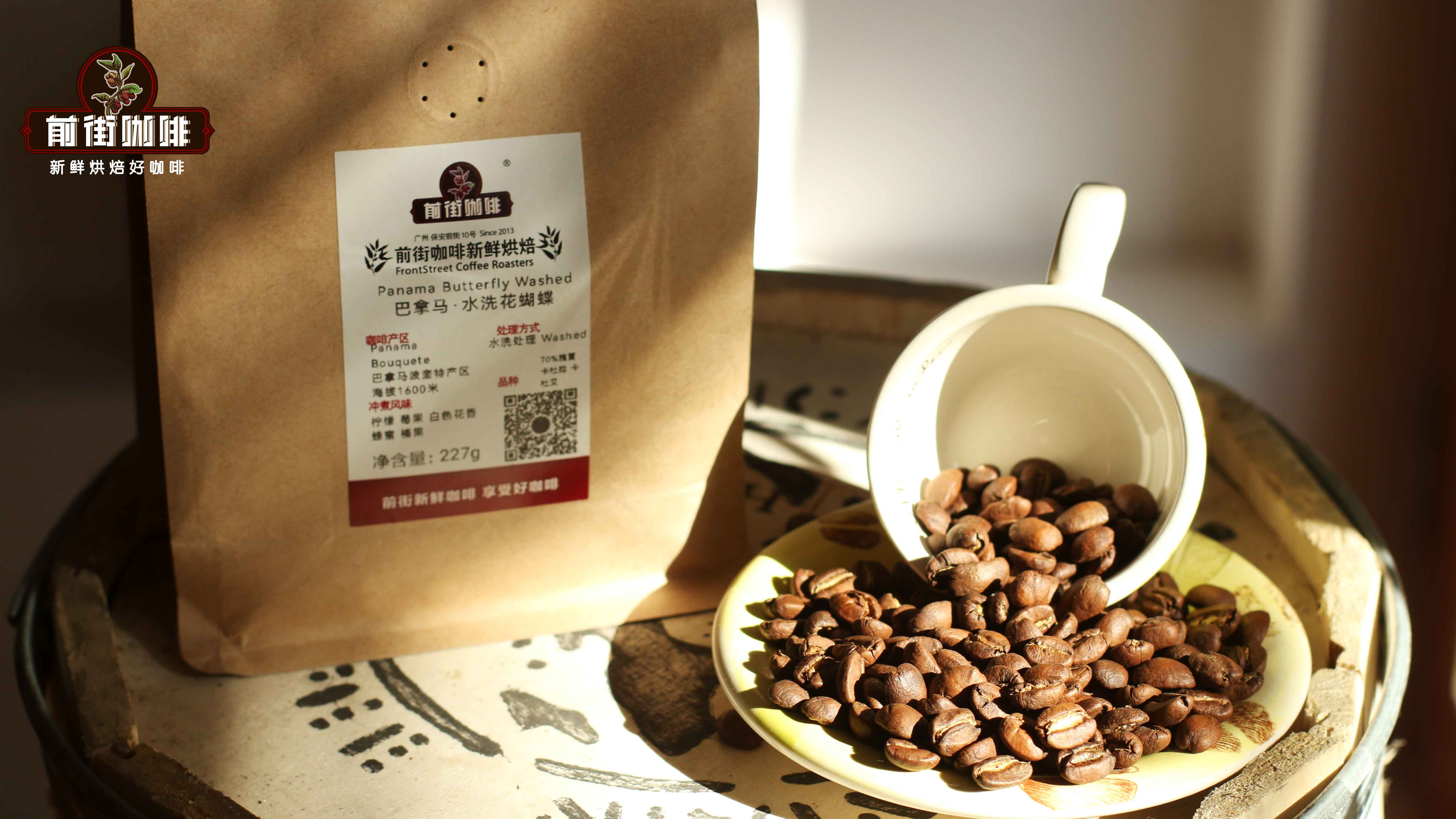
After understanding the various roast levels, if you prefer dark roast coffee beans, here are several worth considering. Dark roast beans usually have a rich, full-bodied mouthfeel and dark appearance, suitable for those who enjoy bold flavors or pairing with milk. When selecting, it’s recommended to pay attention to the drop time and the technical consistency of the roastery to ensure flavor consistency and freshness.
In the market, many brands offer a diverse range of dark roast options. Among them, the dark roast series provided by , such as the classic Italian blend, Brazilian Red Bourbon, and Indonesian Mandheling, are all high-quality choices that have been market-tested and offer clear flavor profiles. These beans not only retain the characteristics of dark roast but also demonstrate delicate craftsmanship in processing and roasting, making them suitable for espresso, lattes, or pure enjoyment.
In summary, choosing dark roast coffee beans is not just about selecting a flavor, but also about embarking on a journey of exploring the art of roasting and personal taste. Whether you are just starting out or already have some experience, understanding the characteristics of each roast level can help you more precisely find the dark roast bean that truly resonates with you.
The above content is compiled by CoffeeHunters, a coffee news website.


