








Introduction:Have you ever wondered what important information the golden crema on the surface of an espresso reveals beyond adding aroma and texture? This layer, hailed as the “soul of coffee,” is actually a key indicator for assessing the freshness of coffee beans and the state of extraction. This article will delve into the formation principles of espresso crema and teach you how to easily determine the optimal drinking stage of your coffee beans by observing the texture, thickness, and fineness of the crema—allowing you to adjust extraction parameters for the best possible flavor in every cup of espresso.
What makes espresso so captivating isn’t just its rich taste—the layer of golden crema floating on the liquid’s surface is the finishing touch. This foam-like substance called crema not only gives the coffee a full-bodied texture and intense aroma, but also serves as an important window into the condition of the beans. For home baristas using espresso machines, observing the changes in crema with each extraction can help you more accurately assess the quality of your coffee.
This seemingly oily crema is actually not pure fat at all, but a fine foam formed by the lipids in coffee beans and carbon dioxide released during the extraction process. The differences in its appearance and texture are mainly influenced by the level of carbon dioxide and the extraction conditions. Among these, the freshness of the coffee beans and the degree of roasting are two key factors that determine carbon dioxide content.
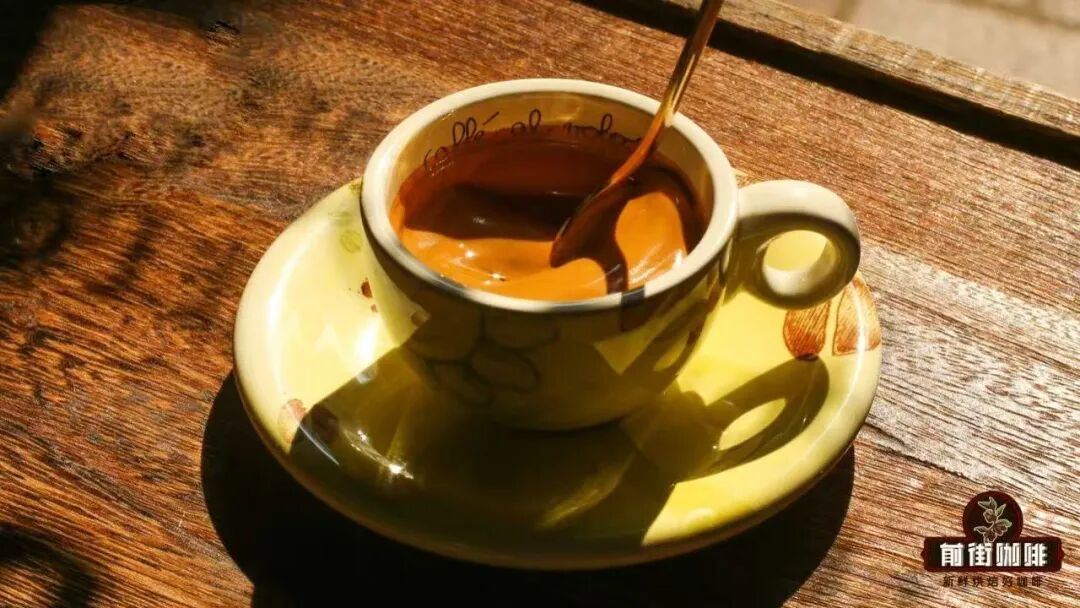
Under the same extraction parameters, the main factor affecting changes in crema is the amount of carbon dioxide inside the coffee beans. The amount of carbon dioxide, in turn, is closely related to the roasting duration and storage condition of the beans. Therefore, by observing the state of the crema, we can indirectly judge whether the coffee beans are at their optimal drinking stage, and even detect potential extraction issues.
Observing changes in crema doesn’t require expensive equipment—just pay attention to the surface texture and stability after extraction. This method is particularly useful for beginners, helping you more intuitively understand how each parameter affects the final flavor when adjusting grind size or water temperature.

First, we need to clarify a common misconception: the “oil” layer on the surface of espresso is actually a cluster of foam formed by the combination of lipids and carbon dioxide, not pure oil. The texture and persistence of this foam depend mainly on two elements: the amount of carbon dioxide released by the coffee beans and the control of the extraction process. When these two factors reach an ideal balance, a thick and fine crema can be formed.
When other extraction conditions remain unchanged, the level of carbon dioxide becomes the main variable influencing the appearance of crema. The factors affecting carbon dioxide content mainly include the roast freshness and roast level of the coffee beans. Among these, freshness is an important indicator that you can directly judge through the crema. Although the roast date on the packaging provides a basic reference, the state of the crema allows you to more accurately determine whether the coffee beans have entered their optimal drinking phase.
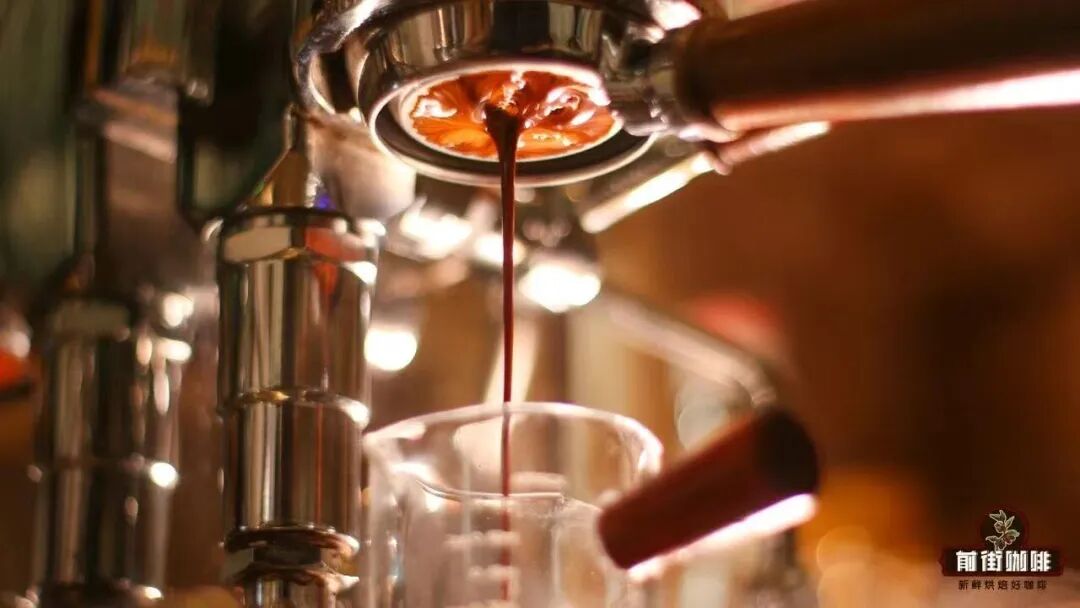
When you use freshly roasted coffee beans and operate under correct extraction parameters, you’ll typically get a crema with distinct characteristics: it’s not only thick, but also covered with tiny bubbles, sometimes even forming a structure quickly. This phenomenon is especially noticeable in dark roasts, as the dark roasting process produces more carbon dioxide. However, too much carbon dioxide can interfere with the extraction efficiency between water and coffee grounds, preventing some flavor compounds from being fully released.
Although this type of crema may look rich, it often comes with subpar flavor performance—the coffee might taste thin, lack layers, or even have a noticeable bubbly sensation. If you encounter this situation, it’s recommended to let the beans “rest” (degas) a bit longer, or slightly adjust the grind size and extraction time to optimize the final flavor.
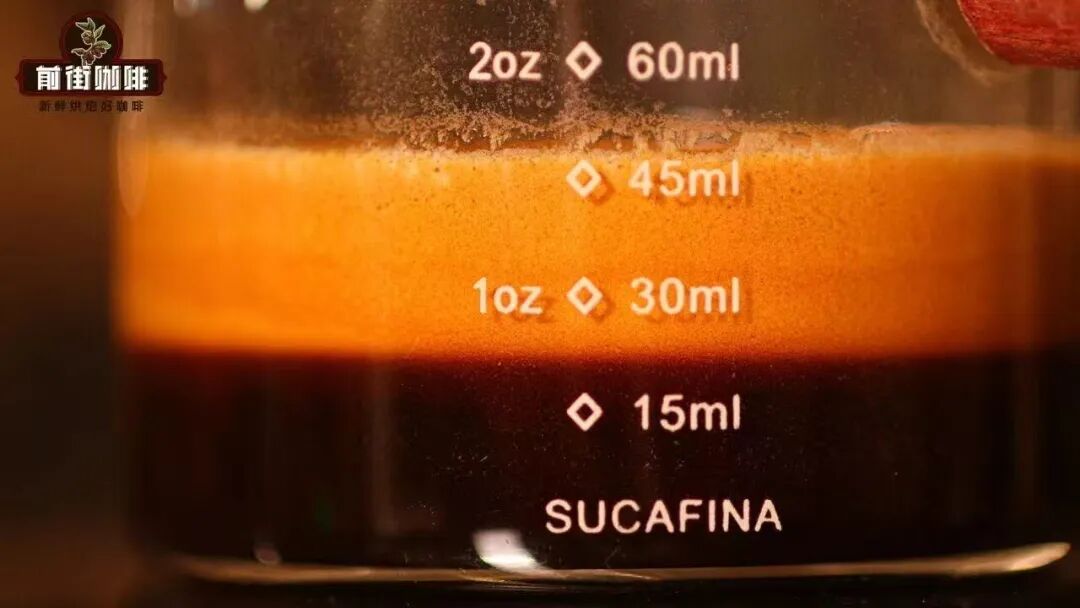
Next, let’s take a closer look at the specific characteristics crema exhibits under different freshness conditions. When you observe a thick layer of crema on the surface of your espresso, featuring noticeable large bubbles that quickly gather and create a coarse texture, this is usually a sign that the coffee beans are very fresh.
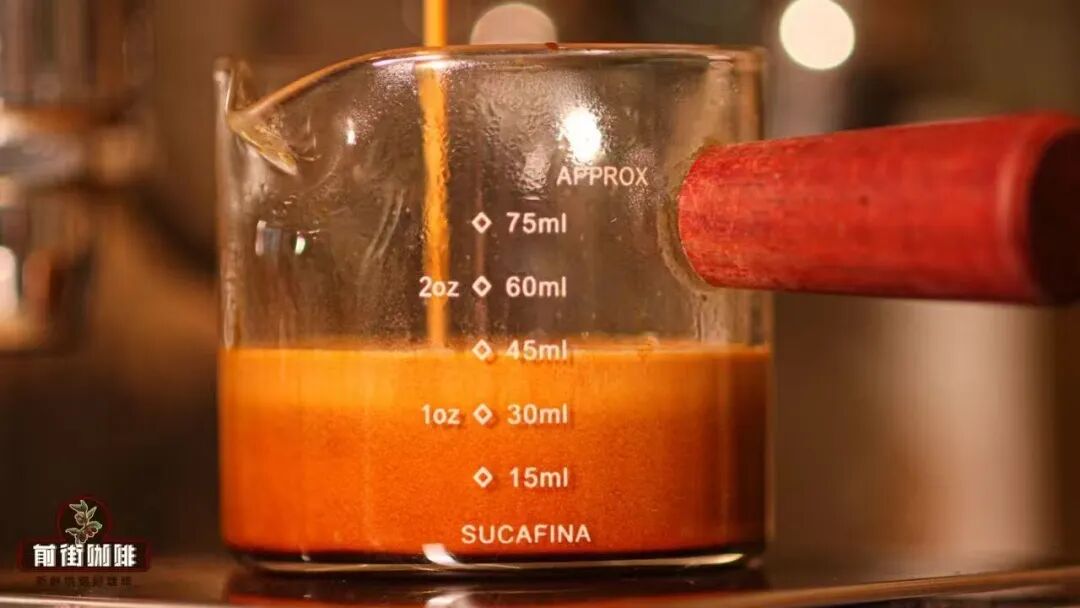
This is especially true when using dark roast coffee beans—the higher the freshness, the more pronounced the thickness and coarseness of the crema. This is because fresh coffee beans contain a large amount of carbon dioxide, which is rapidly released during extraction. However, due to the limited ability of lipids to encapsulate them, some bubbles fail to remain stable. While this may make the crema appear abundant, too much gas can actually hinder the extraction of flavor compounds, resulting in a coffee that doesn’t deliver the expected taste or aroma.
If you find the coffee flavor to be bland or under-extracted, consider extending the rest period or adjusting the grind size and tamping pressure to improve extraction uniformity.
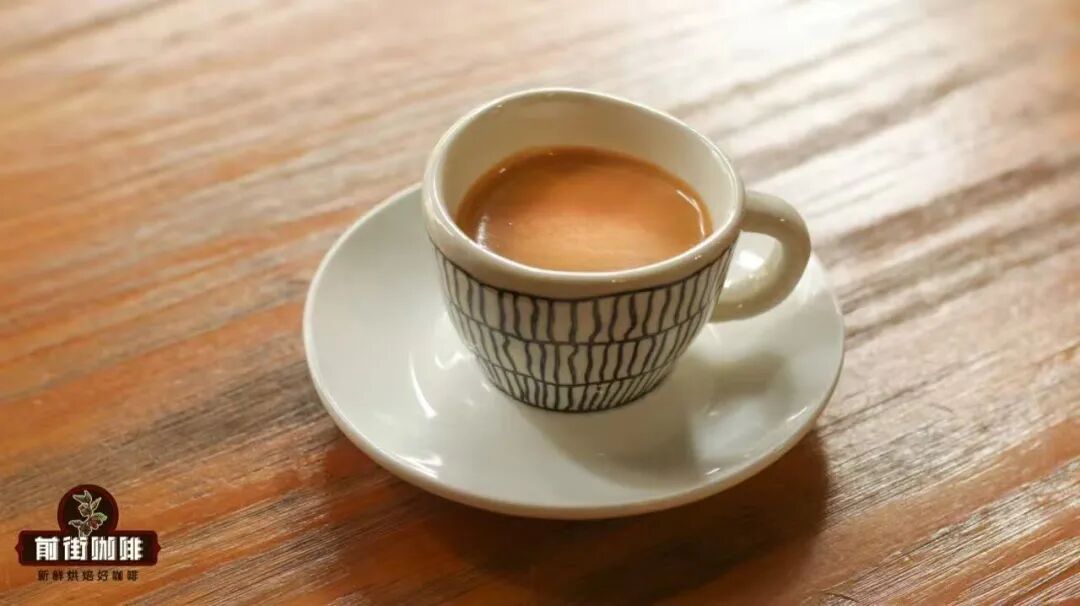
When coffee beans enter their optimal drinking period, the appearance of the crema undergoes a noticeable change. At this stage, the crema is usually not overly thick, but has a fine texture and even distribution. By gently shaking the surface of the coffee, you can see a silky-smooth texture, and even a slight mirror-like reflection under light.
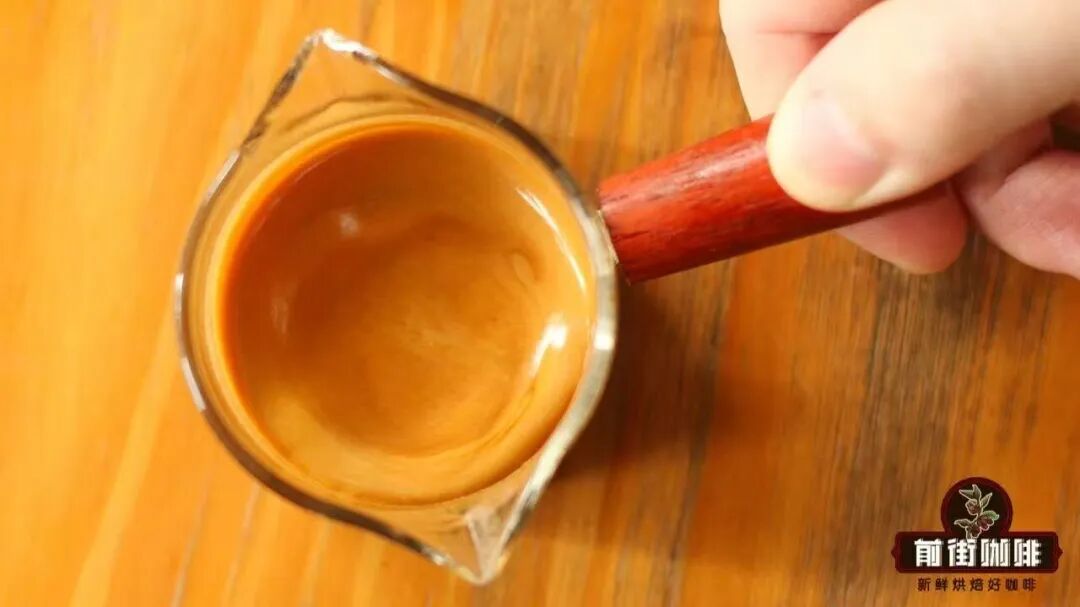
This state of crema indicates that the carbon dioxide level within the coffee beans has reached an ideal balance, allowing lipids to uniformly encapsulate the gases and form a stable, fine foam structure. Under these conditions, the extraction process can more effectively release flavor compounds, enabling the coffee’s aroma and taste to perform at their best. This is usually the golden period for enjoying your coffee—be sure to savor it while it’s at its peak.
Conversely, if you notice that the extracted crema has become noticeably thinner and lacks the expected fine texture, this could be a sign that the coffee beans are nearing or have already passed their optimal drinking window.
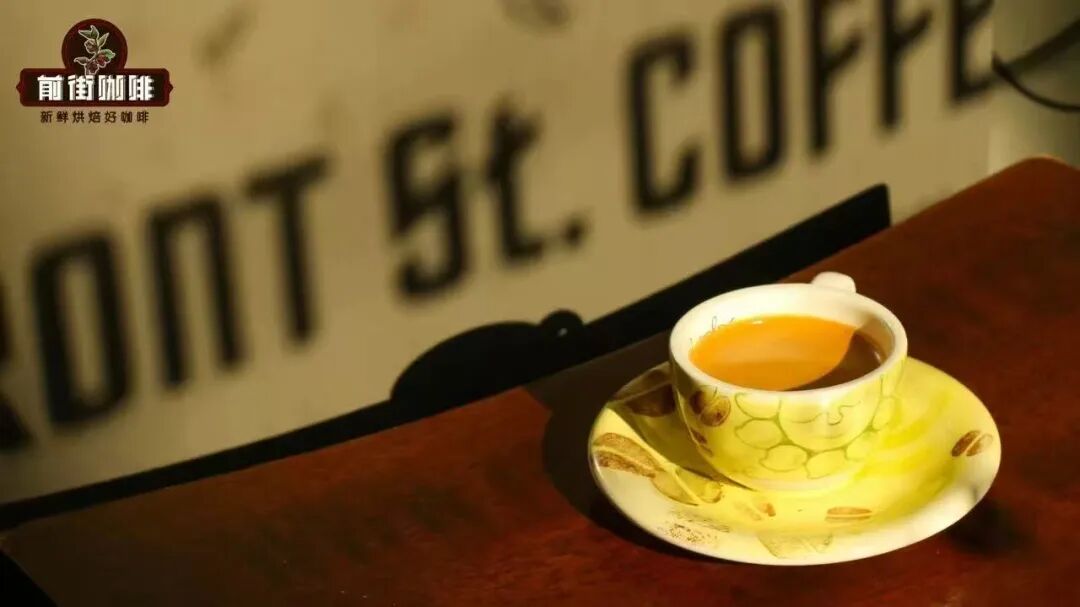
In this state, the crema is usually more transparent and fragile, unable to maintain a stable structure. The reason behind this is that most of the carbon dioxide within the beans has been released, leaving insufficient foam support. While extraction may become easier in this case, releasing more soluble substances can also bring out undesirable impurities, leading to a bitter or off-flavored cup.
Additionally, as carbon dioxide decreases, the aromatic molecules in the coffee also dissipate more quickly, further affecting the longevity of the flavor. It’s recommended to increase brewing frequency moderately during this stage and closely monitor flavor changes to avoid missing the coffee’s best drinking window.
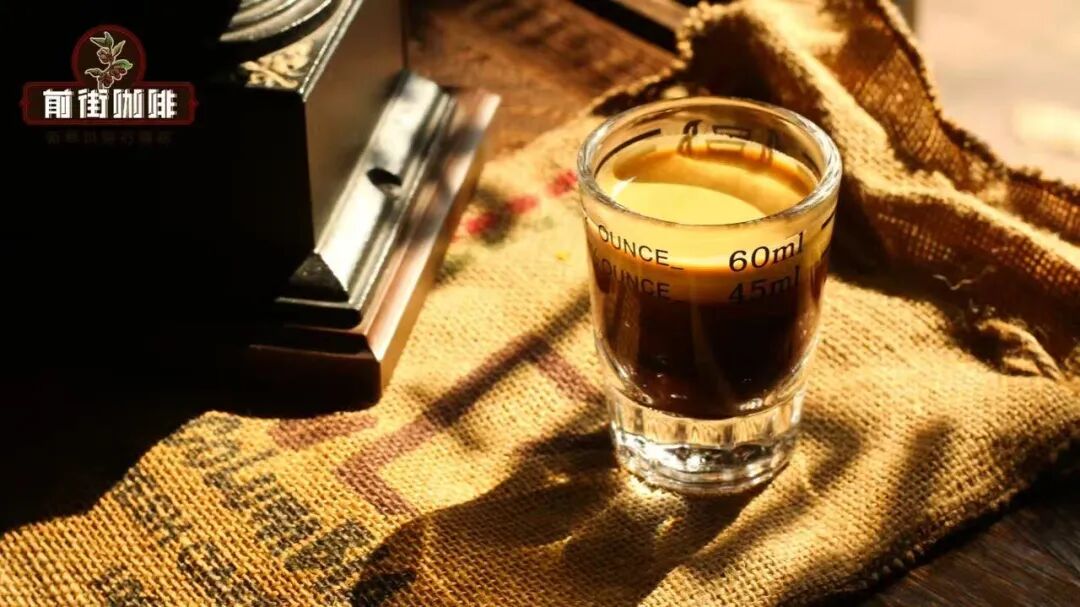
It’s important to note that all observations about crema must be based on consistent extraction parameters. Only under the same coffee-to-water ratio, grind size, and extraction time can changes in crema truly reflect the state of the coffee beans. For example, common home extraction parameters such as 20 grams of coffee, a 30-second extraction time, and 40 milliliters of output serve as a good reference benchmark.
If you alter these basic parameters—for instance, reducing the extraction time to 15 seconds—even with the same coffee beans, you may end up with a completely different crema outcome. Therefore, before making any observations or adjustments, ensure that the main extraction variables are kept constant to accurately interpret the messages conveyed by the crema.
The above content is compiled by CoffeeHunters, a coffee news website.


