








Introduction:Latte and cappuccino are two of the most popular styles of espresso-based coffee, but many beginners often confuse the differences between them. This article provides a detailed explanation of their ratios, milk foam thickness, flavor profiles, and analyzes the caffeine content in a cup of latte. It also offers easy-to-follow home brewing parameters and techniques, helping you better understand how to choose and brew your ideal milk coffee.
In the world of espresso-based coffee, latte (Latte) and cappuccino (Cappuccino) are the most classic and beloved drinks. Although both are based on espresso and paired with milk and milk foam, they differ significantly in ratio, texture, and flavor expression. This article will delve into the distinctions between these two coffees, introduce their unique charms, and explain the caffeine content in a standard latte, allowing even beginners to easily grasp the core knowledge of these classic beverages.
The Characteristics and Classifications of Cappuccino
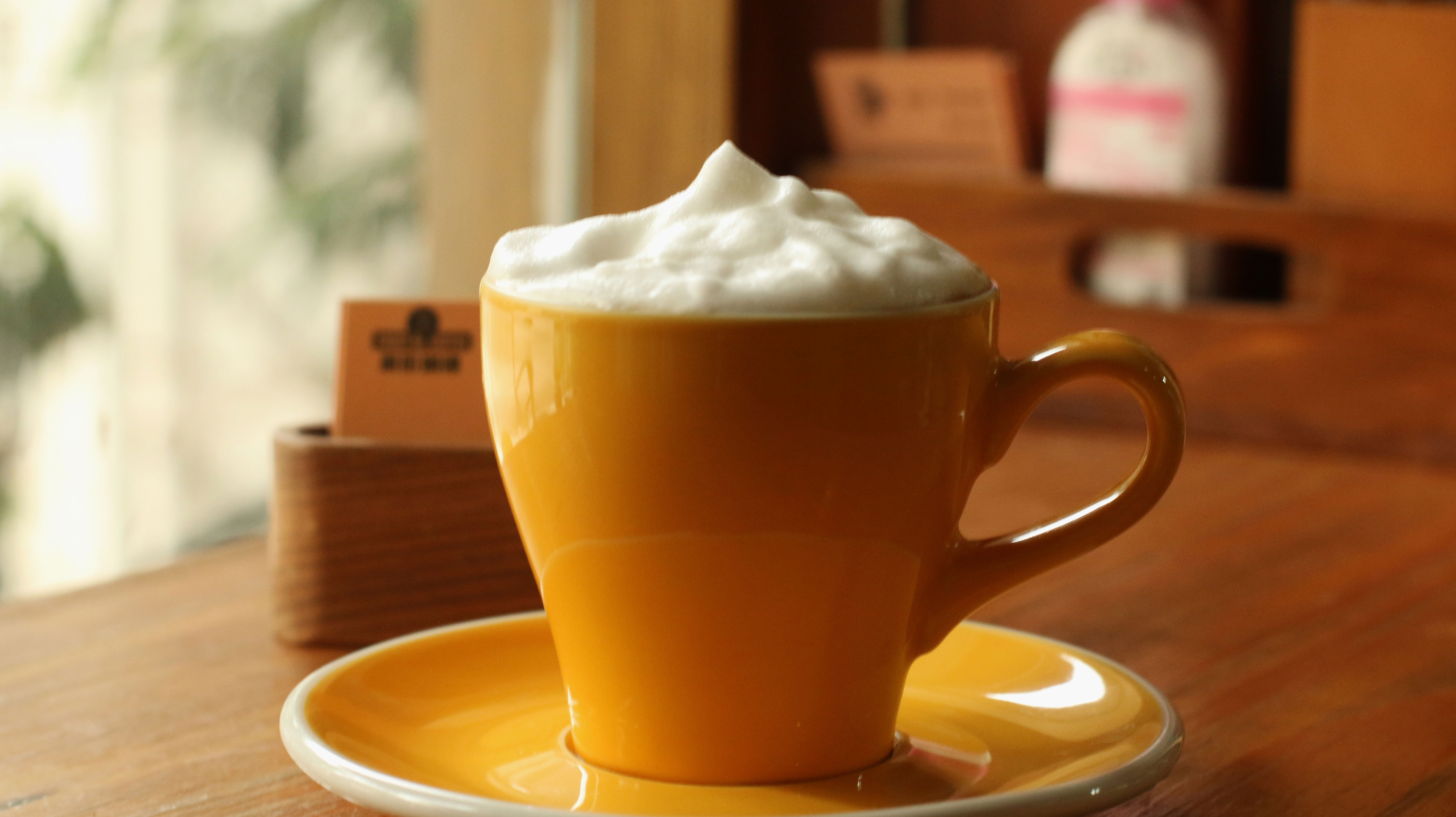
Cappuccino is a classic Italian espresso drink originating from Italy, consisting of equal parts espresso, steamed milk, and milk foam, typically in a golden ratio of 1:1:1. Interestingly, cappuccino can be divided into “dry cappuccino” and “wet cappuccino.” Dry cappuccino has a higher proportion of milk foam, resulting in a more concentrated milk aroma and a thicker, richer texture; whereas wet cappuccino contains more milk with a thinner layer of foam, making it smoother and with a more pronounced milk flavor. Traditionally, cappuccino is served hot, as cold versions tend to cause the foam to dissipate quickly, affecting the overall drinking experience.
The Basic Composition and Evolution of Latte
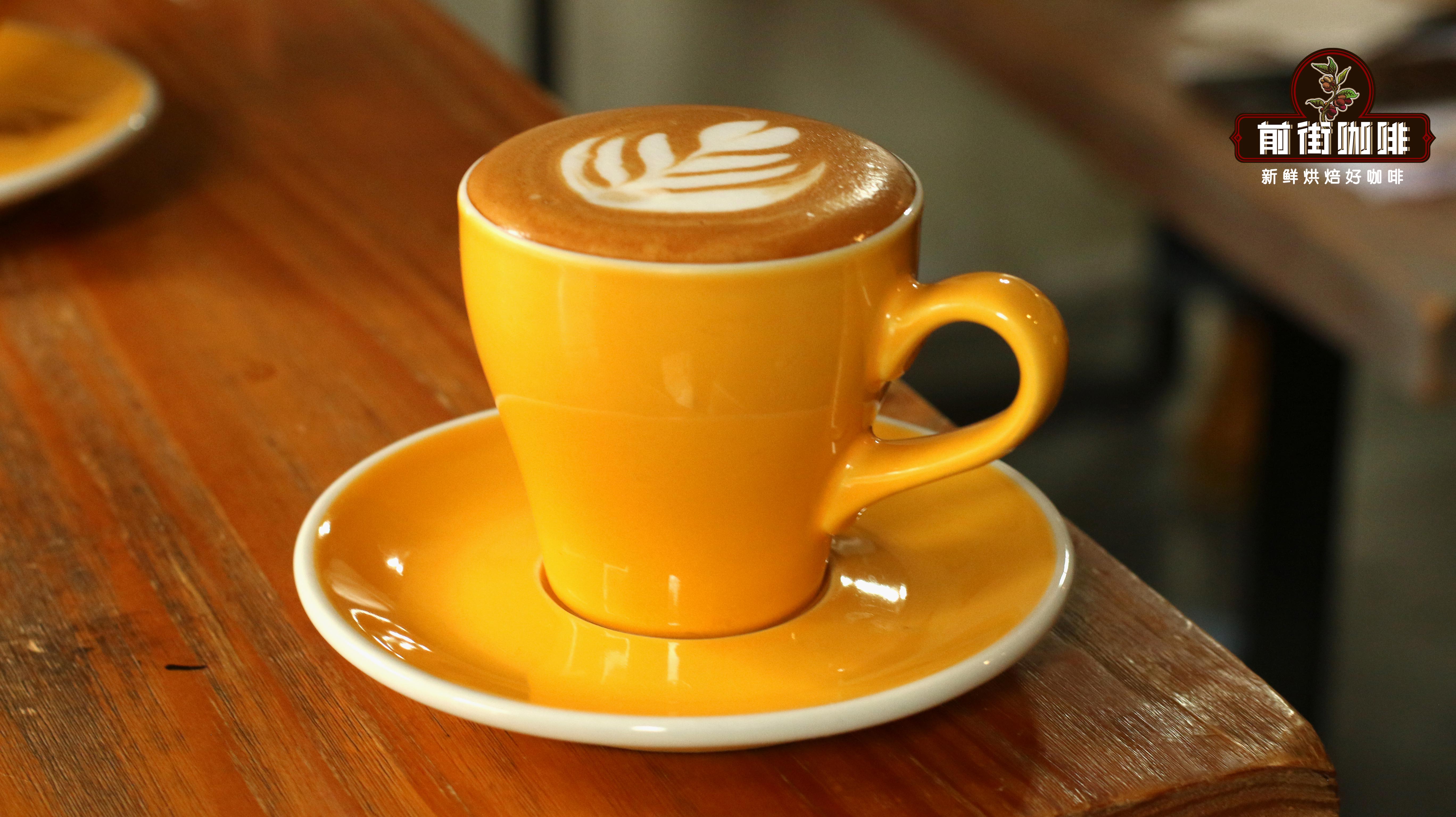
The word “latte” is actually a transliteration of the Italian word “Latte,” which literally means “milk.” Therefore, ordering a “latte” in Italy might just get you a glass of plain milk. The modern concept of latte coffee gradually took shape with the widespread use of espresso machines, characterized by the use of large amounts of steamed milk, a small amount of espresso, and decorated with delicate latte art. As early as the 1980s, baristas in Seattle, USA, began using finely textured milk for “coloring,” which was the prototype of modern latte art.
The Brewing Ratios and Techniques of Latte and Cappuccino
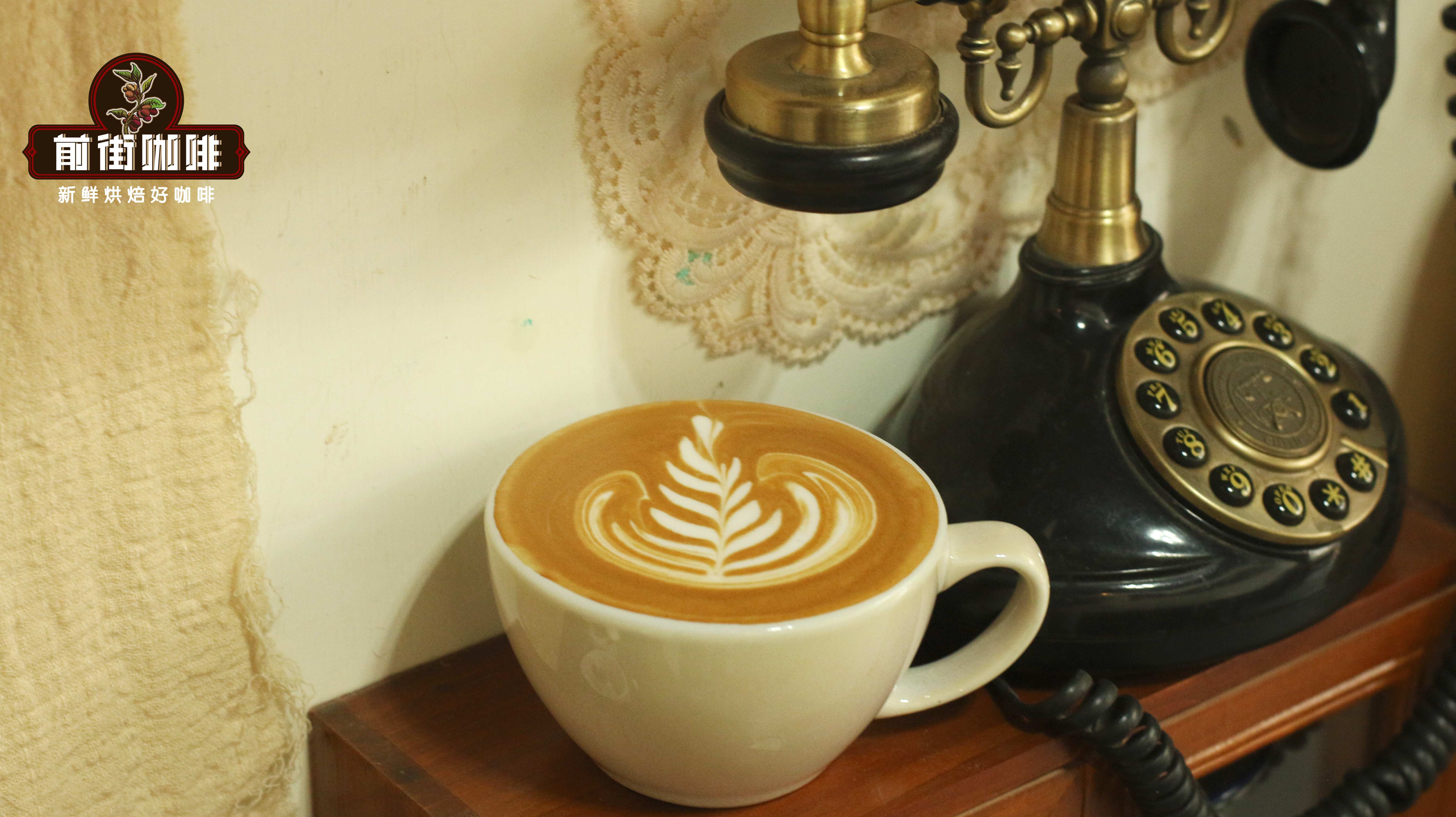
Although both latte and cappuccino are based on espresso, they differ significantly in ratio and milk foam handling. The traditional cappuccino ratio is 1/3 espresso, 1/3 milk, and 1/3 milk foam, with a noticeably thicker foam layer of about 1 cm or more, suitable for those who prefer a richer taste. Latte, on the other hand, mainly uses a coffee-to-milk ratio of 1:6 to 1:7, with a thinner foam layer—usually less than 1 cm—creating a smoother texture with a more prominent milk aroma.
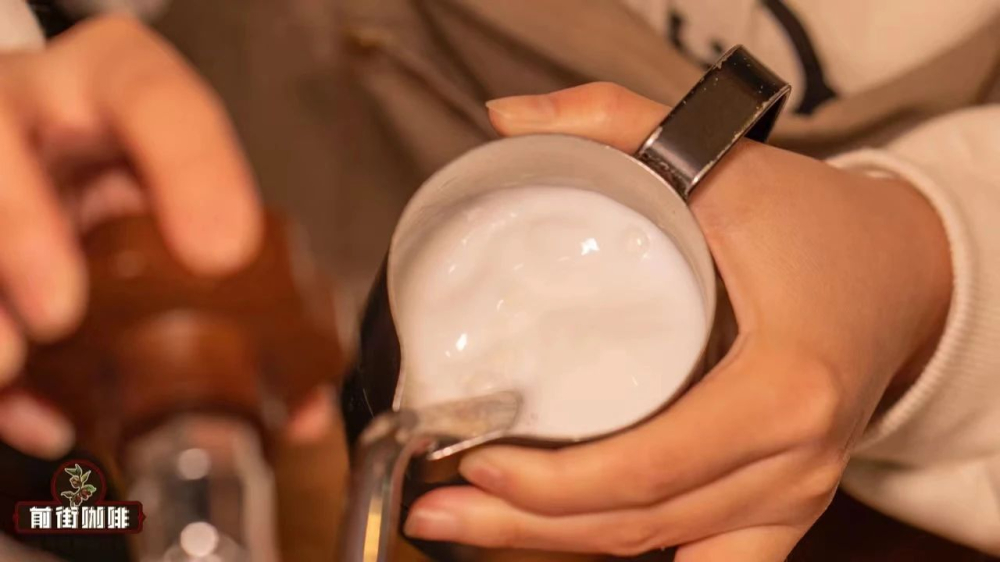
In preparation, both use a double shot of espresso (about 40ml), and whole fresh milk (it is recommended to use fresh whole milk, such as Vitasoy) is heated to 50–60°C. This temperature range effectively brings out the sweetness of lactose in the milk without damaging the protein structure. The technique and stability of frothing the milk also directly affect the final texture and flavor expression.
The Bean Selection and Extraction Parameters for Espresso
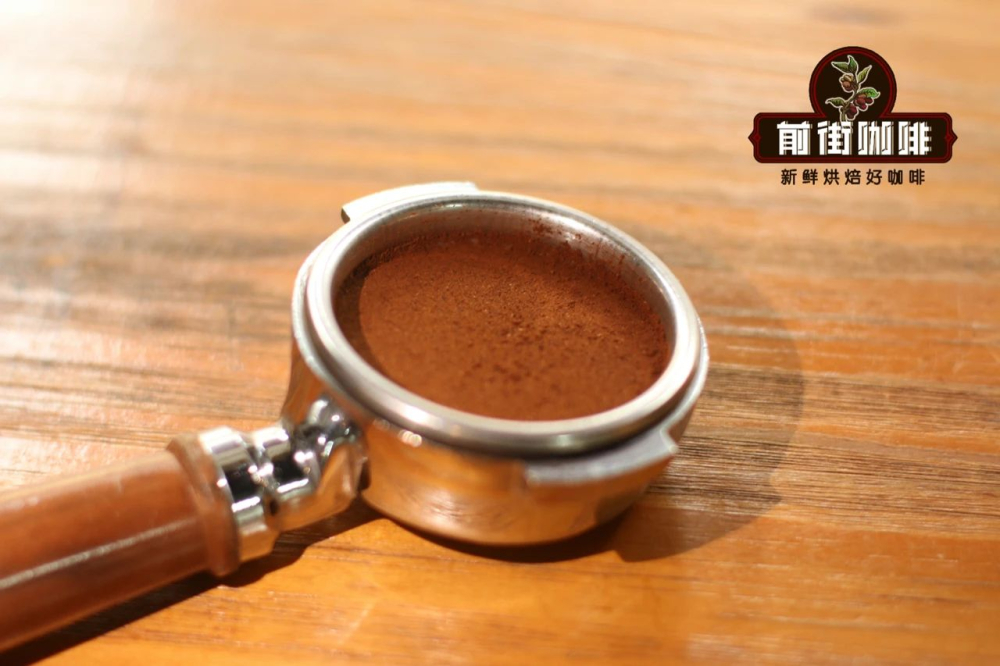
Espresso is the soul of the entire drink, so bean selection and extraction parameters are crucial. Common extraction parameters include: using a pressure of 9 bar, water temperature controlled at 90.5–96°C, a coffee-to-water ratio between 1:1.7 and 1:2, and an extraction time of about 20–30 seconds. The coffee dosage is adjusted according to single shot (10g) or double shot (20g). A double shot of espresso yields about 40ml and provides a rich foundation of coffee flavors.
The Flavor Profiles of Latte and Cappuccino
Due to the difference in milk proportions, latte and cappuccino each offer distinct flavor experiences. With a higher milk content, latte has a softer and smoother taste, where the milk aroma balances perfectly with the acidity and sweetness of the coffee, often leaving a nutty and caramel-like aftertaste. Cappuccino, with its thicker foam, retains more of the original aroma of the espresso—such as chocolate, caramel, and a hint of wine-like notes. Paired with a dense foam layer, it offers a richer and more layered mouthfeel.
How Much Caffeine Is in a Latte?
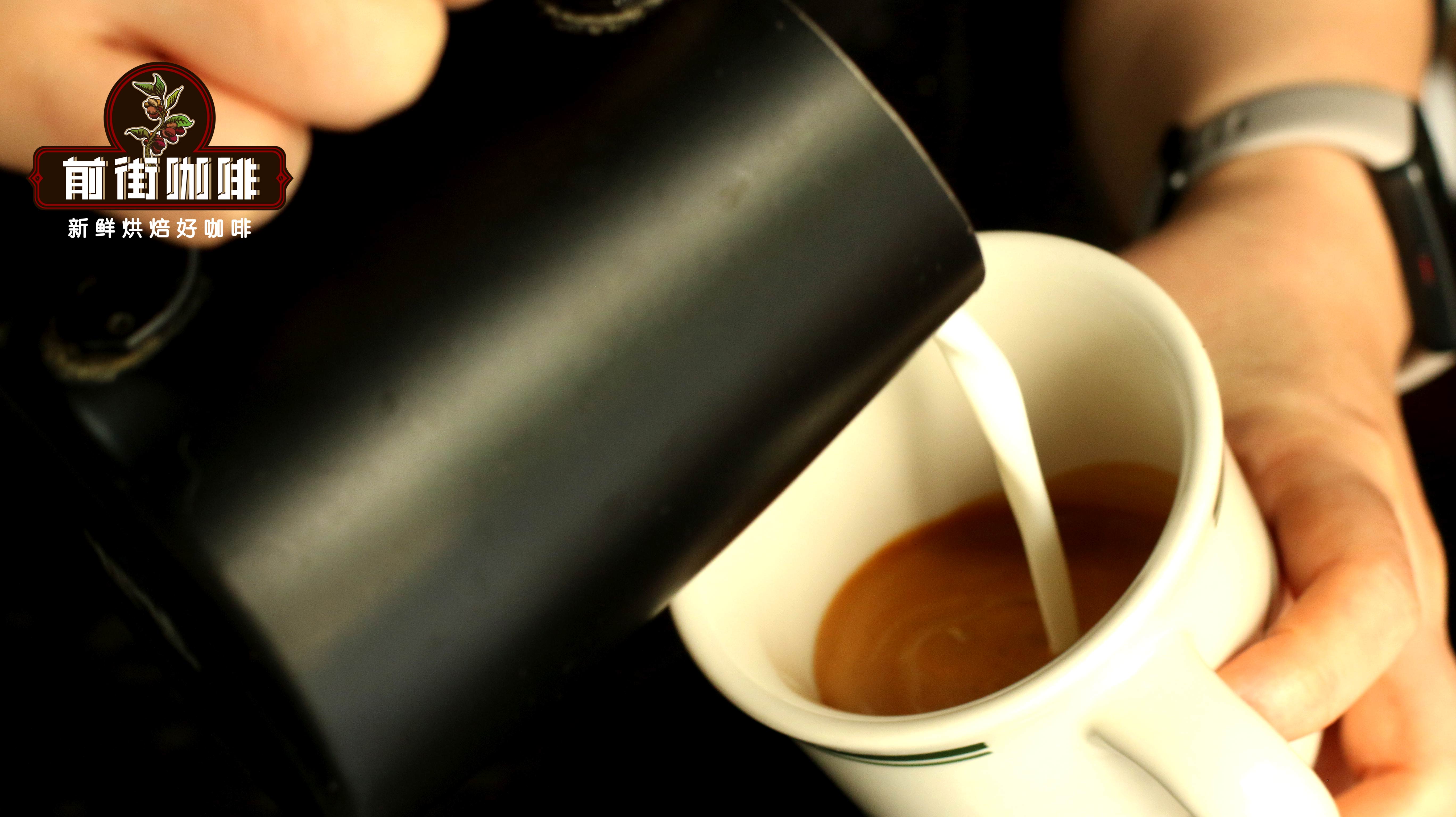
Many coffee beginners are curious about the caffeine content in a latte. Generally speaking, a standard latte uses about 40ml of double shot espresso, and every 100ml of espresso contains approximately 80–100mg of caffeine. This means the total caffeine content in a latte is around 30–40mg, which is far below the adult daily recommended intake limit of 400mg. However, if dark roast or high-caffeine beans (such as Robusta) are used, the values may vary slightly. That said, most commercially available lattes primarily use low-caffeine-risk Arabica beans, with caffeine content around 0.9%–1.2%.
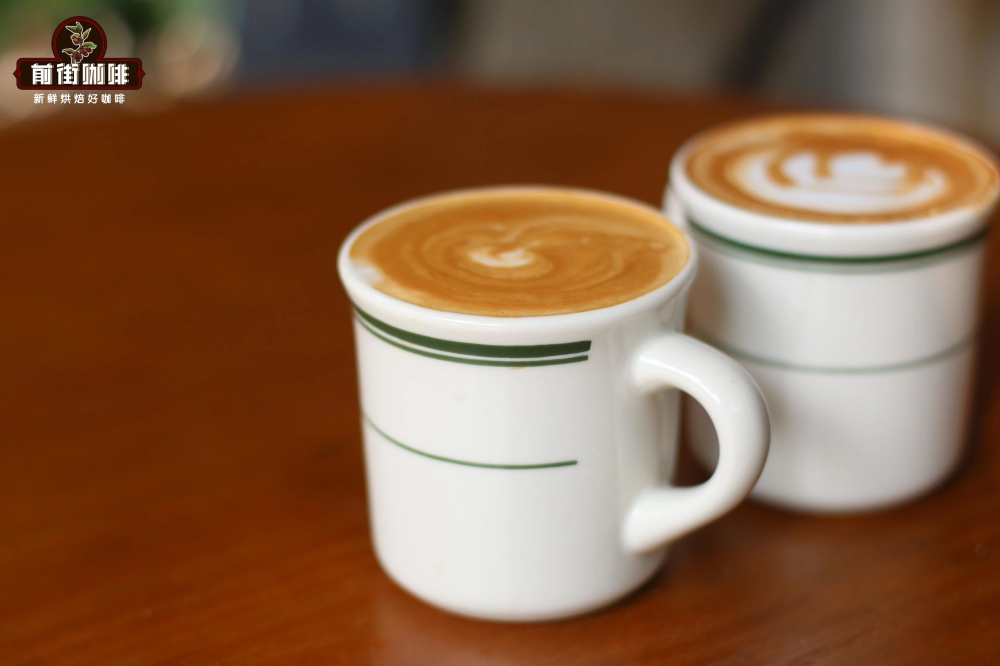
In summary, although latte and cappuccino may seem similar, they each have their own nuances in terms of ratio, milk foam handling, and flavor expression. Whether you prefer the bold and rich taste of cappuccino or the milky and smooth experience of latte, mastering the right ratio, temperature, and milk texture allows you to recreate a professional-grade espresso coffee experience at home.

The above content is compiled by CoffeeHunters, a coffee news website.


