








Introduction:Although an iced latte may seem simple, it involves many details—from coffee bean selection to milk ratio—that all influence the final flavor. This article delves into how to easily make a near-professional-quality iced latte at home, including recommended types of coffee beans and milk, the ideal milk-to-espresso ratio, and key points to watch during preparation. Whether you're just starting out or looking to improve your home coffee-making skills, you’ll find practical advice here.
Iced Lattecan be considered one of the most popular milk-based coffees. Its charm lies in the balance between a refreshing taste and rich coffee aroma. Although the method sounds straightforward—“just add ice, pour in milk and coffee”—making an iced latte with balanced flavor and delicious taste actually involves many nuances.

First,ingredient selection is crucial.Different coffee beans impart completely different flavor profiles to an iced latte. For example, common espresso blends often showcase deep-roast characteristics like nuts and chocolate, while certain single-origin beans can highlight the smoothness and sweetness of the milk. Therefore, choosing a coffee bean that suits your personal taste is the first step toward making the ideal iced latte.
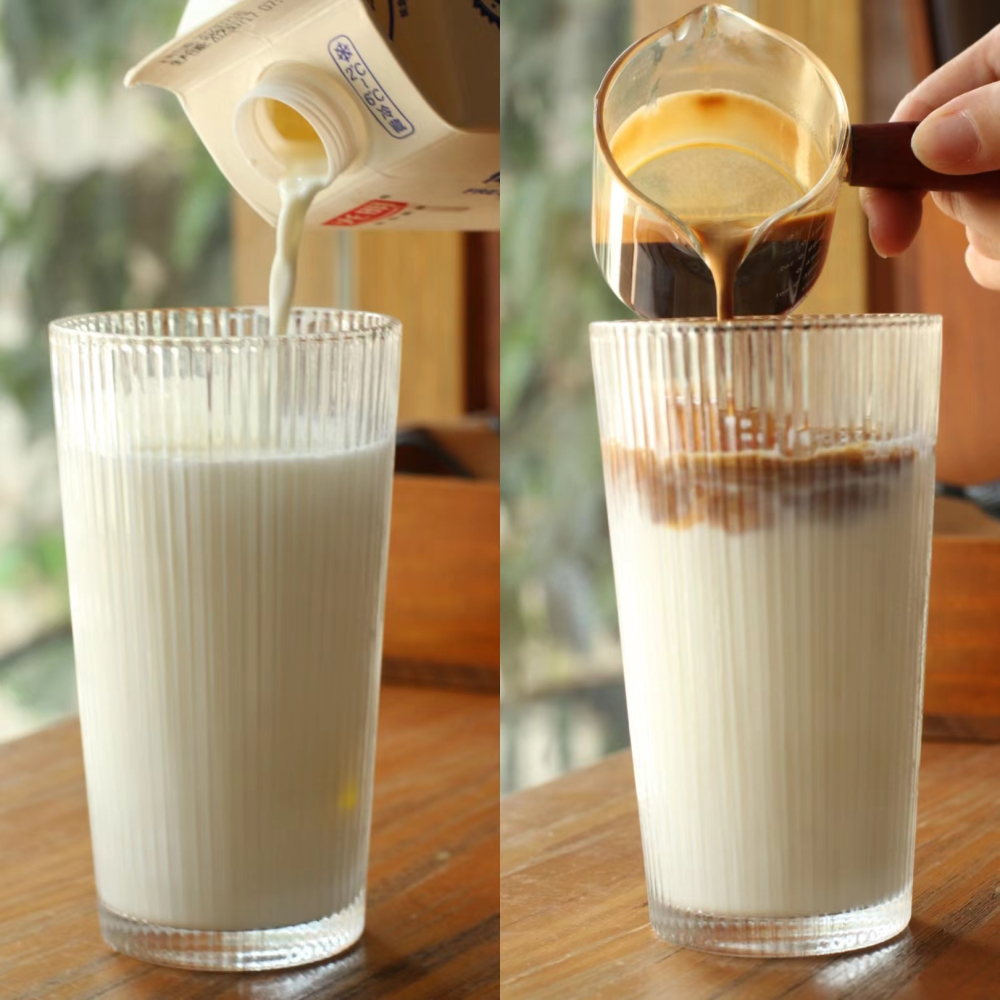
Equally important isthe choice of milk.There are many types of whole fresh milk available on the market—some have a strong milky flavor and thick texture, while others taste light like water. It’s recommended to choose based on the characteristics of the coffee to avoid overly heavy milk overpowering the coffee or too thin milk making the overall taste flat. Finding milk that complements the coffee ensures a more harmonious cup of iced latte.

Next isthe golden ratio of milk to coffee.Based on practical experience, it is generally recommended to use a ratio of about 1:6 for espresso to milk. For instance, using 40 grams of espresso, paired with 240 grams of cold milk and 75 grams of ice, results in a total volume of about 300 milliliters. This ratio is derived from multiple adjustments and actual tasting feedback, suitable for most people's palates, but can still be slightly adjusted based on personal preference. Be aware that too much milk can mask the coffee flavor; too much coffee may become overly bitter; and too much ice will dilute the overall concentration.

Besides ingredients and ratios,operational details should not be overlooked.The process of making an iced latte may seem intuitive—add ice, pour milk, pour coffee—but in reality, each step affects the final taste and appearance. Especially when extracting espresso, it’s important to avoid issues such as channeling and overly long extraction times, all of which directly impact the flavor of the iced latte.

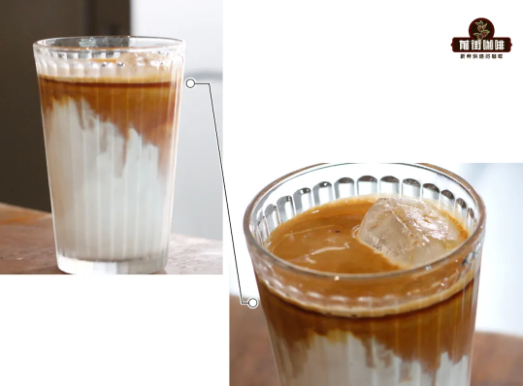
Another key factor ispreparation speed.It’s recommended to quickly pour the freshly extracted espresso into the cup after adding the ice and milk, in order to retain the best flavor and crema. Delaying the pour can cause the ice to melt, resulting in a diluted drink and potential water layering at the top. Moreover, freshly extracted espresso has rich coffee crema, which can create a beautiful layered effect. But if more than 30 seconds pass, the crema will gradually dissipate, not only compromising the appearance but also affecting the floating layer effect.

In summary, to make a satisfying iced latte at home, it’s not only about choosing the right coffee beans and milk, but also mastering the appropriate ratio and paying attention to careful execution. Through continuous experimentation and fine-tuning, you can also create an iced latte tailored to your own taste and enjoy a cool yet rich coffee moment in the summer.
The above content is compiled by CoffeeHunters, a coffee news website.


