







Introduction:Semi-automatic espresso machines and drip coffee makers are the two most commonly used brewing tools among amateur enthusiasts and home users. However, they differ significantly in extraction methods, suitable bean types, and ease of operation. This article provides an in-depth comparison of their characteristics, analyzes common extraction differences, and recommends a variety of practical coffee beans to help readers choose the most suitable equipment and beans based on their taste preferences and needs.
Among the daily brewing choices of coffee enthusiasts, semi-automatic espresso machines and drip coffee makers are the two most common devices. These two not only operate on vastly different principles, but also vary in coffee bean compatibility, ease of use, and final extraction performance. Understanding their differences can help you select the coffee tool that best suits your taste and usage scenario.
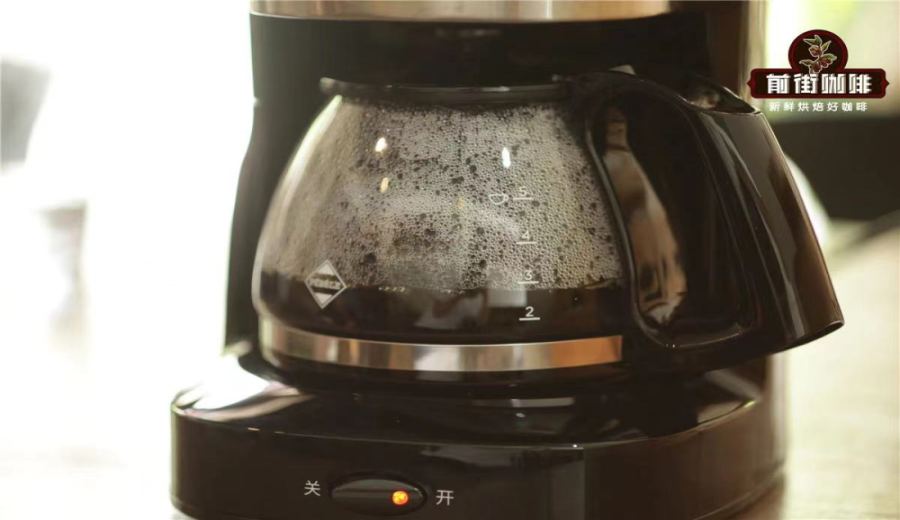
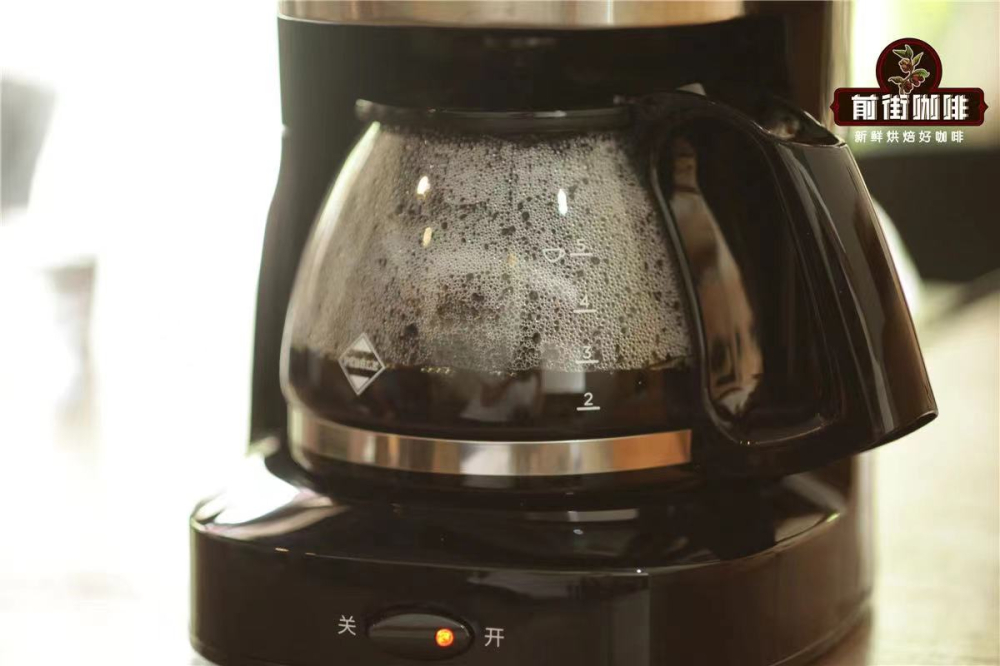
First, the operating concept of a drip coffee maker is relatively simple. It uses normal-pressure hot water to evenly filter through ground coffee, making it a passive extraction method. In this process, water naturally seeps through the coffee bed without generating additional pressure, so the resulting coffee typically has a lower concentration, a refreshing taste, and more pronounced acidity and sweetness, without strong bitterness. These machines often feature a two-tiered structure: the upper part holds water, the middle section contains the filter paper and coffee grounds, and the lower part collects the brewed coffee. They are generally affordable, often available for under NT$1,000, and are suitable for high-volume brewing at home or in offices.
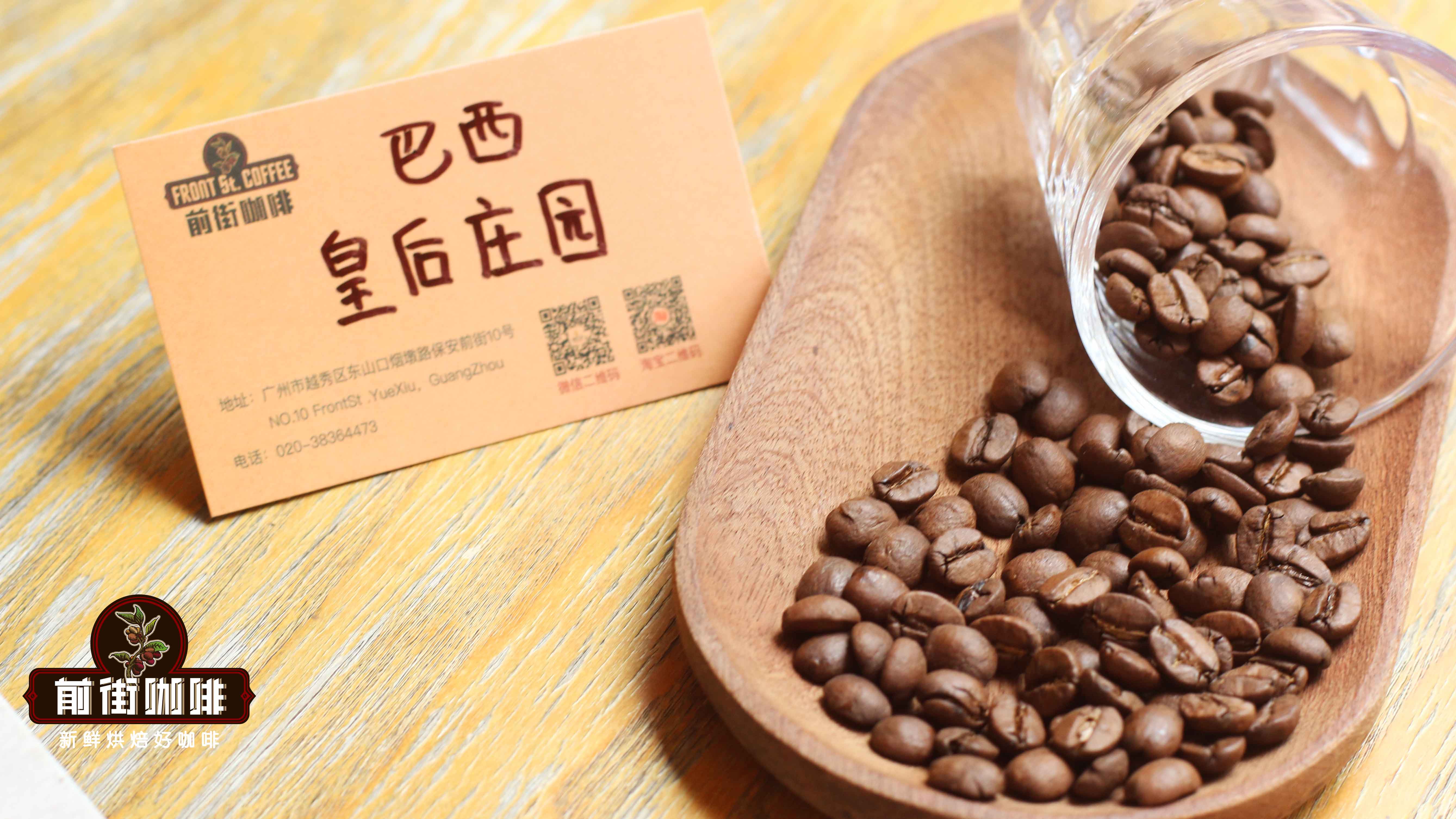
Due to the use of normal-pressure extraction, drip coffee makers are not very effective at fully extracting the intense aroma of very dark roasted beans. Instead, they pair better with medium to medium-dark single-origin beans. For example, medium-roasted coffee beans usually achieve a balance between acidity and bitterness, are easy to control, and are suitable for beginners. Recommended options include Queen’s Estate, Little Blue Mountain Paradise Bird, and 2013 Yunnan Peaberry, all of which offer clear flavors and distinct layers.
If you prefer a clean and light black coffee, medium-roasted espresso beans are also a good choice. For instance, the Huakui SOE with notes of strawberry and guava, and the Yirgacheffe Natural Red Cherry SOE showcasing citrus and lemon acidity—both single-origin beans are known for low bitterness and vibrant fruitiness, making them very beginner-friendly. Additionally,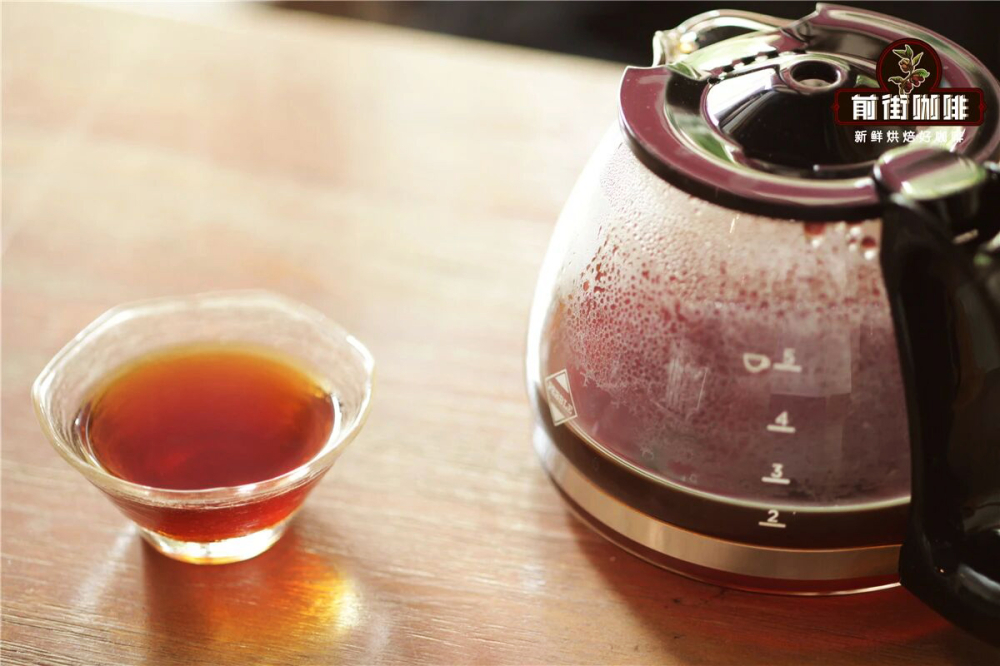 although drip machines cannot produce milk foam, the brewed coffee liquid is suitable for direct drinking and can also serve as a base for cold brew or iced coffee.
In contrast, semi-automatic espresso machines are professional-grade equipment widely used in coffee shops. Their standout feature is the ability to extract espresso and froth milk for latte art, enabling the creation of diverse coffee drinks such as lattes and cappuccinos. The term “semi-automatic” means that the entire extraction process must be manually completed by the user—from grinding the coffee beans, dosing and tamping the coffee, attaching the portafilter, to starting the extraction. Each step requires personal operation, while the machine only provides the function of hot water extraction under pressure.
It is particularly important to note that espresso machines use high pressure (typically 9 bar) for extraction, which significantly highlights the flavor compounds and oils in the coffee beans. As a result, they have higher requirements for the roast level and quality of the beans. Choosing the wrong beans can easily lead to excessive acidity or bitterness. To achieve a stable and balanced taste, it is recommended to selectmedium or medium-dark roastedblended beans, which not only bring out rich crema but also showcase a full-bodied base and caramel aromas.
For home users or small cafes, espresso blends are a highly cost-effective choice. For example, the “Classic Blend,” which combines Brazilian, Indonesian Mandheling, and Vietnamese beans, delivers intense caramel, nutty, and dark chocolate notes, with a thick crema layer and long-lasting aftertaste, making it ideal for various milk-based coffees. Another option, the “Dark Cocoa Base Blend,” mixes Yunnan AA with Brazilian beans, offering mild acidity, noticeable sweetness, smooth texture, and slightly lighter body, suitable for those who prefer a balanced taste.
In summary, if you are looking for simple operation, high-volume brewing, and a refreshing taste, a drip coffee maker paired with medium-roasted single-origin beans is the best entry-level choice; if you wish to delve deeper into coffee extraction techniques and explore the art of espresso and milk foam, a semi-automatic espresso machine with professional blends will open up more possibilities. Regardless of your choice, understanding bean characteristics and equipment limitations is key to enhancing coffee flavor expression.
The above content is compiled by CoffeeHunters, a coffee news website.


