







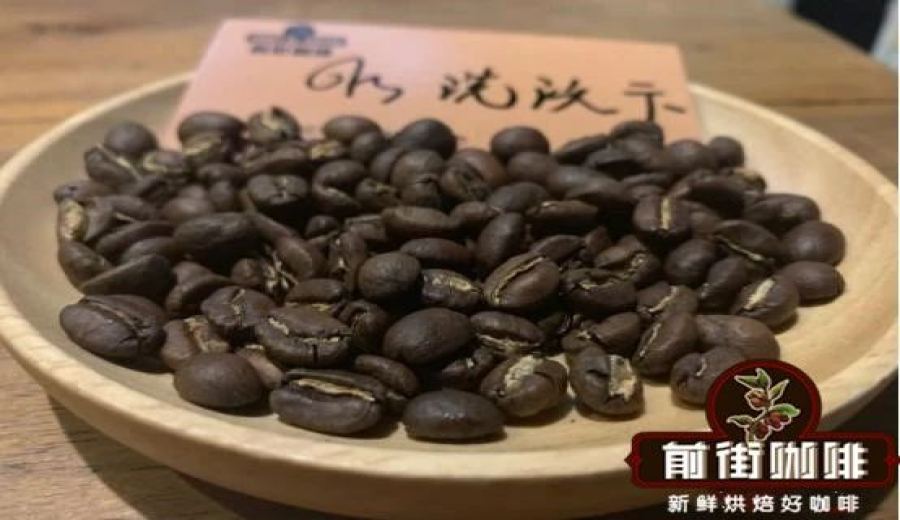
Introduction:Want to understand the unique charm of Ethiopian Yirgacheffe Worka washed G1? This article takes you from the region’s geography, cooperative operations, washed processing, bean grading, to actual roasting and pour over extraction, offering an in-depth analysis of this world-renowned high-altitude specialty coffee. It deciphers the origins of its clean acidity and delicate flavors, and provides practical brewing parameters to help you easily master this popular coffee bean.
Yirgacheffe is an extremely representative specialty coffee region in southern Ethiopia, renowned globally for its delicate floral and fruity aromas and bright, clean acidity. Among the many high-quality coffees from this area, the washed G1 batch from the Worka Cooperative stands out as one of the most remarkable. This article will start with the background of the region, detailing the history of the cooperative, the washed processing method, the green bean grading system, and then explore the roasting curve and pour over extraction settings. It comprehensively breaks down this Yirgacheffe coffee with clean flavors and balanced acidity and sweetness, helping you understand how a high-quality washed coffee makes its way from origin to your cup.
Region Background: The Unique Geography and Culture of Yirgacheffe
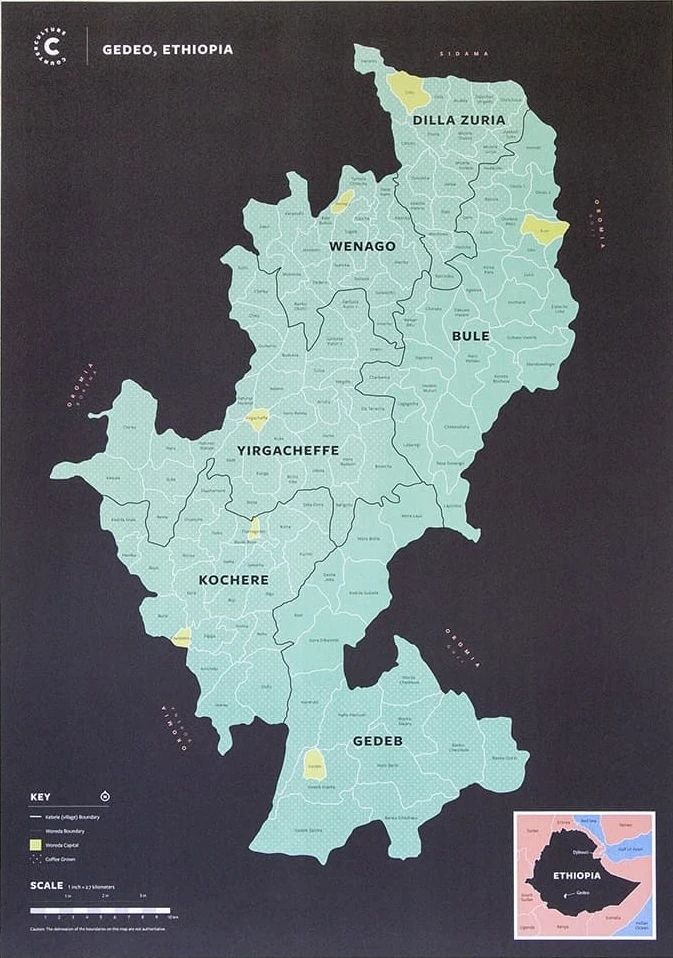
Yirgacheffe was originally a small town in southern Ethiopia with a population of just around 20,000, initially part of the Sidamo region. As modern washed processing stations were built locally, the coffee produced here gradually began to exhibit flavor characteristics distinctly different from other areas of Sidamo — bright acidity, delicate floral notes, and citrus or tea-like aftertastes. As a result, it became independent from Sidamo and was officially recognized by Ethiopia as a specialty coffee region.
Located in the Gedeo zone, Yirgacheffe lies downstream of the Great Lakes basin, with abundant spring sources — a crucial foundation for washed processing. Interestingly, in ancient Ethiopian, “Yirgacheffe” is composed of two words: “Yərga” meaning calm, and “Č̣äfe” referring to a swamp or wetland. Together, they imply “let us live and prosper on this wetland.” Today, this high-altitude area (approximately 1800 to 2000 meters) still maintains traditional garden farming practices, where coffee trees are often intercropped with other crops and carefully tended by smallholder families. This has created a unique microclimate and great flavor potential.
Worka Cooperative: The Backbone Behind Consistently Producing High-Quality Washed Beans
This Yirgacheffe Worka washed G1 comes from the careful processing of the Worka Cooperative. Established in 2005, the cooperative is part of the renowned Yirgacheffe Coffee Farmers Cooperative Union (YCFCU) and has been known since its inception for producing high-quality natural and washed coffees. Currently, the cooperative has about 300 coffee farmers. Most of these producers operate small-scale family farms, with limited individual yields but consistent quality. Managed and processed uniformly by the cooperative, this ensures consistency and grade uniformity of the green beans.
It’s worth mentioning that in recent years, many well-known single-origin villages have emerged in the Yirgacheffe region, such as Banko Gotiti and Halo Bariti. These micro-regions were mostly processed uniformly by the Worka Cooperative. As international buyers have placed greater emphasis on single-farm flavors, these villages have gradually begun to export independently, yet they continue to uphold high standards of processing traditions. The experience and technology of the Worka Cooperative are an important foundation supporting these premium regions in continuously producing specialty coffee.
Washed Processing Method: The Key Craft Behind Clean and Bright Flavors
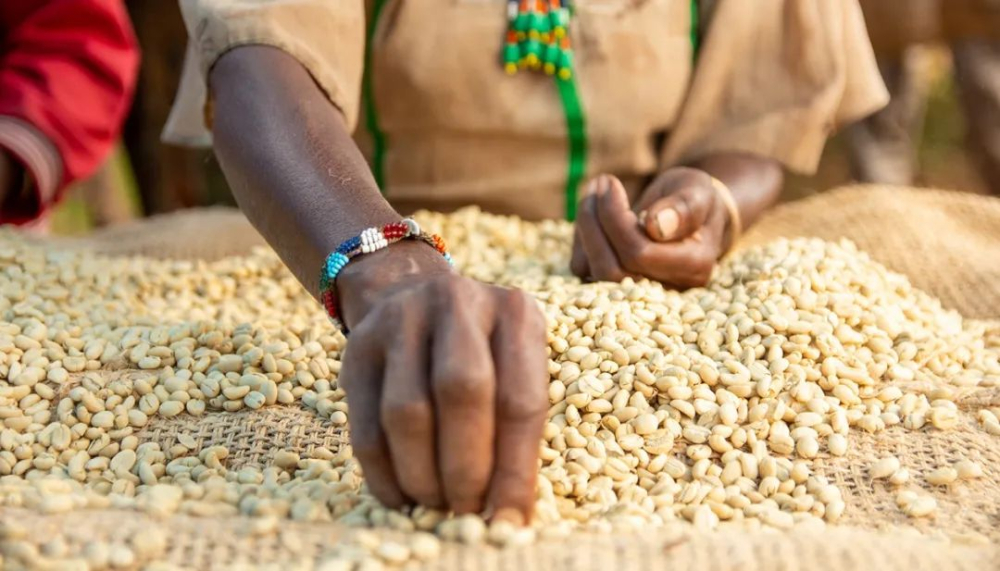
The Yirgacheffe region widely adopts the washed processing method. This technique involves removing the coffee fruit's skin and pulp, then fermenting the beans in water tanks for about 72 hours to remove the sticky mucilage layer. This fermentation process not only reduces impurities but also imparts specific acidity profiles to the beans. After fermentation, the beans are thoroughly rinsed with clean water and then evenly spread on raised beds to dry. The drying process requires strict control of temperature and humidity to ensure even drying and avoid mold.
The biggest characteristic of washed processing is its ability to present a clear and pure flavor profile, with bright acidity that is not overly sharp. Common tasting notes include lemon, green fruits, or floral layers, along with a silky mouthfeel and aftertaste. This Worka washed G1 is a classic example of this process. Carefully selected and quality-controlled, it achieves the G1 grade with an extremely low defect rate, making it a highly sought-after item in the specialty coffee market.
Green Bean Grade and Grading Standards: What is G1?
In Ethiopia, coffee beans are graded based on defect rates and cupping quality. For washed beans, the highest grades are G1 and G2, while natural beans range from G1 to G3. Among them, G1 is the highest grade, indicating almost zero defective beans and excellent cupping performance. It is the grade commonly used for auction-level specialty coffee. This Worka washed bean is classified as G1, meaning it has undergone rigorous screening, meeting the high standards of the international specialty market in both appearance and flavor.
It should be noted that although both washed and natural beans have a G1 grade, their flavor profiles differ due to their processing methods. Washed beans are generally clearer and brighter, suitable for those who enjoy acidity and fruity-floral notes. In contrast, natural beans often carry richer fruitiness and sweetness, with relatively higher body. This Yirgacheffe Worka washed G1 is the best showcase of the refinement of washed processing.
Roasting Curve: How to Highlight the Delicate Flavors of Washed Yirgacheffe?
This Yirgacheffe Worka washed G1 uses a light roast to preserve its inherent flavors and bright acidity. During the roasting process, a relatively high heat is applied initially, reaching the yellowing point at about 5 minutes and 30 seconds. Then, the heat is reduced and the air vent is opened to enter the Maillard reaction stage. When the temperature reaches 160°C, the heat is lowered again to extend the Maillard reaction time, aiming to develop sweetness and complexity. First crack begins at approximately 186.3°C. To avoid excessive roastiness, the heat is reduced in advance, and the beans are dropped at 194.2°C, preserving the optimal balance of flavors.
This roasting curve emphasizes controlling caramelization reactions and first crack development time, highlighting the delicate acidity and citrus notes brought by washed processing, while maintaining good body and aftertaste. Suitable for use with medium-light roasting machines, such as the Yangjia 600g semi-direct-fire machine, which allows precise control over temperature and air vent adjustments to perfectly showcase the potential of this bean.
Pour Over Recommendations: How to Brew the Best Flavor Profile?
To fully experience the delicate floral and fruity notes and clean acidity of this Yirgacheffe Worka washed G1, it is recommended to use a medium-light roasted pour over method. Use water at 91~93°C, paired with a grind size similar to fine sugar (about EK43s scale 10, or 80% passing through a #20 sieve), which can effectively extract a balanced acidity and sweetness.
Practical Brewing Reference: Using a V60 dripper, 15 grams of coffee, a 1:15 coffee-to-water ratio, and total water temperature at 91°C. First, pour 30 grams of water for a 30-second bloom. Then pour 95 grams of water (total weight approximately 125 grams). When the water level drops to two-thirds of the coffee bed, pour another 100 grams of water (total weight approximately 225 grams). Total brew time is about 2 minutes and 10 seconds. This three-stage pouring method enhances the progressive flavors of the early, middle, and late stages, presenting refreshing fruit notes such as lemon, kumquat, and white grape, along with a soft tea-like aftertaste.
The above content is compiled by CoffeeHunters, a coffee news website.


