







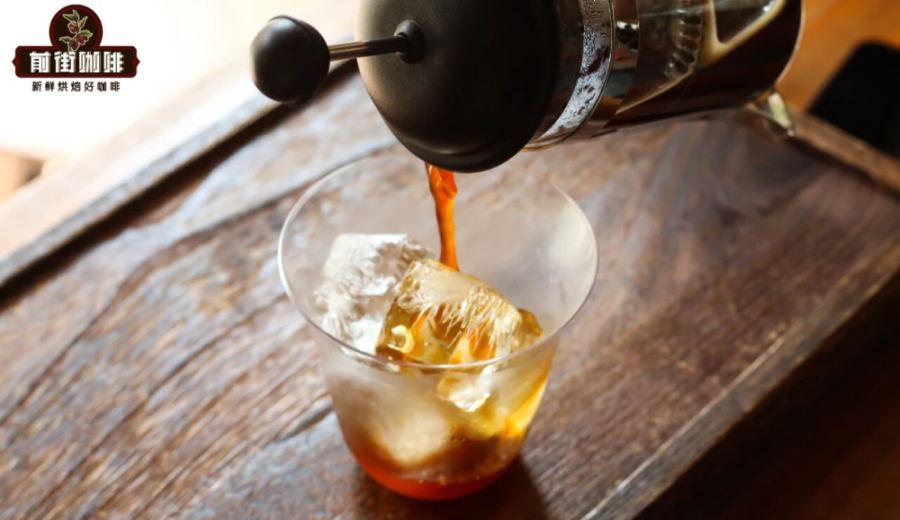
Introduction:The French press is a popular choice for many coffee beginners due to its simplicity and ability to brew richly flavored coffee. However, to achieve a clean and well-layered cup, it's essential to master key factors such as grind size, water temperature, and coffee-to-water ratio. This article delves into the brewing principles of the French press and uses Ethiopian Huaguang Natural beans as an example to guide you step-by-step—from preheating and pouring to pressing—for hands-on practice, helping you easily improve your French press brewing skills.
Thanks to its intuitive operation and affordable price, the French press has become an entry-level tool for many coffee enthusiasts exploring specialty coffee. Yet, this seemingly straightforward immersion brewing method—just "steep and press"—actually involves many nuanced details that affect flavor, such as grind coarseness, water temperature control, and coffee-to-water ratio, all of which directly influence the final taste. This article will introduce the historical background and brewing principles of the French press, explain how to set the right parameters to brew clean and well-balanced coffee, and finally demonstrate the complete process from preparation to pressing using a batch of Ethiopian Huaguang Natural beans.

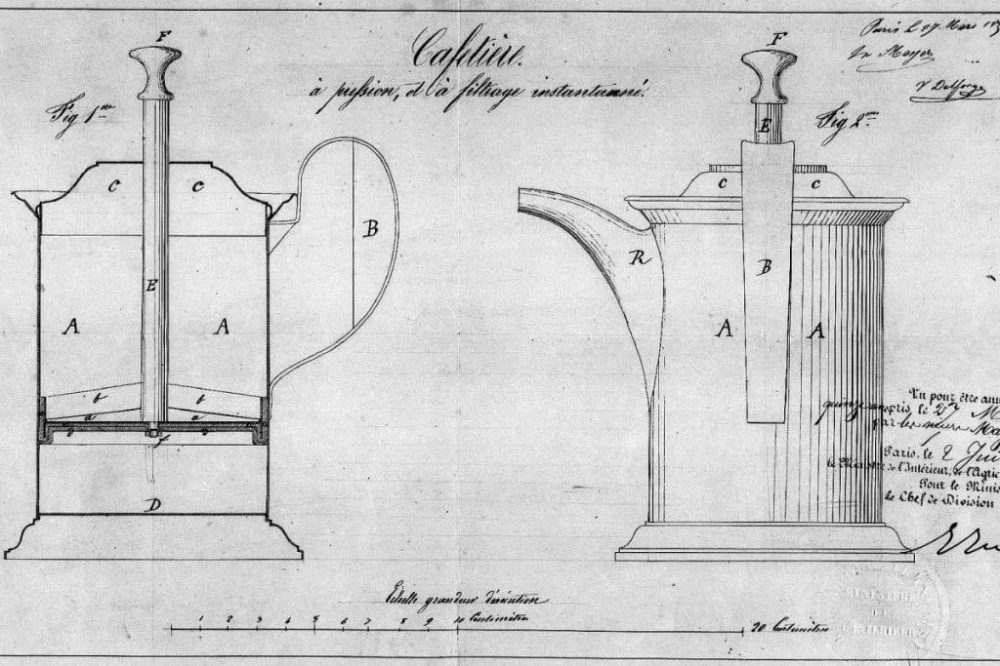
When it comes to the origins of the French press, it’s hard to confirm the very first inventor, but the patent that most closely resembles the modern French press was filed by Attilio Callimani from Milan, Italy. Interestingly, although it's called the "French press," the patent holder was Italian. One theory suggests that the prototype of the French press was originally designed by a Frenchman who added a filtration device to a coffee pot, successfully trapping coffee grounds and producing clearer coffee. This improved pot became popular in France around the 19th century before spreading to other countries. Callimani later saw the device in Italy, made slight modifications, and successfully secured the patent. In fact, this was just one of his eight patents related to beverage preparation.
Most French presses on the market today have borosilicate glass bodies, which are not only sturdy and durable but also relatively affordable. Combined with their low learning curve, they are a very user-friendly option for those new to specialty coffee.
So, what exactly is the brewing principle of the French press? And what key points should you pay attention to when using it?
The core brewing logic of the French press is to fully submerge coffee grounds in hot water and use a metal filter plunger to separate the coffee liquid from the grounds—this is a classic immersion brewing method. This approach can fully release the body and richness of the coffee, enhancing its fullness and oily texture while maintaining clear flavor profiles, often resulting in cleaner-tasting coffee.
Although the steps are simple, there are still many details to be mindful of. Since the French press relies mainly on immersion, it’s recommended to use a coarser grind than for pour over. If the grind is too fine or has too much fine powder, the metal filter may not effectively trap the coffee grounds, leading to noticeable "sludge" in the cup and significantly affecting the overall experience.
Additionally, similar to brewing tea, it’s advisable to preheat the glass pot with hot water before using the French press to prevent the water temperature from dropping rapidly after pouring. For the coffee-to-water ratio, a common range is 1:13 to 1:15, which can be adjusted according to personal taste. Water temperature should be chosen based on the roast level of the beans: for medium-light to medium roasts, it’s recommended to use water at 90°C to 93°C to highlight the aromatic compounds and bright acidity of light roasts; for medium-dark roasts, 86°C to 88°C is suitable, as dark roasts absorb water more efficiently and dissolve flavors quickly—too high a temperature can lead to bitterness or burnt notes.
Next, we’ll use a batch of Ethiopian Huaguang Natural beans as an example to illustrate the actual brewing process. First, let’s go over the basic information about these beans:
Origin: West Arsi Guji Hambela Region, Ethiopia
Elevation: 2050 meters – 2300 meters
Variety: Local landrace
Processing Method: Natural (sun-dried) process
These Huaguang coffee beans come from the Hambela sub-region under the Guji zone of West Arsi. Guji is a renowned high-altitude coffee-growing area in Ethiopia and a frequent winner in various coffee competitions. The Hambela sub-region sits at an exceptionally high elevation, separated from Kochere in Yirgacheffe by just one mountain range.
In 2017, Ethiopian DW Company submitted these sun-dried beans from the Buku Abel washing station in Hambela to the East African Coffee Competition, where they won the TOH Ethiopia Natural Division championship. Later, they were introduced to China by Beijing-based green bean importer Hongshun and named "Huaguang" (meaning “the queen of flowers”), symbolizing the finest among blooms.
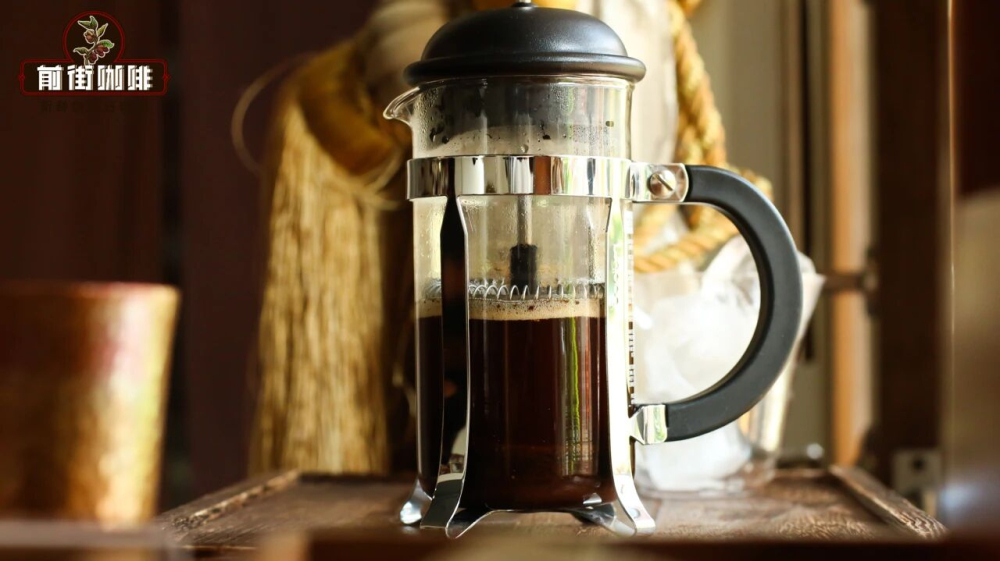
Here are the reference brewing parameters for using a French press to brew these Huaguang beans:
Water temperature: 91°C
Coffee dosage: 15 grams
Coffee-to-water ratio: 1:15
Grind size: 75% passing through a standard Chinese No. 20 sieve
The specific steps are as follows: Preheat the French press with warm water, discard the water, then add 15 grams of ground coffee. Pour in 225 grams of 91°C hot water. When pouring, use a slightly larger motion to agitate the coffee grounds and enhance extraction efficiency—you can also gently stir with a spoon. After pouring, gently lift the metal filter and cover with the lid, then let it steep for 4 minutes. Once the time is up, slowly and evenly press the plunger down to about a quarter of the way down the pot, then pour out the coffee and enjoy.
Following the above parameters and steps, the Huaguang coffee brewed with the French press offers a pronounced aroma of mixed berries, a rich juiciness, and a silky, creamy mouthfeel. The overall profile is bold and well-layered.
The above content is compiled by CoffeeHunters, a coffee news website.


