








Introduction:Hacienda Esmeralda in Panama is the birthplace of Geisha coffee. Its three grades—Red Label, Green Label, and Blue Label—not only represent different flavor profiles but also reflect a rigorous regional classification and auction system. This article delves into the unique characteristics of the three main farms within Hacienda Esmeralda, the selection criteria and cupping profiles of each Geisha grade, and offers practical pour over recommendations along with flavor profiles to help coffee enthusiasts fully understand this legendary variety from origin to brewing.
When it comes to Geisha coffee, Hacienda Esmeralda in Panama is an unavoidable name. Located in the Boquete region, this farm is not only the discovery site of the Geisha variety but has also propelled it to the pinnacle of global specialty coffee through its strict grading and independent auction mechanisms. Hacienda Esmeralda categorizes Geisha into three main grades: Red Label, Green Label, and Blue Label. Each grade has its unique regional origin, processing method, and market positioning.
The history of Hacienda Esmeralda dates back to 1964, when American banker Rudolph Peterson purchased this land in the Boquete region of Panama, initially using it mainly for dairy farming. It wasn’t until 1987 that his son, Price, abandoned his medical career to help his father transition to coffee cultivation. In 1994, they established a wet processing mill, and in 1996, they incorporated the Jaramillo farm. It was this acquisition that led to the discovery of the Geisha coffee tree—originally used as a windbreak but emitting a unique citrus and fruity floral aroma—that would later stun the coffee world.
In 2004, this coffee won first place in the Best of Panama (BOP) competition and was later identified as the Geisha variety from Ethiopia. Since then, Hacienda Esmeralda has invested heavily in creating a refined regional management and batch separation system, gradually forming the now-famous Red Label, Green Label, and Blue Label grading system, and solidifying its leading position in the global specialty coffee market.
The core production area of Hacienda Esmeralda is located in Boquete, Panama, known for its high altitude and diverse microclimates, and home to many renowned farms. Within Boquete, Hacienda Esmeralda is subdivided into three main farms: Jaramillo, Canas Verdes, and El Velo. Each farm is further divided into multiple small plots, among which Jaramillo and Canas Verdes are the most renowned.
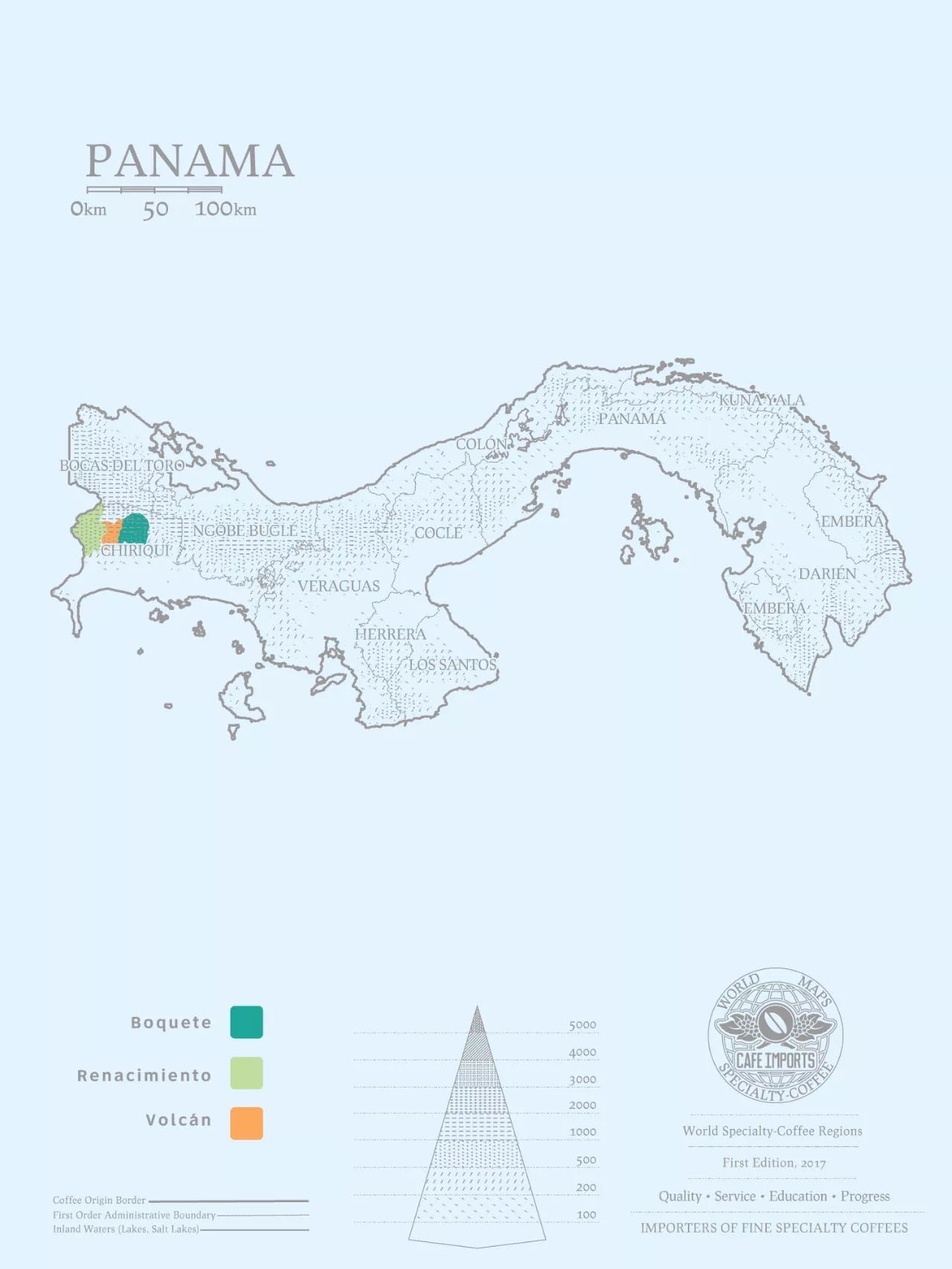
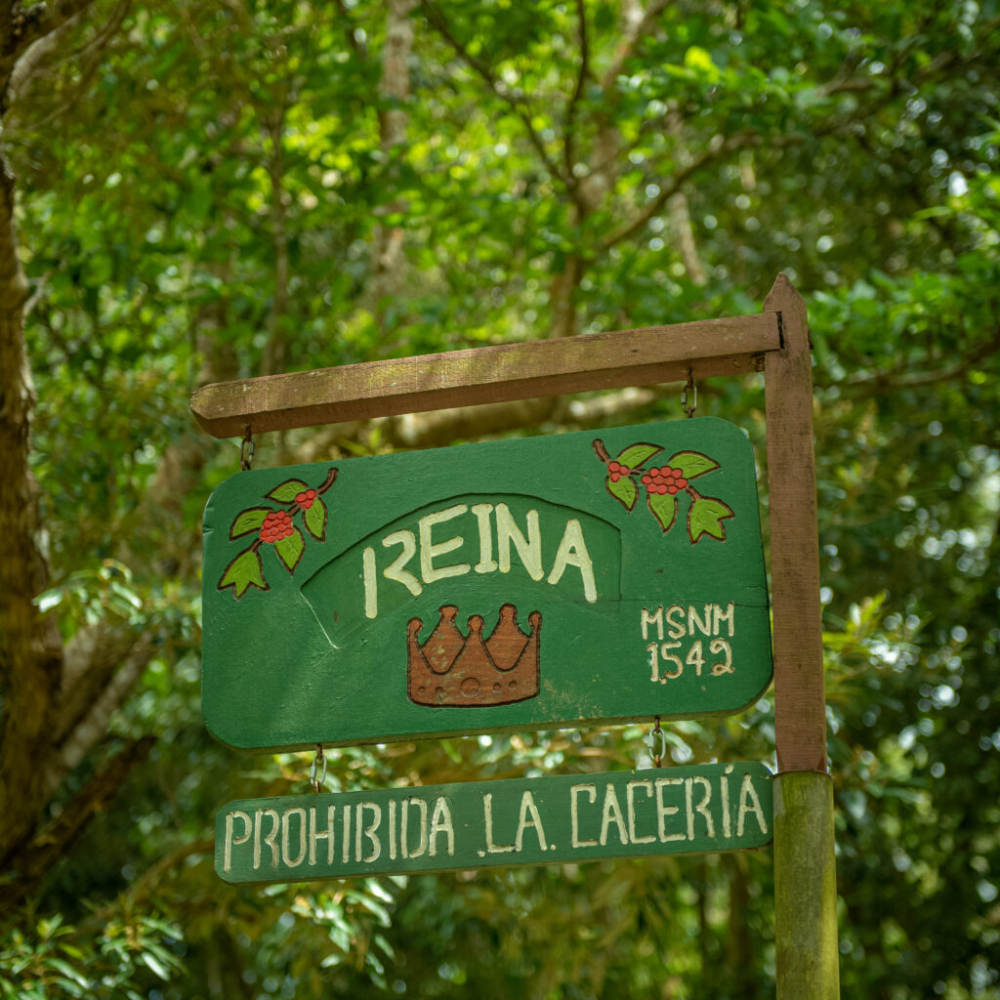
The Jaramillo plot sits at an altitude of 1600–1700 meters, with an average annual temperature of about 19–25°C (daytime) and 11–15°C (nighttime), and an annual rainfall of up to 4000 mm. It is further divided into five small plots: Mario, Noria, Reina, Bosque, and Buenos Aires, and is the main source of Red Label Geisha. The Canas Verdes plot, at an altitude of 1600–1800 meters and with an annual rainfall of about 3500 mm, has similar day-night temperature differences and includes nine small plots such as Lino, Coronado, and Fundador, also being an important production area for high-quality Geisha.
The relatively newer El Velo farm has an even higher average altitude of 1700–1900 meters. In addition to growing Geisha and Catuai, it also experimentally cultivates rare varieties such as Laurina and Pacamara, and is divided into seven small plots including Guabo, Portón, and Durazno, offering potential for future flavor innovation.
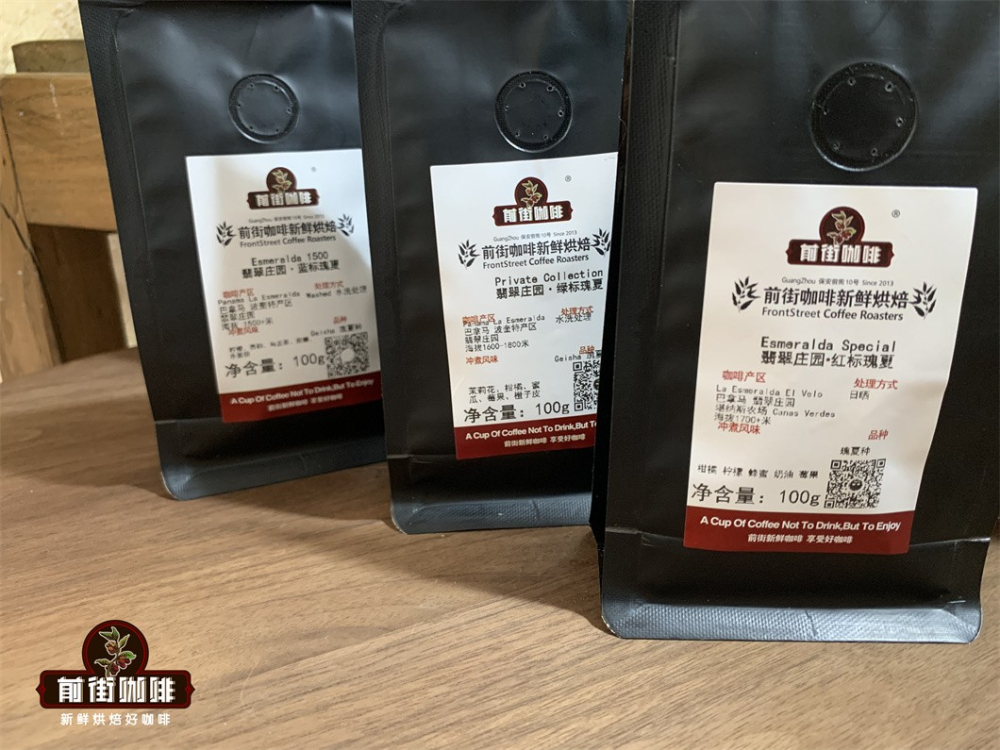
Hacienda Esmeralda’s Geisha grading system is extremely clear, primarily consisting of five brands, three of which are Geisha varieties: Hacienda Esmeralda Special (Red Label), Private Collection (Green Label), and Geisha 1500 (Blue Label). The Red Label Geisha is divided into auction and non-auction categories. Auction batches are exclusively available through official auctions and must come from the three farms—Jaramillo, Canas Verdes, or El Velo—at altitudes of 1600–1800 meters, with cupping scores of 90 or above. For auction participation, visit https://auction.haciendaesmeralda.com/lots/auction/esmeralda-special-auction-2018---hacienda-la-esmeralda. This grade of Geisha is typically processed via natural or washed methods, with flavors characterized by intense floral notes, citrus tones, and honey sweetness.
The Green Label Geisha, also known as the Private Collection series, does not participate in auctions but is also selected from high-altitude micro-lots. Its altitude range is similar to that of the Red Label, though it consists of blends from multiple plots, resulting in consistent quality but slight batch-to-batch flavor variations. Common processing methods for the Green Label include washed or natural, with flavor profiles encompassing jasmine, citrus, berries, and melon. It offers good value for money and is suitable for consumers who love Geisha but have budget constraints.
The Blue Label Geisha, also called Geisha 1500, uses a blend of beans grown at altitudes of 1400–1500 meters. While it still retains the basic characteristics of Geisha, its flavors are lighter, dominated by subtle floral notes, fruit acidity, and soft sweetness. Processing methods include washed and natural (natural being a small-batch experiment after the end of 2019). Overall, its profile is not as bold as the Red or Green Labels, but it remains a high-quality choice for those new to Geisha.
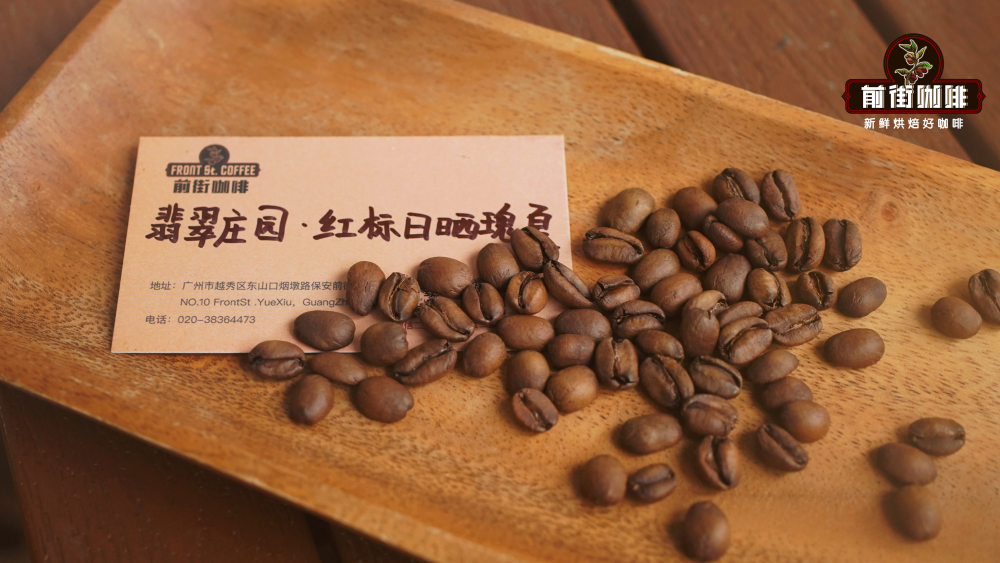
In terms of processing methods, Hacienda Esmeralda primarily employs two traditional techniques: washed and natural. Washed processing emphasizes clean and bright flavors, with steps including float removal, pulp and mucilage fermentation, multiple water washes, and controlled-temperature drying. This process consumes a significant amount of water and demands high environmental standards. Natural processing involves drying the coffee cherries in the sun for an extended period, usually 27–30 days, resulting in richer fermented aromas and fruit sweetness. However, it requires strict control of drying uniformity to avoid mold.
For actual brewing, it is recommended to use a Hario V60 filter, with water temperature controlled at 90°C, a coffee dose of 15 grams, a brew ratio of 1:15, and a medium-fine grind size. Use a step extraction method: start with a 30-second bloom using 30 grams of water, then pour in water up to 125 grams for the first pour. When the water level drops, continue pouring to 225 grams. Once it drops again, remove the filter. The total brew time is about 2 minutes, which fully highlights the delicate layers and aromas of Geisha.
In terms of flavor, the Red Label Geisha features bright rose floral and citrus notes in the forefront, with berry, apricot, and honey in the mid-palate, and a juicy, layered finish. The Green Label leads with jasmine floral notes, paired with citrus, cream, and green tea sensations, offering a full-bodied mouthfeel and long-lasting aftertaste. The Blue Label has a more refreshing profile, with gentle acidity of lemon and grapefruit upon entry, transitioning to oolong tea and cane sugar sweetness as it cools. The overall presentation is clean and bright, making it suitable for everyday drinking.

The above content is compiled by CoffeeHunters, a coffee news website.


