








Introduction:Indonesian coffee is renowned for its bold and full-bodied flavor profile. From the Mandheling of Sumatra to the honey-processed varieties of West Java, and the Toraja of Sulawesi, each offers a distinctive character. This article delves into the geographic features and classic processing methods of Indonesia’s three major coffee regions, explores the historical background of Mandheling and the intricacies of the wet-hulling process, and provides practical brewing parameters to help you find the Indonesian specialty coffee beans that suit your taste.
When people think of Indonesia, they often picture blue seas and sunny beaches—a vacation paradise. But for coffee enthusiasts, Indonesia is also a key representative of Asian coffee. From the rich and bold Mandheling, to the honey-like sweetness and fruity notes of West Java, to the rare Toraja of Sulawesi, this archipelagic nation cultivates a diverse and captivating range of coffee flavors. This piece will take you deep into the characteristics of Indonesia’s three main coffee regions, the interesting origins of the Mandheling name, as well as the unique wet-hulling and honey-processing techniques used locally. We’ve also selected several highly-rated Indonesian coffee beans on the market, along with useful brewing advice and parameters, to help you easily get your hands on outstanding Indonesian coffee.

If you enjoy the bright acidity of Yirgacheffe or seek the sweet-acid balance of Costa Rican coffee, then you might prefer the bold, heavy-bodied flavors with herbal and dark chocolate notes that Indonesian coffee offers. Typical flavor profiles of Indonesian coffee include the freshness of herbs, the depth of dark chocolate, and a subtle woody finish—qualities particularly favored by those who love strong, robust flavors. The main premium coffee-growing regions in Indonesia are concentrated on three islands: Sumatra, Java, and Sulawesi. Each island produces its own signature beans: Sumatra is famous for Mandheling, which has low acidity but rich aroma; Java produces balanced and layered Arabica coffee; while Sulawesi is known for its full-bodied beans and intense aromas.
Many consumers often ask when buying Indonesian coffee: “Which brand of Indonesian coffee is good?” In fact, Indonesia’s coffee industry has experienced many ups and downs. As early as the mid-17th century, the Dutch introduced coffee trees to Indonesia, and the first Java coffee was exported to Europe in 1712. However, the coffee leaf rust disease in 1877 severely damaged local plantations, leading to the replacement of many Arabica plants with Robusta. To this day, Arabica coffee accounts for only about 6% to 10% of Indonesia’s total production, making it one of the world’s leading producers of Robusta, with an annual output of up to 6.8 million bags—nine-tenths of which come from smallholder farms. If you’re looking to enjoy high-quality Indonesian Arabica coffee, it’s recommended to choose specialty beans from well-known regions and processing facilities.
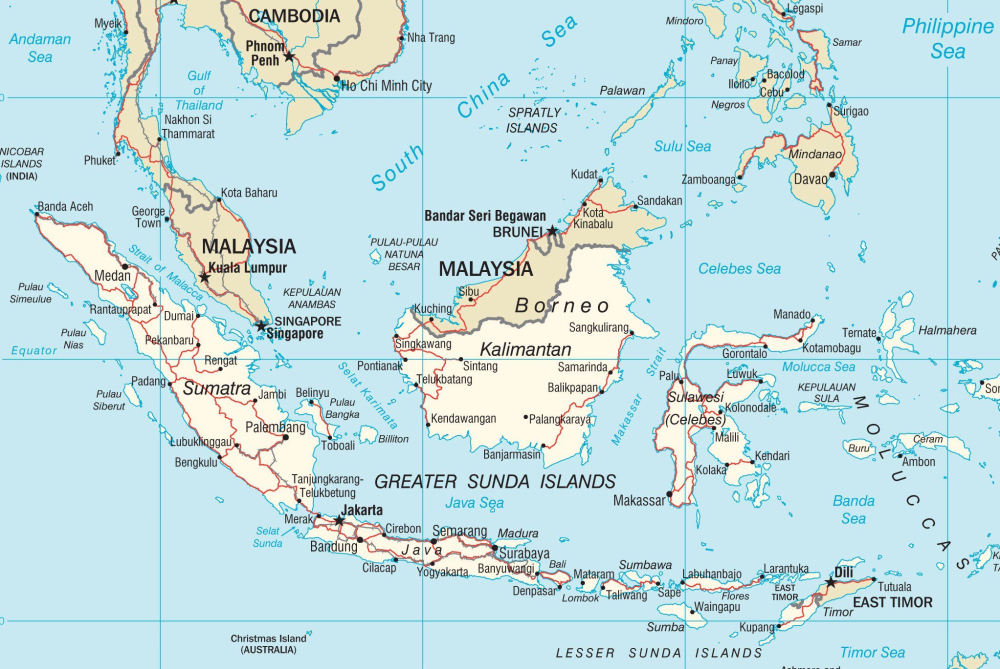
As the representative coffee region of Indonesia, Sumatra’s coffee history dates back to 1696. At that time, Dutch plantation owners sought to expand their growing areas and chose Java, before later discovering the potential of Sumatra. Today, Sumatra’s Mandheling has become synonymous with Indonesian coffee. The name "Mandheling" actually originates from a tribal name and was first popularized by Japanese soldiers who brought it back from Indonesia. Back then, what they referred to as “Mandheling” was merely a location name casually mentioned by locals when asked about quality coffee. Interestingly, the person who provided the coffee was none other than the head of Indonesia’s PWN company. Today, the Golden Mandheling produced by PWN is considered the orthodox standard, and only beans exported by this company can bear the name.
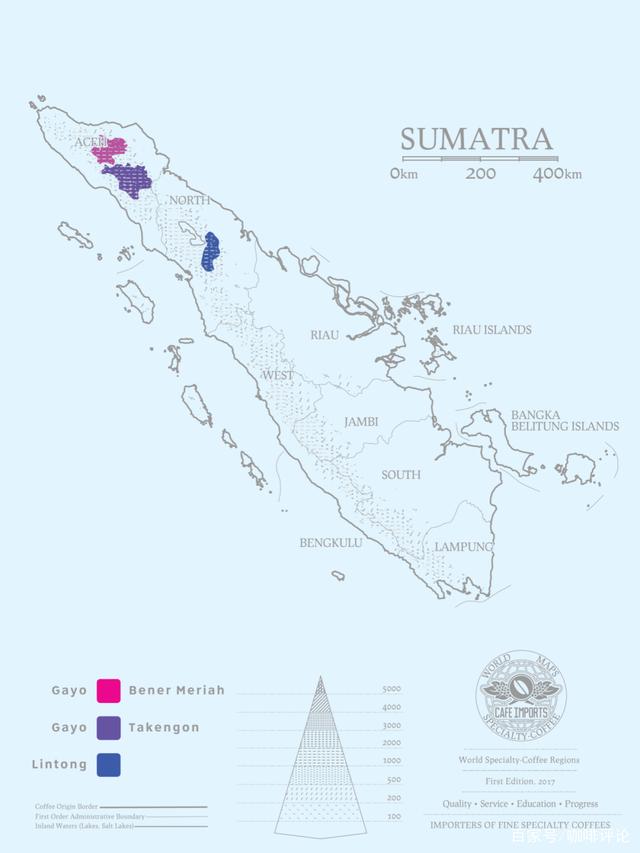
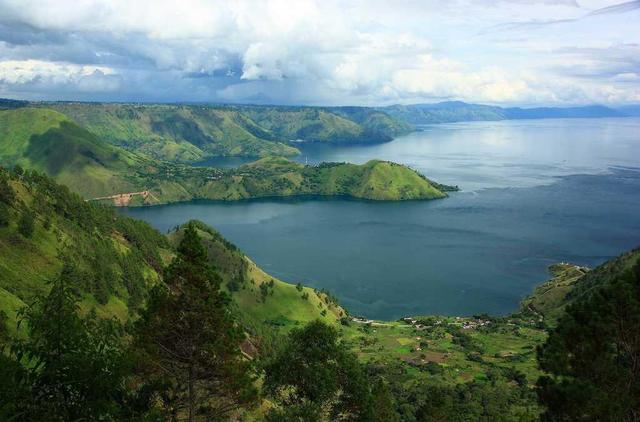
Sumatra’s Mandheling is mainly produced around Lake Toba, especially in the mountainous areas near the lake in North Sumatra. The region sits at an average elevation of about 900 meters, with cool and foggy weather—ideal conditions for coffee cultivation. Most commercially available Mandheling beans come from the Timor or Ateng varieties grown near Lake Toba. These varieties are actually mutations of Catimor, a hybrid descendant of Arabica and Robusta. A well-known coffee brand’s PWN Golden Mandheling is made from the Ateng variety grown at altitudes between 1,100 and 1,600 meters on Gayo Mountain in Aceh, Sumatra. It is classified as G1 grade, hand-sorted three times, and processed using the wet-hulling method. This process was developed to suit Sumatra’s rainy climate: after removing the skin and pulp and undergoing short fermentation, the beans are partially dried, then the mucilage and parchment layers are removed to achieve the ideal moisture content. This results in Mandheling’s signature bold, deep, and low-toned aroma.
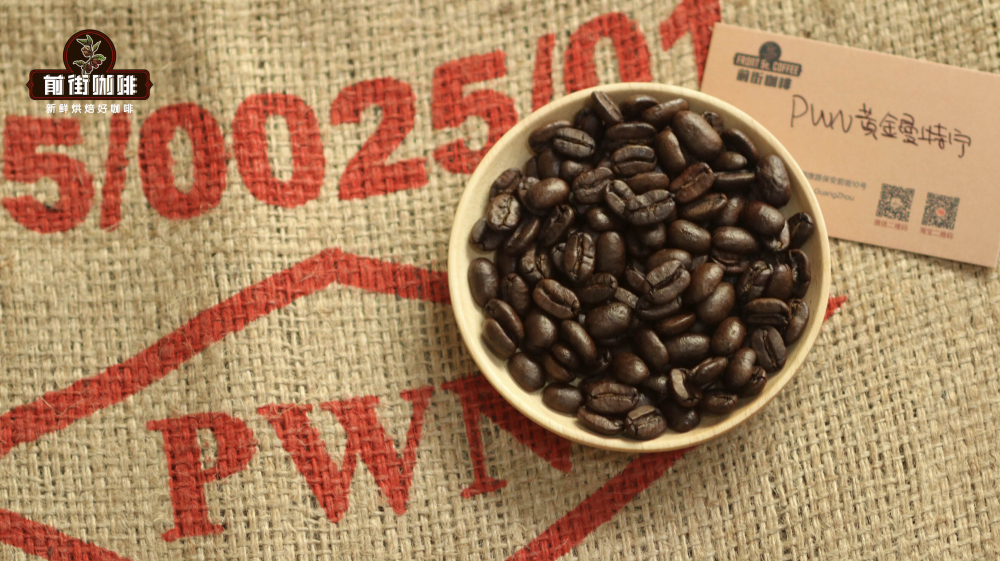
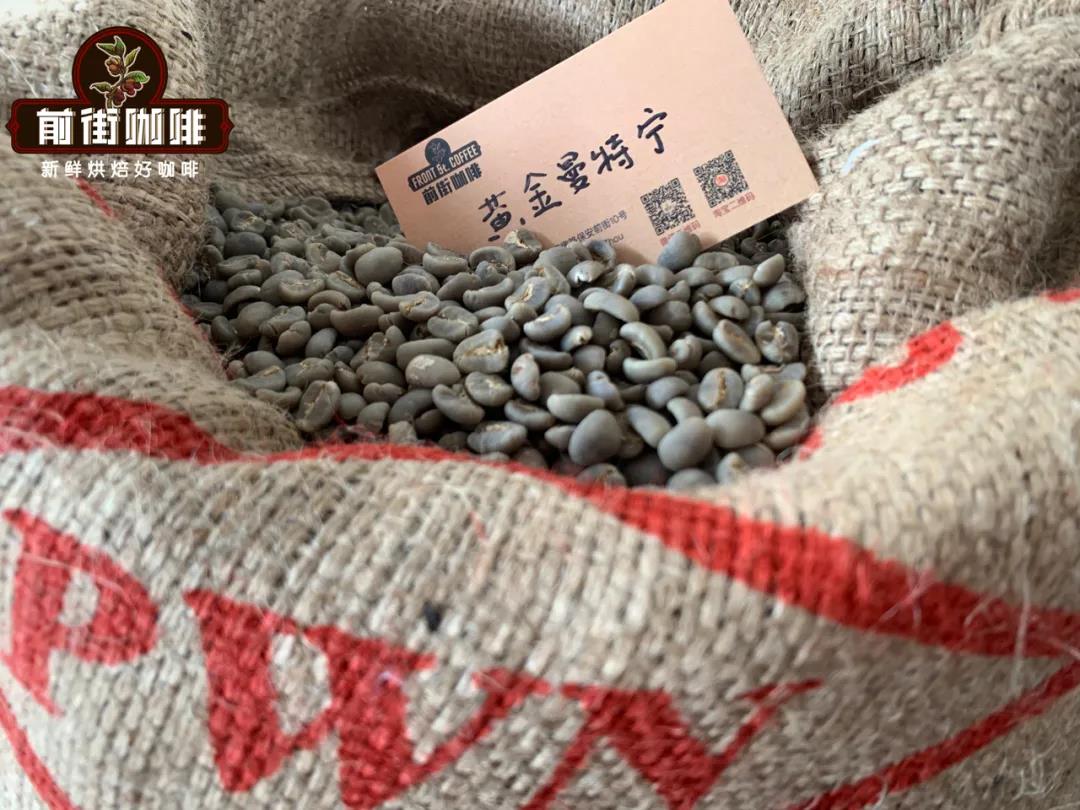
As for the question “What is the real PWN Golden Mandheling?”, it’s closely related to the origin, grade, and packaging details. Authentic PWN Golden Mandheling comes from Indonesia’s PWN company—the first to export this grade of Mandheling to Japan. A well-known coffee brand has long sourced PWN Golden Mandheling, which features distinct cane sugar aroma and a strong aftertaste. Due to limited production, many products on the market that claim to be “Golden Mandheling” are not genuinely from PWN. When purchasing, consumers can request the supplier to provide PWN green coffee sacks or accompanying certification documents to verify authenticity. In addition, PWN Golden Mandheling has strict raw bean specifications: beans must be over eighteen mesh, with no more than three defects per 300-gram sample, and must be of the highest G1 grade. They appear dark green with flat bean shapes, have undergone multiple screenings to remove impurities, and offer a clean, bright taste with prominent sweetness.
The so-called “wet-hulling method” is the most iconic processing technique of Sumatran coffee. This method was developed to adapt to the rainy and humid environment, as well as economic constraints that prevented the use of costly washed processing. Wet-hulling is divided into two stages: first, the skin and part of the pulp are removed, followed by about three hours of fermentation and initial drying to reduce the moisture content to 30–50%; then the mucilage and parchment layers are removed, and the beans are further sun-dried until the moisture level reaches about 12–13%. This unique process gives Mandheling its bold, deep, and layered flavor characteristics—one of the key factors that make it stand out in the international market.
Turning to the West Java region, this is one of the earliest areas in Indonesia to engage in coffee cultivation. It enjoys a tropical rainforest climate with significant day-night temperature variations, and due to frequent volcanic activity, the soil is fertile and nutrient-rich. The Ayamanee coffee produced in the Tigulara Mountains of West Java uses the S795 variety—a high-quality Arabica cultivar developed through multiple generations of hybridization, originally introduced from India and taking root in Java. This coffee is processed using honey methods with sun drying, preserving a rich mucilage layer that allows the coffee to accumulate more sweetness and aroma during drying. Although honey processing is not common in Indonesia, West Java’s Ayamanee showcases complex and enticing flavors such as intense fruitiness and tropical notes like mango and jackfruit, along with a subtle wine-like finish.
Finally, we come to Sulawesi Island, formerly known as Celebes, one of Indonesia’s oldest islands. Its coffee-growing regions are mainly located in the mountainous central and southern areas, with Toraja as the representative. Toraja coffee has an extremely limited annual production of only about 1,000 metric tons. It is grown at elevations of around 1,200 meters on rugged terrain, yielding only about 300 kilograms per hectare. This region employs a semi-washed processing method, where coffee cherries are briefly soaked and fermented before being dried with the parchment layer intact, until the moisture content reaches 11–13%. This method preserves the coffee’s clean taste and gentle acidity, while imparting caramel sweetness and subtle floral notes—hallmarks of Sulawesi coffee’s unique charm.
In summary, Indonesian coffee holds a distinctive place in the global specialty coffee market thanks to its diverse regional characteristics and unique processing methods. From the bold richness of Sumatra’s Mandheling, to the honeyed fruitiness of West Java’s Ayamanee, to the clean caramel finish of Sulawesi’s Toraja, each coffee tells its own unique flavor story. For brewing, it’s recommended to use a medium-fine grind, with water temperature around 88°C, and through proper blooming and pulse pouring, to bring out the best flavor expression of the coffee. Whether you prefer pour over or blends, Indonesian coffee can add a new layer of depth and complexity to your coffee experience.
The above content is compiled by CoffeeHunters, a coffee news website.


