







Introduction:Choosing the right coffee beans is the crucial first step to enjoying a great pour over experience. This article will take you on an in-depth exploration of the two key elements that shape flavor—origin and roast level—breaking down the differences between single-origin and blended beans, as well as light, medium, and dark roasts. We’ve also handpicked ten premium coffee beans from renowned regions such as Blue Mountain, Mandheling, Geisha, and Yirgacheffe. Each comes with detailed information about origin, altitude, bean variety, processing method, and a full flavor profile to help you find your perfect match.
Pour over coffee has gained immense popularity in recent years, not only for its ease of brewing but also for its ability to showcase the intricate and nuanced flavors of coffee beans. However, with so many varieties available on the market, choosing the right beans for pour over can be a challenge, especially for beginners. This article focuses on two core factors—origin and roast level—to help you build a clear framework for selecting beans, and recommends ten distinct premium beans from top coffee-growing regions around the world. Each one is accompanied by detailed origin information and flavor characteristics, making it easy for you to find your favorite.
To truly enjoy pour over coffee, the first priority is choosing the right beans. The charm of pour over lies in its ability to highlight the unique character of the coffee itself, so it’s best to start with “single-origin” beans—that is, beans sourced from a single location. Compared to blends that mix beans from multiple regions, single-origin beans better reflect the terroir and distinctive personality of their place of origin, making them a great entry point for exploring the world of coffee.
Another key factor is roast level. Roasting not only affects the color and aroma of coffee, but also directly determines its flavor direction. Generally speaking,Light roastbeans often feature pronounced floral and fruity notes, with bright and lively acidity. They’re ideal for those who want to experience the original characteristics of the coffee’s origin. Beans from regions like Yirgacheffe and Costa Rica are excellent candidates for light roasting.Medium roastoffers a rounder mouthfeel and moderate sweetness, with softer acidity and a hint of smoky notes. Colombian Huila beans are a good example of this style.Dark roast, on the other hand, emphasizes rich caramel, chocolate, and woody aromas, with a balance of bitterness and sweetness—perfect for those who prefer a bold, full-bodied cup. Indonesian Mandheling beans fall into this category.
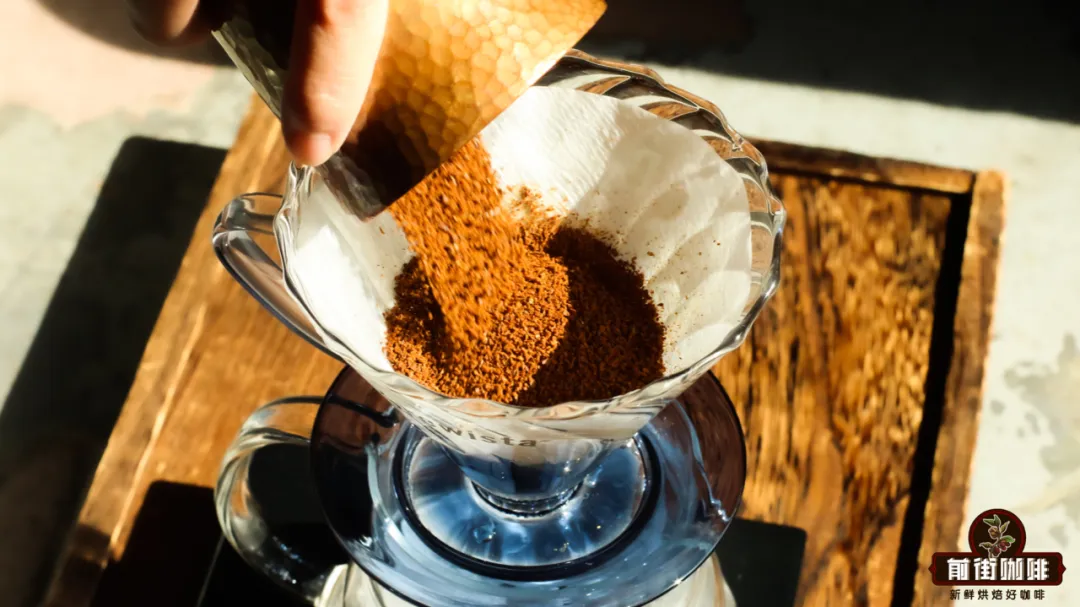
During the actual pour over process, the coffee-to-water ratio also greatly impacts the final flavor. It’s generally recommended to use a 1:15 brew ratio, meaning 1 gram of coffee to 15 milliliters of water. Of course, this ratio can be adjusted based on personal taste. For a stronger cup, you can go down to 1:14, or for a lighter, more refreshing taste, increase it to 1:16. Flexible adjustments will help you brew the coffee that suits you best.
Below are ten premium pour over coffee beans with diverse flavors and origins for you to explore and try:
Jamaica Blue Mountain Washed Coffee Beans
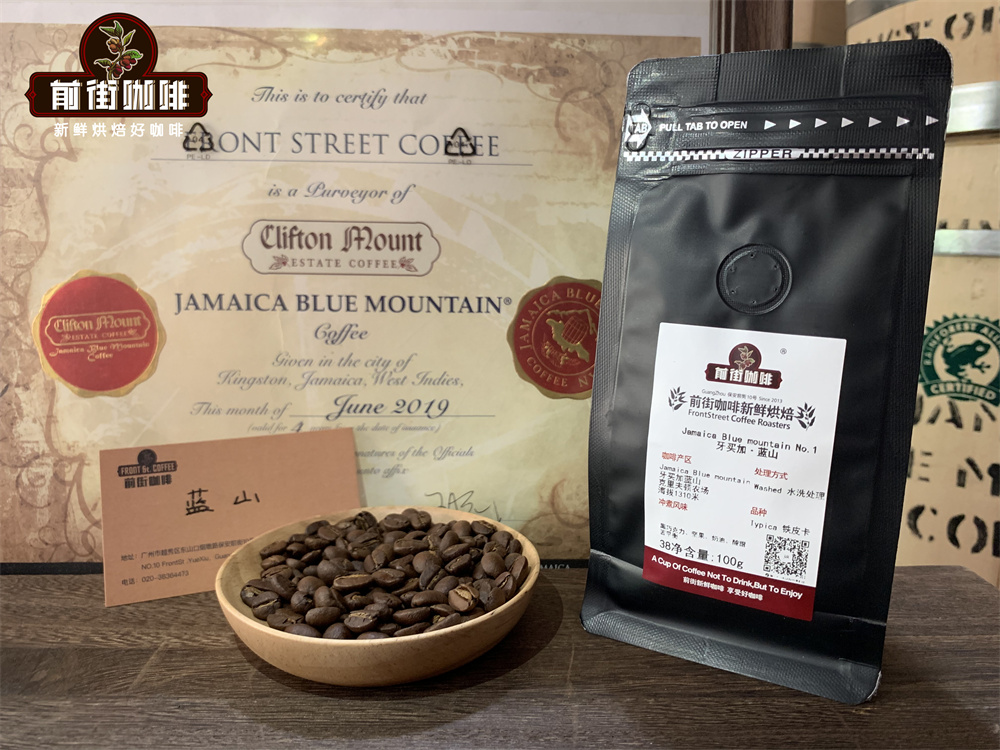
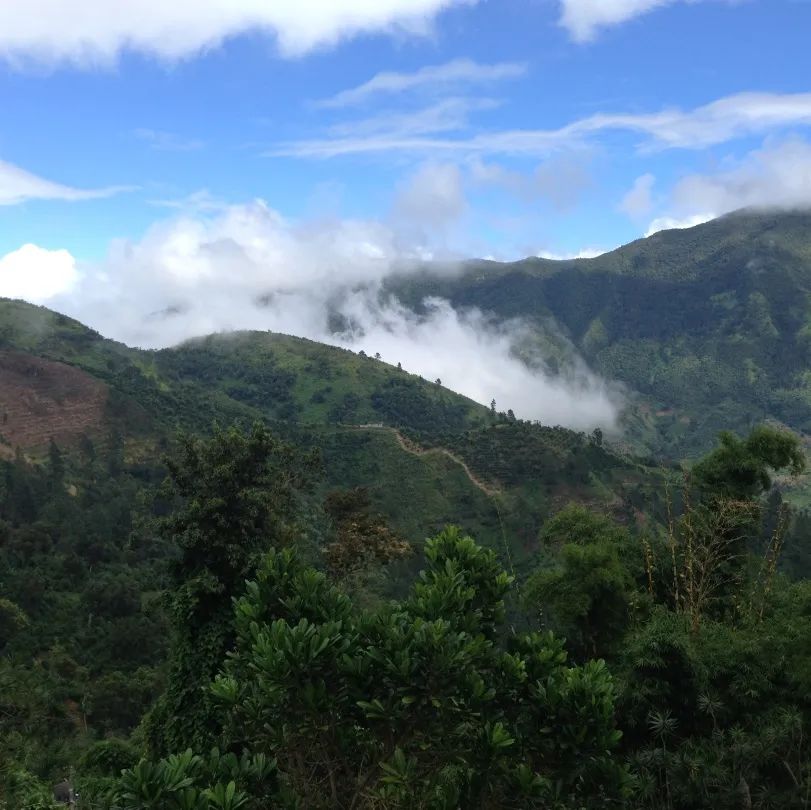
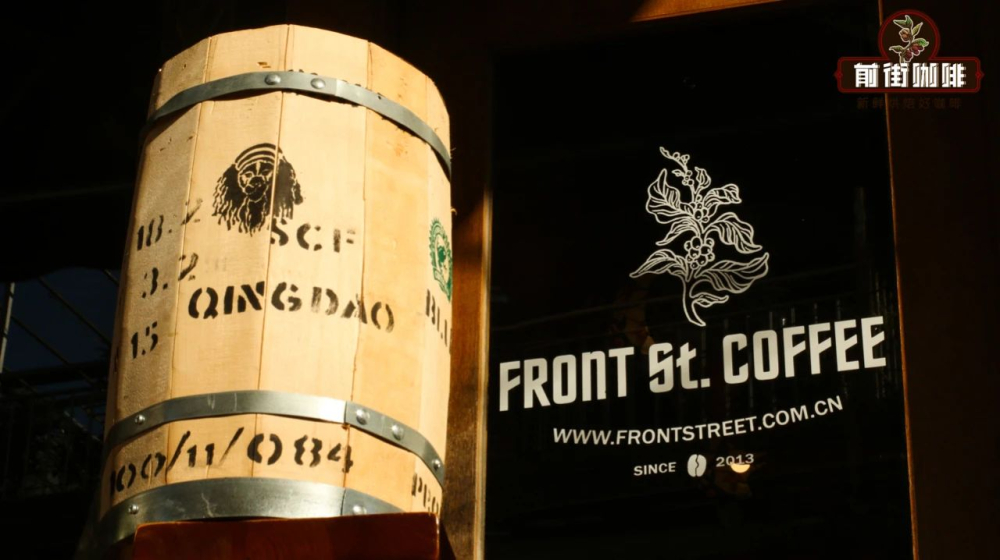
Sourced from the Blue Mountain region of Jamaica, grown at an altitude of approximately 1310 meters, this coffee is made from the traditional Typica variety. Processed using the washed method, it offers a balanced flavor profile with notes of dark chocolate, nuts, and cream, featuring a well-rounded harmony of acidity, sweetness, and bitterness. Notably, the Blue Mountain region spans only about 6000 hectares, making genuine beans from this area rare and expensive. These beans come from one of the largest estates in Blue Mountain—Clifton Estate—which holds Rainforest Alliance certification, representing both quality and sustainability.
To identify authentic Blue Mountain coffee, check for three key indicators: whether it is exported under the authorization of the Jamaica Coffee Industry Board, whether it is shipped in wooden barrels, and whether the barrel lid features the Rainforest Alliance frog certification mark.
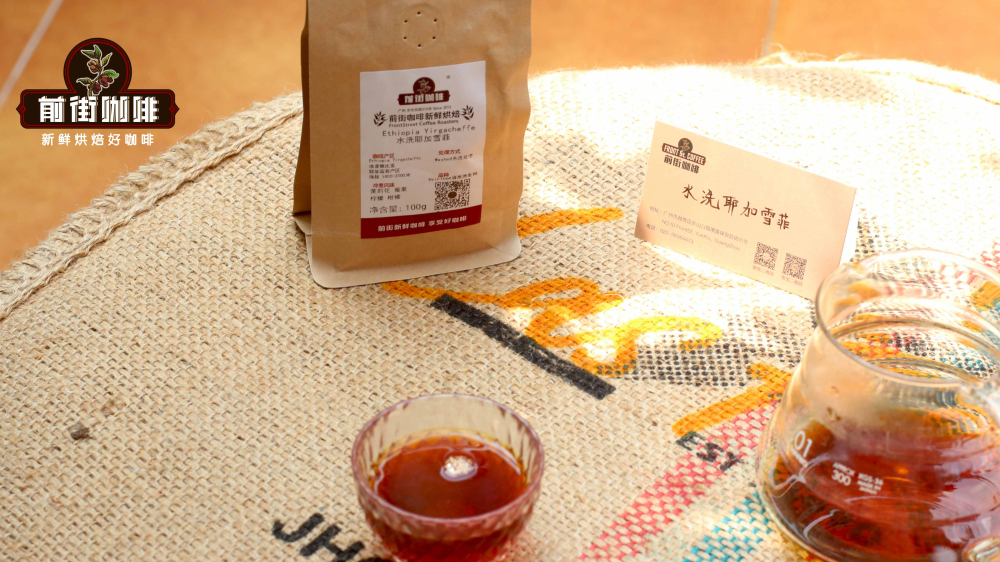
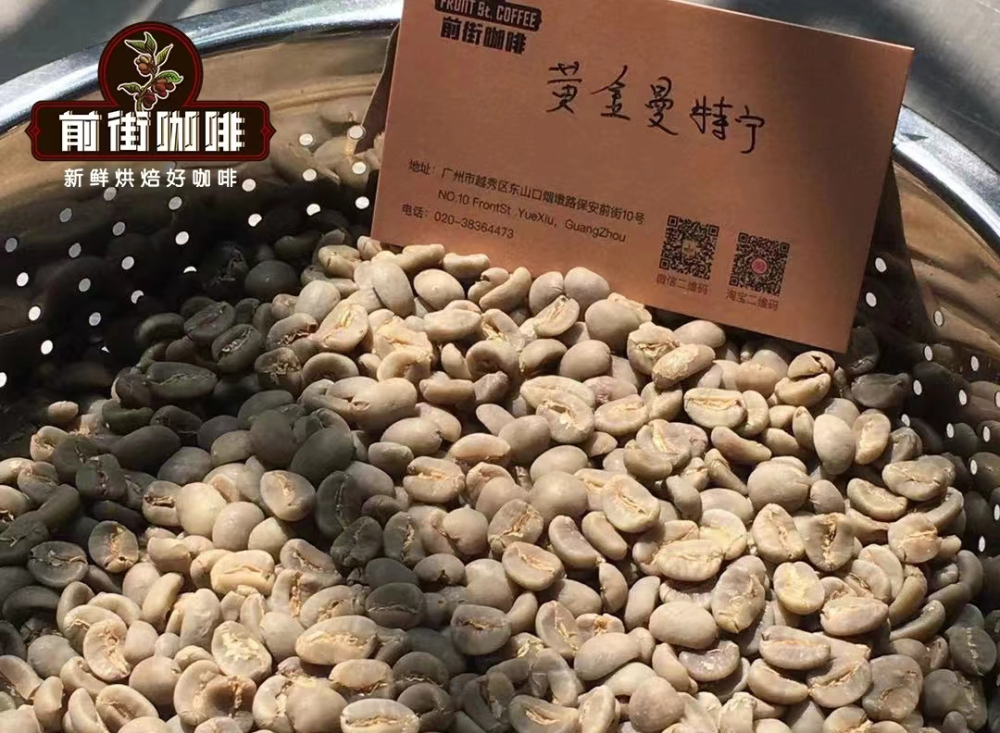
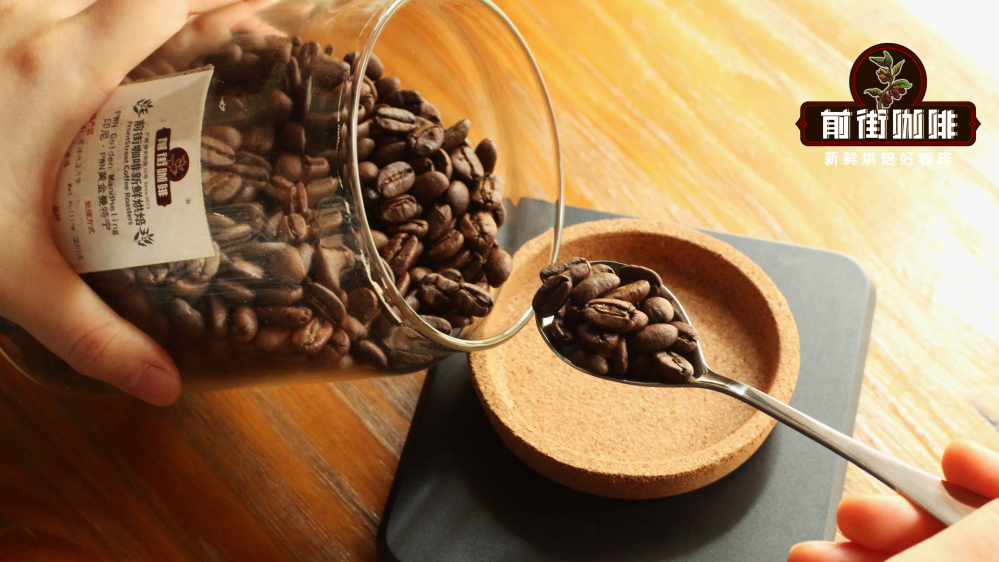
Indonesia PWN Golden Mandheling Coffee Beans
These beans come from the Gayo Mountains in Aceh, Sumatra, Indonesia, grown at elevations between 1100 and 1600 meters, using the Ateng variety and processed via the wet-hulled (Giling Basah) method. This coffee has a bold flavor with layers of toasted bread, nuts, pine, and caramel, and a herbal note in the aftertaste. Sourced from PWN, these beans are a high-standard representation of Golden Mandheling, having undergone four rounds of manual selection with minimal defects, resulting in a clean and vibrant flavor. Although many products on the market claim to be “Golden Mandheling,” those truly from PWN and meeting strict standards are rare.
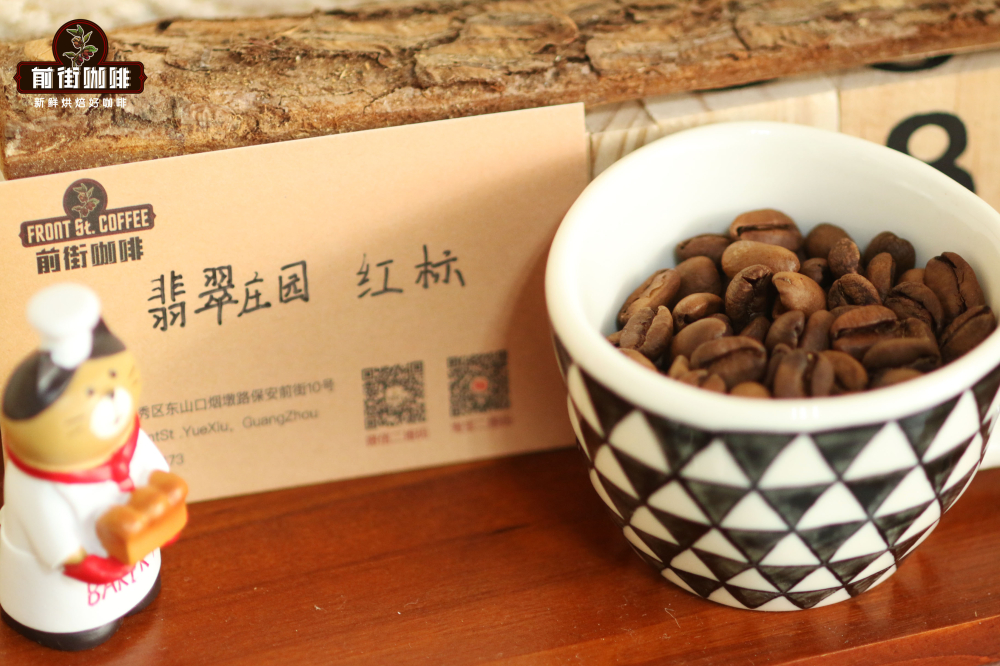
Panama Emerald Estate Red Label Geisha Coffee Beans
Produced at the Emerald Estate in the Boquete region of Panama, grown at an impressive altitude of 1700 meters, this coffee is made from the unique Geisha variety. Processed using the natural (sun-dried) method, it delivers intense floral and fruity notes, including rose, honeysuckle, grapefruit, lemon, and black tea, with a prominent sweetness. The Red Label Geisha is the highest grade from Emerald Estate, selected only from the highest-altitude blocks and lots scoring 90 or above in auctions. Though pricey, the quality is undoubtedly top-tier.
Ethiopia Washed Guji Dingding Coffee Beans
Originating from the Yirgacheffe region of Ethiopia, grown at altitudes between 1900 and 2300 meters, these beans are from local heirloom varieties and processed using the washed method. This coffee offers a bright and refreshing flavor with distinct citrus, black tea, floral, and caramel notes. Its acidity is vibrant yet not overly sharp, making it an excellent choice for those who enjoy fruity acidity. The Guji Dingding Cooperative was established in 2012 and is one of the earliest production units in Yirgacheffe to achieve single-village traceability, with mature farming techniques and consistent quality.
Ethiopia Sidamo Huakui Coffee Beans
These beans come from the Guji/Hambela region of Ethiopia, grown at an altitude of about 2250 to 2350 meters, using local heirloom varieties and the natural (sun-dried) processing method. This coffee boasts a rich flavor profile with layers of rose, creamy strawberry, citrus, and passion fruit, coupled with a full body and a tea-like mouthfeel. Huakui is a famous Ethiopian auction lot, first winning the championship at the TOH competition in 2017. Its unique berry character and bright acidity have won widespread acclaim.
Ethiopia Natural Red Cherry
Also from Yirgacheffe, this coffee is part of the “Red Cherry Project,” led by the Dutch company Trabocca. It focuses on selecting 100% ripe red cherries through high-standard processing and rigorous screening, resulting in intense berry and fermented wine-like aromas. The natural processing enhances its sweetness and fruity character, making it a must-try for coffee enthusiasts who enjoy unique processing methods.
Coffee Brazil Queen Estate Coffee Beans
These beans come from Queen Estate in São Paulo State, Brazil, grown at elevations between 1400 and 1950 meters, using the Yellow Bourbon variety and processed via semi-washed or natural methods. This coffee offers a mild and approachable flavor, with prominent notes of nuts, cream, and peanuts, and a subtle fermented fruit and cane sugar sweetness in the finish. It’s an ideal choice for those who enjoy the rich body typical of Brazilian beans.
Coffee Colombia Caturra Washed Coffee Beans
These beans are from the Huila region of Colombia, grown at 1700 meters, using the Caturra variety and processed with double anaerobic natural (washed) method. This coffee features bright and distinct flavors, with notes of passion fruit, grapes, apricots, and citrus, offering a juicy mouthfeel. It’s a standout representative of popular processing methods in recent years, perfect for those who enjoy rich fruitiness and sweetness.
Coffee Kenya Little Tomato Coffee Beans
Sourced from the Asali washing station in the Thika region of Kenya, grown at 1750 meters, using the famed SL28 and SL34 varieties and processed with the K72 washed method. This coffee is known for its unique cherry tomato-like acidity, complemented by flavors of black plum, Asian pear, and caramel. It offers a well-balanced sweetness and acidity with clear layers, making it a top choice for those who love bright acidity and juicy coffee profiles.
The above content is compiled by CoffeeHunters, a coffee news website.


