







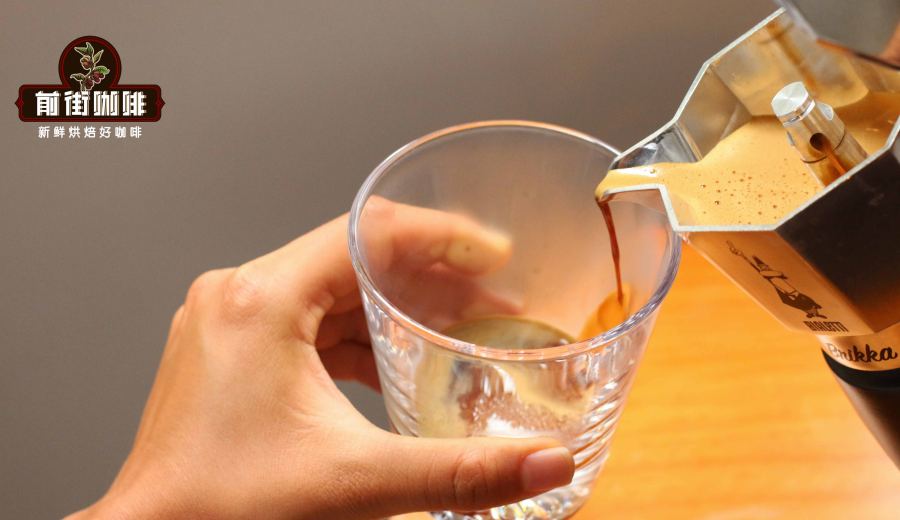
Introduction:When using a Moka pot to brew coffee, do you often encounter issues such as overly bitter, excessively acidic, or burnt-tasting coffee? These common flavor defects are actually closely related to grind size, heat control, and the degree of coffee bean roast. This article delves into the extraction principles of the Moka pot, guiding you step-by-step through factors like bean selection, grind adjustment, and heat management to identify the key elements influencing flavor. We’ll also recommend several medium-to-dark roasted blends and single-origin beans that work well with the Moka pot, helping you brew rich, balanced pour over-quality coffee at home.
The Moka pot is a classic brewing device commonly found in the homes of many coffee enthusiasts. Though it has a relatively low barrier to entry, brewing coffee with a consistently balanced flavor and smooth mouthfeel still requires mastering certain details. Many users report that their Moka pot coffee ends up either too bitter, too acidic, or with a noticeable burnt taste—often due to misunderstandings about grind size, heat level, or bean selection. This article will start with the basic extraction principles of the Moka pot, analyzing in detail how various parameters influence the final flavor, and offering practical adjustment tips to help you easily avoid common pitfalls.
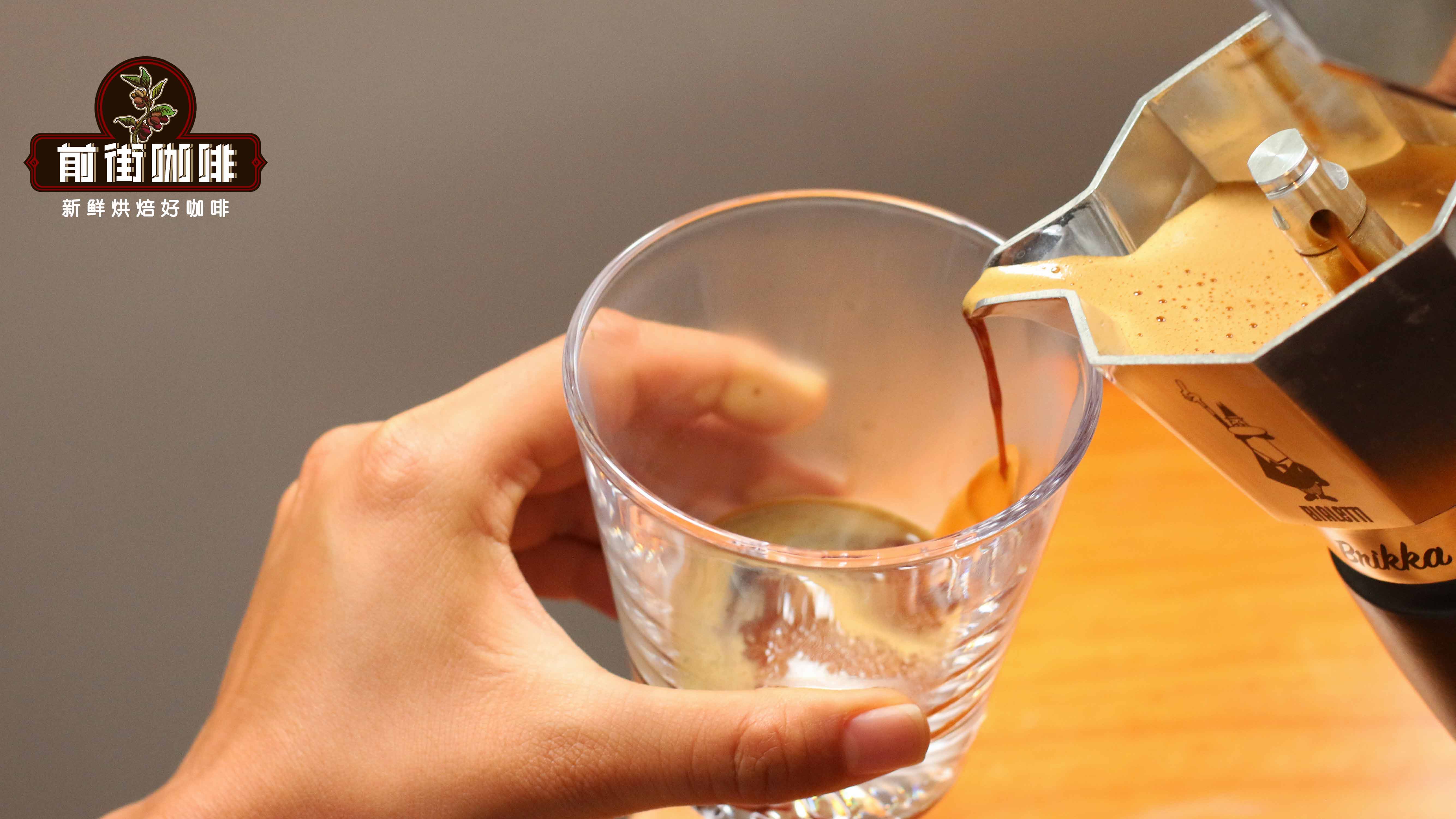
First, although the Moka pot doesn’t generate the high pressure of up to 9 bar like a professional espresso machine, its pressure of approximately 1.5 to 2 bar is still sufficient to effectively extract coffee oils, resulting in a rich mouthfeel. Understanding its internal structure will give you a clearer picture of how heated water passes through the coffee grounds, thereby helping you grasp the key adjustments. However, even with such a relatively simple design, slight missteps in grind size, heating intensity, or bean selection can easily lead to flavor imbalance, resulting in unpleasant tastes like sourness, astringency, or bitterness.
The primary factor influencing the flavor of Moka pot coffee is the roast level of the coffee beans. It is generally recommended to choose beans with a medium-to-dark roast or darker. While light roast beans offer bright and fresh flavors, they tend to taste thin and overly acidic under the high-pressure environment of a Moka pot. On the other hand, overly dark roasts can release excessive bitter and burnt compounds, making the coffee taste dry and smoky. For those using a Moka pot for the first time, selecting a commercially available blend designed specifically for espresso machines is the safest choice. These blends are usually optimized for high-pressure extraction and offer relatively stable flavor performance.
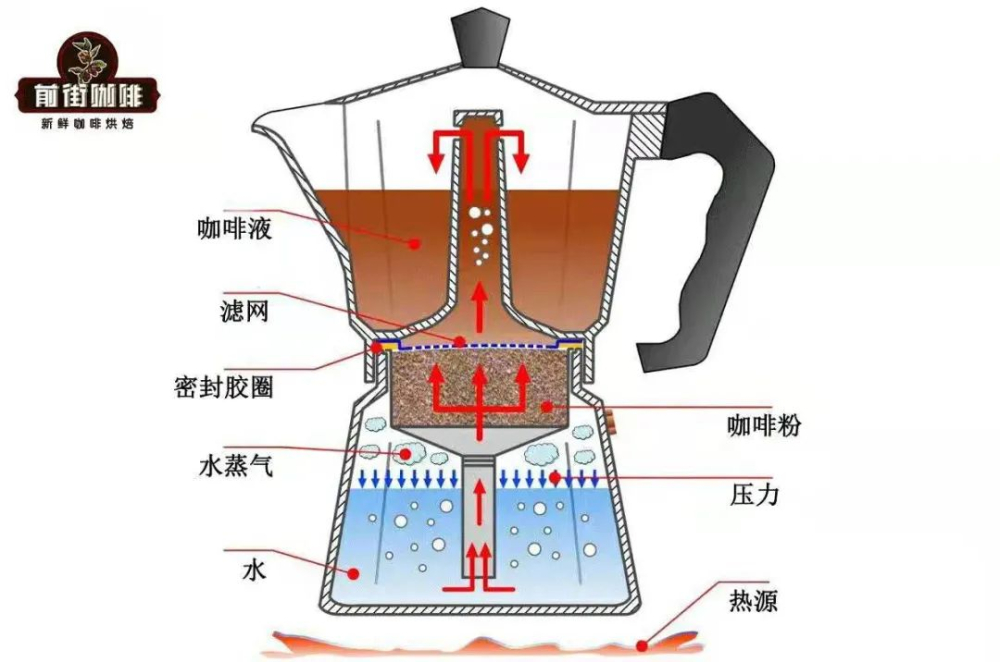
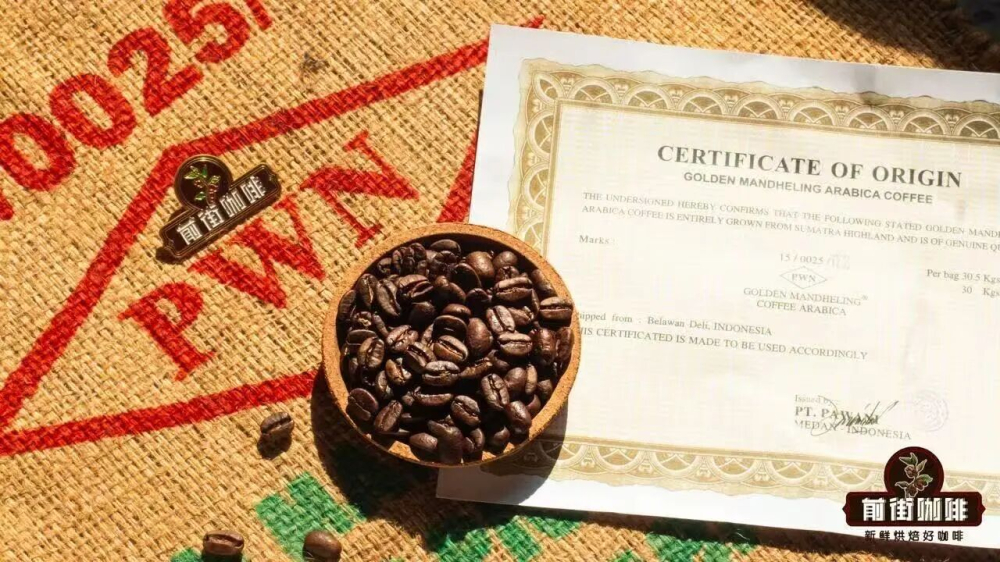
For example, if you prefer coffee with rich body and notes of caramel and roasted aroma, you might consider using an all-purpose blend suitable for both espresso machines and Moka pots. These recipes are typically designed to release a bold yet balanced flavor within a short extraction time. If you’re more drawn to the unique characteristics of a single origin, a medium-to-dark roasted single-origin bean would be a better choice. For instance, Indonesian Golden Mandheling processed with the wet-hulling method offers distinctive notes of spice, sandalwood, and caramel, showcasing a rich and layered coffee personality—especially appealing to those who enjoy stronger flavors.
When you find that your Moka pot coffee is noticeably too bitter, it’s usually due to over-extraction. This may result from grinding the beans too finely, which slows down the flow of hot water through the coffee bed and extends the extraction time, causing excessive bitter compounds to be released. Additionally, using cold water to brew coffee can prolong the time it takes for the water temperature to rise, extending steam generation and potentially leading to over-extraction in certain areas of the coffee bed, further intensifying bitterness and burnt flavors. It’s recommended to adjust the grind size to be similar to that of fine sugar, and observe the flow rate of the coffee extraction to ensure the coffee flows smoothly without being too slow.
Conversely, if the coffee tastes overly sour or astringent, it may be due to two factors: one is using light-roast beans, which typically have bright acidity but can taste thin and release their acidity too quickly in the Moka pot’s extraction environment; the other is grinding the coffee too coarsely, causing the hot water to pass through the coffee bed too quickly, preventing sweet and body-enhancing compounds from being fully extracted. For light-roast beans in a Moka pot, you can opt for honey-processed medium-to-dark roast beans, such as those with pronounced fruity notes like Strawberry Sugar or Mozart, which, under appropriate grind size and heat, can exhibit a rounder balance of acidity and sweetness.
As for the burnt taste that many users dread, it’s usually caused by using overly dark-roasted beans or improper heat control. Overly dark-roasted beans, with their shiny black exterior, are highly prone to releasing excessive bitter and smoky flavors under high pressure and high temperature. It’s recommended to switch to medium-to-dark roasted beans, which can effectively reduce the risk of burnt taste. Additionally, the heat level during brewing is crucial. It’s advisable to use medium heat and heat evenly. When you hear a steady “woosh woosh woosh” sound from inside the Moka pot and observe the first drops of coffee liquid coming out of the spout, you should promptly turn off the heat to avoid over-heating and the resulting bitterness.
For heating your Moka pot, you can use a stove with electric ceramic coils, an induction cooker, or even an open flame—but no matter which method you choose, avoid using high heat initially. Especially when using an open flame, make sure to keep the heat low throughout and remove the Moka pot from the heat source as soon as the coffee liquid begins to flow to prevent over-extraction and the risk of burns. In summary, brewing a great cup of Moka pot coffee isn’t difficult—the key lies in carefully adjusting the grind size, precisely controlling the heat, and choosing medium-to-dark roasted beans suitable for medium-to-high pressure extraction. With these steps, you too can enjoy a rich, café-quality coffee experience at home.
The above content is compiled by CoffeeHunters, a coffee news website.


