







Introduction:Cold drip coffee is renowned for its low acidity and layered complexity, making it an excellent refreshing choice for summer. This article details the entire process—from selecting coffee beans and determining the coffee-to-water-to-ice ratio, to laying the filter paper and controlling the dripping speed. It shares professional extraction parameters and refrigerated fermentation techniques, and recommends multiple flavor profiles of beans that are well-suited for cold drip. Whether you’re a beginner or an advanced enthusiast, you can use this guide to make professional-grade cold drip coffee.
With its clear mouthfeel and complex flavors, cold drip coffee has become a classic brewing method that coffee lovers shouldn’t miss. Every step—from bean variety selection and grind size to dripping rate—affects the final flavor expression. This guide will systematically break down the entire cold drip production process, including professional-level recommendations on the coffee-to-water-to-ice ratio, tips for using filter paper, and tested effective refrigeration time parameters to help readers consistently extract clear and balanced cold drip coffee.
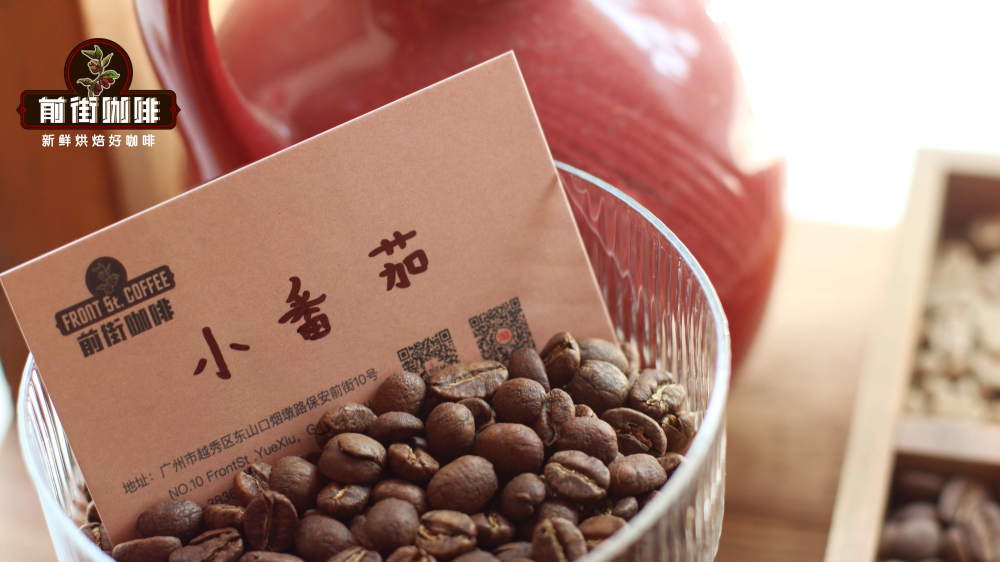
The choice of coffee beans directly determines the foundational flavor profile of the cold drip. There’s a common misconception in the market that cold drip is only suitable for dark roast beans, but in reality, medium to medium-dark roasts better highlight fruity notes and delicate acidity. It is recommended to prioritize beans roasted at a “medium to medium-dark” level, as this range balances body and aromatic expression. For those who prefer bright fruity acidity, try sun-dried Ethiopian varieties; for a rich chocolatey profile, medium to dark roasted beans from Brazil or Colombia are recommended. Be sure to use beans within 60 days of roasting to ensure peak flavor freshness.
Practical recipe combinations can refer to the following classic pairings: Light-roasted Yirgacheffe showcases lemon and blueberry notes, Costa Rica Baha presents caramel and red wine aromas, while Colombian Sidamo offers unique spices and wine-like undertones. Beginners are advised to start with fruit-forward blends, such as a composite blend of Panamanian and Costa Rican beans, whose rose floral notes and berry aftertaste can clearly highlight the extraction characteristics of cold drip.
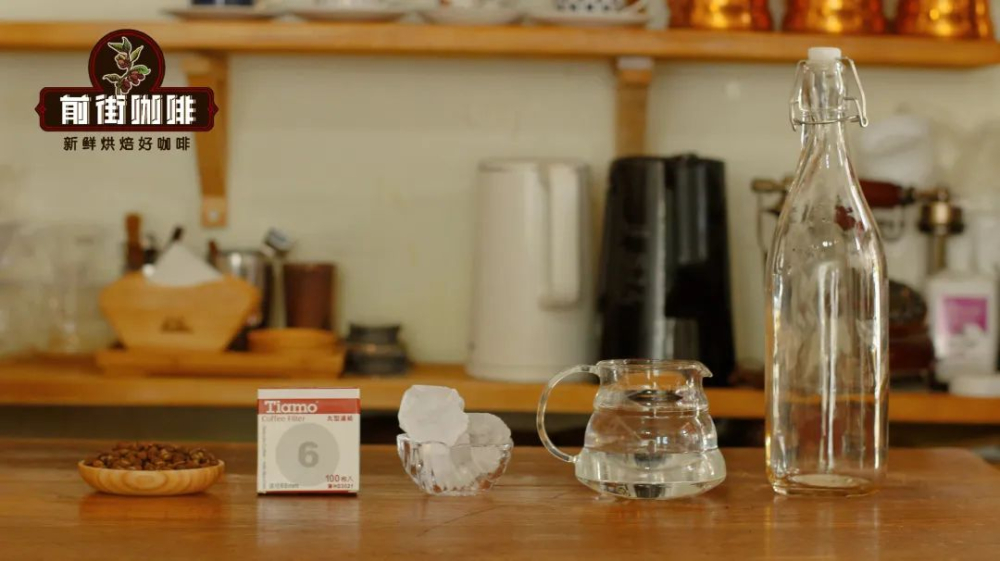
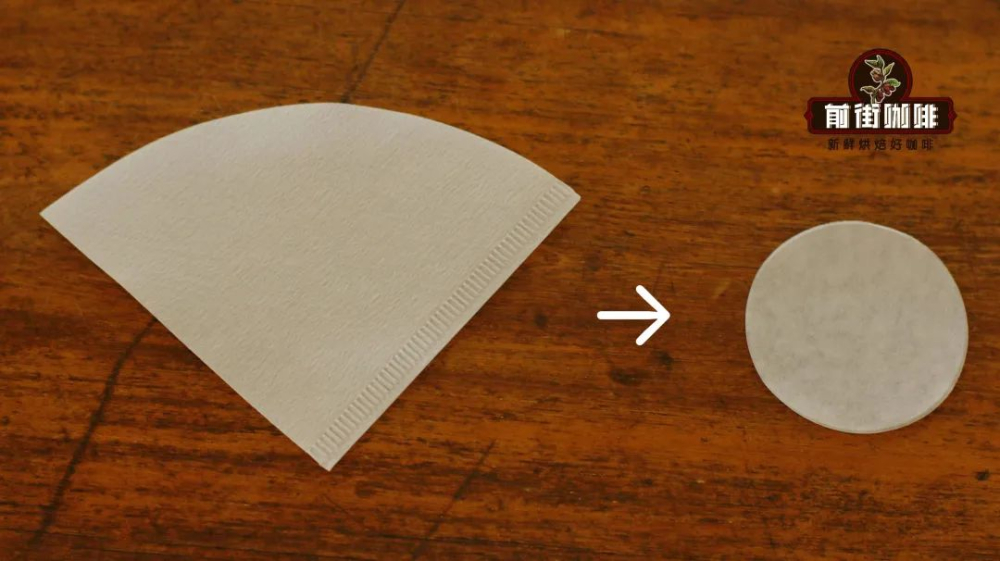
In the preparation stage, gather a cold drip maker, purified water, ice cubes, and specialized filter paper (if unavailable, hand drip filter paper can be trimmed as a substitute). A recommended golden ratio is 1:6:6—50 grams of coffee grounds with 300 milliliters of room-temperature water and 300 grams of ice. This ratio maintains extraction efficiency while avoiding over-dilution, and is empirically proven to yield the best flavor concentration. When wetting the filter paper, use room-temperature water to ensure it fully conforms to the shape of the filter bowl and prevents coffee grounds from leaking.
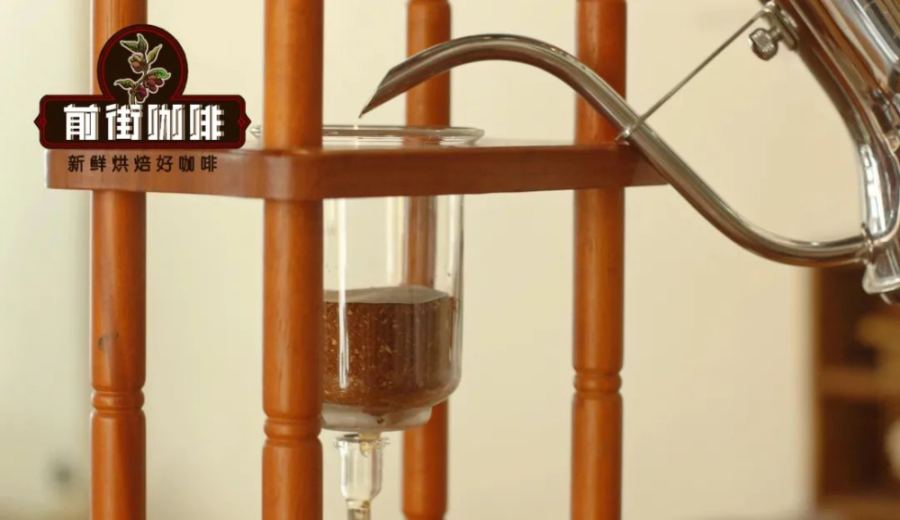
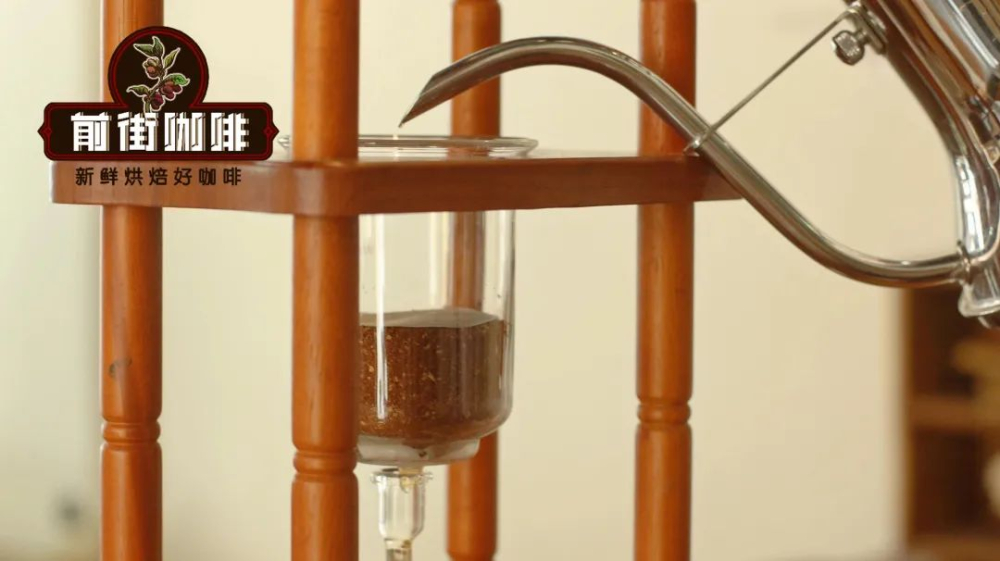
Adjust the grind size to be similar to that of fine sugar (approximately scale 9 on an EK43 grinder). Too fine will cause filtration blockage, while too coarse reduces extraction efficiency. When laying the filter paper, pay attention to the two-layer structure: place the first layer of filter paper at the base, add the coffee grounds and gently press them flat, then cover with a second layer of filter paper to ensure even permeation. This step effectively prevents fine particles from passing through and maintains the clarity of the filtrate.
Before starting the extraction, strictly control the initial conditions: close the dripping valve first, then slowly pour the pre-cooled ice water mixture into the top container. Once the water level reaches the desired mark, open the valve. It is recommended to precisely adjust the dripping rate to 7 drops per 10 seconds (approximately 42 drops per minute). This rate has been experimentally proven to balance flavor extraction and impurity filtration. Continuously monitor the stability of the dripping; changes in ambient temperature may cause fluctuations in the rate, requiring timely fine-tuning of the valve opening.
The complete extraction process usually takes 6–8 hours, depending on ambient temperature and dripping speed settings. Observe that the final liquid level should be about 1 centimeter below the coffee bed to ensure sufficient contact time. After completion, immediately transfer the filtrate to a sealed container and place it in the refrigerator for 8 hours of maturation (do not freeze). During this stage, yeast and lactic acid bacteria will undergo slow metabolism, transforming the coffee into a smoother mouthfeel with subtle effervescence.
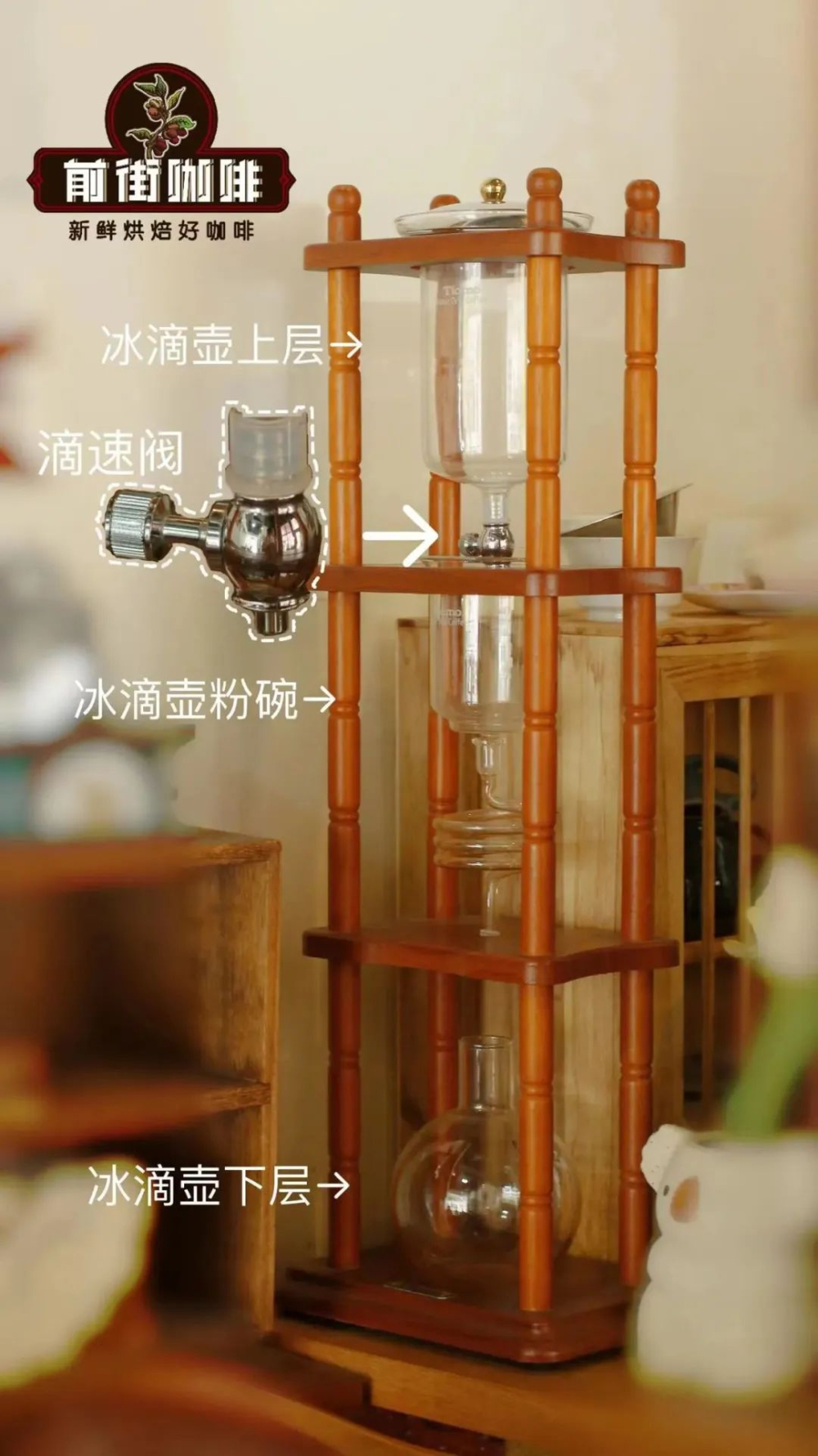
After refrigeration, it is recommended to enjoy the coffee in a clear glass with 3–5 minutes’ worth of ice cubes to enhance the flavor layering. When tasting, observe the three-phase progression: the initial bright fruity acidity, the mid-palate sweet aftertaste, and the subtle richness in the finish. If noticeable astringency is detected, it may be due to overly fine grinding or too fast a dripping rate causing over-extraction; if the flavor is overly light, check the freshness of the coffee grounds or whether the dripping time was insufficient.
Extended techniques: Try different ice compositions, such as partially using frozen fruit chunks (blueberries or citrus) to add natural fruity notes; adjusting the coffee-to-water ratio to 1:8 can create a lighter version of cold brew. Record the parameters of each experiment (including bean variety, grind size, dripping speed, ambient temperature), gradually building a personalized library of optimal recipes. Once you’ve mastered these core principles, you’ll be able to flexibly adjust to create uniquely tailored cold drip flavor profiles based on seasonal changes and personal taste preferences.
The above content is compiled by CoffeeHunters, a coffee news website.


